
The Chemistry of Tea: How Processing and L-Theanine Alter the Health and Cognitive Effects of Camellia Sinensis
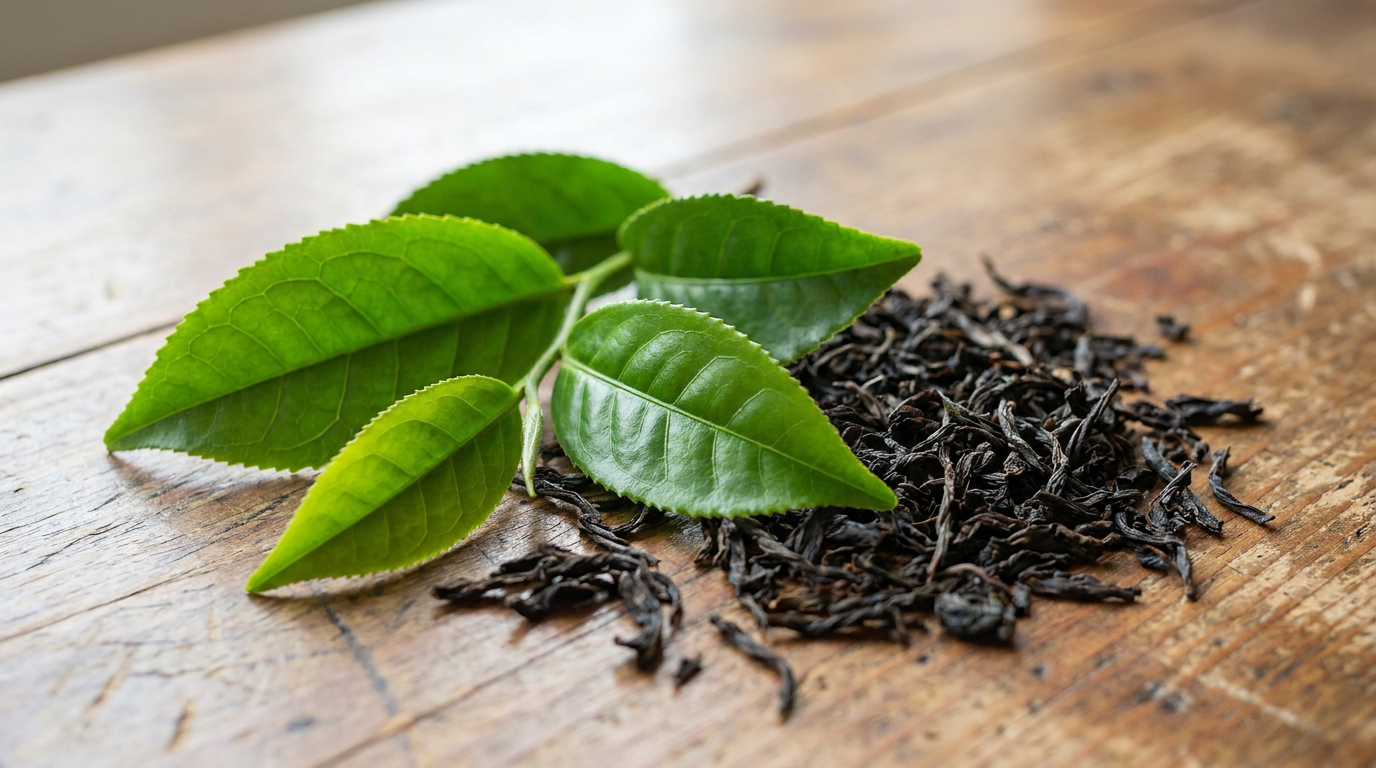
Every true tea originates from a single plant species. The profound differences in flavor, health benefits, and cognitive effects come down to enzymatic oxidation and a unique amino acid synergy.
By Factlen Editorial Team
Nutritional Biochemists 40%Cognitive Neuroscientists 40%Traditional Tea Producers 20%
- Nutritional Biochemists
- Focus on the molecular transformations during processing, such as catechin oxidation and theaflavin synthesis.
- Cognitive Neuroscientists
- Focus on the nootropic synergy of L-theanine and caffeine on brain waves and attention.
- Traditional Tea Producers
- Focus on the artisanal control of temperature, humidity, and time to craft flavor profiles.
What's not represented
- · Clinical Dietitians
- · Agricultural Botanists
Why this matters
Understanding the biochemistry of tea allows you to select the right beverage for your specific needs—whether you want the cellular antioxidant support of green tea, the cardiovascular benefits of black tea, or the focused, jitter-free energy provided by L-theanine.

More in food drink
See all 44 stories →Metabolic Health
The Science of Food Sequencing: How Eating Order Alters Blood Sugar
7 sources

Kitchen Science
The Science of the Sear: How to Master the Maillard Reaction at Home
6 sources

Culinary Science
Fat-Washing Spirits: The Chemistry Behind Savory Cocktails
7 sources

Gut-Brain Axis
Psychobiotics and the Gut-Brain Axis: How Diet Shapes Mood and Mental Health
8 sources

Stay informed
Every angle. Every day.
Get food drink stories with full source coverage and perspective breakdowns delivered to your inbox.