
Psychobiotics and the Gut-Brain Axis: How Diet Shapes Mood and Mental Health
Emerging research reveals that the trillions of bacteria in the human gut directly communicate with the brain, influencing mood, stress, and cognitive function. Scientists are now exploring 'psychobiotics'—dietary interventions designed to improve mental well-being by targeting the microbiome.
By Factlen Editorial Team

- Nutritional Psychiatrists
- Argue that modulating the microbiome is a viable, evidence-based clinical intervention for mental health disorders.
- Gut Health Advocates
- Emphasize whole-food dietary patterns and lifestyle changes over isolated supplements to build microbial diversity.
- Clinical Skeptics
- Caution that while the gut-brain link is real, commercial psychobiotic supplements often outpace the rigorous human trial data.
What's not represented
- · Traditional Psychiatrists relying solely on pharmacotherapy
- · Agricultural scientists studying soil microbiome impact on food
Why this matters
Understanding the gut-brain connection empowers individuals to take an active role in their mental health through accessible, everyday dietary choices, offering a scientifically backed complement to traditional therapies.

More in food drink
See all 44 stories →Metabolic Health
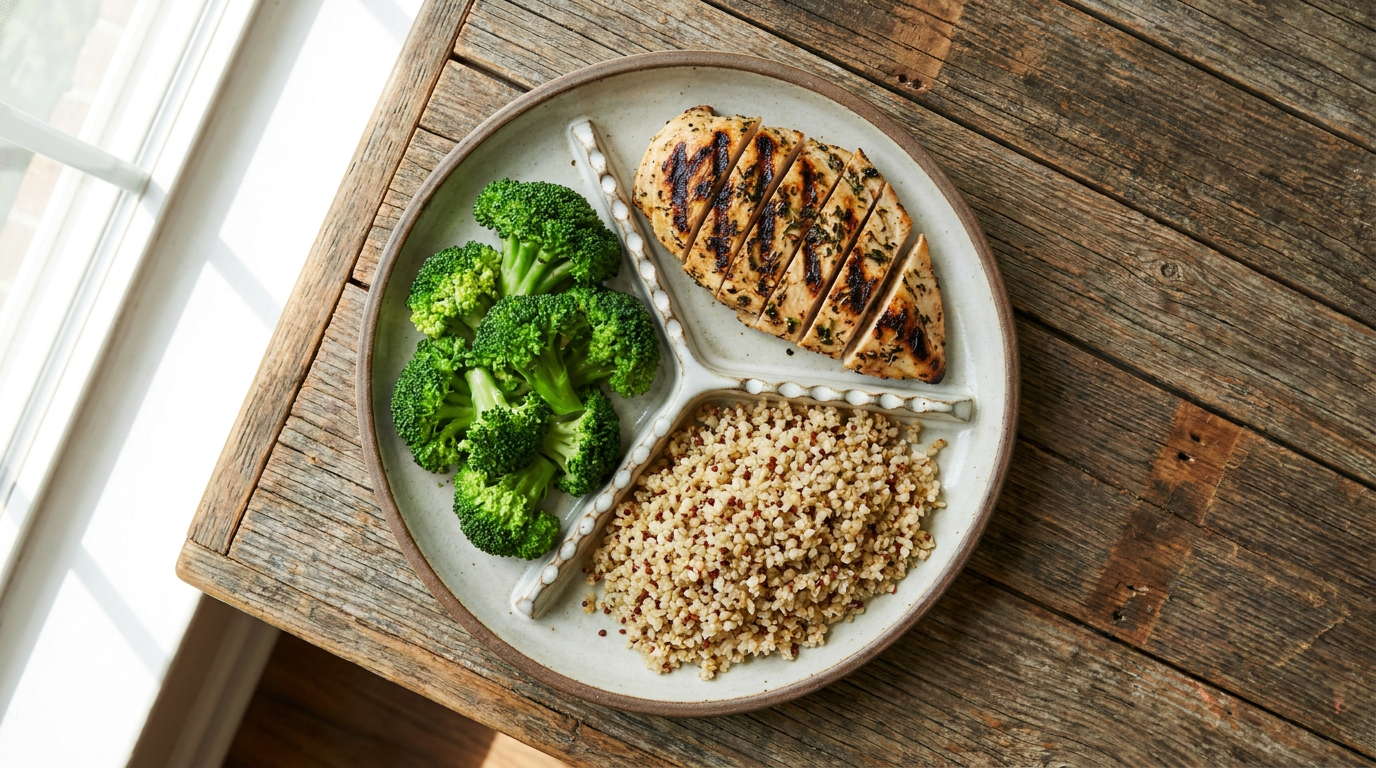
The Science of Food Sequencing: How Eating Order Alters Blood Sugar
7 sources
Kitchen Science
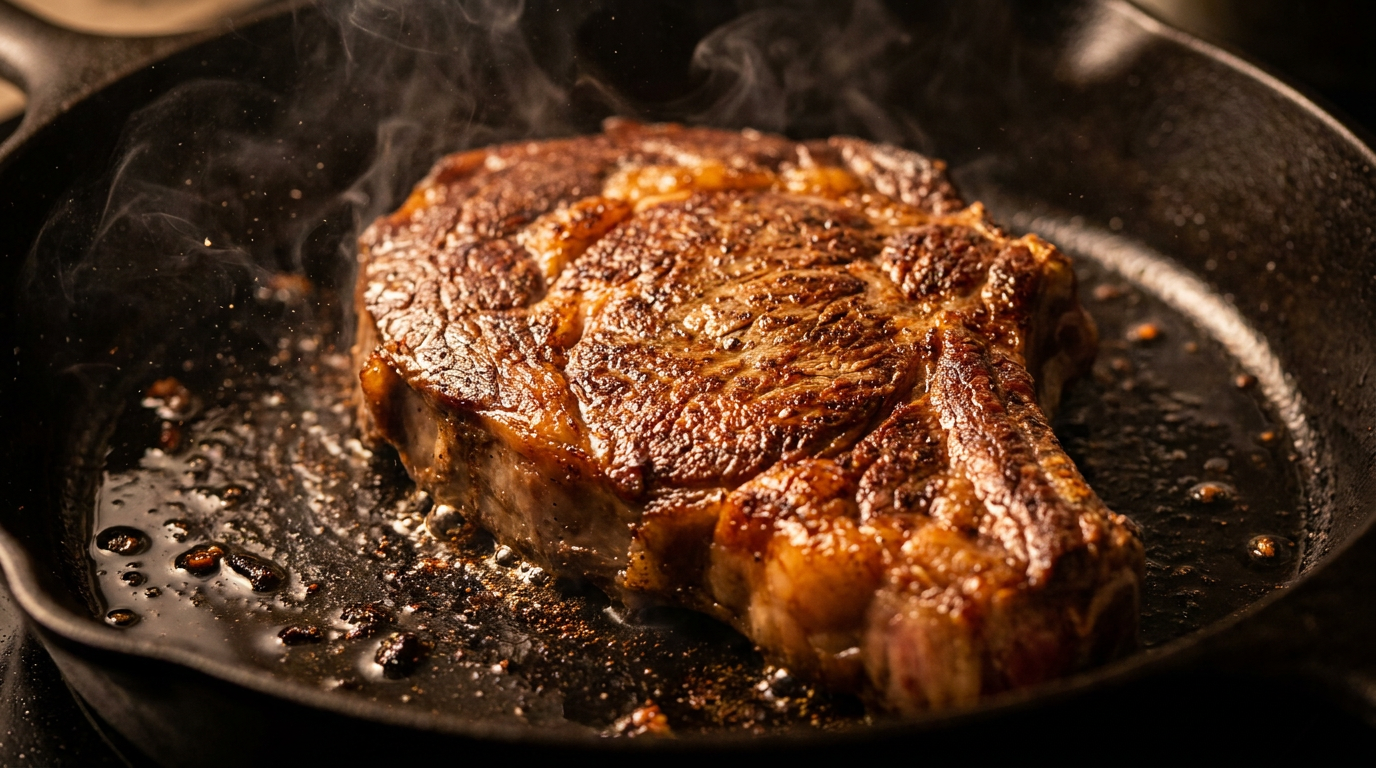
The Science of the Sear: How to Master the Maillard Reaction at Home
6 sources

Culinary Science
Fat-Washing Spirits: The Chemistry Behind Savory Cocktails
7 sources

Culinary Science
The Science of the Maillard Reaction: How Heat and Chemistry Transform Home Cooking
7 sources
Every angle. Every day.
Get food drink stories with full source coverage and perspective breakdowns delivered to your inbox.