
The Science of the Maillard Reaction: How Heat and Chemistry Transform Home Cooking
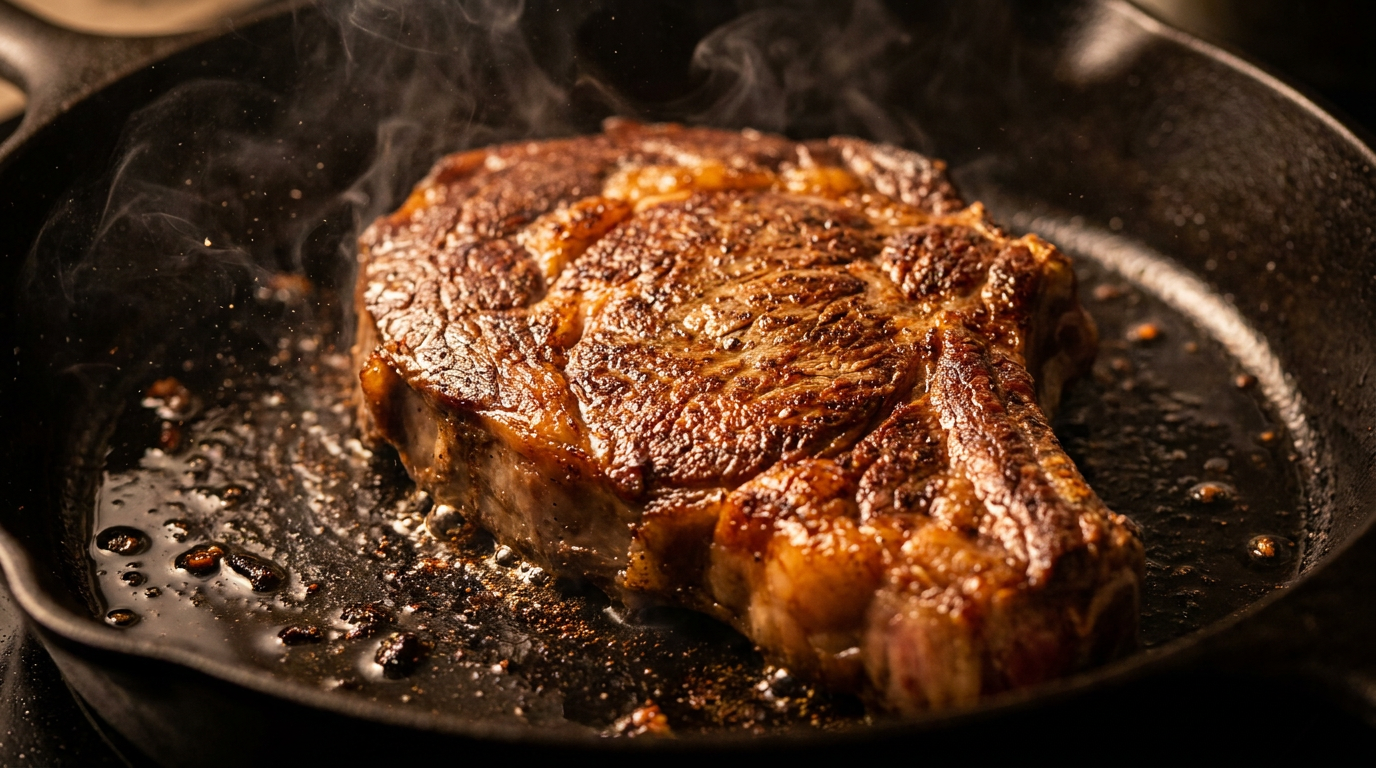
The Maillard reaction is the complex chemical cascade responsible for the browned crust on a seared steak and the savory aroma of baked bread. Understanding how to manipulate heat and moisture to trigger this reaction is the foundational secret to restaurant-quality cooking.
By Factlen Editorial Team
- Culinary Scientists
- Focus on the precise chemical mechanisms, temperature thresholds, and molecular flavor compounds generated by the reaction.
- Culinary Professionals
- Emphasize practical kitchen applications, moisture management, and technique to maximize flavor development.
- Health & Nutrition Researchers
- Analyze the biological impacts of browned foods, balancing the creation of beneficial antioxidants against potential carcinogens.
What's not represented
- · Industrial Food Manufacturers
- · Appliance Engineers
Why this matters
Mastering the Maillard reaction allows home cooks to stop guessing and start controlling flavor development. By understanding the science of browning, anyone can elevate basic ingredients into deeply savory, complex meals without relying on expensive equipment.

More in food drink
See all 44 stories →Metabolic Health
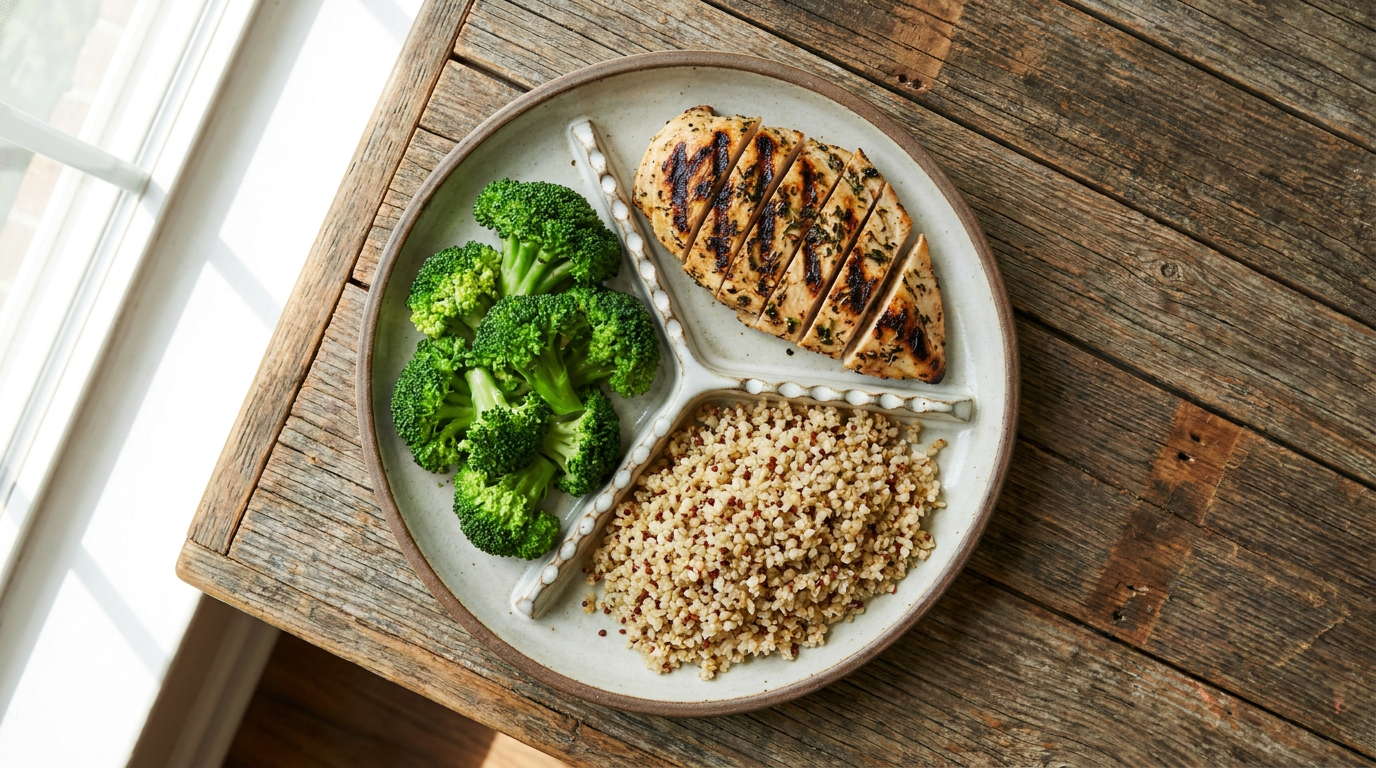
The Science of Food Sequencing: How Eating Order Alters Blood Sugar
7 sources
Kitchen Science
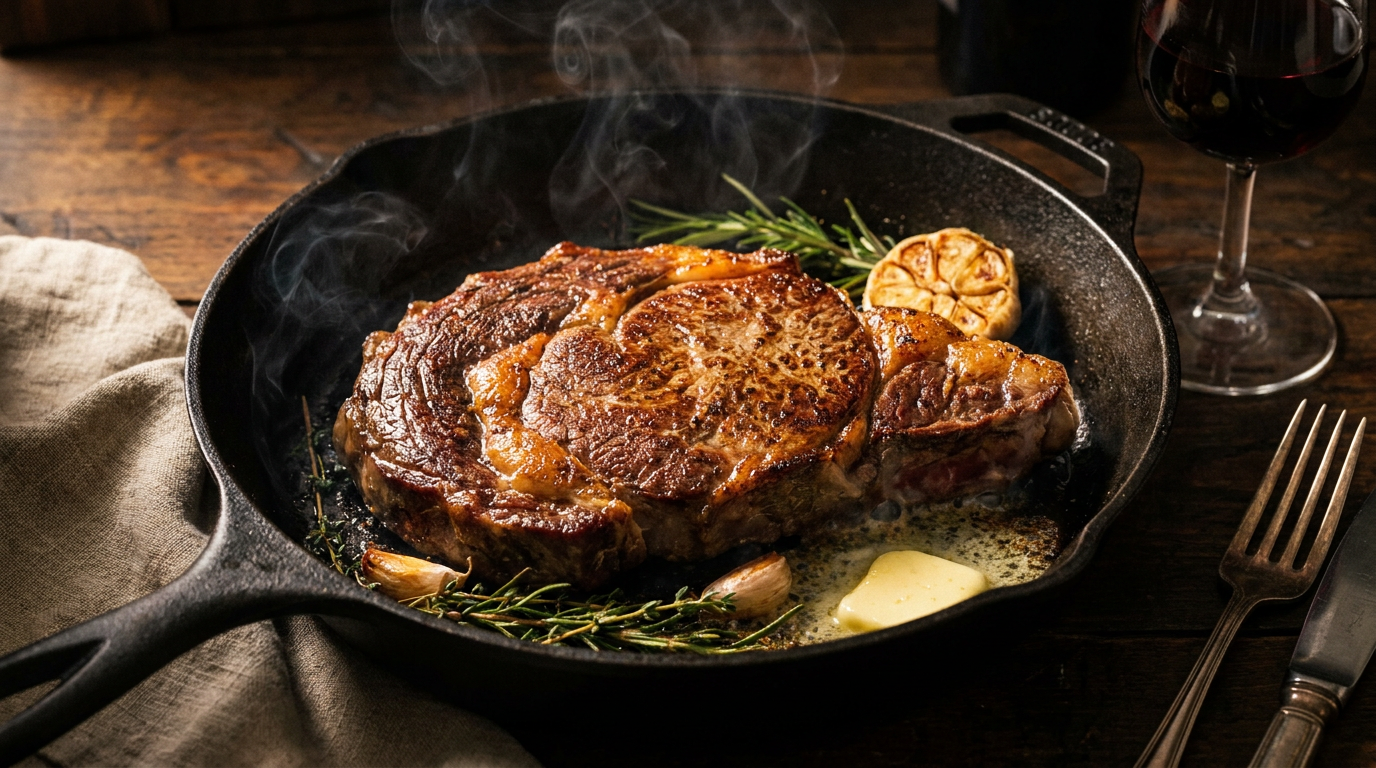
The Science of the Sear: How to Master the Maillard Reaction at Home
6 sources
Culinary Science
Fat-Washing Spirits: The Chemistry Behind Savory Cocktails
7 sources

Gut-Brain Axis
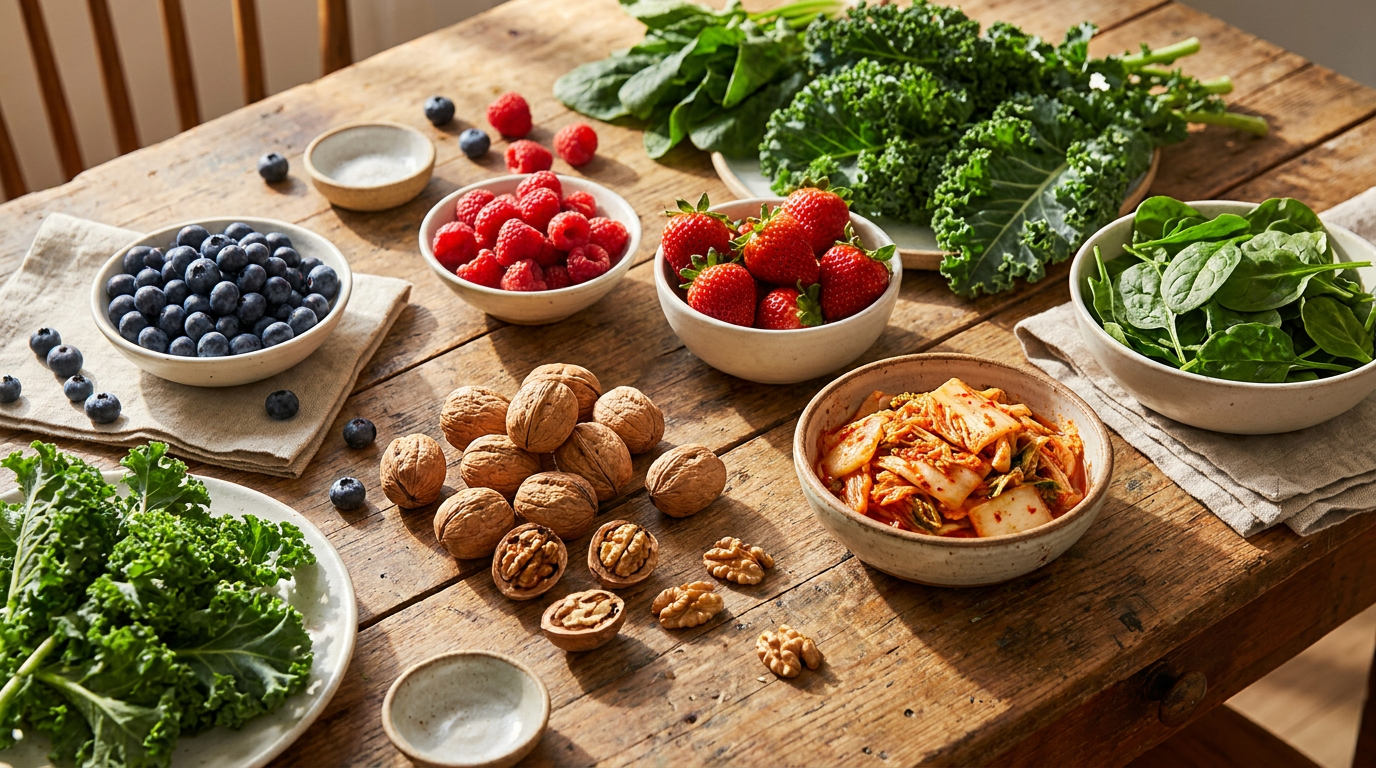
Psychobiotics and the Gut-Brain Axis: How Diet Shapes Mood and Mental Health
8 sources
Every angle. Every day.
Get food drink stories with full source coverage and perspective breakdowns delivered to your inbox.