
The Science of Umami: How to Engineer Deep Savory Flavor in Plant-Based Cooking
Understanding the molecular synergy between glutamates and ribonucleotides allows home cooks to build complex, meat-like savoriness entirely from plant sources.
By Factlen Editorial Team

Culinary Science 40%Nutritional Science 30%Traditional Gastronomy 30%
- Culinary Science
- Focuses on the molecular interactions, receptor biology, and specific cooking techniques required to maximize flavor.
- Nutritional Science
- Views umami primarily as a dietary tool to increase the palatability of healthy foods and reduce global sodium intake.
- Traditional Gastronomy
- Emphasizes the historical discovery of umami and its foundational role in traditional Asian fermentation and broth-making.
What's not represented
- · Commercial food manufacturers who utilize synthetic umami enhancers
- · Individuals with specific sensitivities to free glutamates
Why this matters
As more people adopt plant-forward diets for health and environmental reasons, mastering the science of flavor ensures these meals are deeply satisfying rather than feeling like a culinary compromise. Understanding umami also provides a powerful tool for reducing sodium intake without sacrificing taste.

More in food drink
See all 44 stories →Metabolic Health
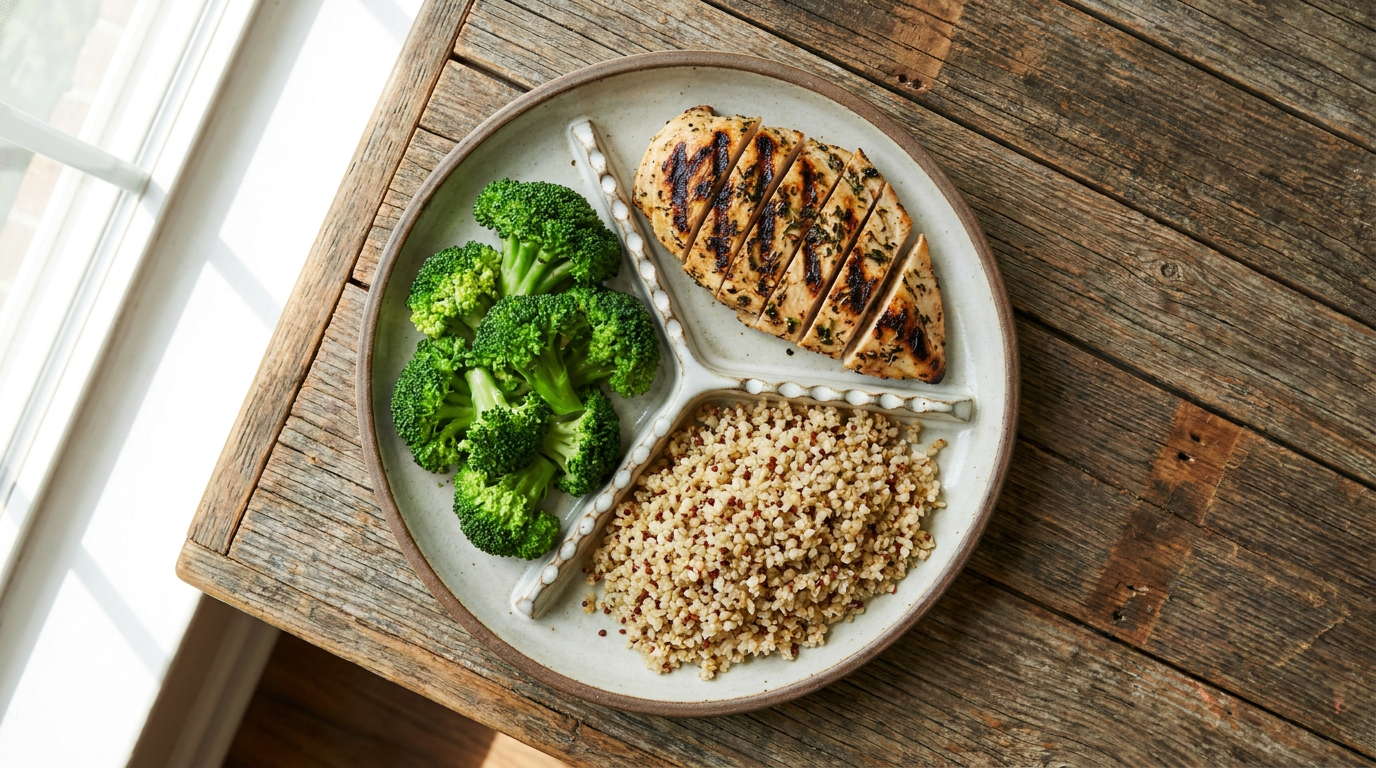
The Science of Food Sequencing: How Eating Order Alters Blood Sugar
7 sources
Kitchen Science
The Science of the Sear: How to Master the Maillard Reaction at Home
6 sources

Culinary Science
Fat-Washing Spirits: The Chemistry Behind Savory Cocktails
7 sources

Gut-Brain Axis
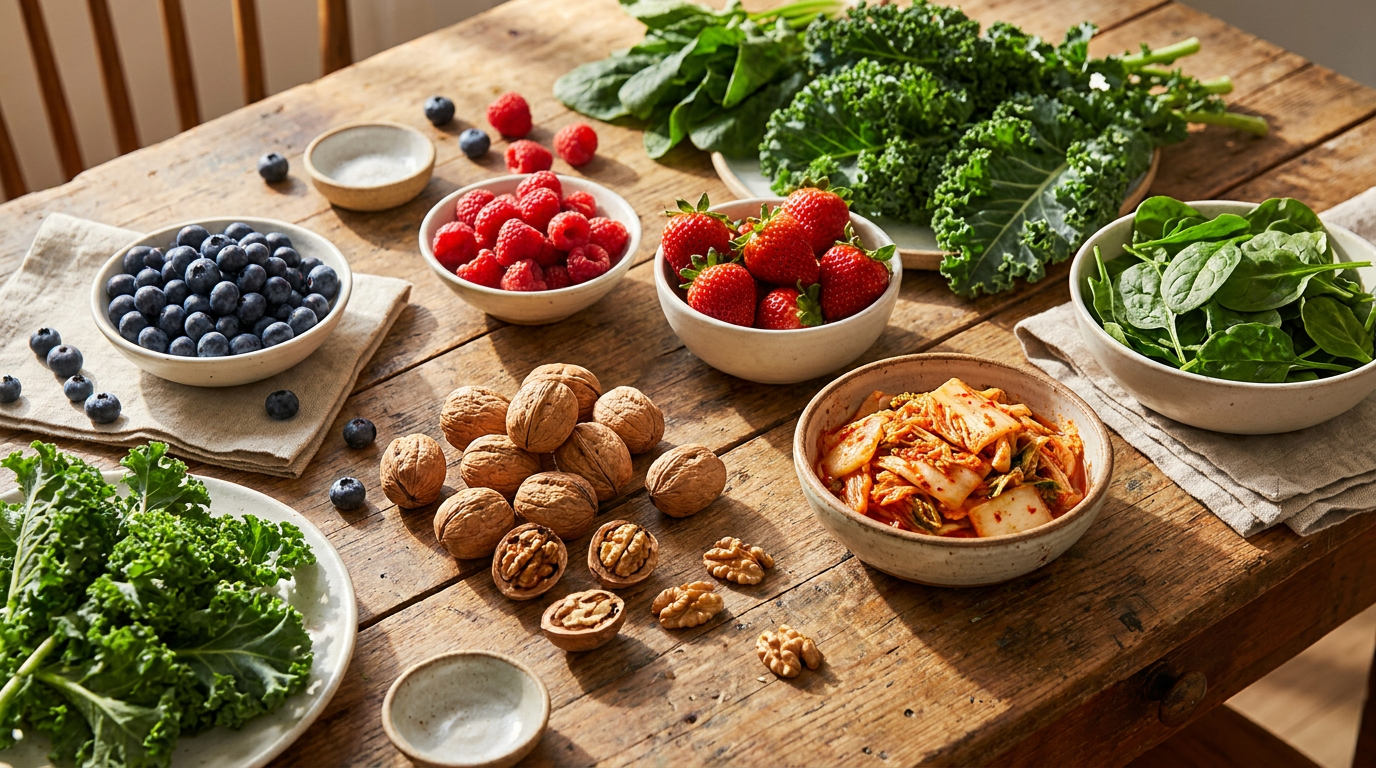
Psychobiotics and the Gut-Brain Axis: How Diet Shapes Mood and Mental Health
8 sources
Stay informed
Every angle. Every day.
Get food drink stories with full source coverage and perspective breakdowns delivered to your inbox.