
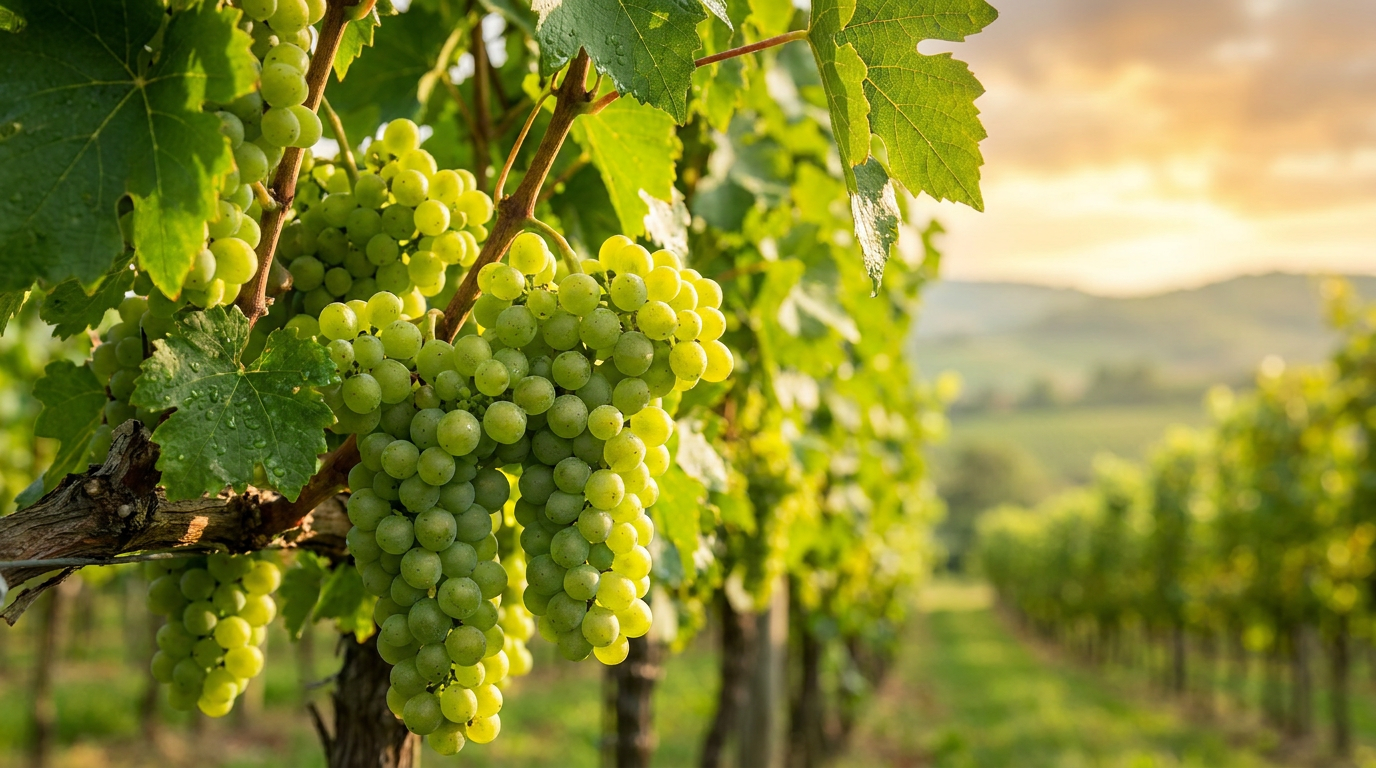
The Rise of PIWI Grapes: How Fungus-Resistant Vines Are Reshaping Sustainable Wine
A new generation of disease-resistant grape varieties is allowing winemakers to cut pesticide use by up to 80% without sacrificing classic flavor profiles.
By Factlen Editorial Team
Viticultural Innovators 40%Oenological Researchers 35%Traditionalists & Skeptics 25%
- Viticultural Innovators
- Argue that disease-resistant genetics are the only viable path to truly sustainable, low-chemical winemaking in a warming climate.
- Oenological Researchers
- Focus on empirical data, demonstrating through chemical analysis and blind tastings that modern PIWIs achieve sensory parity with classic grapes.
- Traditionalists & Skeptics
- Express caution about abandoning centuries-old varietal names and worry about consumer willingness to embrace unfamiliar grapes.
What's not represented
- · Conventional agrochemical manufacturers
- · Everyday wine consumers unaware of the breeding process
Why this matters
Traditional winemaking relies heavily on chemical fungicides to keep vines alive, carrying a steep environmental cost. This new wave of naturally resistant grapes offers a blueprint for a cleaner, more sustainable agricultural future that protects both the soil and the climate.

More in food drink
See all 44 stories →Metabolic Health
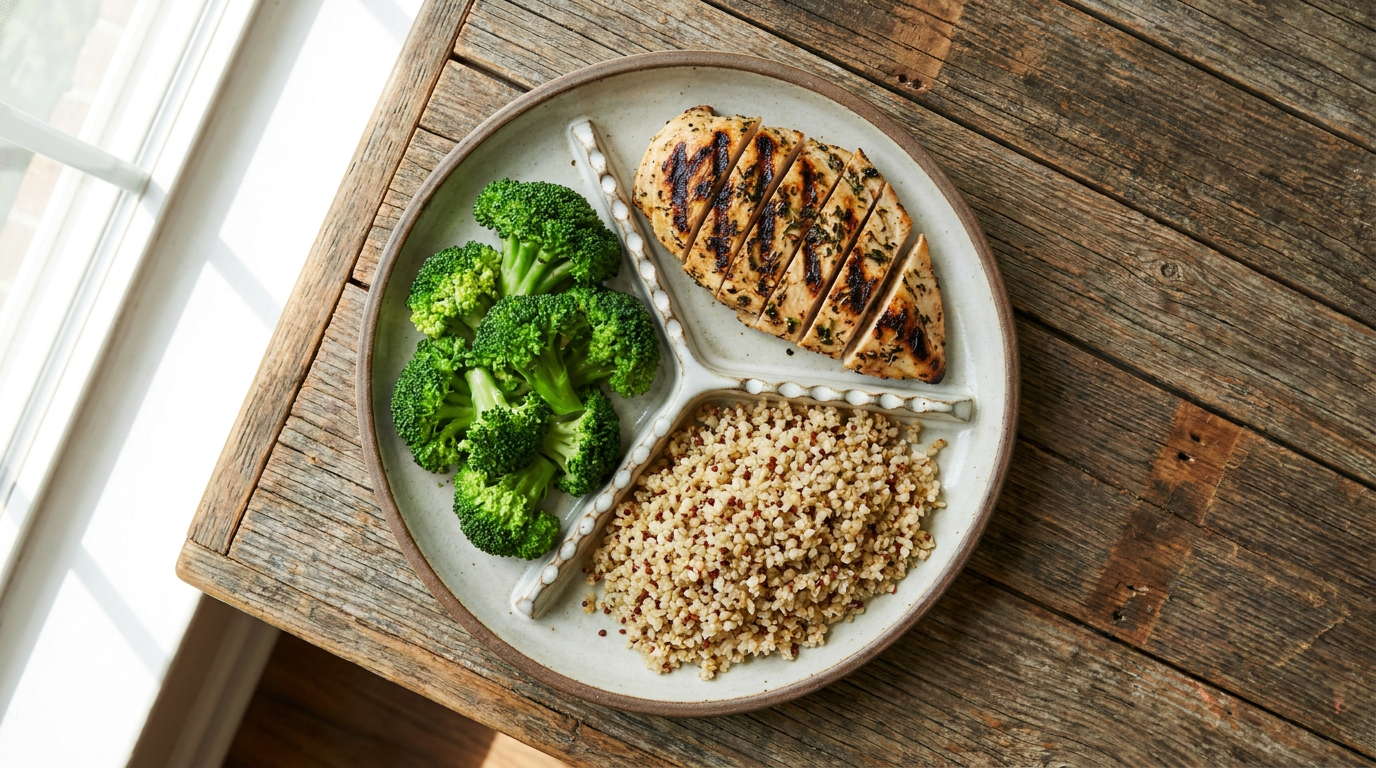
The Science of Food Sequencing: How Eating Order Alters Blood Sugar
7 sources
Kitchen Science
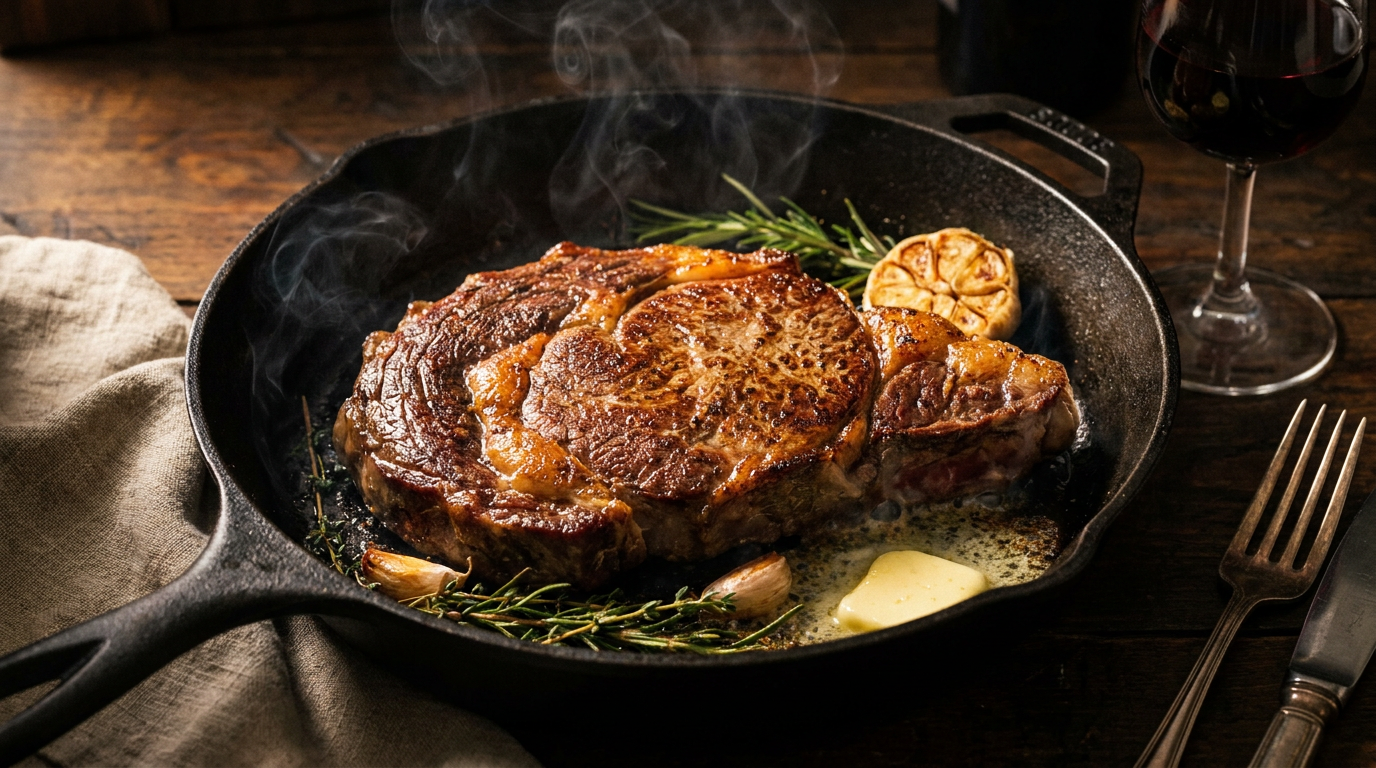
The Science of the Sear: How to Master the Maillard Reaction at Home
6 sources
Culinary Science
Fat-Washing Spirits: The Chemistry Behind Savory Cocktails
7 sources

Gut-Brain Axis
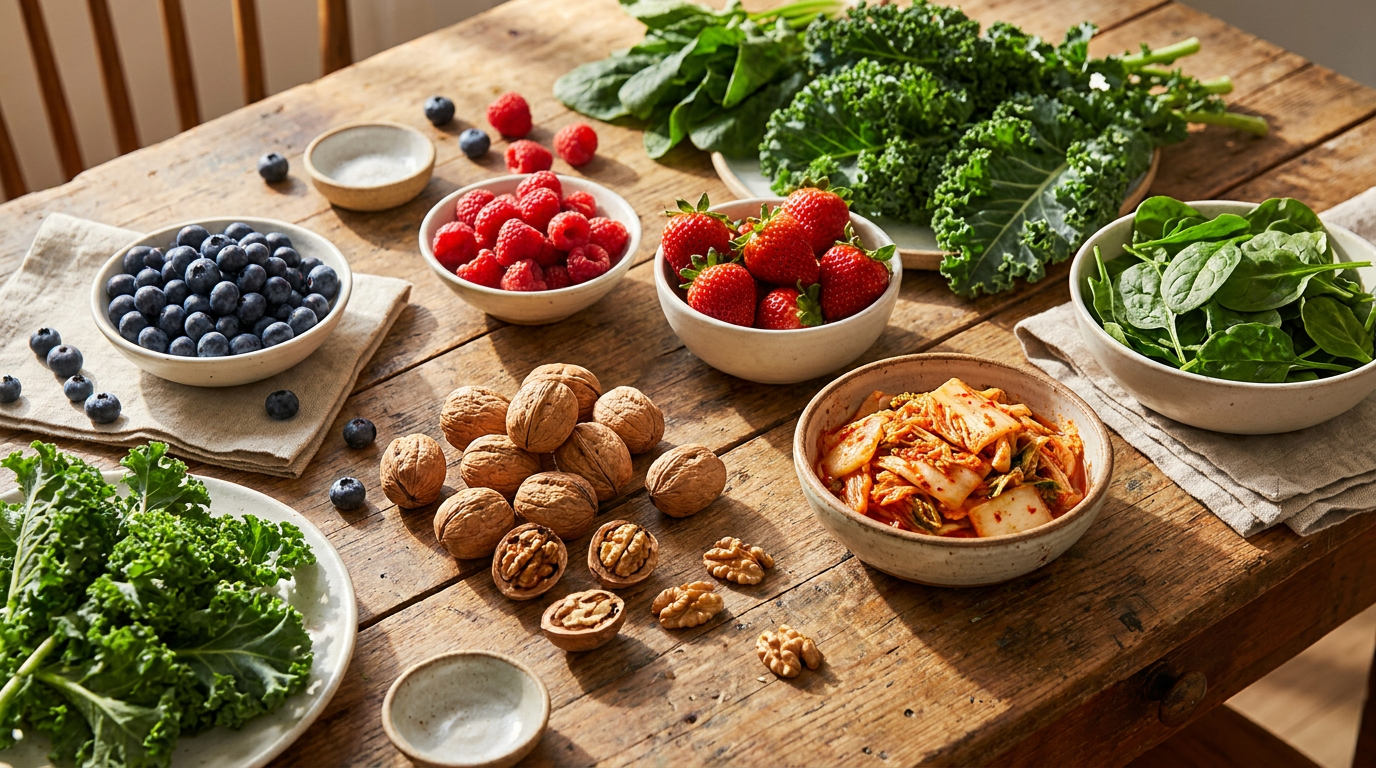
Psychobiotics and the Gut-Brain Axis: How Diet Shapes Mood and Mental Health
8 sources
Stay informed
Every angle. Every day.
Get food drink stories with full source coverage and perspective breakdowns delivered to your inbox.