
The Science of Space: How Interior Design Physically Alters the Human Brain
Emerging research in neuroaesthetics reveals that architectural choices like lighting, ceiling height, and natural textures trigger measurable biological responses, fundamentally shaping our mental health and cognitive performance.
By Factlen Editorial Team
- Neuroscientists & Researchers
- Focus on empirical data, fMRI results, and biological metrics of stress and cognition.
- Architects & Designers
- Focus on translating biological data into practical, aesthetic spatial layouts and material choices.
- Public Health Advocates
- Focus on the democratization of healthy spaces and the role of the built environment in preventive healthcare.
What's not represented
- · Low-income housing developers
- · Traditional decorators prioritizing pure aesthetics
Why this matters
We spend the vast majority of our lives indoors, yet rarely consider how the geometry and lighting of those spaces dictate our mood and focus. Understanding neuroaesthetics empowers you to arrange your home and workspace in ways that actively reduce stress and boost cognitive function.
Key points
- Neuroaesthetics combines brain science and interior design to measure how spaces affect human biology.
- Thoughtfully designed environments can reduce stress hormones by up to 20 percent.
- Natural light and biophilic elements like plants and wood textures actively lower blood pressure and anxiety.
- Curvilinear shapes and rounded furniture activate the brain's pleasure centers more than sharp angles.
- High ceilings promote creative thinking, while lower ceilings enhance focus for detail-oriented tasks.
- Hospitals using these principles report faster patient recovery times and reduced need for pain medication.
Have you ever walked into a room and felt an immediate, inexplicable sense of calm? For decades, interior designers attributed this phenomenon to good taste or intuition. However, modern neuroscience reveals that this reaction is not merely subjective—it is a profound biological event. Every time we cross a threshold, our brains actively scan the environment, processing light, geometry, and texture before we even consciously register the decor.[6]
This realization has given rise to neuroaesthetics and neuroarchitecture, emerging disciplines that sit at the intersection of brain science and spatial design. Rather than relying solely on aesthetic trends, researchers are now using functional magnetic resonance imaging (fMRI) and electroencephalograms (EEG) to measure exactly how the human nervous system responds to the built environment. The findings are transforming how architects and designers approach everything from corporate offices to residential living rooms.[3][4]
At the core of this science is the understanding that our surroundings directly communicate with the brain's limbic system, the ancient network responsible for emotion, memory, and survival instincts. According to research highlighted by DepthO, observing a harmonious environment activates deep subcortical areas linked to pleasure and emotional regulation. When a space feels "right," it is because the brain has determined it is safe and supportive, allowing the nervous system to down-regulate.[5]
The physiological benefits of this down-regulation are highly measurable. Studies compiled by Science in Design demonstrate that thoughtfully designed spaces can trigger a 15 to 20 percent reduction in stress hormones like cortisol. Furthermore, environments optimized for the human nervous system consistently correlate with decreased heart rates, lowered blood pressure, and elevated serotonin levels. Design, in this context, transitions from a luxury to a form of preventive mental healthcare.[1]

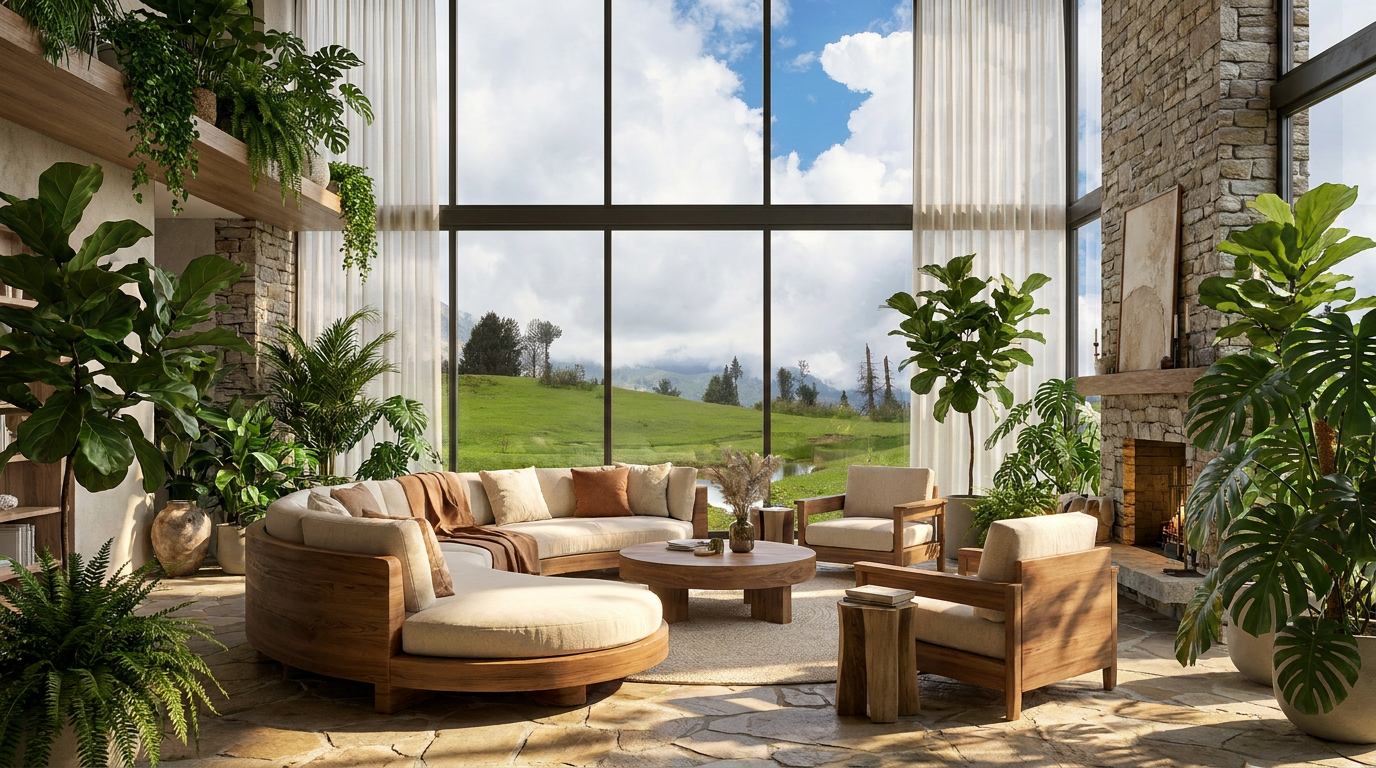
One of the most potent tools in the neuroarchitectural arsenal is lighting. The human circadian rhythm is intricately tied to the daily cycle of the sun, and our indoor environments often disrupt this biological clock. Exposure to abundant natural daylight not only improves mood but also regulates sleep patterns and boosts daytime cognitive performance. Conversely, poorly lit or windowless rooms are frequently linked to fatigue and heightened anxiety.[4]
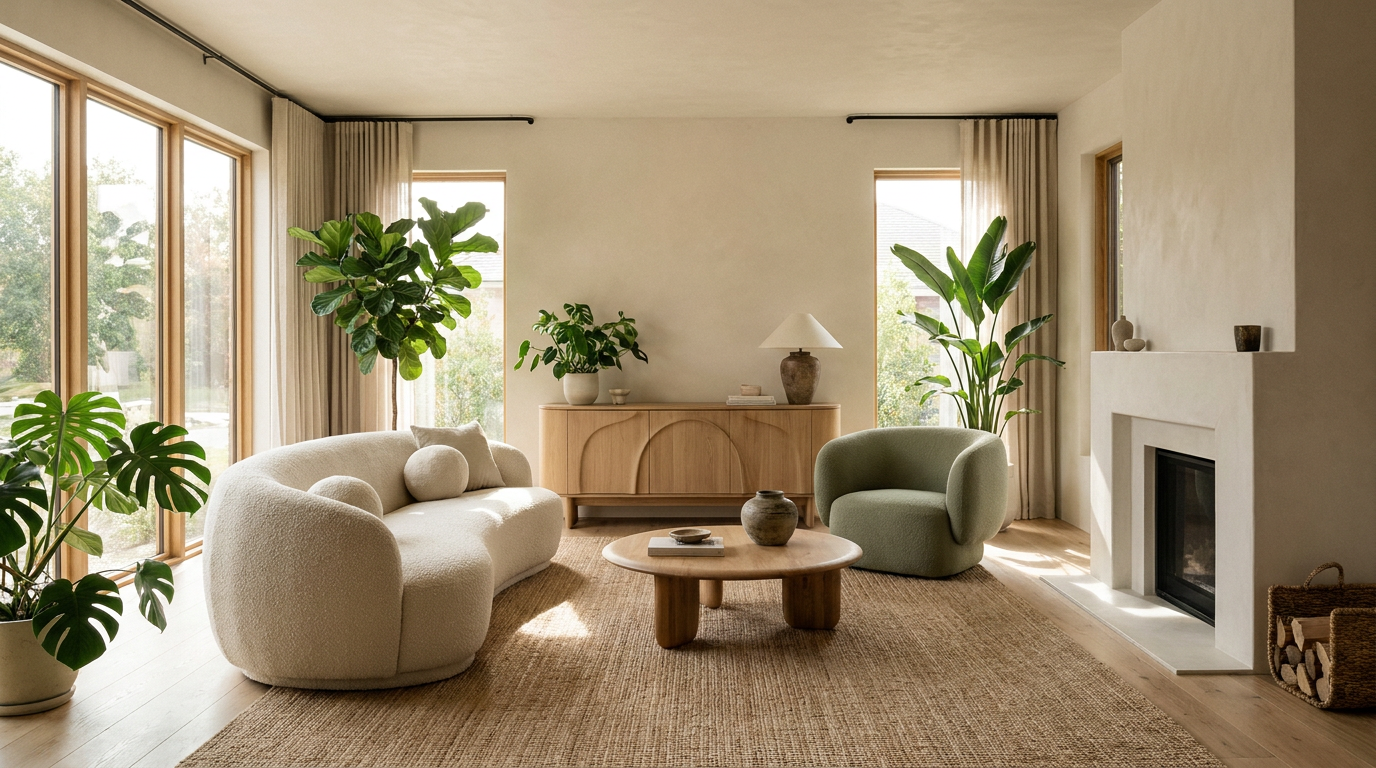
Beyond illumination, the physical geometry of a room profoundly influences human cognition. The brain processes spatial flow and shapes in ways that dictate our mental state. For instance, fMRI studies have shown that curvilinear spaces and rounded furniture activate the brain regions associated with comfort and reward. Sharp angles and rigid grids, while visually striking, require more cognitive effort to process and can subtly elevate baseline stress.[3]
Even the vertical dimensions of a room play a role in shaping thought patterns. Research into neuroarchitecture indicates that ceiling height directly impacts how we process information. High, expansive ceilings encourage abstract, creative, and expansive thinking, making them ideal for collaborative spaces or art studios. In contrast, lower ceilings promote focus and detail-oriented work, creating an intimate atmosphere suited for reading nooks or analytical tasks.[4]

Even the vertical dimensions of a room play a role in shaping thought patterns.
Perhaps the most universally effective application of neuroaesthetics is biophilic design—the intentional integration of natural elements into the built environment. Evolutionary biology suggests that humans possess an innate affinity for living systems, a concept known as biophilia. When we are deprived of nature, our baseline stress increases; when we are reconnected with it, our cognitive load lightens.[2]
Biophilic design extends far beyond simply placing a potted plant in a corner. It encompasses maximizing views of greenery, incorporating water features, and utilizing organic materials. The somatosensory cortex, which processes tactile information, responds highly favorably to natural textures like wood, stone, and woven fabrics. These materials stimulate feelings of warmth and belonging, sharply contrasting with the alienating effect of overly sterile, synthetic surfaces.[3]
The auditory environment is equally critical to the neuroaesthetic experience. The brain is constantly monitoring background noise for potential threats. Unpredictable or harsh acoustics elevate cortisol and maintain the body in a heightened state of alertness. Conversely, pleasant ambient sounds—such as the gentle rustle of leaves or the murmur of a water feature—mask disruptive noises and significantly improve concentration and emotional stability.[1]
The most compelling evidence for the power of neuroarchitecture comes from the healthcare sector. A recent systematic review analyzed the impact of biophilic design in hospitals, yielding striking results. Patients in rooms with natural light and views of nature required less pain medication, experienced lower mortality rates, and recovered faster than those in standard clinical rooms. The design of the healing environment actively participated in the healing process itself.[2]

These principles are also reshaping educational and corporate environments. In schools, classrooms designed with dynamic daylighting and warm wooden finishes have been shown to enhance student concentration and emotional stability. In the workplace, employees in biophilic offices report significantly higher productivity, lower fatigue, and reduced absenteeism. By aligning the workspace with human biology, organizations are fostering collective resilience and creativity.[3]
While the data is heavily drawn from institutional settings, the democratization of neuroaesthetics means these concepts are increasingly being applied to everyday homes. Interior designers are now prioritizing sensory balance, ensuring that residential spaces offer a refuge from the sensory overload of modern urban life. Simple adjustments, such as optimizing furniture layouts for intuitive movement or selecting color palettes that soothe the nervous system, can profoundly improve daily well-being.[6]
Looking forward, the intersection of technology and neuroarchitecture promises even more responsive environments. Researchers envision a future where spaces adapt in real-time to the physiological needs of their occupants. Using biometric sensors and artificial intelligence, a room could automatically adjust its lighting temperature, acoustic dampening, and even ambient scent based on the user's heart rate or stress levels, creating a perfectly calibrated sanctuary.[4]

Ultimately, the rise of neuroaesthetics serves as a powerful reminder that architecture is never neutral. Every design decision—from the texture of a floorboard to the angle of a wall—sends a continuous stream of data to the human brain. By embracing the science of space, we have the unprecedented opportunity to craft environments that do more than merely shelter us; they can actively nurture our minds, elevate our spirits, and enhance our fundamental quality of life.[6]
How we got here
Late 20th Century
Environmental psychology begins linking the built environment to human behavior and stress levels.
Early 2000s
The Academy of Neuroscience for Architecture is founded, formalizing the study of how buildings affect the brain.
2010s
Advances in fMRI and EEG technology allow researchers to measure real-time biological responses to spatial design.
2020s
The COVID-19 pandemic accelerates demand for biophilic and wellness-focused interiors as people spend more time indoors.
2024–2026
Major clinical reviews confirm that neuroarchitectural principles significantly improve patient recovery and workplace productivity.
Viewpoints in depth
The Scientific Consensus
Researchers view the built environment as a measurable biological stimulus.
For neuroscientists, a room is not just a collection of objects; it is a complex array of sensory inputs that the brain must constantly process. By utilizing fMRI and EEG technology, researchers have moved the conversation from subjective preference to objective biology. They argue that because spatial stimuli directly impact the limbic system and cortisol production, the design of our environments should be treated with the same scientific rigor as nutrition or sleep hygiene.
The Design Industry's Shift
Architects and interior designers are evolving from decorators to wellness practitioners.
The design community is increasingly embracing evidence-based practices, moving away from fleeting aesthetic trends. Practitioners argue that their role is fundamentally changing; they are now responsible for the cognitive and emotional well-being of the occupants. By integrating biophilic elements, optimizing spatial flow, and prioritizing natural light, designers are proving that beautiful spaces can also serve as active tools for stress reduction and productivity enhancement.
Public Health Perspective
Advocates emphasize the need for equitable access to psychologically supportive spaces.
Public health experts view neuroarchitecture through the lens of preventive healthcare and collective resilience. They point out that while high-end corporate offices and private hospitals are reaping the benefits of biophilic design, these principles must be democratized. Advocates argue that integrating nature, proper lighting, and acoustic balance into public schools, affordable housing, and community centers is essential for addressing the modern epidemic of chronic stress and anxiety.
What we don't know
- How long-term exposure to highly optimized neuroaesthetic environments alters baseline brain chemistry over decades.
- The exact threshold of natural elements required to trigger a measurable biological response in highly urbanized populations.
- How the integration of AI and real-time biometric sensors in home design will impact personal privacy.
Key terms
- Neuroaesthetics
- The scientific study of how aesthetic experiences, such as art and spatial design, affect the human brain and nervous system.
- Biophilia
- The innate human instinct to connect with nature and other living systems.
- Limbic System
- A complex system of nerves and networks in the brain responsible for basic emotions, survival instincts, and memory.
- Somatosensory Cortex
- The region of the brain that processes tactile sensory input, such as the texture of wood or stone.
- Circadian Rhythm
- The natural, internal process that regulates the sleep-wake cycle, heavily influenced by exposure to natural light.
Frequently asked
What is the difference between interior design and neuroaesthetics?
Traditional interior design often relies on intuition and visual trends. Neuroaesthetics uses scientific data, such as brain scans, to measure exactly how spatial choices affect human biology and mental health.
How does ceiling height affect the brain?
Research shows that high ceilings encourage expansive, creative, and abstract thinking. Conversely, lower ceilings help the brain focus, making them better suited for detail-oriented tasks.
What is biophilic design?
Biophilic design is the practice of incorporating natural elements—like sunlight, plants, water features, and organic textures—into built environments to reduce stress and improve cognitive function.
Can the shape of furniture impact my mood?
Yes. fMRI studies indicate that curvilinear shapes and rounded edges activate the brain's pleasure and reward centers, while sharp angles require more cognitive effort to process.
Sources
Source coverage
6 outlets
3 viewpoints surfaced






[1]Science in DesignArchitects & Designers
Neuroaesthetics: The Convergence of Neuroscience and Aesthetics
Read on Science in Design →[2]Global Wellness InstituteNeuroscientists & Researchers
Biophilic Design Positively Impacts Physical and Mental Wellbeing
Read on Global Wellness Institute →[3]Pearl AcademyArchitects & Designers
Neuroaesthetics: How Interior Design Influences Mental Well-Being
Read on Pearl Academy →[4]Architect-USArchitects & Designers
Neuroarchitecture: How the Built Environment Shapes the Mind
Read on Architect-US →[5]DepthONeuroscientists & Researchers
Brain, Emotion, and Design: Toward Holistic Health in Built Spaces
Read on DepthO →[6]Factlen Editorial TeamPublic Health Advocates
Synthesis by Factlen editorial team
Read on Factlen Editorial Team →
More in home
See all 31 stories →Micro-Decluttering
The Science of Zone-Based Organization: Why 'Micro-Decluttering' is Replacing the Weekend Purge
7 sources
Biological Cleaning
The Science of Enzymatic Cleaners: How Biological Cleaning Actually Works
7 sources

Neuroaesthetics
How Neuroaesthetics is Turning Interior Design Into a Science of Well-Being
8 sources
Furniture Craftsmanship
Beyond Fast Furniture: How to Identify High-Quality Wood and Joinery That Lasts Generations
8 sources

Every angle. Every day.
Get home stories with full source coverage and perspective breakdowns delivered to your inbox.