
The Physical Music Revival: How Gen Z and the 'Superfan' Economy Are Reshaping Artist Revenue in 2026
Driven by younger listeners seeking tangible connections, physical music formats like vinyl and CDs are experiencing a massive resurgence. This shift is empowering independent artists to bypass low streaming payouts through high-margin, direct-to-fan sales.

The digital age promised the end of physical media, but 2026 is proving the opposite. A profound shift is underway in how listeners consume music, driven by a desire for ownership and tangible connection over the convenience of endless digital renting.
The catalyst for this industry-wide realization is the newly released IFPI Global Music Report, which confirmed that physical music formats are not just surviving—they are thriving. Global recorded music revenues hit an impressive $31.7 billion, and physical formats saw a robust 8.0% growth worldwide.[1]
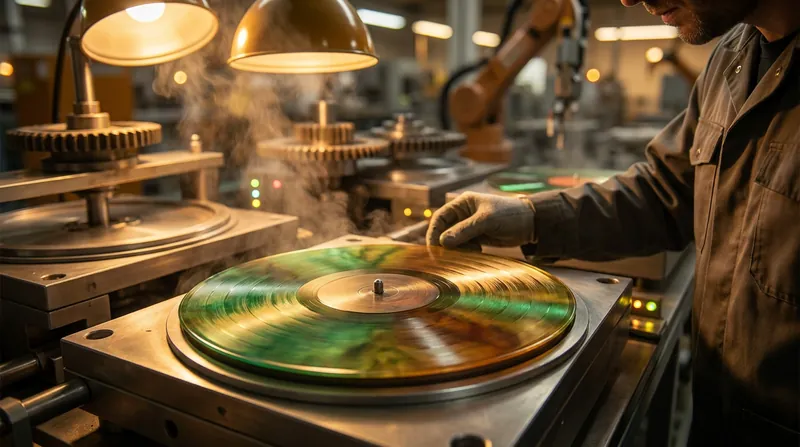
Vinyl records, the long-standing champion of the physical revival, marked their nineteenth consecutive year of growth, surging by 13.7%. But the real surprise of 2026 is the rapid, sustained comeback of the Compact Disc, a format many assumed was permanently obsolete.[1]
Industry analysts note that this resurgence is not fueled by older generations clinging to nostalgia. Instead, Gen Z and Gen Alpha are leading the charge. Recent demographic data indicates that nearly 46% of Gen Alpha listeners are already actively engaging with physical music formats.
For younger listeners, physical media represents a rebellion against the ephemeral nature of streaming. In an era of algorithmic playlists and widespread subscription fatigue, holding a CD or dropping a needle on a record offers a deliberate, focused listening experience that cannot be replicated by a smartphone app.
This shift is fundamentally reshaping the economics of the music industry, creating what executives are calling the "superfan economy." Fans are no longer satisfied with merely renting access to a massive catalog; they want to invest deeply in the artists they love and display that fandom physically.[3]
Major labels and independent distributors alike are capitalizing on this trend by offering deluxe editions, multi-version releases, and collector-focused packaging. While mega-stars laid the groundwork for this strategy, the model has now successfully trickled down to independent and emerging acts.
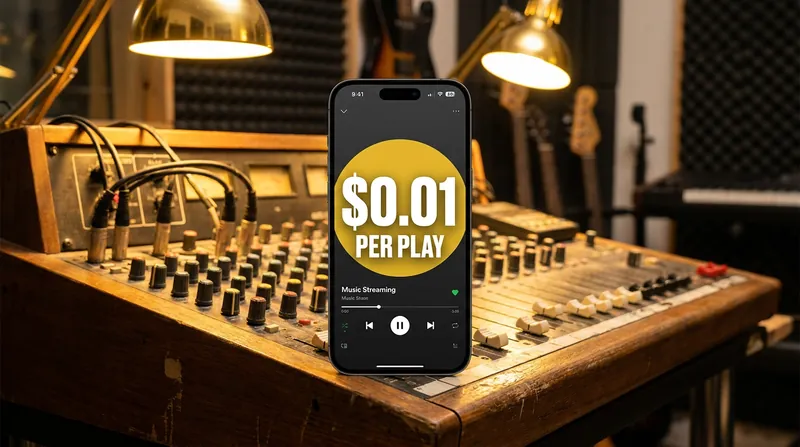
For independent musicians, the physical revival is nothing short of a financial lifeline. While streaming remains the dominant engine for audience discovery, its payout model—often hovering around $0.003 to $0.005 per stream—requires massive, viral scale to generate a livable wage.[2]
Direct-to-fan sales of physical media flip this economic equation entirely. Selling a limited-edition vinyl record or a bundled CD directly to a supporter yields a profit margin that would otherwise require hundreds of thousands of digital plays on major streaming platforms.[2]
Platforms that facilitate these direct transactions are seeing explosive growth. By cutting out traditional retail intermediaries, artists can build sustainable, middle-class careers based on a few thousand dedicated superfans rather than endlessly chasing fleeting viral moments on social media.[2]
The trend is also revitalizing local music ecosystems. Independent record stores are transforming from simple retail outlets into experiential community hubs, hosting intimate performances, listening parties, and exclusive physical drops that foster organic, real-world connections.
Furthermore, the physical music boom is serving as a cultural pushback against the encroaching influence of artificial intelligence in music creation. As AI-generated tracks flood digital streaming platforms, listeners are placing a premium on human authenticity, which physical media inherently signals.
Looking ahead, the music industry in 2026 is settling into a healthy, bifurcated hybrid model. Streaming serves as the top-of-funnel discovery mechanism, while physical formats and direct-to-fan experiences serve as the core monetization engine for creators.
This dual approach empowers artists to take unprecedented control of their careers. By diversifying their income streams and fostering genuine communities, musicians are finding that they no longer need to rely solely on the unpredictable whims of streaming algorithms to survive.[2]
Ultimately, the return of physical media is a victory for both the creators and the audience. It restores the perceived value of recorded music, proving that even in a hyper-digital world, the human desire for a tangible, meaningful connection to art remains unbreakable.
Key points
- Global recorded music revenues reached $31.7 billion, driven by a hybrid of streaming and physical sales.
- Physical music formats grew by 8.0% globally, with vinyl marking its 19th consecutive year of growth.
- Nearly 46% of Gen Alpha listeners are now engaging with physical music formats like CDs and vinyl.
- Independent artists are leveraging direct-to-fan physical sales to bypass low streaming payouts and build sustainable careers.
What we don’t know
- It remains unclear if the manufacturing infrastructure for vinyl and CDs can scale sufficiently to meet the surging global demand without causing severe production bottlenecks.
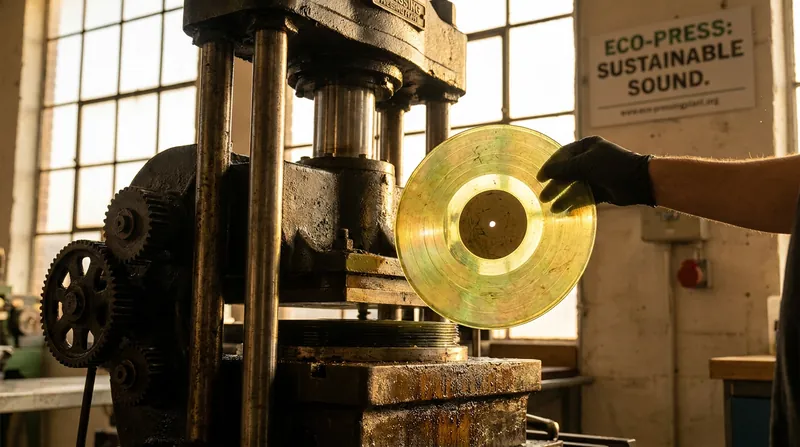
- The long-term environmental impact of producing millions of physical records and CDs is still being debated, prompting calls for more sustainable manufacturing materials.
- It is unknown whether streaming platforms will eventually increase their per-stream payouts in response to artists shifting their focus toward physical sales.
How we got here
2006
Vinyl records begin their long, slow resurgence after nearly being eradicated by CDs and digital downloads.
2023
Tidal and other platforms begin experimenting with 'artist-centric' royalty models to address the inequities of the streaming economy.
2024
Major pop artists normalize the release of multiple deluxe physical variants for a single album, supercharging the collector market.
2025
Global recorded music revenues hit $31.7 billion, with physical formats showing robust growth across all major regions.
March 2026
The IFPI releases its Global Music Report, officially confirming the sustained, multi-format physical revival driven by younger generations.
- Independent Artists & Labels
- Focuses on direct revenue, escaping the streaming algorithm trap, and building sustainable careers through direct-to-fan sales.
- Industry Executives
- Focuses on overall market growth, the monetization of the 'superfan,' and the data showing physical media's resurgence.
- Audiophiles & Collectors
- Focuses on the tangible experience, ownership, sound quality, and the rebellion against subscription fatigue.
Perspectives this story doesn't cover
- Environmental advocates concerned about the plastic waste generated by physical media production
- Executives at major streaming platforms facing pushback on their payout models
Sources
Source coverage
3 outlets
3 viewpoints surfaced



- [1]IFPIIndustry Executives
GLOBAL MUSIC REPORT 2026: GLOBAL RECORDED MUSIC REVENUES GROW 6.4%
Read on IFPI → - [2]LyraIndependent Artists & Labels
How Independent Artists Can Monetize Music in 2026
Read on Lyra → - [3]Music WeekIndustry Executives
IFPI Global Music Report: Execs talk AI licensing, superfans and why language is no barrier to hits
Read on Music Week →
More in Entertainment
See all →AI Music Rights
Music Industry Draws Hard Line on AI as Creators Demand Consent and Labels Acquire Tracking Tech
6 sources
Eco-Vinyl
The Music Industry's Green Revolution: Bioplastic Vinyl Reaches Mass Production
6 sources
Sustainable Audio
The Music Industry's 'Green Vinyl' Breakthrough: Sugarcane Records Lead a Sustainable Shift
3 sources
Sustainable Music
The Vinyl Revival Finally Goes Green: Inside the Music Industry's Shift to 'Eco-Vinyl'
4 sources
Comments
Every angle. Every day.
Get Entertainment stories with full source coverage and perspective breakdowns, free every day.