
The Evidence on Healthspan: Which Longevity Interventions Actually Work?
While the anti-aging industry promotes a dizzying array of supplements and experimental therapies, the strongest scientific evidence for extending healthy years remains anchored in specific metabolic and physical interventions.
By Factlen Editorial Team

- Lifestyle Traditionalists
- Emphasize that rigorous exercise, muscle preservation, and dietary patterns are the only definitively proven methods to extend human healthspan.
- Geroscience Optimists
- Argue that targeting the biological hallmarks of aging with molecules like Rapamycin will soon yield pharmaceutical breakthroughs that fundamentally alter human aging.
- Evidence-Based Skeptics
- Caution against the premature adoption of off-label drugs and supplements, highlighting the lack of long-term human clinical trials and the failure of mouse models to translate to humans.
What's not represented
- · Regulatory Agencies (FDA)
- · Health Insurance Providers
Why this matters
Separating proven longevity science from marketing hype empowers you to invest your time and resources into interventions that genuinely protect your cellular health, cognitive function, and physical independence as you age.
Key points
- Cardiorespiratory fitness (VO2 max) is the strongest known predictor of human longevity.
- Preserving muscle mass through resistance training protects against metabolic dysfunction and frailty.
- While Metformin shows promise in diabetics, its anti-aging benefits for healthy adults are increasingly contested.
- Rapamycin consistently extends lifespan in animal models, but human trials for longevity are still in early stages.
- Many popular longevity supplements lack robust human clinical data proving they extend lifespan.
For decades, the medical establishment viewed aging as an inevitable, one-way street of cellular decline. Today, a profound paradigm shift is underway in geroscience. Researchers are no longer solely focused on extending lifespan—the total number of years lived—but are instead optimizing for 'healthspan,' the period of life spent free from chronic disease and physical limitation. This shift has transformed aging from a passive experience into a modifiable biological process, sparking a multi-billion-dollar industry of interventions ranging from simple lifestyle protocols to experimental pharmaceuticals.[1][2]
To understand what actually works, scientists have mapped the 'Hallmarks of Aging,' a consensus framework detailing the underlying mechanisms of cellular deterioration. These hallmarks include genomic instability, telomere attrition, mitochondrial dysfunction, and cellular senescence—the accumulation of 'zombie cells' that secrete inflammatory compounds. By targeting these specific biological pathways, researchers aim to slow the aging process at its root, rather than merely treating the downstream diseases like diabetes, Alzheimer's, and cardiovascular failure.[3]
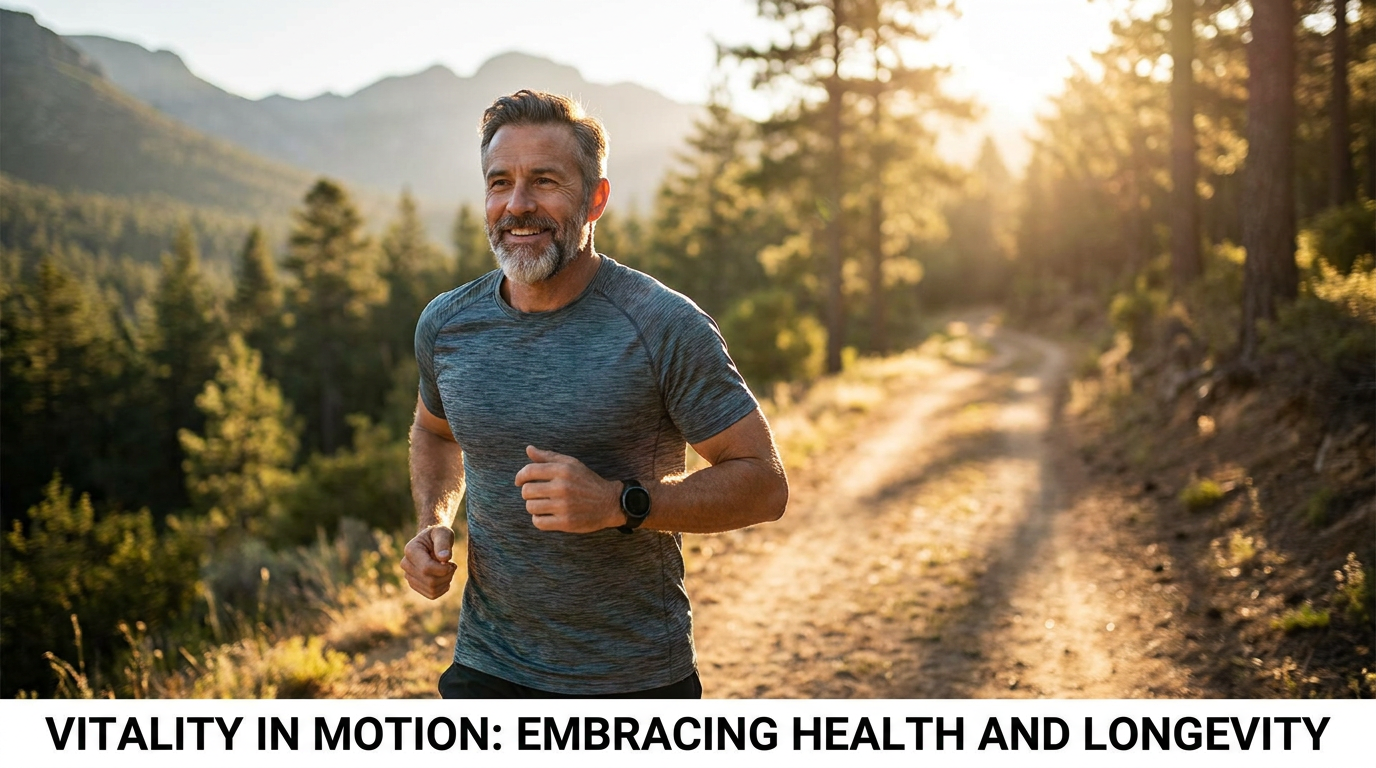
When evaluating the evidence, the most potent longevity drug currently known to science is not a pill, but cardiorespiratory fitness. Clinical data consistently shows that a high VO2 max—the maximum rate at which the heart, lungs, and muscles can effectively use oxygen during exercise—is the single strongest predictor of longevity. Individuals in the top tier of cardiorespiratory fitness demonstrate a staggering 40 to 50 percent reduction in all-cause mortality compared to those in the lowest tier, a protective effect that vastly outperforms any known pharmaceutical intervention.[5]

The mechanism behind this cardiovascular protection is deeply cellular. Sustained aerobic exercise, particularly 'Zone 2' training—working at a moderate intensity where you can still hold a conversation—stimulates mitochondrial biogenesis. This process forces the body to clear out old, dysfunctional mitochondria and generate fresh, highly efficient ones. Because mitochondrial dysfunction is a primary hallmark of aging, maintaining a robust mitochondrial network through consistent aerobic training directly counteracts cellular decline.[3][5]
Equally critical to the longevity equation is the preservation of skeletal muscle mass through resistance training. Muscle is not merely a mechanical tissue for movement; it is a highly active endocrine organ and the body's primary metabolic sink for glucose. As we age, we naturally lose muscle mass and strength—a condition known as sarcopenia—which leads to frailty, falls, and severe metabolic dysfunction. Preserving muscle through heavy resistance training acts as a metabolic shield, dramatically lowering the risk of insulin resistance and type 2 diabetes.[2][5]

Beyond physical training, nutritional interventions offer the second most validated pathway to extending healthspan. Extensive epidemiological data confirms that adherence to dietary patterns rich in whole plants, lean proteins, and healthy fats—such as the Mediterranean diet—significantly reduces the risk of total and cause-specific mortality. These diets lower systemic inflammation and provide the micronutrients necessary for optimal cellular repair, serving as a foundational baseline for healthy aging.[8]
More aggressively, caloric restriction and intermittent fasting have shown remarkable lifespan extensions in animal models, primarily by triggering a cellular cleanup process called autophagy. During periods of nutrient scarcity, cells break down and recycle damaged proteins and organelles. However, translating these findings to humans has proven complex. While time-restricted eating improves metabolic markers like insulin sensitivity in humans, it remains unclear whether it extends maximum lifespan or simply prevents the premature mortality associated with obesity and overconsumption.[4]
During periods of nutrient scarcity, cells break down and recycle damaged proteins and organelles.
In the realm of pharmacological interventions, the diabetes drug Metformin has long been heralded as a potential anti-aging miracle. Observational studies initially suggested that diabetics taking Metformin lived longer than non-diabetics not taking the drug. Metformin works by activating AMPK, an enzyme that mimics the metabolic effects of caloric restriction, leading to improved cellular energy regulation and reduced inflammation.[6]
However, the clinical evidence for Metformin as a longevity agent in healthy, non-diabetic adults is increasingly contested. Recent rigorous reviews indicate that while Metformin is highly effective at managing blood glucose in metabolically compromised individuals, its benefits do not necessarily translate to healthy aging populations. In fact, some studies suggest Metformin may blunt the positive muscular and mitochondrial adaptations gained from aerobic and resistance exercise, prompting many longevity clinicians to pull back on prescribing it to healthy, active patients.[1][6]
The most promising pharmacological candidate currently under investigation is Rapamycin, an immunosuppressant originally discovered in the soil of Easter Island. Rapamycin directly inhibits mTOR (mechanistic target of rapamycin), a protein complex that acts as the cell's central nutrient sensor. When mTOR is inhibited, the cell shifts from a state of growth and proliferation into a state of repair and autophagy, effectively slowing the biological clock.[7]
In laboratory settings, Rapamycin is the only molecule proven to consistently extend maximum lifespan across multiple species, including yeast, worms, flies, and mice—often increasing murine lifespan by up to 20 percent. This robust cross-species efficacy has electrified the geroscience community, leading to a surge of off-label use among longevity enthusiasts who take the drug in low, intermittent doses to minimize its immunosuppressive side effects.[7]

Despite the immense promise of mTOR inhibition, human clinical trials for Rapamycin as a generalized anti-aging therapeutic remain in their infancy. The primary hurdle is safety; chronic mTOR inhibition can lead to insulin resistance, lipid dysregulation, and a compromised immune system. Researchers are currently racing to develop 'rapalogs'—analogues of Rapamycin—that capture the longevity benefits of mTOR inhibition without the associated toxicity, but these compounds are still years away from widespread clinical approval.[1][7]
Meanwhile, the consumer market is flooded with longevity supplements, most notably NAD+ precursors like NMN and NR, as well as Resveratrol. NAD+ is a crucial coenzyme for cellular energy production that declines with age. While supplementing these compounds successfully restores NAD+ levels and improves health markers in mice, robust, large-scale human trials have yet to demonstrate significant clinical benefits for lifespan extension or disease prevention in healthy adults.[1][3]
This highlights the central tension in modern longevity science: the vast gulf between curing aging in a mouse and altering the trajectory of human biology. Mice have very different metabolic rates, telomere dynamics, and evolutionary pressures than humans. Interventions that yield miraculous results in short-lived rodents often fail to replicate in complex, long-lived human systems, underscoring the need for rigorous, decades-long human clinical trials.[1][2]

Ultimately, the immediate future of longevity medicine is not about achieving immortality, but about 'squaring the curve' of human life. By aggressively applying the proven interventions—optimizing VO2 max, building muscle mass, and maintaining metabolic health through diet—individuals can dramatically compress the period of morbidity at the end of life. The science is clear: the most effective tools for extending healthspan are already in our hands, requiring discipline and effort rather than a prescription pad.[1][2][5]
How we got here
1930s
Researchers first discover that severe caloric restriction extends the lifespan of laboratory mice.
2009
A landmark study demonstrates that Rapamycin extends the maximum lifespan of mice, even when administered late in life.
2013
Scientists publish 'The Hallmarks of Aging,' establishing a consensus framework for the biological mechanisms of cellular decline.
2026
Clinical focus shifts heavily toward lifestyle interventions as pharmaceutical trials struggle to translate mouse data into safe human therapeutics.
Viewpoints in depth
Lifestyle Traditionalists
This camp argues that the fundamentals of exercise and diet remain the only proven longevity tools.
Researchers and clinicians in this camp emphasize that no pill can replicate the systemic benefits of physical exertion. They point to overwhelming epidemiological data showing that high cardiorespiratory fitness and maintained muscle mass drastically reduce all-cause mortality. For this group, the pursuit of experimental pharmaceuticals is often a distraction from the difficult but guaranteed benefits of consistent Zone 2 cardio, heavy resistance training, and whole-food dietary patterns.
Geroscience Optimists
This camp believes that targeting the biological roots of aging will yield transformative medical breakthroughs.
Optimists focus on the molecular level, arguing that lifestyle interventions only optimize the current human hardware, whereas pharmacological tools like mTOR inhibitors and senolytics could fundamentally upgrade it. They point to the unprecedented success of Rapamycin in extending the lifespan of every model organism tested. This camp advocates for aggressive funding and accelerated human trials, believing that aging itself will soon be classified and treated as a curable disease.
Evidence-Based Skeptics
This camp cautions against the hype surrounding longevity supplements and off-label drug use.
Skeptics highlight the 'translation gap'—the reality that 90% of drugs that work in mice fail in humans. They are particularly critical of the widespread consumer use of Metformin, NAD+ boosters, and Resveratrol, noting that rigorous human randomized controlled trials have repeatedly failed to show significant lifespan extension or disease prevention in healthy adults. They advocate for strict regulatory oversight and warn that some interventions, like chronic antioxidant supplementation, may actually interfere with the body's natural stress-response mechanisms.
What we don't know
- Whether intermittent fasting extends maximum human lifespan, or merely improves metabolic health in the short term.
- If the profound lifespan extensions seen with Rapamycin in mice can be safely replicated in humans without severe immunosuppression.
- The long-term effects of taking NAD+ precursors and other novel longevity supplements over decades.
Key terms
- Healthspan
- The period of a person's life during which they are generally healthy and free from serious or chronic illness.
- VO2 Max
- The maximum amount of oxygen the body can utilize during intense exercise, serving as a primary indicator of cardiovascular fitness and longevity.
- Sarcopenia
- The age-related, involuntary loss of skeletal muscle mass and strength, which significantly increases the risk of frailty and metabolic disease.
- mTOR Pathway
- A central cellular signaling pathway that regulates cell growth, proliferation, and survival in response to nutrients; inhibiting it is a major target for anti-aging therapies.
- Autophagy
- A cellular recycling process where cells break down and clear out damaged proteins and organelles, often triggered by fasting or exercise.
- Cellular Senescence
- A state in which cells stop dividing but do not die, instead secreting inflammatory compounds that accelerate tissue aging.
Frequently asked
What is the difference between lifespan and healthspan?
Lifespan is the total number of years a person lives. Healthspan is the portion of those years spent in good health, free from chronic disease and physical disability.
Does Metformin work for anti-aging in healthy people?
Current clinical evidence suggests Metformin is highly effective for diabetics, but its anti-aging benefits for healthy, active adults are unproven and it may even interfere with exercise adaptations.
What is Zone 2 cardio?
Zone 2 cardio is steady-state aerobic exercise performed at a moderate intensity where you can still hold a conversation. It is highly effective at building mitochondrial density and efficiency.
Is Rapamycin safe for humans to take for longevity?
Rapamycin is an FDA-approved immunosuppressant for organ transplants, but its use for longevity is strictly off-label and experimental. Chronic use can cause immune suppression and metabolic issues.
Sources
Source coverage
8 outlets
3 viewpoints surfaced








[1]Factlen Editorial TeamEvidence-Based Skeptics
Synthesis by Factlen editorial team
Read on Factlen Editorial Team →[2]National Institute on AgingLifestyle Traditionalists
What Do We Know About Healthy Aging?
Read on National Institute on Aging →[3]Nature MedicineGeroscience Optimists
The hallmarks of aging: expanding the framework
Read on Nature Medicine →[4]Cell MetabolismEvidence-Based Skeptics
Intermittent fasting and healthspan: translating findings from animal models to humans
Read on Cell Metabolism →[5]Journal of the American College of CardiologyLifestyle Traditionalists
Cardiorespiratory Fitness and Mortality Risk Across the Spectrum of Age and Sex
Read on Journal of the American College of Cardiology →[6]The Lancet Healthy LongevityEvidence-Based Skeptics
Metformin and aging: a critical review of the clinical evidence
Read on The Lancet Healthy Longevity →[7]ScienceGeroscience Optimists
mTOR inhibition and lifespan extension: mechanisms and translational prospects
Read on Science →[8]JAMA Internal MedicineLifestyle Traditionalists
Healthy Eating Patterns and Risk of Total and Cause-Specific Mortality
Read on JAMA Internal Medicine →


Every angle. Every day.
Get health stories with full source coverage and perspective breakdowns delivered to your inbox.