
The 2026 US-Iran Security Pact: Mechanisms, Regional Impact, and Enforcement
A newly implemented diplomatic agreement between the United States and Iran aims to cap nuclear enrichment and limit regional proxy conflicts in exchange for targeted sanctions relief.
By Factlen Editorial Team
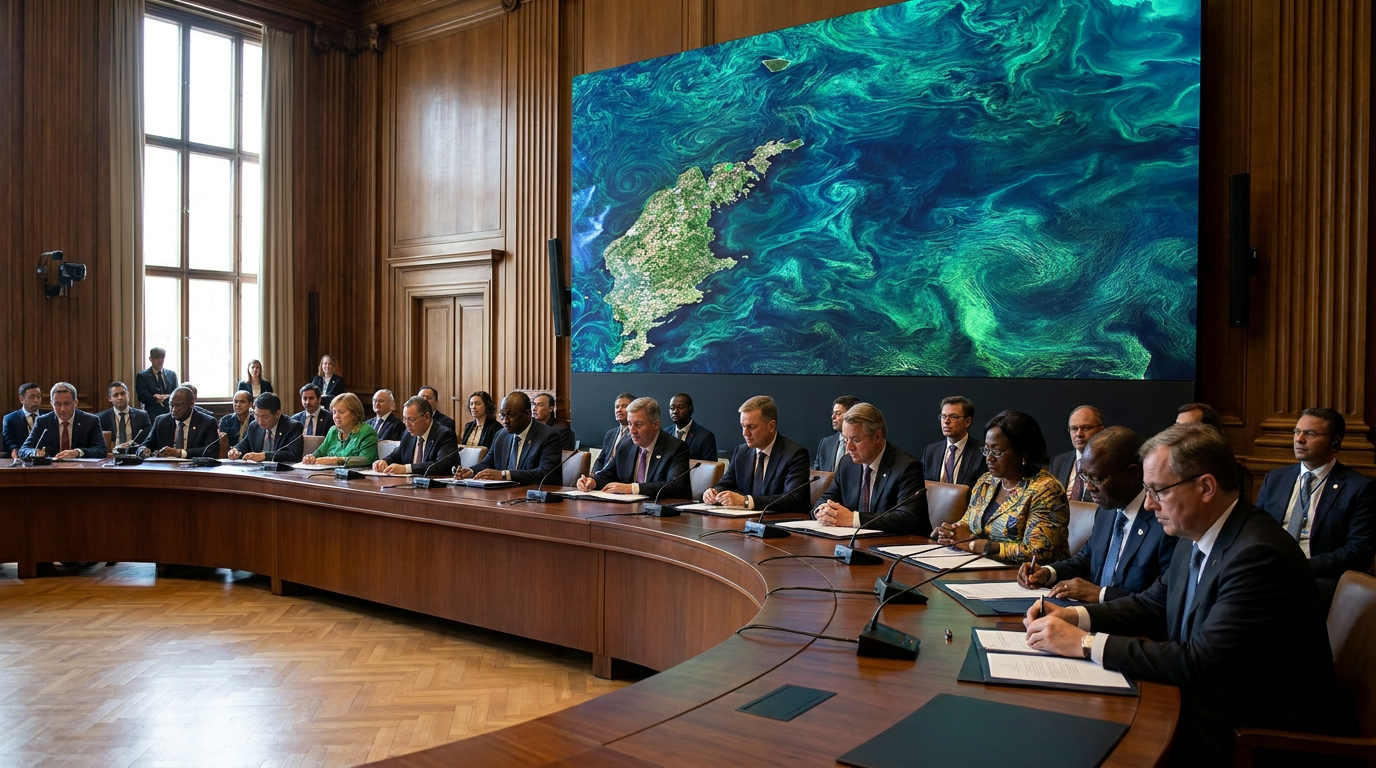
- Diplomatic Proponents
- Argue the deal is a necessary pragmatic step to prevent a nuclear arms race and stabilize global energy markets.
- Regional Skeptics
- Warn that unfreezing assets will fund proxy militias and that Iran cannot be trusted to self-regulate its regional network.
- Humanitarian Focus
- Prioritize the immediate de-escalation of violence to allow displaced civilians to return home and rebuild.
- Iranian Hardliners
- View the agreement as a capitulation to Western demands that surrenders national sovereignty and leverage.
What's not represented
- · Lebanese civilians caught in the crossfire
- · Gulf Arab states relying on the Strait of Hormuz
Why this matters
This agreement represents the most significant shift in Middle Eastern geopolitics in a decade. If successful, it could lower global energy costs and prevent a broader regional war, but its failure could trigger an unprecedented nuclear arms race and further destabilize the Levant.
Key points
- The US and Iran have agreed to a security pact capping nuclear enrichment in exchange for targeted sanctions relief.
- The deal includes a 'snapback' mechanism to instantly reinstate sanctions if compliance is breached.
- Thousands of displaced Lebanese citizens are returning home, though Israel maintains its military presence in the south.
- The agreement faces intense domestic opposition from both US congressional hawks and Iranian hardliners.
The signing of the 2026 US-Iran security pact has triggered immediate, tangible shifts across the Middle East, most visibly in southern Lebanon. Thousands of displaced Lebanese citizens have begun rushing back to their devastated homes following the announcement of the deal, hoping the diplomatic breakthrough signals an end to the immediate threat of a broader regional war.[2]
The agreement, negotiated over several months of back-channel diplomacy, centers on a core exchange: the United States will provide targeted relief from economic sanctions in return for Iran capping its uranium enrichment program and actively curtailing the military operations of its regional proxy network.[5][8]
Understanding the mechanism of this deal requires looking at the specific enforcement triggers. Unlike previous treaties, this pact relies on a phased, compliance-based release of frozen Iranian assets, currently held in third-party international banks. Funds are only disbursed after the International Atomic Energy Agency (IAEA) verifies that enrichment levels remain below the 60% threshold.[5]

The geopolitical ripple effects are complex, particularly regarding Israel. While the US and Iran have reached an understanding, Israel is not a signatory to the pact. Israeli defense officials have explicitly stated that the agreement will not end their military occupation and ongoing security operations in southern Lebanon, which they view as necessary to dismantle remaining militant infrastructure.[2][7]
This creates a volatile environment for the returning Lebanese civilians. They are navigating a landscape where the overarching geopolitical tension has cooled, but localized military engagements and unexploded ordnance remain a daily reality. Humanitarian organizations are scrambling to provide aid in areas where infrastructure has been entirely leveled.[2][7]

Inside Iran, the deal has exposed deep factional divides. Moderate politicians and reformists have championed the agreement as a necessary step to rescue the nation's struggling economy, arguing that sanctions relief is the only path to domestic stability and international reintegration.[1]
Conversely, Iranian hardliners and elements of the Islamic Revolutionary Guard Corps (IRGC) have voiced fierce opposition. They frame the concessions on nuclear development and regional influence as a capitulation to Western pressure, warning that the US cannot be trusted to honor its financial commitments over the long term.[1]
Conversely, Iranian hardliners and elements of the Islamic Revolutionary Guard Corps (IRGC) have voiced fierce opposition.
In the United States, the political reception is equally fractured. The administration faces intense scrutiny from congressional hawks who argue that unfreezing assets will inadvertently fund the very proxy groups the deal aims to suppress, demanding strict oversight of every dollar released.[6]
This domestic US debate is already shaping the upcoming political cycle. Figures like Vice President JD Vance have publicly questioned the administration's broader strategy regarding the "war with Iran," reflecting a deep-seated skepticism among conservatives about any diplomatic engagement with Tehran.[3]
The economic markets, however, have responded with cautious optimism. Global energy prices experienced an immediate recalibration, with Brent crude stabilizing around $82 per barrel as traders priced out the immediate risk of a supply disruption in the Strait of Hormuz.[4]

A critical component of the explainer is the "snapback" mechanism. If the IAEA reports a violation of the nuclear caps, or if US intelligence confirms direct Iranian funding of designated terrorist organizations, the suspended sanctions automatically snap back into place without requiring a new United Nations Security Council vote.[8]
The primary uncertainty lies in the proxy enforcement clause. The pact requires Tehran to rein in allied militias across Iraq, Syria, and Yemen. However, intelligence analysts question whether Iran possesses the absolute command-and-control necessary to halt all autonomous actions by these decentralized groups.[5][8]
European leaders have cautiously welcomed the de-escalation framework. Nations like the Netherlands, which have been experiencing intense domestic debates over their shifting stances on Israel and Palestine, view the US-Iran pact as a necessary pressure valve for the broader Middle East.[7]
Ultimately, the success of the 2026 security pact hinges on the first 90 days of implementation. As IAEA inspectors expand their monitoring footprint and the first tranche of frozen funds is prepared for transfer, both Washington and Tehran are navigating a fragile diplomatic tightrope where a single miscalculation could collapse the entire framework.[5][8]

How we got here
Early 2026
Back-channel diplomatic negotiations intensify between US and Iranian representatives.
June 2026
The formal security pact is announced, capping enrichment at 60%.
Mid-June 2026
Displaced Lebanese citizens begin returning to southern Lebanon amid regional de-escalation.
Late 2026 (Projected)
First tranche of frozen Iranian assets to be released pending IAEA verification.
Viewpoints in depth
US Administration & Allied Diplomats
View the pact as a necessary pragmatic compromise to prevent a nuclear-armed Iran.
Proponents of the deal argue that maximum pressure campaigns have historically failed to halt Tehran's nuclear ambitions. By offering phased, verifiable sanctions relief, diplomats believe they have created a tangible incentive structure that caps enrichment at 60% and establishes a 15-year monitoring framework. They emphasize that the snapback mechanism ensures the US retains ultimate leverage if Iran reneges on its commitments.
Iranian Moderates
See the agreement as a vital lifeline for the country's struggling domestic economy.
For Iran's reformist and moderate political factions, the primary objective is economic survival. Years of heavy international sanctions have severely degraded the nation's infrastructure and purchasing power. Moderates argue that reintegrating into the global financial system, even partially, is worth the temporary concessions on nuclear development, framing the deal as a victory for Iranian diplomacy and civilian welfare.
Iranian Hardliners
Condemn the deal as a surrender of national sovereignty and strategic leverage.
Conservative factions and elements within the Islamic Revolutionary Guard Corps (IRGC) view the enrichment caps and proxy limitations as unacceptable capitulations. They argue that the United States has a history of abandoning international agreements and that trading permanent strategic assets for temporary financial relief leaves Iran vulnerable to future Western coercion.
Israeli Security Establishment
Maintains that the pact fails to address the immediate kinetic threat of proxy militias on its borders.
Israel, not being a party to the agreement, views the diplomatic framework with deep skepticism. Defense officials argue that unfreezing billions in Iranian assets will inevitably result in increased funding for groups like Hezbollah and Hamas. Consequently, Israel has stated it will not alter its military posture in southern Lebanon, insisting that direct kinetic action remains the only reliable method to ensure its national security.
What we don't know
- Whether Iran has the absolute command-and-control necessary to force its decentralized proxy militias to comply with the de-escalation terms.
- How US congressional opposition might attempt to block or delay the unfreezing of Iranian assets held in international banks.
- The extent to which Israel might launch unilateral military operations that could inadvertently trigger the pact's collapse.
Key terms
- Snapback Mechanism
- A legal provision allowing suspended sanctions to be instantly reinstated if a party violates the terms of the agreement.
- IAEA Safeguards
- A system of inspection and verification by the International Atomic Energy Agency to ensure nuclear materials are not diverted for military use.
- Proxy Militias
- Armed groups funded, trained, or directed by a state actor to fight on its behalf in regional conflicts.
- Enrichment Cap
- A negotiated limit on the purity level to which a country is permitted to refine uranium isotopes.
Frequently asked
Does this deal end the conflict in Lebanon?
No. While it reduces overarching regional tensions, Israel is not a signatory and maintains its military operations in southern Lebanon.
How much uranium can Iran enrich under the pact?
The agreement caps Iran's uranium enrichment at 60%, which is below the roughly 90% threshold required for weapons-grade material.
What happens if Iran violates the terms?
The pact includes a 'snapback' mechanism that automatically reinstates international economic sanctions without requiring a new UN Security Council vote.
Are US sanctions completely lifted?
No. The relief is targeted and phased, focusing on unfreezing specific assets held in third-party banks based on verified compliance.
Sources
Source coverage
8 outlets
4 viewpoints surfaced







[1]Al JazeeraIranian Hardliners
Hardliners and moderates: What do Iran’s factions think of deal with US?
Read on Al Jazeera →Lebanese rush back to their devastated homes in south after US-Iran deal
Read on Al Jazeera →[3]NYTRegional Skeptics
Takeaways From JD Vance’s New Book ‘Communion,’ on Faith and His Political Ambitions
Read on NYT →[4]ReutersDiplomatic Proponents
Oil prices stabilize as markets digest US-Iran diplomatic framework
Read on Reuters →[5]Associated PressDiplomatic Proponents
Inside the 15-year nuclear monitoring mechanism of the new Tehran pact
Read on Associated Press →[6]Fox NewsRegional Skeptics
Congressional hawks vow to challenge administration over Iran sanctions relief
Read on Fox News →[7]The GuardianHumanitarian Focus
European leaders cautiously welcome US-Iran de-escalation as Lebanese return home
Read on The Guardian →[8]Council on Foreign RelationsDiplomatic Proponents
Assessing the 2026 US-Iran Security Arrangement
Read on Council on Foreign Relations →

Every angle. Every day.
Get news politics stories with full source coverage and perspective breakdowns delivered to your inbox.