
Nintendo Unveils 'Ocarina of Time' Remake and Switch 2 Lineup in Blockbuster June Direct
Nintendo's June 2026 Direct unveiled a massive lineup for its upcoming Switch 2 console, headlined by a ground-up remake of The Legend of Zelda: Ocarina of Time and robust third-party support.
By Factlen Editorial Team
- Nintendo Enthusiasts
- Thrilled by the return of classic franchises and view the Direct as a massive win for first-party IP.
- Industry Analysts
- Cautiously optimistic about the hardware's power but note the strategic challenge of relying on older third-party ports.
- General Gamers
- Eager to access a unified ecosystem where they can play both Nintendo exclusives and modern AAA multiplatform titles.
What's not represented
- · Hardware Manufacturers
- · Indie Developers
Why this matters
For millions of gamers, the reveal of an Ocarina of Time remake is a generational milestone, while the influx of AAA third-party ports signals that Nintendo's next console will finally bridge the performance gap with PlayStation and Xbox.
Key points
- Nintendo unveiled a ground-up remake of The Legend of Zelda: Ocarina of Time for its upcoming Switch 2 console.
- The 50-minute Direct presentation heavily featured third-party AAA ports, including Dragon's Dogma 2 and Stellar Blade.
- New first-party titles like Xenoblade Genesis, Splatoon Raiders, and Fire Emblem: Fortune's Weave were announced.
- Analysts note that Nintendo is aggressively courting third-party developers to bridge the performance gap with Sony and Microsoft.
Nintendo closed out the 2026 Summer Game Fest with a blockbuster Direct presentation on June 9, delivering a tidal wave of announcements that firmly shifted the industry's focus toward the company's next-generation hardware. After months of speculation, the roughly 50-minute broadcast provided the clearest look yet at the software ecosystem for the upcoming "Switch 2" console.[3][5]
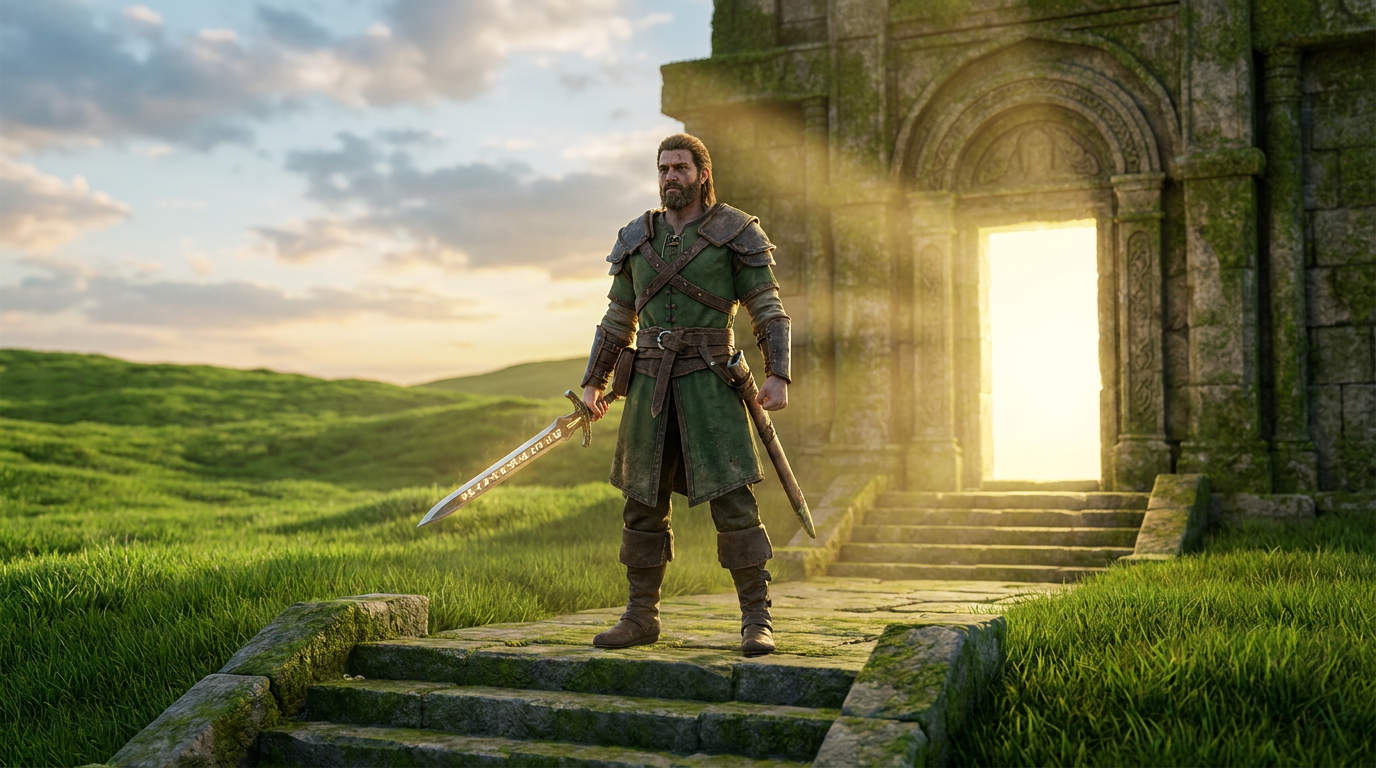
The undisputed showstopper arrived with the official reveal of a ground-up remake of The Legend of Zelda: Ocarina of Time. Widely considered one of the greatest video games ever made, the 1998 classic is being entirely rebuilt to leverage the advanced graphical capabilities of Nintendo's new hardware.[1][2]
The announcement sent shockwaves through the gaming community, as fans have spent years clamoring for a modern reimagining of the Nintendo 64 masterpiece. While a firm release date was not provided, the brief footage showcased lush, volumetric lighting and highly detailed environments that represent a massive leap over the original Switch's capabilities.[1][5]
Beyond the return to Hyrule, Nintendo unveiled a robust slate of original first-party titles designed to anchor the new console's early lifecycle. Highlights included the debut of Xenoblade Genesis, a new entry in the sprawling sci-fi RPG franchise, and Fire Emblem: Fortune's Weave, which promises to evolve the series' signature tactical combat.[1][3]

The company also catered to its multiplayer and family-friendly demographics. Splatoon Raiders, a new single-player-focused spin-off starring the musical trio Deep Cut, is slated for a July 23 release. Meanwhile, the quirky rhythm series makes its long-awaited return with Rhythm Heaven Groove arriving on July 2, alongside a new Star Fox title and Nintendo Switch Sports Resort.[3][5]
However, the most significant strategic shift on display was Nintendo's aggressive courting of third-party developers. For the first time since the GameCube era, Nintendo's hardware appears fully capable of running modern, graphics-intensive AAA titles without severe compromises.[1]
However, the most significant strategic shift on display was Nintendo's aggressive courting of third-party developers.
The Direct featured a staggering lineup of third-party heavyweights running natively on the Switch 2. Square Enix showcased Kingdom Hearts IV, while Capcom revealed that Dragon's Dogma 2: Dark Arisen will hit the platform on October 9.[1][3]
Other notable third-party ports included the critically acclaimed action games Stellar Blade, Lies of P, and Devil May Cry 5: Devil Hunter Edition. By prominently featuring these titles, Nintendo is sending a clear message to consumers: the days of missing out on major multiplatform releases due to hardware limitations are over.[1][5]

Industry analysts noted that this influx of third-party support is crucial for establishing a massive user base early on. Yet, some observers pointed out the inherent tension in this strategy. As CNET reported, the heavy reliance on games that have been available on PlayStation and Xbox for years gave parts of the presentation a "hand-me-down feel."[1]
"Nintendo needs to stop reminding everyone that it just caught up to Microsoft and Sony when it comes to third-party games," CNET's analysis argued, suggesting the company must ensure its bespoke first-party titles remain the primary selling point.[1]
This balancing act is further complicated by broader macroeconomic factors. The gaming industry is currently navigating an ongoing memory shortage that is driving up the manufacturing costs of new hardware. To convince consumers to upgrade to the Switch 2 at a potentially premium price point, Nintendo will need a steady stream of undeniable system-sellers like the Ocarina of Time remake.[1][6]

Despite these industry headwinds, the June 2026 Direct successfully captured the dual identity that makes Nintendo a juggernaut. On one hand, it delivered the nostalgic magic of beloved franchises returning in top form; on the other, it showcased a modernized platform ready to embrace the broader gaming ecosystem.[1][3]
As the summer showcase season concludes, the battle lines for the next console generation are coming into focus. With Microsoft doubling down on Game Pass and exclusive titles like Gears of War: E-Day, and Sony continuing its push into blockbuster cinematic experiences, Nintendo has firmly planted its flag with a mix of unmatched legacy IP and newfound technical parity.[1][6]
How we got here
September 2025
Nintendo holds its last major Direct focused entirely on the original Switch.
May 2026
Rumors of the Switch 2's launch lineup reach a fever pitch ahead of the summer showcase season.
June 5, 2026
Summer Game Fest kicks off in Los Angeles, setting the stage for major industry announcements.
June 9, 2026
Nintendo broadcasts its 50-minute Direct, officially unveiling the Switch 2 software lineup.
July 2026
The first wave of newly announced titles, including Rhythm Heaven Groove and Splatoon Raiders, begins rolling out.
Viewpoints in depth
Nintendo Enthusiasts
A celebration of legacy IP and long-awaited revivals.
For dedicated fans, the June Direct was a masterclass in fan service. The confirmation of an Ocarina of Time remake addresses one of the most persistent requests in the gaming community, while the revival of dormant or niche franchises like Star Fox and Rhythm Heaven signals that Nintendo is digging deep into its vault. Enthusiasts view the new hardware not just as a graphical upgrade, but as a canvas to fully realize the potential of these classic worlds without the technical constraints of the 2017 Switch.
Industry Analysts
A strategic pivot to technical parity, complicated by market realities.
Market watchers see the heavy emphasis on games like Dragon's Dogma 2 and Stellar Blade as a necessary, if slightly awkward, step toward technical parity with Sony and Microsoft. By proving the Switch 2 can handle modern engines, Nintendo is securing vital third-party revenue streams. However, analysts caution that padding the launch window with games that have been available elsewhere for years may blunt the console's momentum, especially given the ongoing memory shortage that threatens to inflate hardware prices.
What we don't know
- The exact release date and pricing for the Switch 2 console remain unconfirmed.
- It is unclear when The Legend of Zelda: Ocarina of Time remake will officially launch.
- The full impact of the ongoing global memory shortage on the new console's manufacturing volume is still unknown.
Key terms
- Switch 2
- The colloquial name for Nintendo's upcoming next-generation console, designed to succeed the original 2017 Nintendo Switch.
- First-party game
- A video game developed and published by the company that manufactures the console, such as Nintendo creating a Mario or Zelda game.
- Third-party port
- A game originally developed by an outside studio for other platforms that is subsequently adapted to run on a new console.
- Volumetric lighting
- A 3D computer graphics technique that adds lighting effects to a rendered scene, allowing the viewer to see beams of light shining through the environment.
Frequently asked
When is the Ocarina of Time remake coming out?
Nintendo has not yet announced a firm release date for the remake, though it is confirmed to be in development for the Switch 2.
Will the new console play games from PlayStation and Xbox?
Yes, the Direct showcased several graphically intensive third-party games, including Dragon's Dogma 2 and Stellar Blade, running natively on the new hardware.
What new first-party games were announced?
Major reveals included Xenoblade Genesis, Fire Emblem: Fortune's Weave, Splatoon Raiders, and a new Star Fox title.
Sources
Source coverage
6 outlets
3 viewpoints surfaced






[1]CNETIndustry Analysts
All the Trailers From Nintendo Direct June 2026
Read on CNET →[2]IGNGeneral Gamers
Video Game Release Dates: The Biggest Games of June 2026 and Beyond
Read on IGN →[3]Nintendo LifeNintendo Enthusiasts
Nintendo Direct June 2026: Every Announcement, Game Reveal & Trailer
Read on Nintendo Life →[4]StartselectGeneral Gamers
New games releases 2026: date schedule
Read on Startselect →[5]YouTube (Nintendo Official)Nintendo Enthusiasts
Nintendo Direct 6.9.2026 + Nintendo Treehouse: Live | June 2026
Read on YouTube (Nintendo Official) →[6]PC GamerIndustry Analysts
New games in June 2026: It's a big month for Bungie and showcase reveals
Read on PC Gamer →

Every angle. Every day.
Get entertainment stories with full source coverage and perspective breakdowns delivered to your inbox.