
Israel Strikes Beirut in Retaliation, Threatening Imminent US-Iran Peace Deal
An Israeli retaliatory strike on Hezbollah targets in Beirut has prompted Iranian threats of escalation, jeopardizing a historic US-Iran peace agreement hours before its scheduled signing.
By Factlen Editorial Team
- US Administration & Diplomats
- Desperately trying to compartmentalize the localized violence from the broader strategic agreement, viewing the deal as essential to preventing a wider war.
- Israeli Security Establishment
- Prioritizes immediate border security and deterrence against Hezbollah over a US-brokered regional deal they view as deeply flawed.
- Iranian & Allied Forces
- Views the strike on Hezbollah as a deliberate Israeli attempt to sabotage the US deal and test Washington's ability to control its ally.
- International Observers
- Fears the rapid normalization of direct strikes has eroded traditional red lines, threatening global energy markets and regional stability.
What's not represented
- · Lebanese civilians caught in the crossfire
- · Gulf Arab states relying on the deal for regional economic stability
Why this matters
The collapse of the US-Iran peace deal would erase months of diplomatic progress, potentially plunging the Middle East back into active regional conflict and drawing US forces into a broader confrontation.
Key points
- Israel launched strikes on Hezbollah targets in Beirut following a drone attack on northern Israel.
- The escalation occurred just hours before the US and Iran were scheduled to sign a major peace agreement.
- Iranian officials warned the Israeli strikes could scuttle the diplomatic pact.
- US officials are scrambling to salvage the deal and prevent a wider regional conflict.
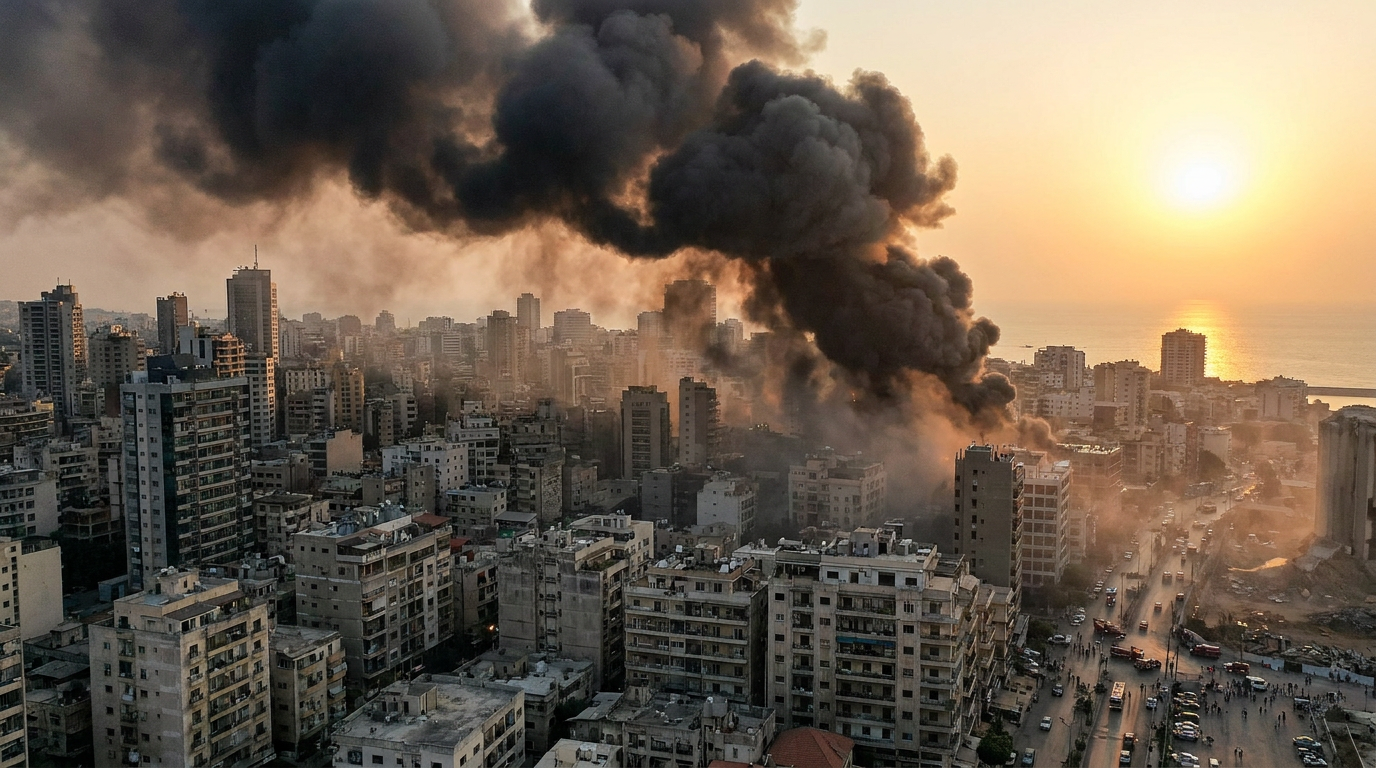
A sudden military escalation in the Middle East has placed a historic diplomatic agreement in severe jeopardy. On Sunday morning, Israeli forces launched targeted strikes against Hezbollah positions in Beirut, retaliating for a drone attack on northern Israel. The exchange of fire comes at a highly sensitive moment, occurring just hours before United States and Iranian officials were scheduled to sign a landmark deal aimed at ending years of proxy warfare.[1][2][4]
The sequence of events began when a drone, allegedly launched by Hezbollah, bypassed Israeli air defenses and struck a facility in northern Israel. In immediate response, the Israel Defense Forces (IDF) authorized a strike on what they described as a key Hezbollah command center in the southern suburbs of the Lebanese capital. The rapid escalation shattered a fragile calm that had settled over the region in anticipation of the diplomatic breakthrough.[2][4]
The Israeli retaliation immediately triggered alarm in Tehran. Iranian officials swiftly condemned the Beirut strike, warning that the attack on their primary regional ally could scuttle the impending agreement with Washington. Iranian state media broadcast statements suggesting that Israel's actions, and the US's inability to restrain its ally, demonstrate a lack of good faith required for a lasting peace pact.[1][3][8]

The threatened agreement represents the culmination of months of intense, back-channel diplomacy between Washington and Tehran. The pact was designed to formally de-escalate tensions, limit Iran's proxy network activities, and provide a framework for regional stability after years of shadow conflict. A signing ceremony had been meticulously planned, marking what many hoped would be a turning point for Middle Eastern geopolitics.[1][6][7]
Inside the White House, the sudden escalation has triggered a diplomatic crisis. US officials are reportedly working frantically through intermediaries in Oman and Qatar to prevent Iran from walking away from the table. The administration is simultaneously pressuring Israeli leadership to halt further strikes while assuring Tehran that the United States remains committed to the diplomatic framework.[5][7]

Inside the White House, the sudden escalation has triggered a diplomatic crisis.
Israeli officials maintain that their actions in Beirut were a necessary and proportionate response to a direct threat on their sovereign territory. Defense leaders in Jerusalem have consistently expressed skepticism regarding the US-Iran deal, arguing that it fails to adequately address the immediate security threats posed by heavily armed Iranian proxies on Israel's borders, particularly Hezbollah in Lebanon.[4][5]
In Lebanon, Hezbollah leadership has vowed to retaliate for the strikes on Beirut, framing the Israeli operation as an unprovoked escalation. The militant group's response remains a critical wildcard; a massive barrage into Israel could force a broader IDF ground or air campaign, making it politically impossible for Tehran to sign a peace deal with Israel's primary backer.[3][6]
This weekend's violence follows a similar pattern from just days ago, when another localized strike led to Iran launching missiles directly at Israel, sparking a brief but intense day of escalation. The rapid normalization of direct and semi-direct strikes between the regional powers has deeply unsettled international observers, who fear the traditional 'red lines' of the Middle East have permanently eroded.[1][2]

The uncertainty has already begun to ripple through global energy markets, with Brent crude prices spiking in early trading on fears of a broader conflict disrupting Gulf supply lines. European and Arab allied nations have issued urgent calls for restraint, recognizing that the collapse of the US-Iran deal could plunge the region into a multi-front war with devastating humanitarian and economic consequences.[2][6][7]
The next 24 hours are viewed as critical. If US diplomats can successfully compartmentalize the Israel-Hezbollah clash from the broader Washington-Tehran negotiations, the signing may proceed after a brief delay. However, if either Israel or Hezbollah launches another significant strike, the diplomatic window will likely slam shut, returning the region to a state of high-alert military confrontation.[1][5][7]
How we got here
Last Week
A similar localized strike leads to a brief direct missile exchange between Iran and Israel.
Sunday Morning
A drone, allegedly launched by Hezbollah, strikes a facility in northern Israel.
Sunday Afternoon
Israel retaliates with strikes on Hezbollah command targets in Beirut.
Sunday Evening
Iran threatens to pull out of the imminent US peace deal, prompting a diplomatic scramble.
Viewpoints in depth
Iranian Leadership
Views the strike on Hezbollah as a deliberate Israeli attempt to sabotage the US deal.
Officials in Tehran argue that Israel's decision to strike Beirut just hours before the signing ceremony was a calculated move to derail the peace process. They contend that the attack on Hezbollah, Iran's primary regional ally, forces Tehran into an impossible position: sign a deal with the primary backer of their adversary while under fire, or walk away and take the blame for the deal's collapse. Iranian hardliners are using the strikes as evidence that the US cannot be trusted to restrain its allies.
Israeli Defense Establishment
Prioritizes immediate border security over a US-brokered regional deal they view as deeply flawed.
For Jerusalem, the drone strike on northern Israel demanded an immediate and forceful response to maintain deterrence, regardless of the diplomatic calendar in Washington. Israeli defense leaders have long viewed the impending US-Iran deal with deep suspicion, arguing that it provides Tehran with diplomatic cover while failing to dismantle the heavily armed proxy networks—like Hezbollah—that pose an existential threat to Israeli citizens on a daily basis.
US Diplomatic Corps
Desperately trying to compartmentalize the localized violence from the broader strategic agreement.
The administration's primary goal is to prevent a tactical exchange of fire from destroying a strategic diplomatic achievement. US negotiators are working through back channels to convince Tehran that the Beirut strikes were an isolated Israeli decision, not a coordinated US-Israeli effort to undermine the pact. They argue that walking away from the deal now would only guarantee the wider regional war that both Washington and Tehran have spent months trying to avoid.
What we don't know
- Whether Hezbollah will launch a massive retaliatory barrage that forces a wider Israeli campaign.
- If Iranian leadership has definitively decided to walk away from the table, or if their threats are a negotiating tactic.
- The exact terms of the US-Iran deal that is currently hanging in the balance.
Key terms
- Hezbollah
- A heavily armed Lebanese Shia political party and militant group, closely allied with and backed by Iran.
- Proxy Warfare
- A conflict where major powers instigate or support fighting by other groups rather than engaging each other directly.
Frequently asked
Why did Israel strike Beirut?
The IDF launched strikes on Beirut in retaliation for a drone attack on northern Israel that they attributed to Hezbollah.
What is the US-Iran deal?
It is a negotiated agreement aimed at ending hostilities, limiting proxy conflicts, and establishing a framework for regional stability.
Can the peace deal still be signed?
US diplomats are urgently trying to salvage the agreement, but further military strikes by any party could permanently derail it.
Sources
Source coverage
8 outlets
4 viewpoints surfaced








[1]AxiosInternational Observers
Iran warns Israel's Beirut strike could derail U.S. deal
Read on Axios →[2]ReutersInternational Observers
Israel strikes Beirut suburbs after drone attack; Iran warns of consequences
Read on Reuters →[3]Al JazeeraIranian & Allied Forces
Hezbollah condemns Israeli aggression in Beirut as Iran reconsiders US pact
Read on Al Jazeera →[4]The Times of IsraelIsraeli Security Establishment
IDF targets Hezbollah command in Beirut following northern drone barrage
Read on The Times of Israel →[5]Fox NewsUS Administration & Diplomats
White House scrambles to save Iran deal after Israel strikes Hezbollah
Read on Fox News →[6]BBC NewsInternational Observers
Middle East on edge: Beirut strike threatens historic Washington-Tehran agreement
Read on BBC News →[7]CNNUS Administration & Diplomats
Diplomats race against clock as Iran threatens to walk away from US peace deal
Read on CNN →[8]IRNAIranian & Allied Forces
Foreign Ministry: Zionist regime's aggression in Lebanon proves US untrustworthiness
Read on IRNA →
More in news politics
See all 5 stories →Information Ecosystem
Fact-Checking the Cure: The Evidence Behind 'Pre-Bunking' Political Misinformation
0 sources

U.S.-Iran Deal
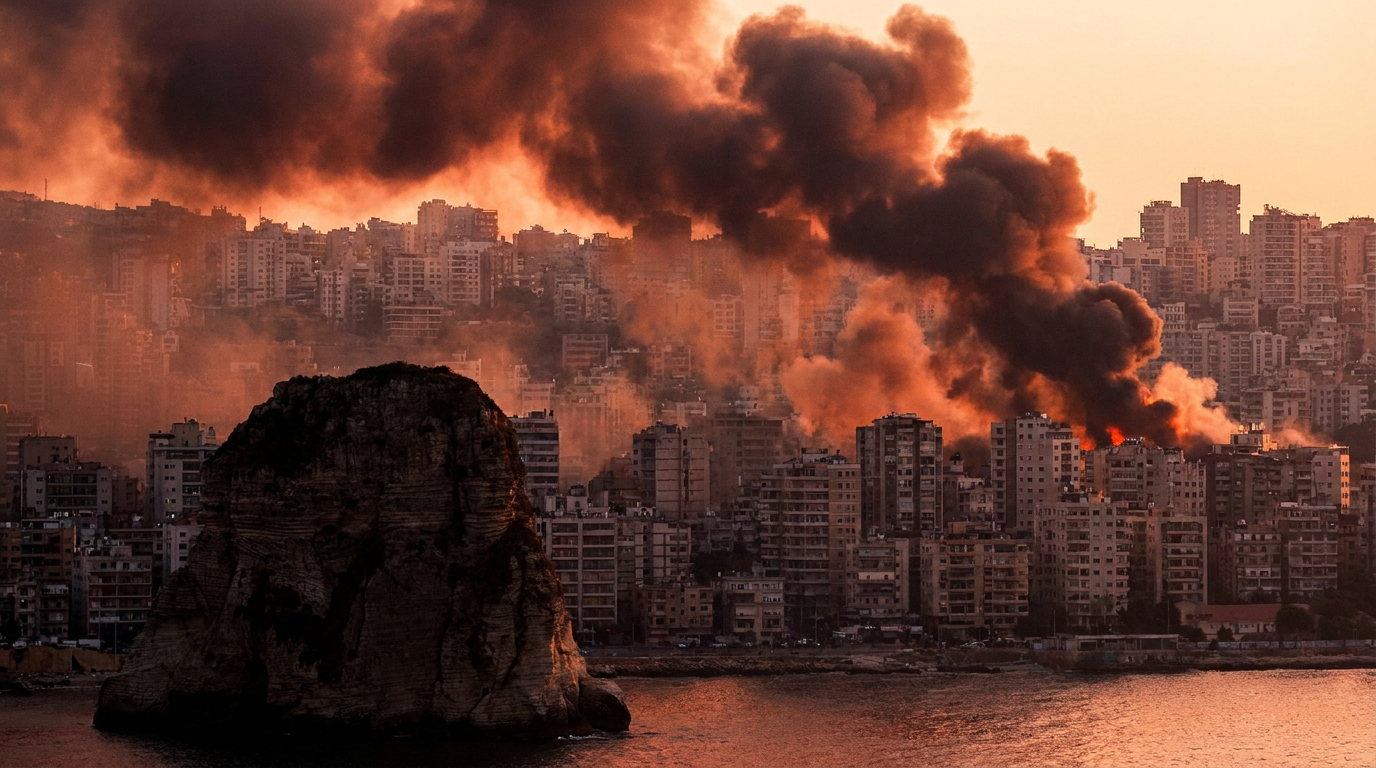
Israeli Airstrikes in Beirut Threaten Historic U.S.-Iran Peace Deal Hours Before Signing
0 sources
Information Integrity
The Evidence on Crowd-Checking: How Decentralized Fact-Checking is Reshaping Online Truth
0 sources

Every angle. Every day.
Get news politics stories with full source coverage and perspective breakdowns delivered to your inbox.