
Iran Enters 60-Day Nuclear Talks Claiming Victory Despite Military Setbacks
Following a devastating 100-day war, the US and Iran have agreed to a ceasefire framework that reopens the Strait of Hormuz but postpones the fate of Tehran's nuclear program. Despite suffering massive infrastructure damage, Iranian leadership is projecting triumph as it enters high-stakes negotiations.
By Factlen Editorial Team
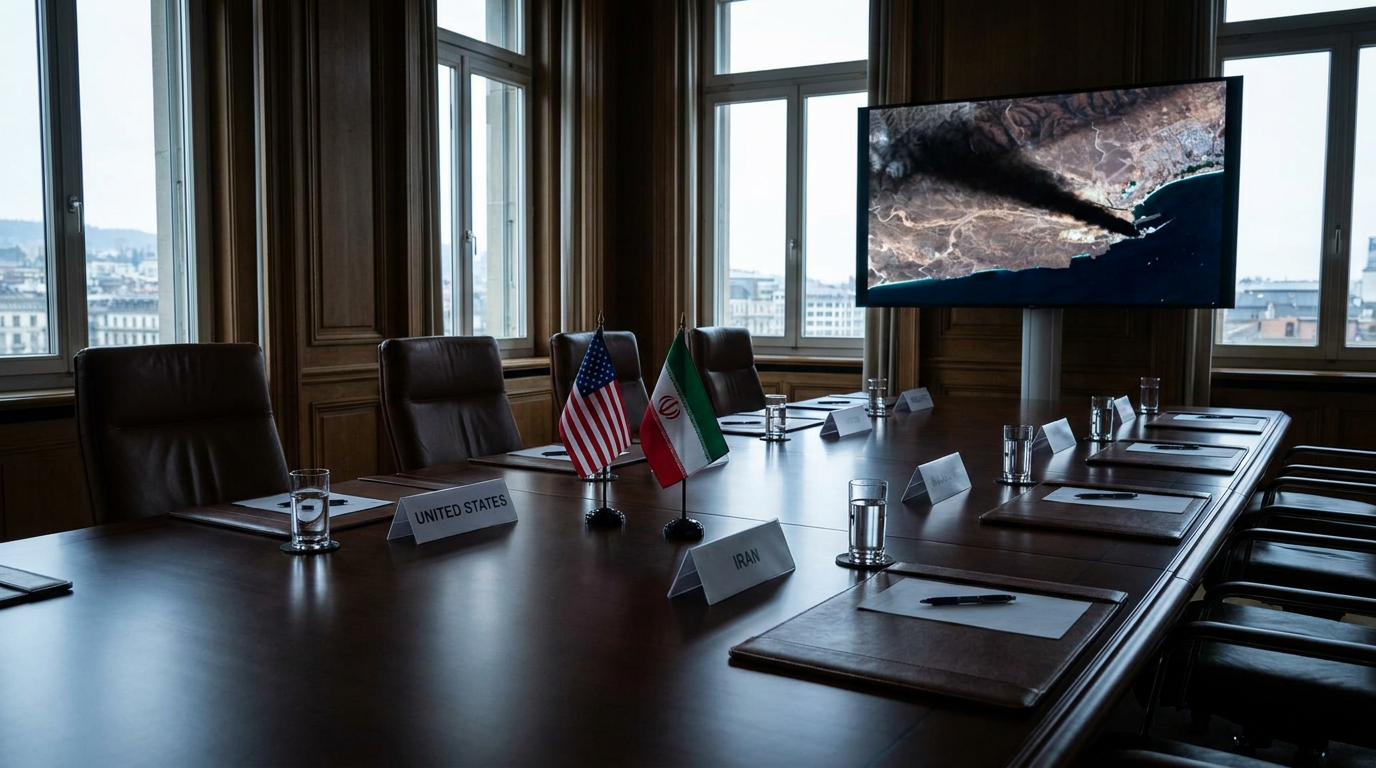
- US Administration
- Argues the military campaign succeeded and the MoU will force Iran to dismantle its nuclear program.
- Iranian Leadership
- Claims victory through regime survival and demands sanctions relief before making nuclear concessions.
- Security Skeptics
- Warns that Washington traded away its military leverage just to reopen the Strait of Hormuz.
What's not represented
- · European energy importers
- · Iranian civilian population
- · Gulf Arab states
Why this matters
The outcome of these 60-day negotiations will determine whether the Middle East achieves a durable peace or plunges back into a devastating regional war. If diplomacy fails, Iran could cross the threshold to becoming a nuclear-armed state, fundamentally altering global security and energy markets.
Key points
- The US and Iran have agreed to a Memorandum of Understanding to end their 100-day war.
- The framework mandates a 60-day ceasefire and the immediate reopening of the Strait of Hormuz.
- Negotiations over Iran's highly enriched uranium stockpile have been postponed to a 60-day diplomatic window.
- Despite losing an estimated 85% of its military-industrial base, Iran claims victory through regime survival.
- US officials claim the deal leads to nuclear dismantlement, while critics warn Washington has lost its military leverage.
The guns are quieting across the Middle East after a devastating 100-day war, but the most dangerous phase of the United States-Iran conflict is just beginning. Following weeks of back-channel negotiations mediated by Pakistan and Oman, Washington and Tehran have agreed to a Memorandum of Understanding (MoU) designed to halt hostilities. The framework mandates a 60-day ceasefire, the lifting of the US naval blockade, and the immediate reopening of the Strait of Hormuz.[2]
Yet, as diplomats prepare for a formal signing ceremony in Geneva, a stark paradox has emerged. The US and Israel inflicted massive damage on Iran's military infrastructure during the spring bombing campaigns, destroying an estimated 85 percent of its military-industrial base. Despite these severe military setbacks, Tehran is entering the upcoming negotiations projecting a narrative of absolute victory.[1][8]
For the Islamic Republic, the theory of victory has never relied on conventional battlefield dominance. Iranian leadership calculates that surviving the combined military might of the US and Israel without suffering regime collapse constitutes a strategic triumph. By absorbing the blows and keeping its political structure intact, Tehran believes it has weathered the worst Washington can deliver, leaving it emboldened as it pivots from the battlefield to the negotiating table.[1][7]
The central crisis that triggered the war—Iran's rapidly advancing nuclear program—remains entirely unresolved. The MoU does not dismantle a single centrifuge. Instead, it postpones the nuclear question, establishing a 60-day window for follow-on negotiations. This delay sets the stage for a high-stakes diplomatic showdown over Iran's stockpile of highly enriched uranium (HEU), which currently sits at 60 percent purity, a short technical step away from weapons-grade material.[2][7]

The US administration is framing the impending talks as a mechanism for total disarmament. Vice President JD Vance has publicly asserted that the agreement will "absolutely" allow international inspectors to return to Iran and that the US will help destroy the highly enriched stockpile. A senior US official echoed this optimism, stating that the framework "leads to" the material being destroyed on-site and removed from the country, though they acknowledged the deal relies on performance rather than trust.[3][5]
The US administration is framing the impending talks as a mechanism for total disarmament.
Iran, however, is actively hardening its position and its physical assets. According to the Institute for the Study of War, US intelligence indicates that Tehran has dramatically escalated efforts to seal off its HEU stockpiles in recent weeks. By collapsing tunnels and booby-trapping entrances to underground storage areas with explosive mines, the regime is making any future military effort to seize the material exceptionally difficult, thereby maximizing its leverage before diplomats even sit down.[4]
Tehran's negotiating posture is equally rigid. Iranian officials insist that discussions during the 60-day window will be strictly limited to the fate of enriched uranium and sanctions relief, explicitly excluding their ballistic missile program or support for regional proxy groups. Furthermore, Iran's chief negotiators have signaled that they expect access to frozen assets and reconstruction funds before making irreversible nuclear concessions, attempting to front-load their economic benefits.[4][6]
This sequencing has alarmed regional security analysts and former diplomats, who warn that Washington may have already surrendered its most potent leverage. Former US Ambassador to Israel Dan Shapiro cautioned that the US is paying a steep price—sanctions relief and unfreezing assets—merely to return to the pre-war status quo of an open Strait of Hormuz. By agreeing to end the war upfront, critics argue, the US is entering nuclear talks from a weak position, stripped of the credible threat of immediate military force.[3][8]

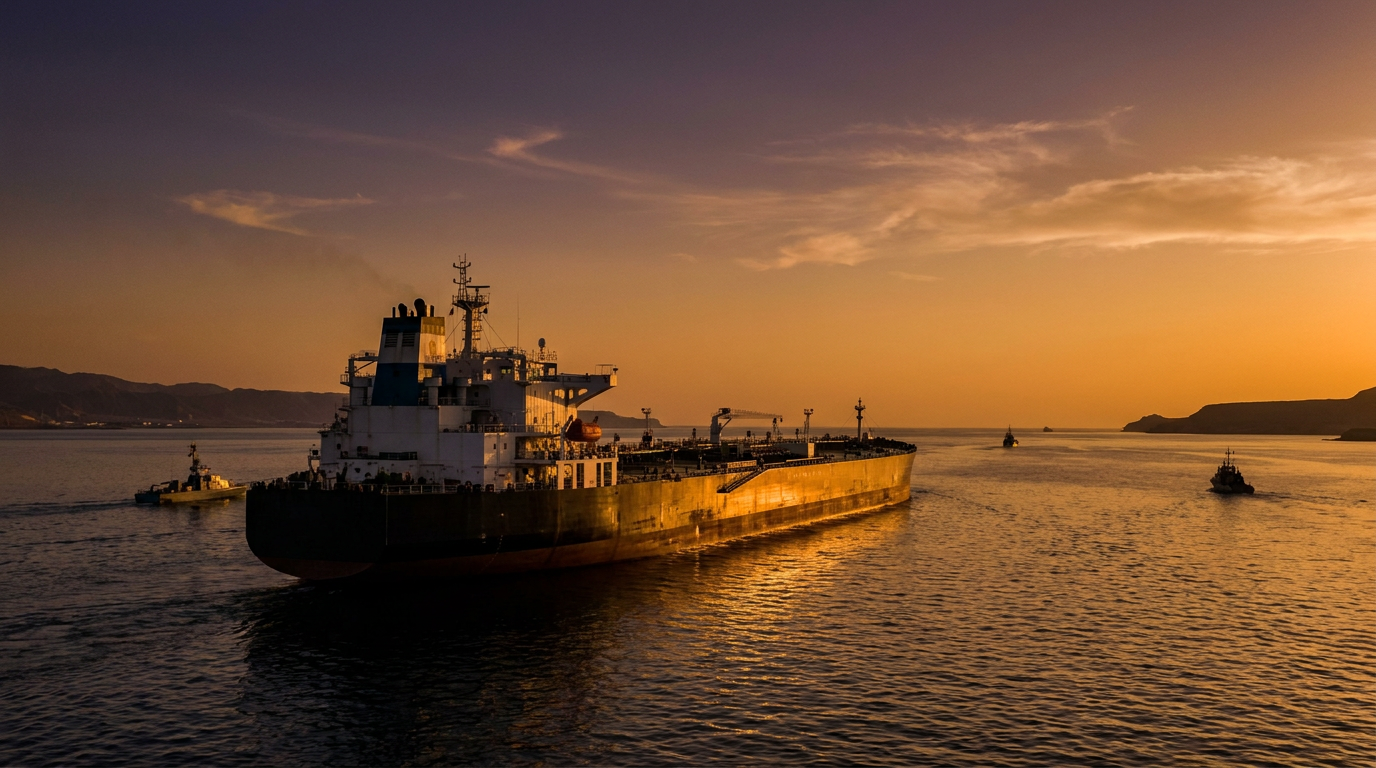
The Strait of Hormuz proved to be Iran's most effective asymmetric weapon during the conflict. By restricting traffic through the vital waterway, Tehran demonstrated its ability to hold the global energy market hostage, inflicting economic pain far beyond the immediate conflict zone. While the MoU requires the strait to reopen toll-free, Iranian hardline media outlets like Kayhan are fiercely opposing the concession, arguing the waterway should remain closed until all US forces are expelled from the region.[6][7]
The agreement also attempts to freeze the broader regional war, including the fierce fighting between Israel and Hezbollah in Lebanon. However, the mechanics of enforcing a ceasefire across multiple proxy fronts remain fragile. Israeli Prime Minister Benjamin Netanyahu has made it clear that Israel will not tolerate continued fire into its territory and retains the right to self-defense, raising the constant specter that a localized skirmish could unravel the entire Geneva framework.[5][7]

Ultimately, the 2026 campaign altered the strategic architecture of the Middle East, but it did not solve its core dilemma. Military strikes damaged facilities, but they could not erase the scientific knowledge Iran has acquired over decades of nuclear research. Surviving personnel, dispersed infrastructure, and deeply buried sites mean the program can eventually be reconstituted if diplomatic guardrails fail.[7]
The next 60 days will determine whether this ceasefire is a genuine off-ramp to a durable political settlement or merely a tactical pause for both sides to reload. If Washington and Tehran cannot bridge the massive gap between their nuclear demands, the US faces the grim prospect of resuming a war it just declared over, while Iran inches ever closer to the nuclear threshold.[7]
How we got here
Feb 2026
The US and Israel launch massive airstrikes against Iranian military and nuclear facilities.
April 2026
A new diplomatic channel opens through Pakistan, focusing on a broader settlement and maritime security.
June 14, 2026
Mediators announce a framework Memorandum of Understanding to halt hostilities.
June 19, 2026
Scheduled signing of the MoU in Geneva, triggering a 60-day window for nuclear talks.
Viewpoints in depth
The US Administration's View
The White House argues the military campaign succeeded and the MoU will force Iran to disarm.
US officials, including Vice President JD Vance, maintain that the spring bombing campaign devastated Iran's military infrastructure, leaving Tehran with no choice but to negotiate. They frame the MoU not as a concession, but as a structured off-ramp that 'leads to' the total dismantlement of Iran's highly enriched uranium stockpile. From this perspective, the 60-day window is a strict probationary period where Iran must prove its compliance by allowing IAEA inspectors back into the country before receiving any permanent sanctions relief.
The Iranian Leadership's View
Tehran claims victory through regime survival and demands economic relief upfront.
For Iran's Supreme Leader and hardline factions, surviving the combined military might of the US and Israel without the regime collapsing is a historic victory. They view the reopening of the Strait of Hormuz not as a surrender, but as a bargaining chip they successfully traded to end the US naval blockade. Iranian negotiators are insisting that the US must unfreeze assets and provide sanctions relief before they will agree to dismantle their nuclear infrastructure, explicitly refusing to discuss their ballistic missile program.
Security Skeptics' View
Analysts warn that Washington traded away its military leverage too early.
Former diplomats and military analysts fear the US is walking into a diplomatic trap. By agreeing to end the war and lift the blockade just to reopen the Strait of Hormuz, critics argue Washington has lost the credible threat of force. They point to intelligence showing Iran is actively booby-trapping its nuclear storage sites as evidence that Tehran is hardening its leverage. These skeptics warn that if the 60-day talks fail, Iran will be closer to a nuclear weapon, and the US will lack the political appetite to restart a war.
What we don't know
- Whether Iran has successfully hidden enough highly enriched uranium to build a weapon if talks collapse.
- How Israel will respond if it determines the diplomatic framework is failing to contain Iran's nuclear ambitions.
- Whether the US Congress will approve the massive sanctions relief and reconstruction funds Tehran is demanding.
Key terms
- Memorandum of Understanding (MoU)
- A formal, non-binding agreement outlining the terms and details of an understanding, used here as a framework to end hostilities before a final treaty.
- Highly Enriched Uranium (HEU)
- Uranium that has been processed to contain a high concentration of the U-235 isotope (often 60% or higher), bringing it dangerously close to the 90% threshold needed for nuclear weapons.
- Strait of Hormuz
- A narrow, strategically vital waterway between the Persian Gulf and the Gulf of Oman, through which a significant portion of the world's oil supply passes.
- Snapback Sanctions
- A mechanism allowing the United Nations to rapidly reimpose all international sanctions on Iran if it violates the terms of a nuclear agreement.
Frequently asked
Did the US formally declare war on Iran?
No. While the US and Israel launched massive airstrikes and major combat operations starting in February 2026, the US Congress did not issue a formal declaration of war.
What happens to Iran's nuclear weapons program?
The current agreement postpones the nuclear issue. The US and Iran have a 60-day window to negotiate the fate of Iran's highly enriched uranium and the return of international inspectors.
Is the Strait of Hormuz open to shipping again?
The Memorandum of Understanding mandates the immediate, toll-free reopening of the Strait of Hormuz, though Iranian hardliners are pushing back against relinquishing control of the waterway.
Sources
Source coverage
8 outlets
3 viewpoints surfaced








[1]The New York TimesIranian Leadership
Iran Will Enter Nuclear Talks Feeling Emboldened
Read on The New York Times →[2]AxiosUS Administration
What's in the Iran deal Trump says he's ready to sign
Read on Axios →[3]The GuardianUS Administration
Nuclear inspectors will return to Iran as part of deal, claims Vance
Read on The Guardian →[4]Institute for the Study of WarSecurity Skeptics
Iran Update, June 13, 2026
Read on Institute for the Study of War →[5]The Times of IsraelUS Administration
Senior US official: Pending deal 'leads to' Washington getting Iran's enriched uranium
Read on The Times of Israel →[6]Iran InternationalIranian Leadership
Iran Demands Sanctions Relief Before Nuclear Talks
Read on Iran International →[7]Modern DiplomacySecurity Skeptics
The U.S.-Iran Ceasefire: A Tactical Pause or Strategic Shift?
Read on Modern Diplomacy →[8]The Washington PostSecurity Skeptics
The U.S. has a historic opportunity for victory in Iran
Read on The Washington Post →
More in news politics
See all 8 stories →US-Iran Deal
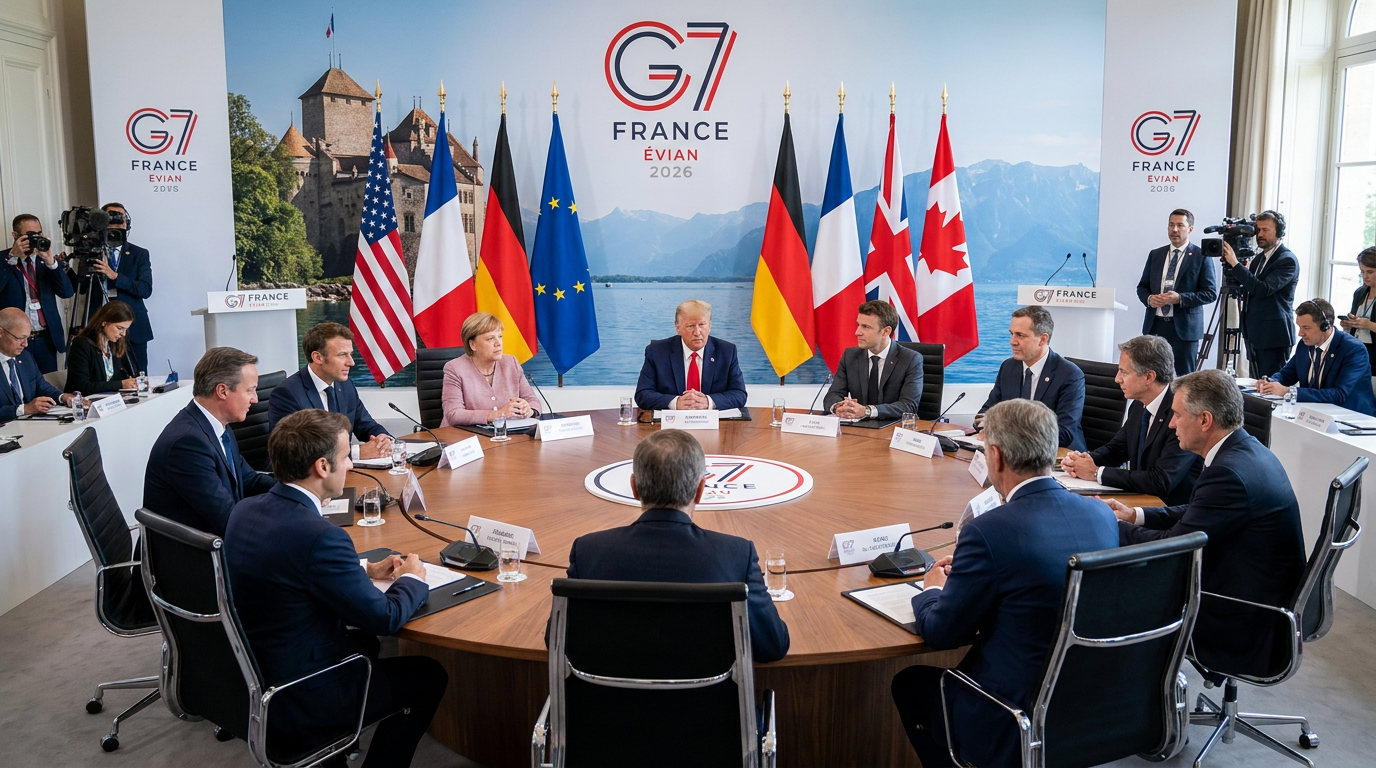
The US and Iran Are Closing In on a Peace Deal. Here Is Why Israel Is Sidelined.
0 sources
Energy Infrastructure
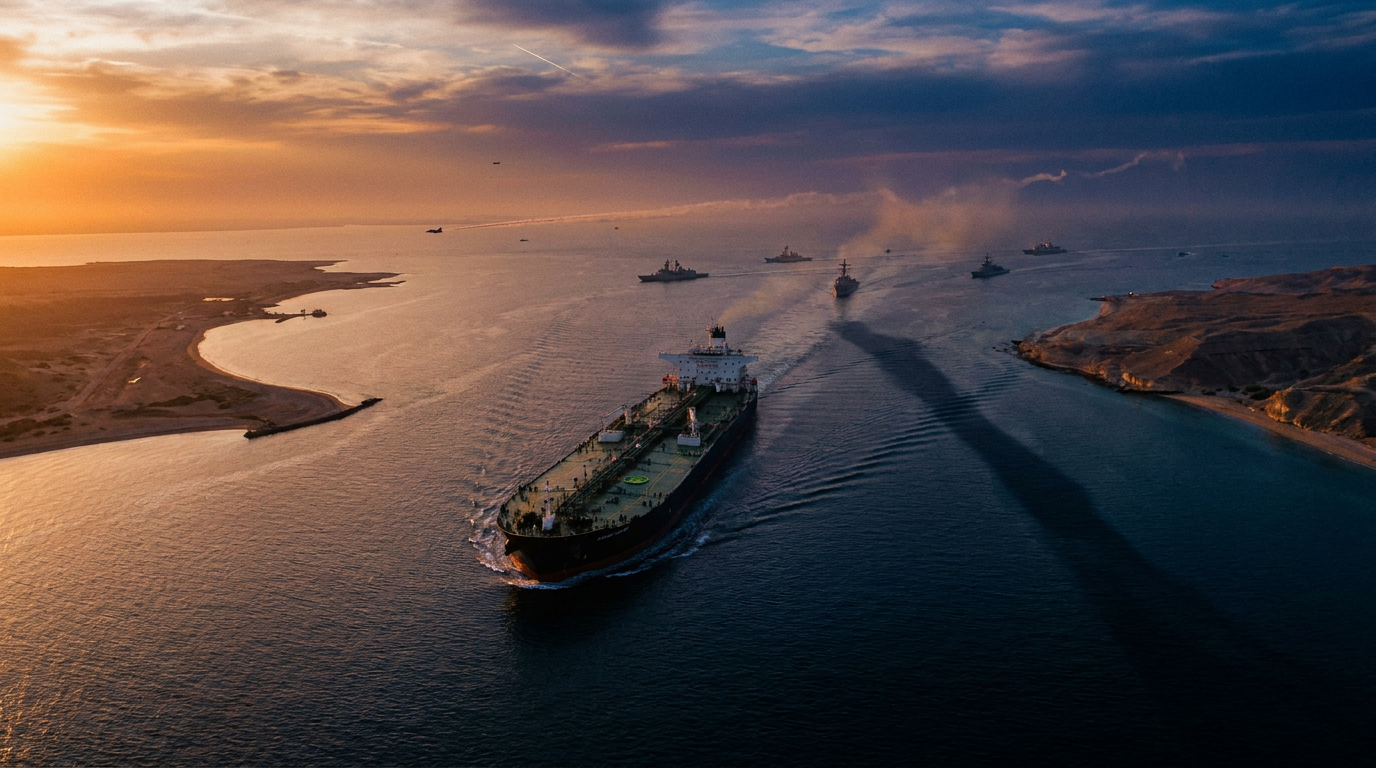
Ukraine Strikes Moscow Oil Refinery as G7 Leaders Meet to Discuss Ceasefire
0 sources
Middle East Peace
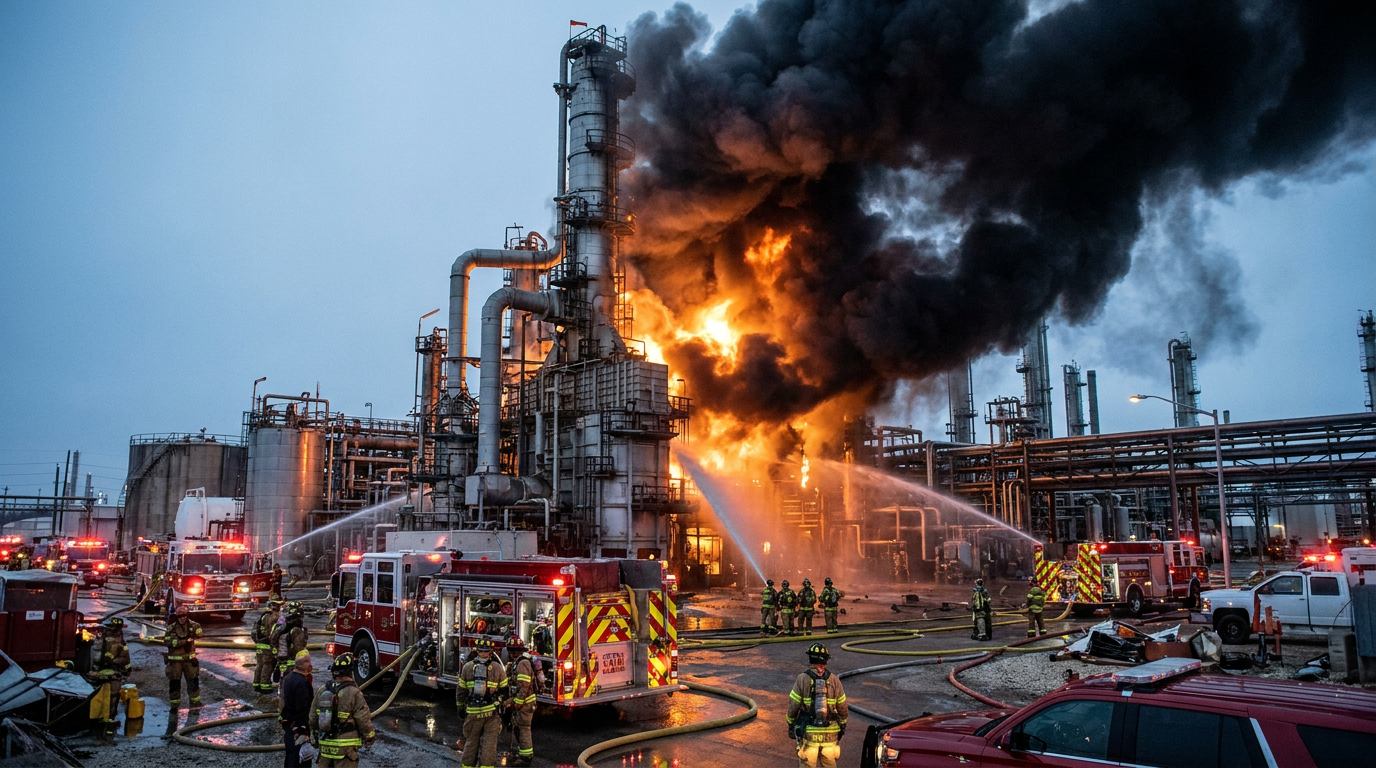
How Israel's Sidelining Could Complicate the U.S.-Iran Peace Agreement
0 sources
Iran Nuclear Talks
US and Iran Reach Ceasefire to End War, Deferring Nuclear Negotiations
0 sources
Every angle. Every day.
Get news politics stories with full source coverage and perspective breakdowns delivered to your inbox.