
How Israel's Sidelining Could Complicate the U.S.-Iran Peace Agreement
As the U.S. and Iran near a negotiated end to their 2026 conflict, Israel has launched renewed strikes to ensure its regional security interests are not ignored in the final deal.
By Factlen Editorial Team
- U.S. Administration
- Prioritizes ending the direct conflict, reopening the Strait of Hormuz, and stabilizing global energy markets.
- Israeli Government
- Demands that any peace deal must guarantee its freedom to neutralize threats from Hezbollah and address Iran's nuclear capabilities.
- Iranian Leadership
- Insists on a complete end to the war and the lifting of U.S. naval blockades before discussing any secondary issues.
- Regional Mediators
- Focused on pragmatic de-escalation and restoring commercial shipping through neutral diplomacy.
What's not represented
- · Lebanese Civilians
- · European Energy Importers
Why this matters
A finalized peace agreement would end a major global conflict, reopen critical shipping lanes, and stabilize global gas prices. However, if Israel's security concerns lead to further military action, the region could plunge back into a wider war that disrupts the global economy.
Key points
- The U.S. and Iran are negotiating an end to their 2026 war, focusing on reopening the Strait of Hormuz.
- Israel has been largely excluded from the talks and recently launched strikes to assert its security interests.
- Iran refuses to discuss its nuclear program until a permanent ceasefire and blockade lift are finalized.
- The U.S. is pushing to finalize the deal quickly to stabilize global energy markets and lower gas prices.
The United States and Iran are reportedly on the verge of a historic peace agreement to formally end their brief but devastating 2026 war. Mediated by Pakistan and Qatar, the proposed deal aims to solidify a fragile April ceasefire, reopen the Strait of Hormuz, and withdraw U.S. naval blockades. However, the diplomatic breakthrough faces a significant and volatile hurdle: the State of Israel.[1][4][5]
Throughout the negotiation process, the U.S. administration has largely kept Israel at arm's length, prioritizing a swift bilateral end to the conflict over Israel's broader regional security demands. This exclusion has deeply frustrated officials in Jerusalem, who fear that a narrow U.S.-Iran deal will leave Israel vulnerable to Iran's proxy network, particularly Hezbollah in Lebanon.[1][3]
In a calculated display of defiance, Israel launched renewed strikes on Iranian targets on June 8, marking its first direct military action against Tehran since the April ceasefire. The strikes were executed despite public calls from U.S. President Donald Trump for Israel to hold its fire. Military historians and regional analysts view the operation not merely as retaliation, but as a forceful message to Washington that Israel will not allow itself to be sidelined in the shaping of the Middle East's post-war security architecture.[3][6]

The core of Israel's anxiety centers on its northern border. Israeli Prime Minister Benjamin Netanyahu has sought guarantees that any U.S.-Iran memorandum of understanding will not restrict Israel's right to conduct military operations against Hezbollah in southern Lebanon. The U.S., however, has attempted to separate the Lebanon issue from the broader Iran peace talks, arguing that entangling the two would make a final agreement impossible.[3][4]
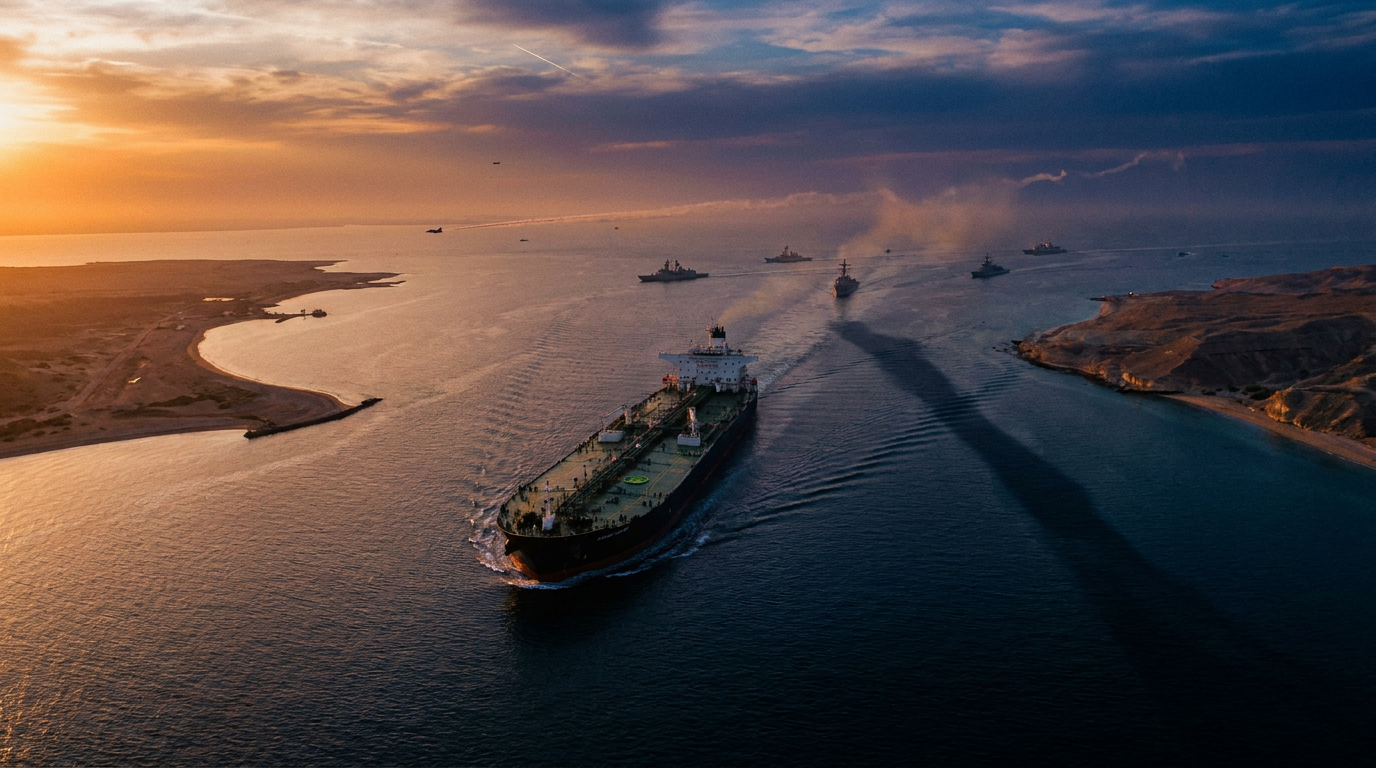
This diplomatic divergence has created a tense dynamic between Washington and Jerusalem. While the U.S. administration publicly praises Israel as a vital partner, it has actively worked to insulate the peace negotiations from Israel's military calculus. The U.S. strategy is heavily focused on economic stabilization, specifically the reopening of the Strait of Hormuz within 30 days to alleviate the global energy shock and lower stubbornly high gas prices.[2][4]
This diplomatic divergence has created a tense dynamic between Washington and Jerusalem.
Iran, for its part, has adopted a rigid negotiating stance. Iranian Foreign Ministry officials have stated unequivocally that the current talks are focused solely on ending the war and lifting the U.S. blockade. Tehran has refused to entertain any U.S. demands regarding its stockpile of enriched uranium, insisting that nuclear discussions must be deferred until a permanent ceasefire is finalized.[5]
The U.S. appears willing to accept this phased approach. Reports indicate that the fate of Iran's nuclear program—a key rationale for the initial U.S. military campaign in February—has been pushed to a 60-day follow-up window. This concession has alarmed Israeli officials, who argue that delaying nuclear talks effectively rewards Tehran and squanders the leverage gained during the conflict.[3][4][8]

The negotiations remain highly sensitive and prone to disruption. Iranian Foreign Minister Abbas Araghchi recently noted that while communications with Washington remain open, "no tangible progress" has been made on the final text of the agreement. He further warned that any continued Israeli attacks on Beirut or southern Lebanon would lead to a full-scale resumption of the war.[7]
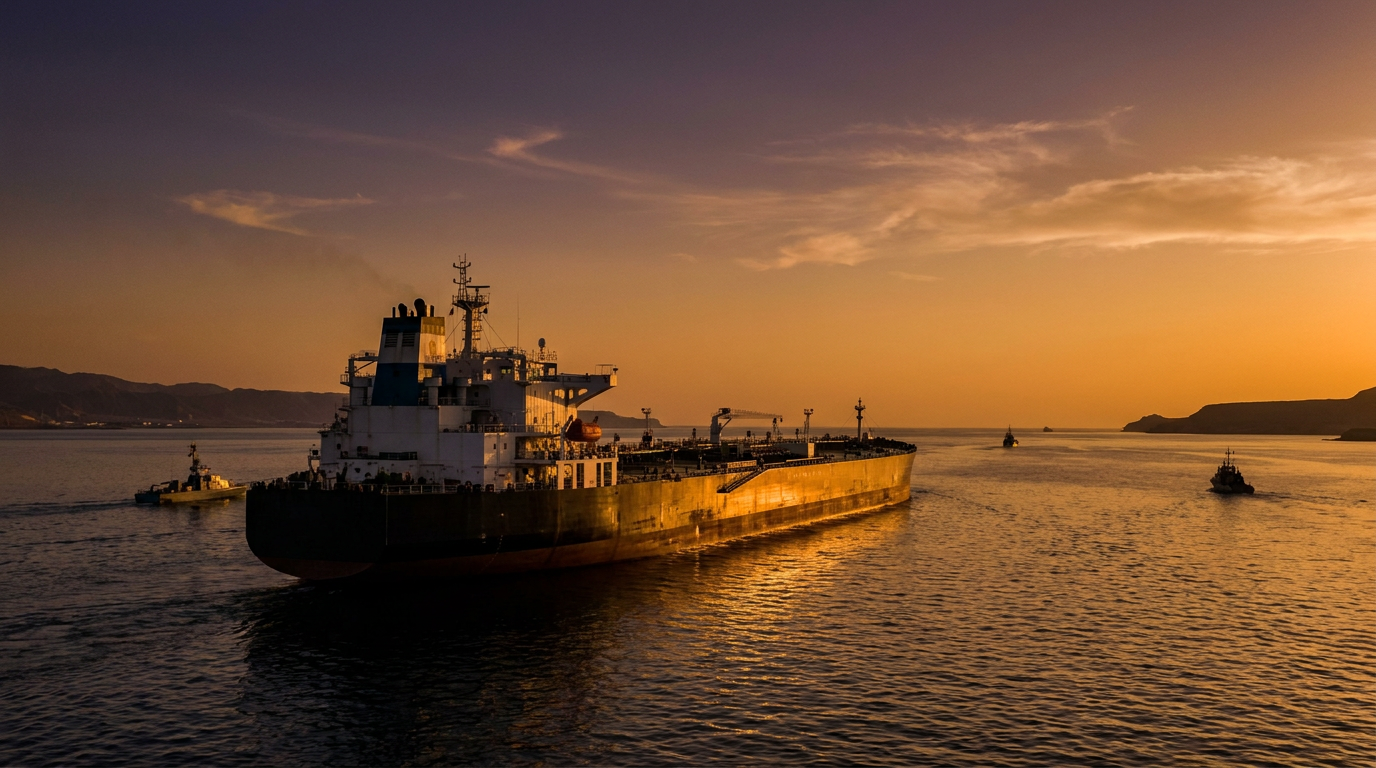
The stakes for the global economy are immense. The three-month conflict has severely disrupted commercial shipping and sent energy markets into turmoil. The proposed memorandum of understanding, drafted with the help of Pakistani Prime Minister Shehbaz Sharif, outlines a framework for returning commercial shipping through the Strait of Hormuz to pre-war levels under "Iranian arrangements."[2][4]
However, the specifics of these maritime arrangements remain a point of contention. The U.S. has historically rejected any tolling or control mechanisms imposed by Iran on international shipping lanes. Reconciling Iran's demand for sovereignty over the strait with the U.S. commitment to freedom of navigation is one of the final hurdles facing the mediators.[4][8]

Meanwhile, the U.S., Israel, and Lebanon have reportedly agreed to a separate, localized ceasefire contingent on Hezbollah evacuating forces south of the Litani River. Yet, Hezbollah is not a party to these negotiations and has publicly stated it will not abide by agreements dictated by Washington or Jerusalem. This leaves Israel's primary security concern unresolved, increasing the likelihood of unilateral Israeli military action.[4]
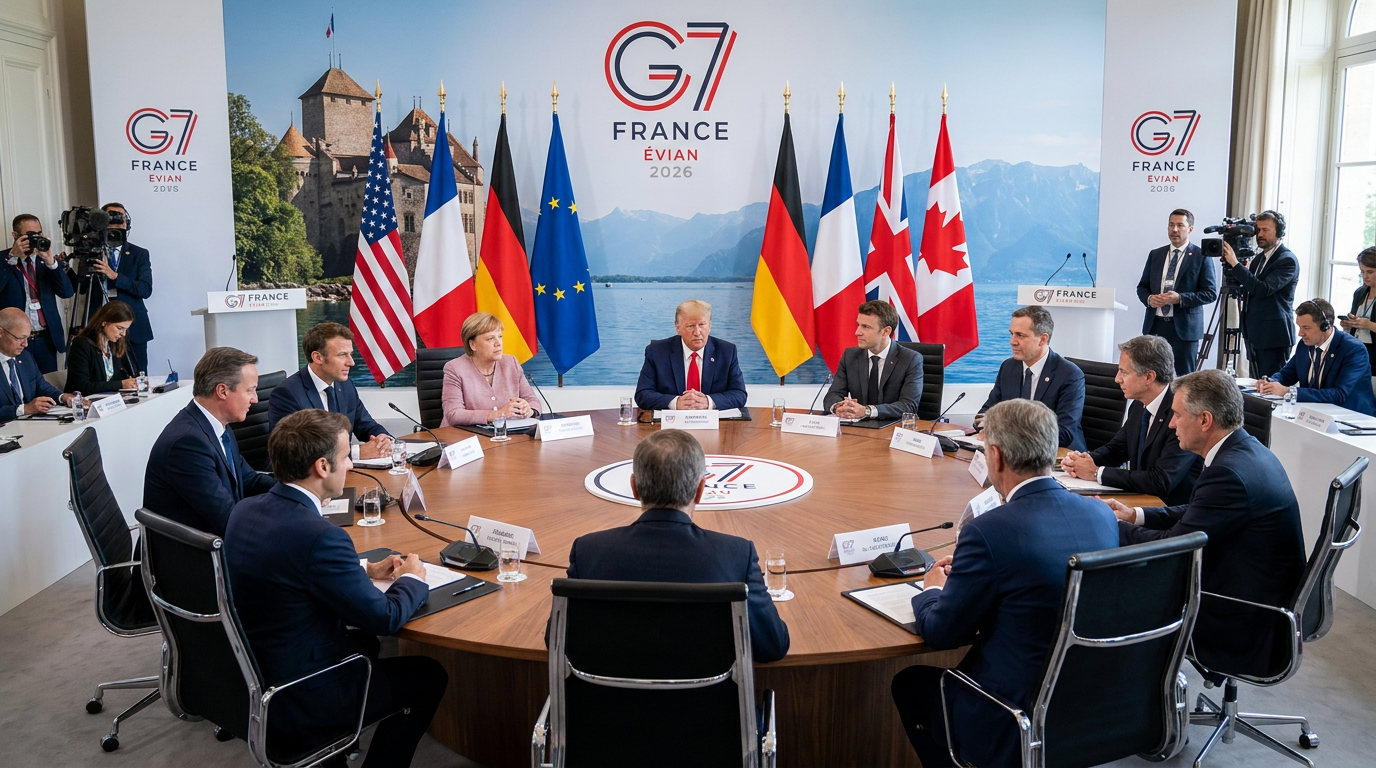
As the G7 leaders meet to discuss global security, the U.S.-Iran peace deal hangs in a delicate balance. The U.S. administration is pushing hard for a diplomatic victory that stabilizes the region and the economy. But Israel's determination to secure its borders, coupled with Iran's uncompromising stance on its nuclear program, ensures that even if a document is signed, the underlying geopolitical fractures will remain deeply unstable.[1][2][4][8]
How we got here
Feb 2026
The U.S. and Israel launch Operations Roaring Lion and Epic Fury, initiating direct conflict with Iran.
April 2026
A fragile ceasefire is established between the U.S. and Iran, halting major hostilities.
June 8, 2026
Israel strikes targets in Iran, breaking the ceasefire to signal its demands ahead of peace talks.
June 16, 2026
Mediators from Pakistan and Qatar push to finalize a memorandum of understanding to officially end the war.
Viewpoints in depth
The U.S. Strategic Pivot
Washington's focus on economic stabilization over regional security guarantees.
For the U.S. administration, the primary objective is to formally end the three-month conflict and restore the flow of global commerce. By prioritizing the reopening of the Strait of Hormuz, the U.S. hopes to alleviate the economic pressure of high gas prices ahead of domestic elections. This pragmatic approach requires sidelining complex, intractable issues like Iran's nuclear program and its proxy network, pushing them to future negotiations. Officials argue that a step-by-step de-escalation is the only viable path to peace, even if it frustrates traditional allies.
Israel's Security Imperative
Jerusalem's refusal to accept a deal that leaves Hezbollah unchecked.
Israeli officials view the proposed U.S.-Iran agreement as fundamentally flawed because it fails to address the immediate threats on Israel's borders. By excluding Israel from the core negotiations, the U.S. has sparked fears in Jerusalem that Iran will be emboldened to rearm Hezbollah in Lebanon. Israel's recent strikes on Iranian targets were a calculated message: any deal that attempts to restrict Israel's military freedom in the Levant will be actively undermined. For Israel, a peace deal that ignores its northern front is no peace at all.
Iran's Phased Diplomacy
Tehran's strategy of separating the war's end from its nuclear ambitions.
Iran has adopted a strict, phased approach to the negotiations, insisting that the immediate cessation of hostilities and the lifting of the U.S. naval blockade must precede any other discussions. Iranian negotiators have categorically refused to entertain U.S. demands regarding their stockpile of enriched uranium, labeling them as excessive for a ceasefire agreement. By leveraging its control over the Strait of Hormuz, Tehran aims to secure a swift end to the war on favorable terms, while keeping its nuclear program off the table for the time being.
What we don't know
- Whether Israel will launch a larger military campaign if its demands regarding Lebanon are ignored.
- How the U.S. and Iran will resolve disputes over control and tolling in the Strait of Hormuz.
- If the deferred nuclear negotiations will actually take place within the proposed 60-day window.
Key terms
- Strait of Hormuz
- A crucial maritime chokepoint between the Persian Gulf and the Gulf of Oman, through which a significant portion of the world's oil supply passes.
- Litani River
- A river in southern Lebanon that serves as a key geographic marker for ceasefire agreements between Israel and Hezbollah.
- Memorandum of Understanding (MoU)
- A non-binding agreement outlining the broad terms of the proposed peace deal before a formal treaty is signed.
Frequently asked
Why is Israel not part of the U.S.-Iran peace talks?
The U.S. has prioritized a bilateral agreement to end its direct conflict with Iran and reopen shipping lanes, choosing to defer broader regional security issues that involve Israel.
What does Israel want from the agreement?
Israel wants guarantees that any deal will not restrict its military freedom to target Hezbollah in Lebanon or ignore Iran's nuclear program.
Will the peace deal lower global gas prices?
Reopening the Strait of Hormuz is expected to stabilize energy markets, though experts warn that prices may remain elevated until commercial shipping fully normalizes.
Sources
Source coverage
8 outlets
4 viewpoints surfaced








[1]NPRRegional Mediators
How Israel could complicate Iran peace negotiations
Read on NPR →[2]NYTU.S. Administration
A Times Investigation Into Epstein’s Death, and Why Gas Prices Might Stay High
Read on NYT →[3]ReutersIsraeli Government
Defying Trump with brief Iran fight, Israel seeks sway over peace talks
Read on Reuters →[4]The GuardianU.S. Administration
Trump says Iran peace negotiations could be reached 'over the weekend'
Read on The Guardian →[5]Jerusalem PostIsraeli Government
Negotiations focused on 'ending war,' will not advance before solving that issue - report
Read on Jerusalem Post →[6]AxiosIsraeli Government
Israel strikes targets in Iran—the first such action since the April 8 ceasefire
Read on Axios →[7]Al JazeeraIranian Leadership
Iran says 'no tangible progress' in talks with US
Read on Al Jazeera →[8]The ConversationRegional Mediators
Trump's US-Iran ceasefire deal is a costly return to prewar conditions
Read on The Conversation →
Every angle. Every day.
Get news politics stories with full source coverage and perspective breakdowns delivered to your inbox.