
Gymnastics Injury Report: Olympic Champions Headline Major 2026 Comebacks
As the 2026 international gymnastics season accelerates, several Olympic medalists are making triumphant returns to the apparatus following severe injuries, highlighting a grueling but inspiring year of rehabilitation.
By Jackson Reed

The 2026 gymnastics season is rapidly becoming the year of the comeback. Across the globe, elite athletes who suffered devastating injuries in the wake of the Paris 2024 Olympics—or during the grueling 2025 World Championships cycle—are finally returning to the competition floor. From ruptured Achilles tendons to complex shoulder surgeries, the physical toll of the sport has sidelined some of its brightest stars. Yet, as international federations finalize their rosters for the summer circuit, the narrative has shifted from heartbreak to triumph.
Leading the charge is 18-year-old U.S. Olympic gold medalist Hezly Rivera. After helping Team USA secure gold in Paris, Rivera's 2025 season was abruptly cut short when she sustained a rolled ankle just weeks before the World Championships selection camp. The injury forced her to watch the global event from home. Now, Rivera is headlining the U.S. senior women's roster at the 2026 Pan American Championships in Rio de Janeiro, which run from June 17 to 21.[1]
For Rivera, the time away from the mat fostered a profound mental shift. Returning to competition at the Winter Cup and American Cup earlier this year, she expressed a newfound sense of calm and freedom. "I'm just going out there and having fun," Rivera said of her return. "I'm doing it for me because I want it." That reduced mental weight, combined with her elite muscle memory, has positioned her as a favorite heading into Rio.[1]
The men's international circuit is witnessing a similarly high-profile return. Ireland's Rhys McClenaghan, the reigning Olympic pommel horse champion, spent the last year navigating a frustrating recovery from shoulder surgery. The procedure kept him out of a bid for a third consecutive world title last October, forcing him to hit pause at the peak of his career.[2]
McClenaghan made his return to the International Gymnastics Federation (FIG) World Cup circuit this spring. After shaking off the rust in Baku, he captured a gold medal at the Antalya World Cup in Turkey, proving his signature swing remains world-class. Reflecting on his comeback, McClenaghan noted that the psychological hurdle of trusting his repaired shoulder was immense, describing the feeling as a blend of fear and excitement as he targets the Los Angeles 2028 Games.[2]
In Australia, the gymnastics community is celebrating the return of Georgia Godwin. The multiple Commonwealth Games champion suffered a heartbreaking Achilles tear that ruled her out of contention for the Paris 2024 Olympics. Following a grueling two-year rehabilitation process, Godwin was officially named to the Australian team for the Glasgow 2026 Commonwealth Games this June. "I'm really proud to represent Australia again, especially after everything it's taken to get back here," Godwin stated.[3]
The collegiate gymnastics landscape has also been defined by high-stakes injury returns. Programs rely heavily on the depth provided by healthy veterans, and 2026 has seen several athletes make massive impacts after missing previous seasons. College Gym News highlighted this trend, noting that athletes returning from ACL tears and shoulder surgeries have been pivotal in shaping the NCAA postseason picture.[4]
However, the reality of gymnastics means that new injuries continually alter the landscape. During the NCAA regional finals in April, LSU junior and former U.S. elite Konnor McClain suffered a scary fall on the uneven bars. McClain, who previously tore her Achilles in 2024, fell hard to the mat and was evaluated for nerve pain in her shoulder and elbow, leaving the Tigers cautiously optimistic but anxious about her long-term status.
The emotional toll of repeated injuries was starkly highlighted by Utah Red Rocks gymnast Clara Raposo. In March, Raposo collapsed during a floor routine and later announced she had suffered her third torn ACL. The devastating setback just ahead of the Big 12 championships served as a sobering reminder of the immense forces absorbed by the lower extremities during elite tumbling passes.
Sports medicine professionals emphasize that recovering from these severe setbacks requires a fundamental shift in rehabilitation philosophy. Physical therapists specializing in gymnastics now prioritize criterion-based progression over fixed timelines. Whether recovering from an ACL reconstruction or spondylolysis—a common spinal stress fracture—athletes must demonstrate specific biomechanical competencies, such as equal hip strength and pain-free landing mechanics, before advancing to the next phase of training.
This methodical approach is designed to combat the sport's high rate of re-injury. Data indicates that lower extremity issues, particularly ankle and knee injuries, account for the majority of severe gymnastics traumas. By focusing on neuromuscular control and sport-specific movement retraining, modern orthopedic care allows gymnasts to return not just healthy, but often stronger than before their injuries.
As the international elite calendar accelerates toward the 2026 Artistic Gymnastics World Championships in Rotterdam this October, the presence of these returning champions adds a layer of depth and inspiration to the field. Their journeys from the operating table back to the podium underscore a growing culture within gymnastics—one that values patience, comprehensive medical support, and the sheer joy of the sport over the pressure of uninterrupted perfection.
Key points
- U.S. Olympic gold medalist Hezly Rivera is returning to competition at the 2026 Pan American Championships after a 2025 ankle injury.
- Ireland's Rhys McClenaghan captured gold at the Antalya World Cup following a year-long recovery from shoulder surgery.
- Australia's Georgia Godwin was named to the Glasgow 2026 Commonwealth Games team after recovering from a torn Achilles.
- Sports medicine professionals are increasingly utilizing criterion-based progression to safely return gymnasts to the apparatus.
How we got here
August 2024
Rhys McClenaghan wins Olympic gold before undergoing shoulder surgery.
Late 2025
Hezly Rivera sustains a rolled ankle, forcing her to miss the World Championships.
March 2026
Utah's Clara Raposo suffers her third ACL tear ahead of the Big 12 championships.
April 2026
LSU's Konnor McClain sustains an arm injury during the NCAA regional finals.
June 2026
Rivera headlines the U.S. roster at the Pan American Championships in Rio de Janeiro.
- Elite Competitors
- Gymnasts emphasize the mental shift required to return to the sport, prioritizing personal joy over external pressure.
- Sports Medicine Specialists
- Rehabilitation experts advocate for criterion-based recovery to ensure biomechanical readiness and prevent re-injury.
- Collegiate Programs
- NCAA teams must balance the immediate need for scoring depth with the long-term health of their athletes.
Perspectives this story doesn't cover
- Junior gymnasts navigating their first major injuries
- Parents of competitive gymnasts managing recovery logistics
Sources
Source coverage
4 outlets
3 viewpoints surfaced



- [1]Olympics.comElite Competitors
U.S. Olympic champion Hezly Rivera on her big return: 'I'm doing it for me because I want it'
Read on Olympics.com → - [2]Olympics.comElite Competitors
Rhys McClenaghan on injury comeback: 'Fear is sometimes indistinguishable from excitement'
Read on Olympics.com → - [3]Commonwealth Games AustraliaElite Competitors
Proven medallists and rising stars headline Gymnastics Team for Glasgow 2026
Read on Commonwealth Games Australia → - [4]College Gym NewsCollegiate Programs
NCAA Gymnastics Power Rankings: Rousing Returns of 2026
Read on College Gym News →

More in Sports
See all →Standings
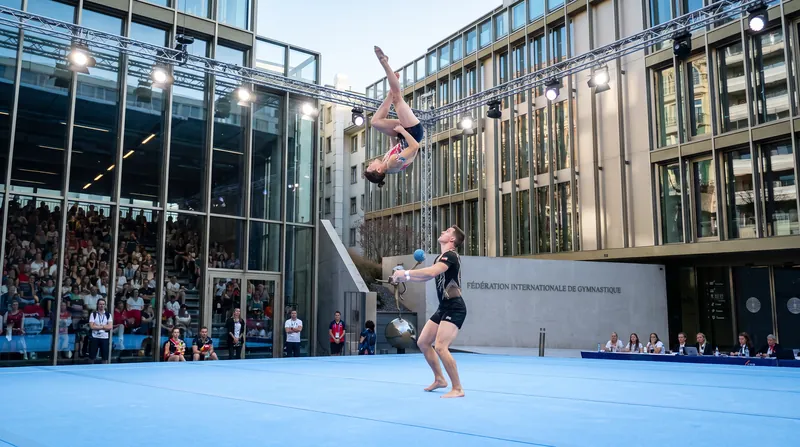
USA, Israel, Azerbaijan, and Ukraine Capture 2026 Acrobatic Gymnastics World Cup Series Titles
6 sources
Injury
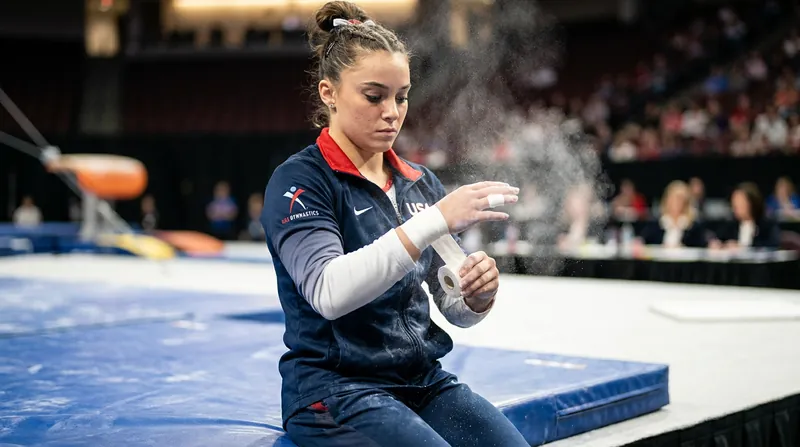
Gymnastics Injury Report: Max Whitlock Navigates Setback as Katelyn Ohashi and Makayla Green Mount Resilient Returns
5 sources
Standings
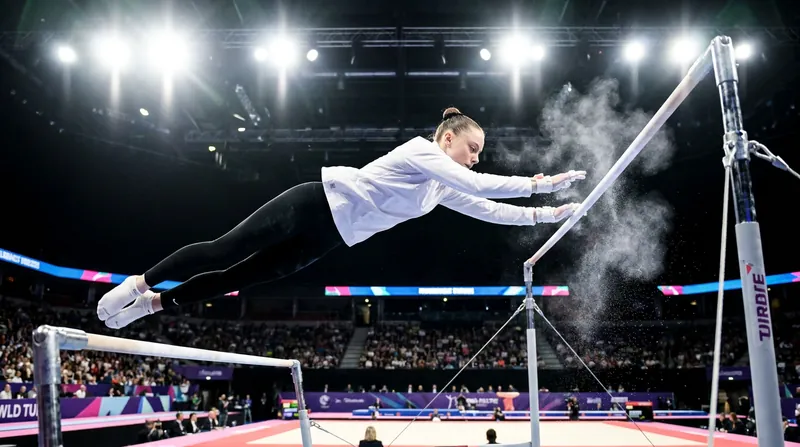
The Race to Szombathely: Matthews and Idrissov Headline the Global Artistic World Challenge Cup Standings
2 sources
Injury
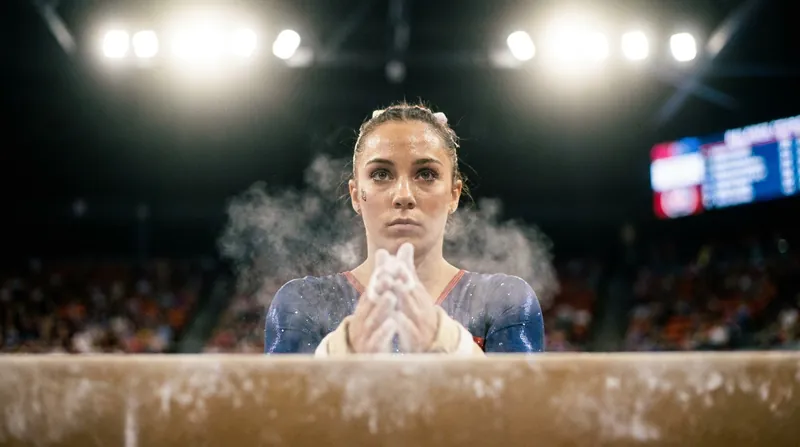
Gymnastics Injury Report: Kylee Kvamme's Resilient Return Headlines a Summer of Recovery
4 sources
Comments
Every angle. Every day.
Get Sports stories with full source coverage and perspective breakdowns, free every day.