
Trump Rebukes Netanyahu Over Lebanon as Israel Defies Terms of U.S.-Iran Peace Deal
President Trump publicly criticized Israeli Prime Minister Benjamin Netanyahu's continued military operations in Lebanon, warning that Israel's refusal to withdraw forces threatens a fragile U.S.-brokered peace agreement with Iran.
By Factlen Editorial Team
- U.S. Negotiators
- Focused on securing a historic diplomatic victory and ending the regional war, viewing Israel's actions as an impediment.
- Israeli Security Establishment
- Prioritizes the elimination of the Hezbollah threat on its northern border over adherence to a bilateral U.S.-Iran pact.
- Iranian & Lebanese Officials
- Demands a full Israeli withdrawal from Lebanon as a strict prerequisite for any lasting peace agreement.
What's not represented
- · Lebanese civilians displaced by the ongoing fighting and evacuation orders.
- · Gulf state leaders who are reportedly being asked to fund the reconstruction efforts.
Why this matters
A historic U.S.-brokered peace deal to end the 15-week regional war with Iran hinges on a ceasefire in Lebanon. If Israel and the U.S. cannot align their military strategies, the agreement could collapse, risking a resumption of full-scale hostilities across the Middle East.
Key points
- The U.S. and Iran are preparing to sign a memorandum of understanding to end their 15-week conflict.
- Iran insists the deal requires Israel to withdraw all military forces from Lebanon.
- Israeli PM Benjamin Netanyahu refuses to withdraw, stating troops will remain to combat Hezbollah.
- President Trump publicly criticized Netanyahu's tactics in Lebanon, calling recent Beirut bombings 'vicious.'
- Trump warned that Israel's defiance threatens the 60-day ceasefire he negotiated with Tehran.
- Vice President JD Vance clarified that Gulf states, not the U.S., will fund reconstruction efforts.
A historic U.S.-brokered peace agreement intended to end the 15-week war with Iran is facing a severe diplomatic hurdle, as Israeli Prime Minister Benjamin Netanyahu publicly refused to withdraw military forces from southern Lebanon. The defiance has triggered a rare and highly public rebuke from U.S. President Donald Trump, exposing a deep rift between the allied nations just days before the deal is expected to be signed.[1][2][4]
The friction centers on a memorandum of understanding negotiated between Washington and Tehran, which establishes a 60-day ceasefire and paves the way for broader diplomatic talks. According to Iranian Foreign Minister Abbas Araghchi, the agreement explicitly requires Israeli forces to vacate territories occupied in Lebanon during the recent conflict. Araghchi warned foreign diplomats in Tehran that any continued occupation or military strikes would be viewed as a direct violation of the pact.[1][3]
Netanyahu, however, has flatly rejected those terms. In his first public remarks since the ceasefire was announced, the Israeli leader stated that his military would remain in Lebanon "for as long as necessary" to neutralize the threat posed by Hezbollah. Far-right members of Netanyahu's coalition echoed this sentiment, arguing that because Israel was not a direct party to the U.S.-Iran negotiations, it is not bound by the resulting memorandum.[1][3][4]

The Israeli military has backed up Netanyahu's rhetoric with continued operations. Recent Israeli airstrikes in Lebanon, including a bombing in Beirut and attacks near the southern city of Tyre, killed at least four people. The Israel Defense Forces have also issued new evacuation warnings for several southern Lebanese towns, signaling that ground operations will persist despite the overarching regional truce.[3][6]
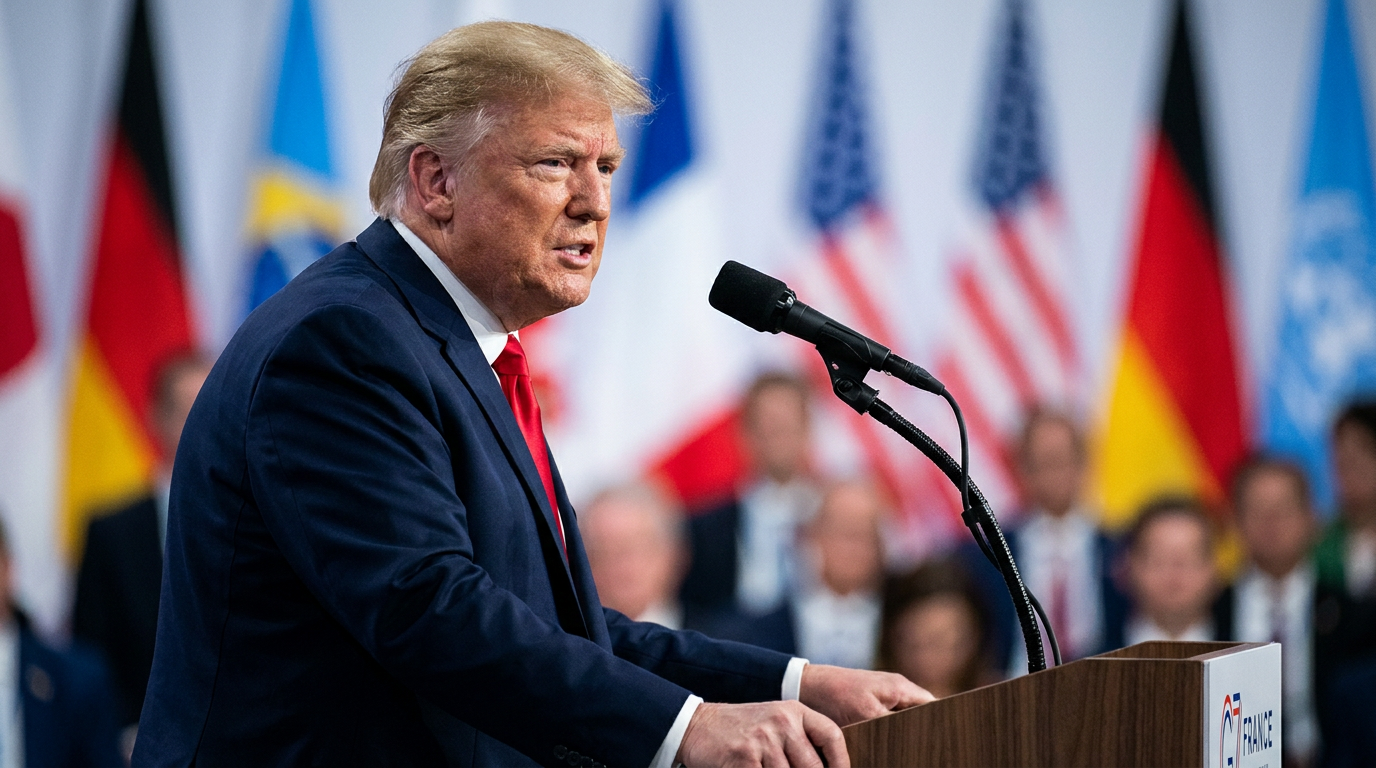
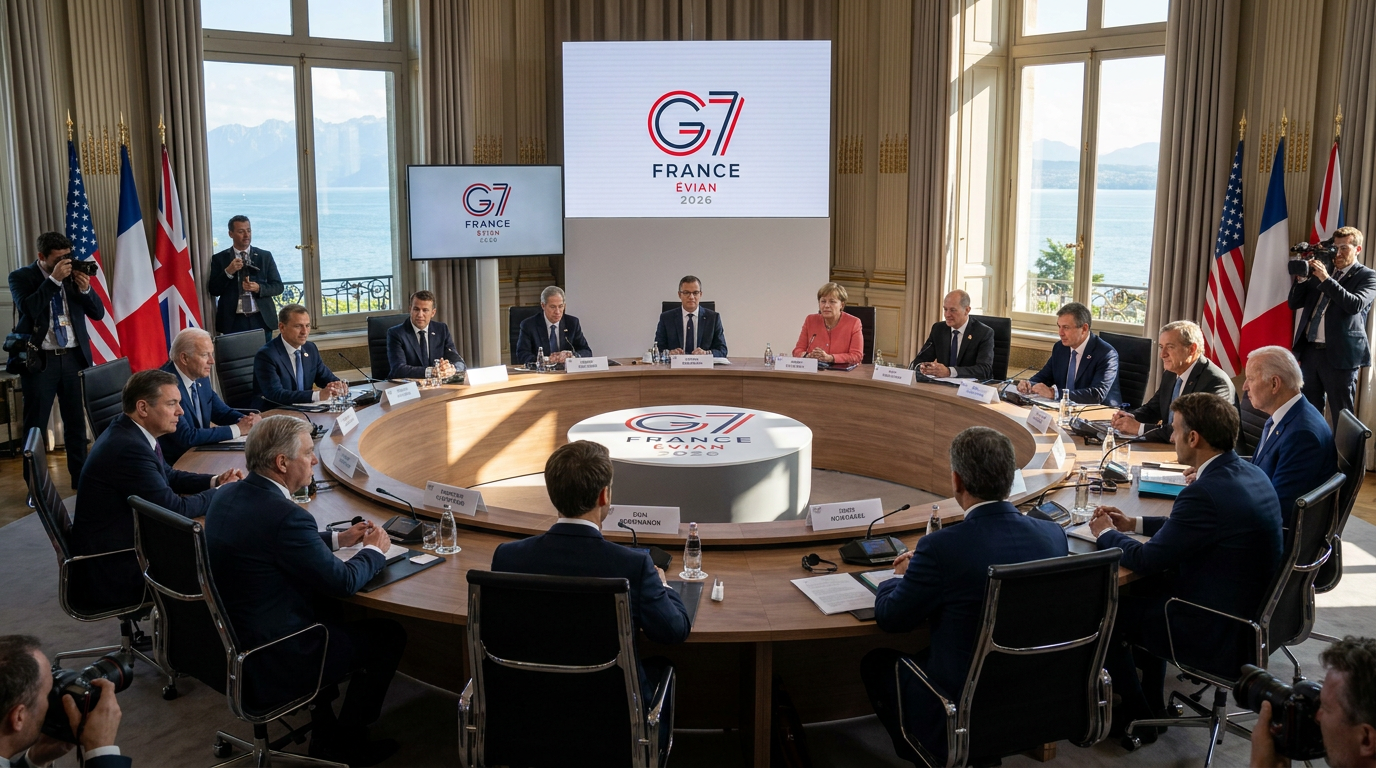
President Trump expressed visible frustration with Israel's actions during the G7 summit in France. Speaking to reporters, Trump criticized Netanyahu's handling of what he termed a "minor war" against Hezbollah, stating that Israel should have finished the job faster. He specifically condemned the recent bombing of an apartment building in Beirut as "vicious," noting that such strikes inevitably cause civilian casualties and complicate the delicate diplomacy with Tehran.[1][2][5]

President Trump expressed visible frustration with Israel's actions during the G7 summit in France.
Trump's remarks underscored his growing impatience with his long-time ally. The U.S. President reminded reporters of his administration's unprecedented support for Israel, bluntly stating that without his intervention, "there would be no Israel." Trump suggested that the Syrian government might actually be better equipped to manage the Hezbollah threat, a stark pivot in U.S. rhetoric regarding regional security dynamics.[1][2]
Back in Washington, the Trump administration is working to finalize the details of the agreement ahead of an expected signing ceremony in Switzerland on Friday. Vice President JD Vance announced that the full text of the memorandum will be released this week. Vance also pushed back against reports from Iranian state media claiming the U.S. would pay $300 billion in reconstruction reparations, clarifying that neighboring Gulf states would shoulder those costs.[3][4]
For Hezbollah, the Iranian assurances are critical. A media relations official for the Lebanese militant group confirmed they had received guarantees from Tehran that a full Israeli withdrawal from Lebanon would be demanded in the next phase of talks. This places the U.S. in the difficult position of having to enforce terms on an ally that feels its fundamental security requirements are being sidelined for a broader geopolitical win.[1]

The standoff highlights the complex, multi-front nature of the conflict. While the U.S. and Israel coordinated closely during the initial strikes against Iran—including the operation that killed Iran's supreme leader—their strategic objectives have diverged. Washington is eager to claim a historic diplomatic victory and stabilize the global economy, while Jerusalem remains focused on dismantling the immediate military threats on its northern border.[1][5]
As Friday's signing ceremony approaches, the international community is watching closely to see if Trump can leverage his self-described "unbelievable personal relationship" with Netanyahu to force a compromise. If Israel continues its campaign in Lebanon, Iran may refuse to sign the memorandum, plunging the Middle East back into a volatile and unpredictable state of war.[1][2][3]
How we got here
March 2026
The wider regional war begins following an Israeli military strike that killed Iran's supreme leader.
Early June 2026
The U.S. and Iran reach a tentative agreement on a 60-day ceasefire.
June 15, 2026
Netanyahu publicly refuses to withdraw Israeli forces from Lebanon, defying the terms of the U.S.-Iran deal.
June 16, 2026
President Trump rebukes Netanyahu at the G7 summit, criticizing Israel's handling of the war in Lebanon.
June 19, 2026
Expected date for the U.S. and Iran to officially sign the memorandum of understanding in Switzerland.
Viewpoints in depth
U.S. Administration's View
The White House prioritizes finalizing the historic peace deal with Iran and views Israel's continued operations in Lebanon as an unnecessary risk.
President Trump and his administration are focused on securing a major diplomatic victory by ending the 15-week war with Iran. They view the conflict with Hezbollah in Lebanon as a 'minor war' that should have been concluded swiftly. Trump's public frustration stems from the belief that Israel's aggressive tactics—such as bombing residential buildings in Beirut—are disproportionate and directly threaten the 60-day ceasefire he negotiated with Tehran. The U.S. is signaling that its patience is wearing thin, reminding Israel of its heavy reliance on American support.
Israeli Government's View
Israel insists it is not bound by a U.S.-Iran agreement and must maintain military freedom in Lebanon to protect its citizens.
Prime Minister Benjamin Netanyahu and his coalition argue that Israel cannot outsource its national security to a bilateral agreement between Washington and Tehran. From Jerusalem's perspective, Hezbollah remains an existential threat on its northern border, and withdrawing troops before the militant group's infrastructure is fully dismantled would be a strategic failure. Israeli officials emphasize that they were not a party to the U.S.-Iran memorandum and therefore have no obligation to adhere to terms that compromise their right to self-defense.
Iranian & Lebanese View
Tehran and Hezbollah demand a complete Israeli withdrawal from Lebanese territory as a non-negotiable condition for peace.
For Iran, securing an Israeli withdrawal from Lebanon is a crucial deliverable to present to its domestic audience and its regional allies. Foreign Minister Abbas Araghchi has made it clear that the war cannot be considered over as long as Israeli troops occupy Lebanese soil. Hezbollah, heavily battered by the 15-week conflict, is relying on Tehran's diplomatic leverage to force Israel out, viewing any continued occupation or airstrikes as a blatant violation that nullifies the ceasefire.
What we don't know
- Whether Iran will refuse to sign the memorandum on Friday if Israeli troops remain in Lebanon.
- How the U.S. might penalize Israel if Netanyahu continues to defy the ceasefire terms.
- The exact mechanisms for enforcing the proposed 'pilot zones' in southern Lebanon.
Key terms
- Memorandum of Understanding (MOU)
- A formal agreement between two or more parties outlining the terms and details of a mutual understanding, often used as a precursor to a binding treaty.
- Hezbollah
- A heavily armed, Iran-backed Shia militant group and political party based in Lebanon, which has been engaged in ongoing conflict with Israel.
- G7 Summit
- An annual meeting of leaders from seven of the world's advanced economies to discuss global security, economic, and diplomatic issues.
Frequently asked
Why is Trump criticizing Netanyahu?
Trump is frustrated that Israel's continued military strikes in Lebanon, particularly in civilian areas of Beirut, threaten to derail the fragile peace deal the U.S. just negotiated with Iran.
What does the U.S.-Iran deal require of Israel?
According to Iranian officials, the deal mandates that Israel withdraw its military forces from territories it occupied in Lebanon during the recent conflict.
Is the U.S. paying reparations to Iran?
No. Vice President JD Vance clarified that while reconstruction funds are part of the broader agreement, neighboring Gulf states will provide the money, not the United States.
Will Israel agree to leave Lebanon?
Currently, Prime Minister Netanyahu says Israel will not withdraw, arguing that Israel is not bound by the U.S.-Iran agreement and must secure its border against Hezbollah.
Sources
Source coverage
6 outlets
3 viewpoints surfaced





[1]The GuardianIranian & Lebanese Officials
Iran says peace deal requires Israel to leave Lebanon as Trump criticises Netanyahu
Read on The Guardian →[2]CBS NewsU.S. Negotiators
Trump "not happy" with Netanyahu's handling of war against Hezbollah in Lebanon
Read on CBS News →[3]AP NewsIsraeli Security Establishment
Israel's Netanyahu acknowledges halt in fighting with Iran but vows to respond 'with force' to future attacks
Read on AP News →[4]Democracy NowU.S. Negotiators
Israel's Netanyahu Says He Won't Withdraw from Lebanon, Defying Terms of U.S. Deal with Iran
Read on Democracy Now →[5]NDTVIsraeli Security Establishment
Iran War Live: Trump Slams Israeli Attacks On Lebanon At G7 Summit
Read on NDTV →[6]Al JazeeraIranian & Lebanese Officials
Iran war live: Israel kills four in Lebanon as Trump criticises Netanyahu
Read on Al Jazeera →
More in news politics
See all 5 stories →Senate Race
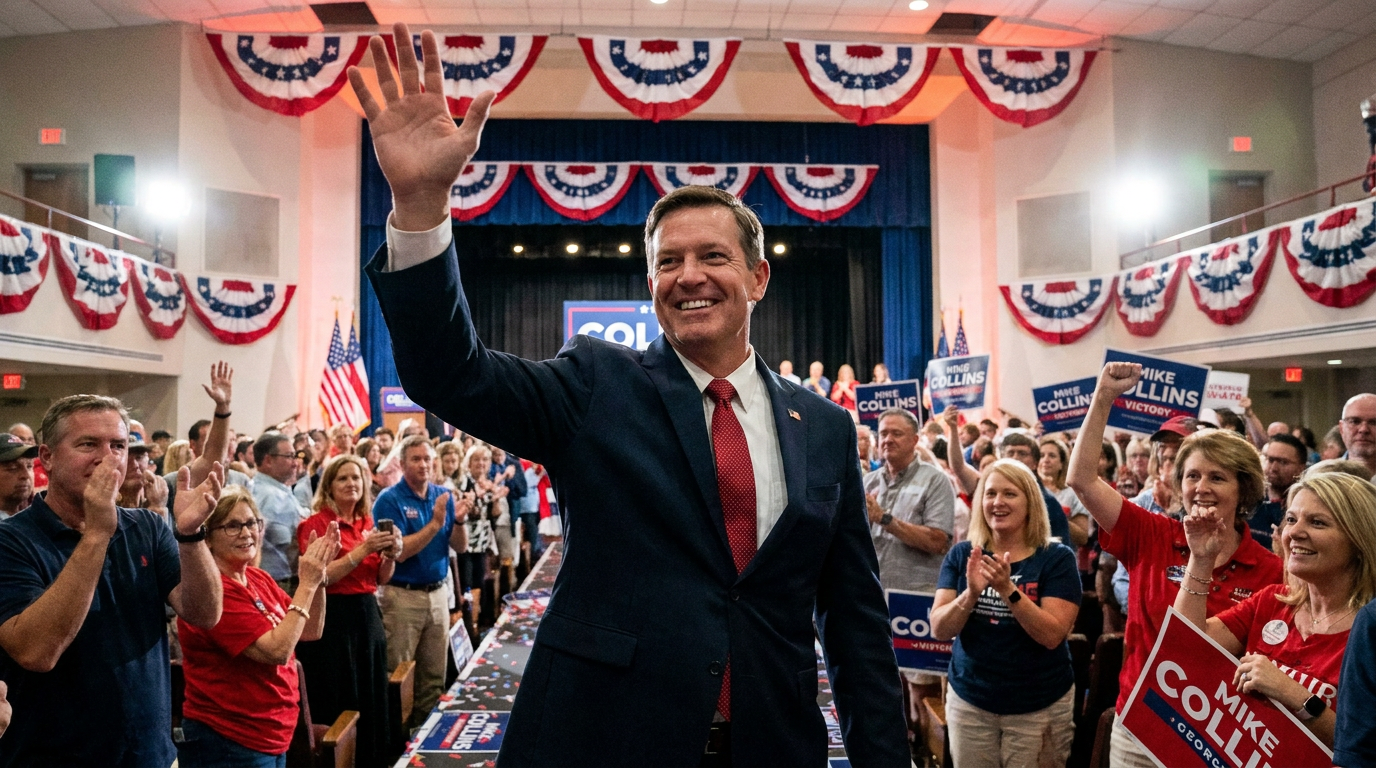
Mike Collins Wins Georgia Republican Senate Runoff, Setting Up Matchup With Jon Ossoff
0 sources
West Bank Control
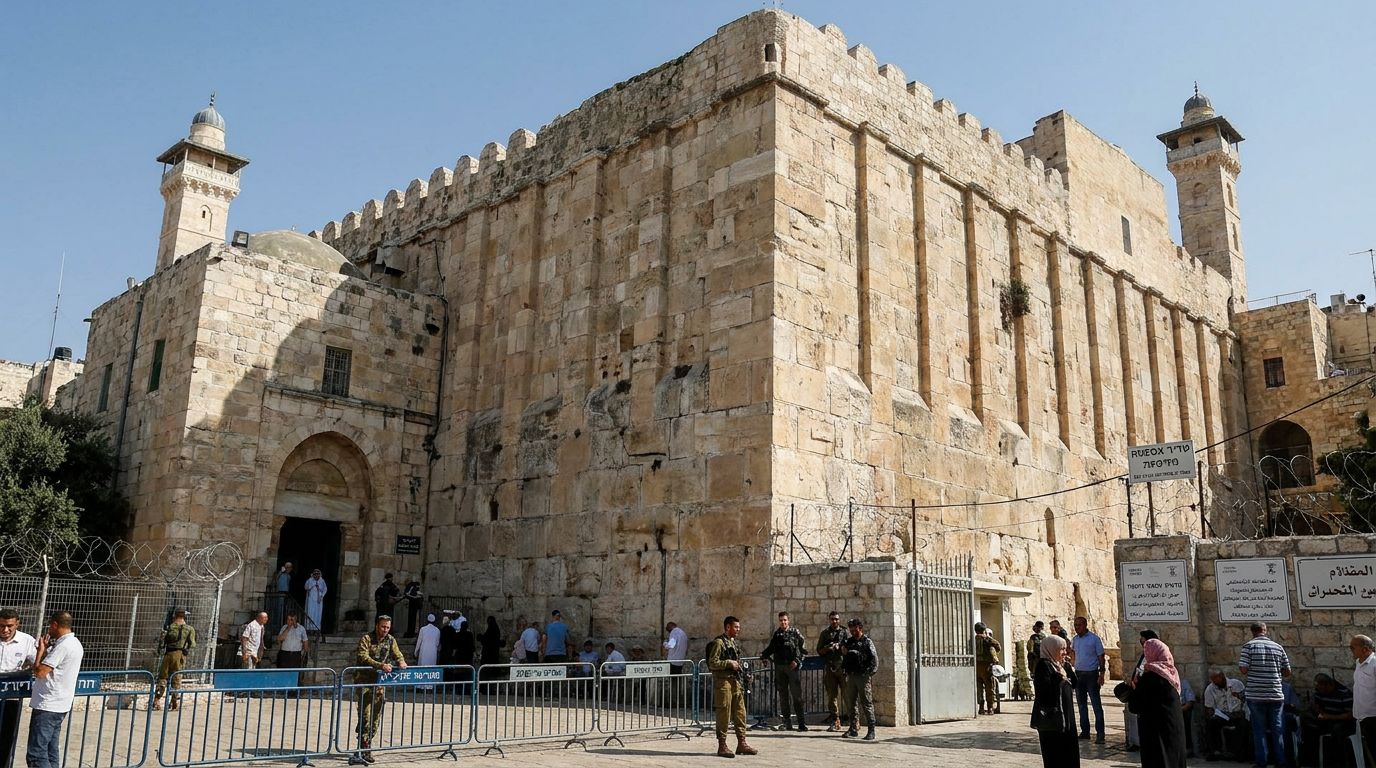
Israel Seizes Civil Authority Over Hebron Holy Sites in Major West Bank Shift
0 sources
US-Iran Relations
US and Iran Sign Memorandum of Understanding to End War and Reopen Strait of Hormuz
0 sources
Every angle. Every day.
Get news politics stories with full source coverage and perspective breakdowns delivered to your inbox.