
U.S. and Iran Reach Interim Peace Deal to Reopen Strait of Hormuz as Trump Clashes with Netanyahu Over Lebanon
The Trump administration and Iran have agreed to a memorandum of understanding to halt hostilities and reopen the critical Strait of Hormuz, setting the stage for renewed nuclear negotiations. However, the fragile truce is being tested by Israeli Prime Minister Benjamin Netanyahu's refusal to withdraw forces from Lebanon, prompting rare public rebukes from President Trump.
By Factlen Editorial Team
- U.S. Administration
- Prioritizes ending the regional war, reopening the Strait of Hormuz to lower gas prices, and securing a broad nuclear commitment from Tehran.
- Israeli Leadership
- Focused on eliminating the immediate security threat from Hezbollah in Lebanon and skeptical of any Iran deal that leaves proxy forces intact.
- Iranian Government
- Seeks immediate sanctions relief and reconstruction funds while demanding a full regional ceasefire, including in Lebanon, before finalizing nuclear concessions.
- Global Economic Observers
- Primarily concerned with the unhindered flow of oil through the Strait of Hormuz to stabilize global energy markets.
What's not represented
- · Lebanese civilians affected by the ongoing Israeli strikes
- · European allies reliant on the Strait of Hormuz for energy
Why this matters
The reopening of the Strait of Hormuz promises immediate relief to global energy markets battered by the conflict, potentially lowering gas prices worldwide. However, the deepening rift between the U.S. and Israel threatens to unravel the broader Middle East peace framework before a final nuclear accord can be secured.
Key points
- The U.S. and Iran electronically signed a memorandum of understanding to halt hostilities.
- The agreement reopens the Strait of Hormuz to international shipping, lowering oil prices.
- A 60-day window has been established to negotiate a comprehensive nuclear accord.
- A proposed $300 billion reconstruction fund for Iran will be bankrolled by Gulf states.
- Israeli PM Benjamin Netanyahu is defying the ceasefire terms by continuing strikes in Lebanon.
- President Trump publicly rebuked Netanyahu, warning the Lebanon offensive threatens the Iran deal.
The United States and Iran have reached a historic interim agreement to pause their months-long war and reopen the Strait of Hormuz, signaling a potential off-ramp to a conflict that has devastated global energy markets.[4][9]
The memorandum of understanding, which was electronically signed by President Donald Trump, Vice President JD Vance, and Iranian parliamentary speaker Mohammad Bagher Ghalibaf, establishes a sixty-day window to negotiate a comprehensive nuclear accord.[7][9]
A formal signing ceremony is scheduled to take place on Friday at the Bürgenstock resort in Switzerland, where international mediators hope to cement the fragile truce.[6][9]
The immediate economic impact of the deal centers on the Strait of Hormuz, a critical maritime choke point for nearly one-fifth of the world's oil supply.[6][9]

Trump announced that the strait would reopen toll-free to international shipping by the end of the week, a declaration that immediately sent global oil prices tumbling after months of crisis.[6]
In exchange for halting hostilities, the agreement outlines a potential $300 billion reconstruction fund for the war-battered Iranian economy.[6][8]
Vice President Vance clarified that these reparations would be bankrolled by neighboring Gulf states rather than American taxpayers, and stressed that the release of funds would be strictly tied to Tehran's performance.[6][8]
The core of the upcoming sixty-day negotiations will focus heavily on Iran's nuclear program, an issue that has plagued relations since the collapse of previous diplomatic frameworks.[1][9]

Trump claims that Tehran has already agreed to "never have a nuclear weapon," though Iranian officials maintain that final commitments remain contingent on the United States delivering on comprehensive sanctions relief.[6][9]
The Biden-era and Obama-era diplomatic frameworks loom large over these talks, as the Trump administration faces immense domestic pressure to secure a significantly more stringent deal to justify the heavy human and economic costs of taking the country to war.[1]
However, the entire peace framework is currently being threatened by a severe diplomatic rift between Washington and its closest regional ally, Israel.[4][5]
Israeli Prime Minister Benjamin Netanyahu has publicly defied the terms of the U.S.-Iran ceasefire, vowing to maintain Israeli military occupation in southern Lebanon until the threat from the Iran-backed militant group Hezbollah is neutralized.[4][8]
Netanyahu's refusal to withdraw has infuriated Trump, who views the ongoing Lebanon campaign as a dangerous complication to his signature diplomatic achievement with Tehran.[3][5]

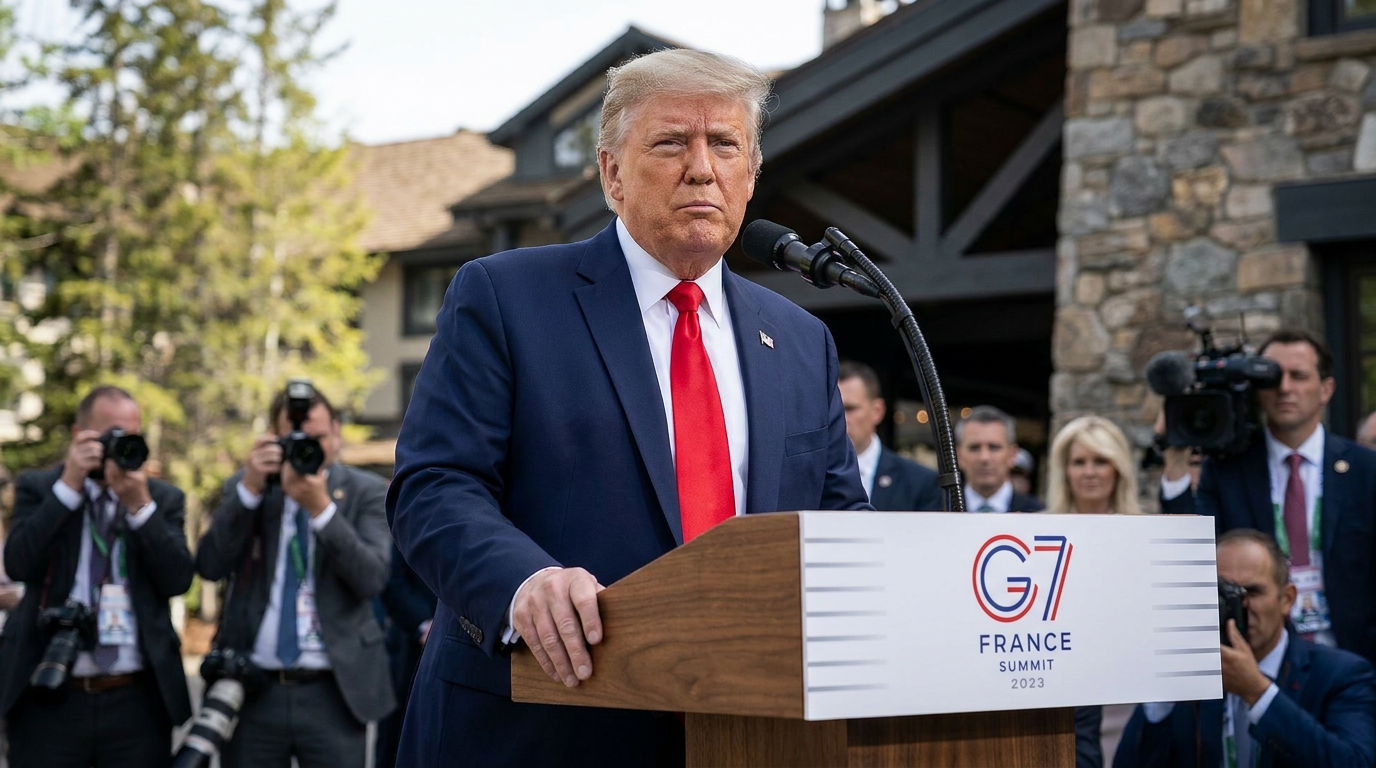
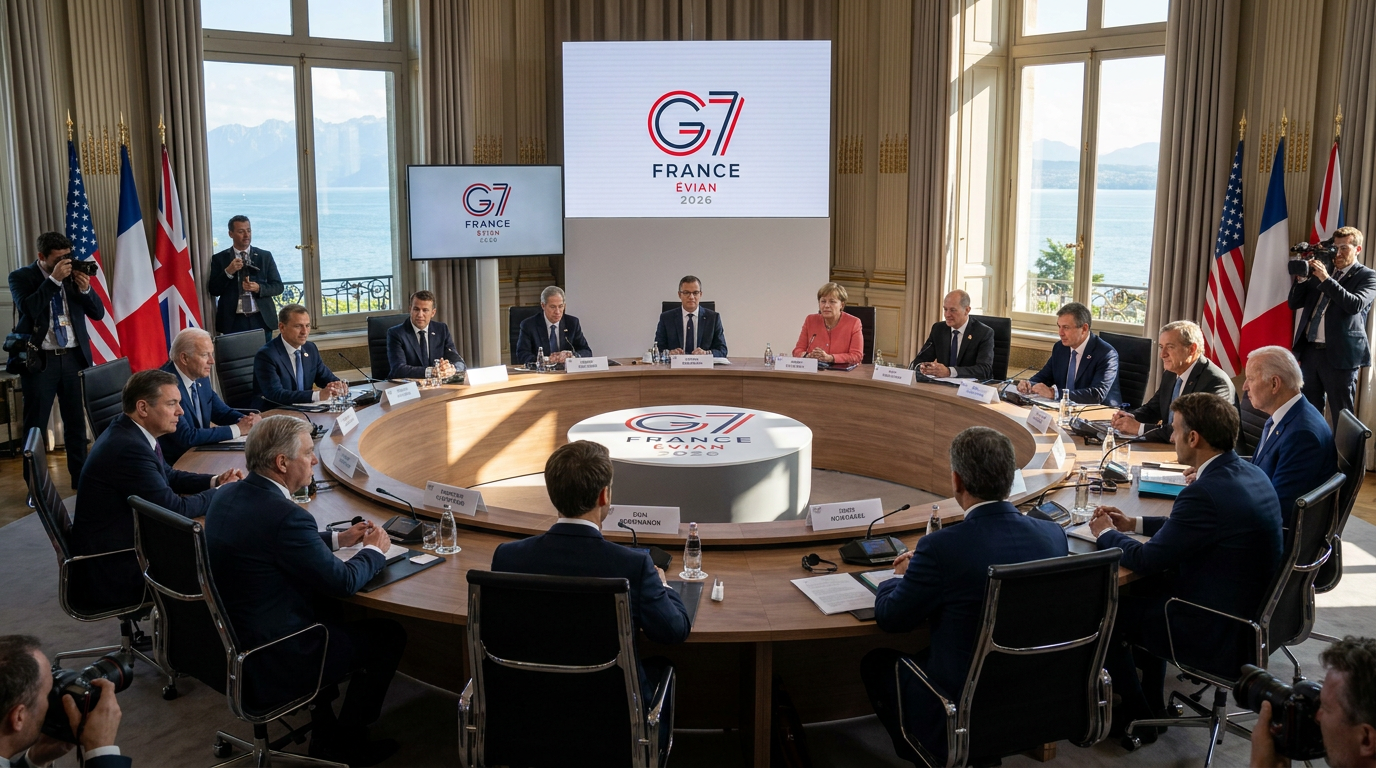
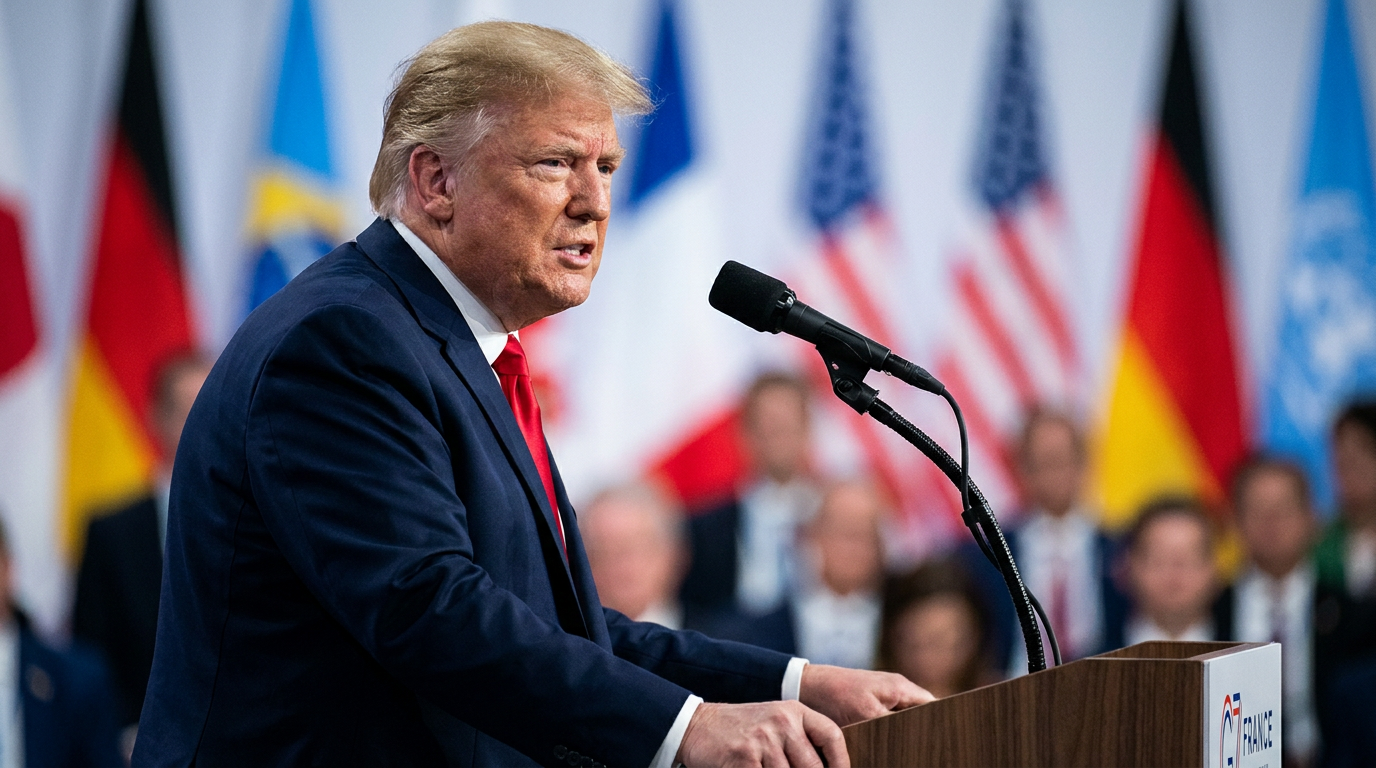
Speaking at the G7 summit in France, Trump delivered a rare and blistering public rebuke of the Israeli leader, stating that Netanyahu must be "more responsible" and complaining that the Lebanon offensive throws a negative light on the broader Iran deal.[2][3]
The tensions reportedly boiled over in a heated phone call where Trump used expletives and called Netanyahu "crazy" for expanding airstrikes into Beirut just as the Iran agreement was being finalized.[4][5]
Iran has explicitly warned that it will consider the interim agreement violated if Israel does not halt its attacks and withdraw from Lebanese territory, effectively linking the fate of the two theaters of war.[4][8]
How we got here
April 2025
The U.S. and Iran begin direct negotiations in Oman aimed at reaching a new nuclear agreement.
June 2025
Negotiations collapse, leading to U.S. and Israeli strikes on Iranian nuclear sites and the outbreak of a regional war.
February 2026
The conflict reignites with large-scale strikes following months of stalled talks.
June 14, 2026
U.S. and Iranian officials electronically sign a memorandum of understanding to halt hostilities.
June 19, 2026
A formal signing ceremony for the interim peace agreement is scheduled to take place in Switzerland.
Viewpoints in depth
The U.S. Administration's view
Washington is focused on ending the war, lowering global energy prices, and securing a legacy-defining nuclear deal.
For the Trump administration, the interim agreement represents a massive diplomatic and economic victory. By reopening the Strait of Hormuz, the White House can immediately ease the global energy crisis and lower domestic gas prices ahead of the U.S. elections. Officials argue that the 60-day window provides the leverage needed to force Iran into a permanent, verifiable commitment to abandon its nuclear ambitions, effectively succeeding where previous administrations failed. Consequently, they view Israel's continued operations in Lebanon as an unnecessary distraction that jeopardizes the broader strategic win.
The Israeli Government's view
Jerusalem insists that it cannot accept a peace deal that leaves heavily armed Iranian proxies on its borders.
Israeli leadership, spearheaded by Prime Minister Benjamin Netanyahu, views the U.S.-Iran negotiations with deep skepticism. From their perspective, a deal that pauses direct conflict with Tehran but allows Hezbollah to maintain its military infrastructure in Lebanon is a strategic failure. Israeli officials argue that their national security requires the complete neutralization of threats on their northern border, and they are unwilling to subordinate their immediate defense needs to Washington's desire for a swift diplomatic resolution with Iran.
The Iranian Government's view
Tehran is demanding comprehensive sanctions relief and a halt to all regional Israeli operations before finalizing nuclear concessions.
For Iran, the memorandum of understanding is a necessary step to relieve a battered economy and secure a massive, Gulf-backed reconstruction fund. However, Iranian officials are acutely aware of the leverage they hold. They maintain that any final commitment regarding their nuclear program is strictly contingent upon the U.S. delivering on its promises of sanctions relief. Furthermore, Tehran is using its proxy network to pressure the U.S., explicitly warning that the entire peace framework will collapse if Israel does not cease its military campaign in Lebanon.
What we don't know
- Whether Iran will ultimately agree to fully dismantle its nuclear enrichment program during the 60-day negotiation window.
- If the U.S. will take punitive action against Israel if Netanyahu continues to refuse a withdrawal from Lebanon.
- The exact mechanisms by which the Gulf states will fund and monitor the $300 billion reconstruction package for Iran.
Key terms
- Strait of Hormuz
- A critical maritime choke point between the Persian Gulf and the Gulf of Oman, through which roughly 20% of the world's oil supply passes.
- Memorandum of Understanding
- A formal, non-binding agreement between two or more parties outlining the terms and details of an understanding, often preceding a final treaty.
- Hezbollah
- A heavily armed, Iran-backed militant group and political party based in Lebanon, currently engaged in intense conflict with Israel.
Frequently asked
What is the U.S.-Iran interim agreement?
It is a memorandum of understanding that pauses the ongoing war, reopens the Strait of Hormuz, and sets a 60-day window for final nuclear negotiations.
Will the Strait of Hormuz reopen?
Yes, under the agreement, the critical maritime choke point is scheduled to reopen toll-free to international shipping by the end of the week.
Why is Trump criticizing Netanyahu?
President Trump is frustrated that Israel's continued military operations in Lebanon against Hezbollah threaten to derail the broader U.S.-Iran peace deal.
Who is paying for Iran's reconstruction?
Vice President JD Vance stated that a proposed $300 billion reconstruction fund for Iran would be bankrolled by neighboring Gulf states, not the U.S.
Sources
Source coverage
9 outlets
4 viewpoints surfaced









[1]The New York TimesGlobal Economic Observers
Obama’s Nuclear Deal Looms Over Trump’s Iran Negotiations
Read on The New York Times →[2]Al JazeeraIranian Government
Iran war live: Israel kills four in Lebanon as Trump criticises Netanyahu
Read on Al Jazeera →[3]TimeU.S. Administration
Trump says Israel's Netanyahu must be 'more responsible' on Lebanon
Read on Time →[4]Associated PressIsraeli Leadership
Netanyahu and Trump are at odds over the war they started together
Read on Associated Press →[5]NPRIsraeli Leadership
Trump and Netanyahu at odds after heated call over Israel's offensive into Lebanon
Read on NPR →[6]The HinduGlobal Economic Observers
U.S.-Iran peace deal to be signed at Switzerland's Burgenstock resort on Friday
Read on The Hindu →[7]AxiosU.S. Administration
Trump's Iran deal: 8 unresolved questions
Read on Axios →[8]Democracy Now!Iranian Government
Israel's Netanyahu Says He Won't Withdraw from Lebanon, Defying Terms of U.S. Deal with Iran
Read on Democracy Now! →[9]Council on Foreign RelationsGlobal Economic Observers
What to Know About the U.S.-Iran Interim Agreement
Read on Council on Foreign Relations →
More in news politics
See all 10 stories →West Bank Control
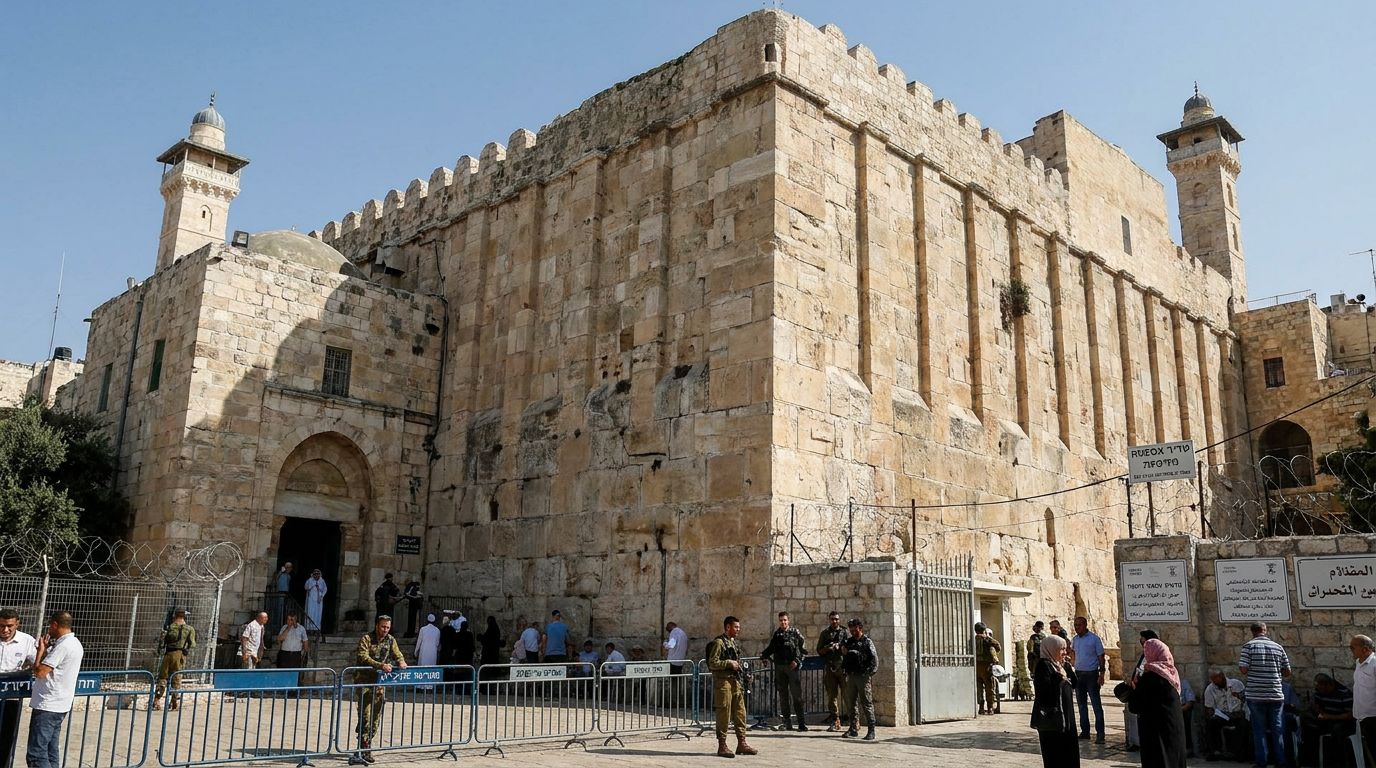
Israel Seizes Civil Authority Over Hebron Holy Sites in Major West Bank Shift
0 sources
US-Iran Relations
US and Iran Sign Memorandum of Understanding to End War and Reopen Strait of Hormuz
0 sources
Middle East War
Trump Rebukes Netanyahu Over Lebanon as Israel Defies Terms of U.S.-Iran Peace Deal
0 sources
Middle East Peace
US-Iran Peace Deal Threatened by Standoff Over Israeli Forces in Lebanon
0 sources
Every angle. Every day.
Get news politics stories with full source coverage and perspective breakdowns delivered to your inbox.