
US-Iran Peace Deal Threatened by Standoff Over Israeli Forces in Lebanon
A historic preliminary agreement to end the 15-week US-Iran war is facing a severe stress test as Tehran demands Israel withdraw from Lebanon, a condition Israeli leadership has explicitly rejected.
By Factlen Editorial Team
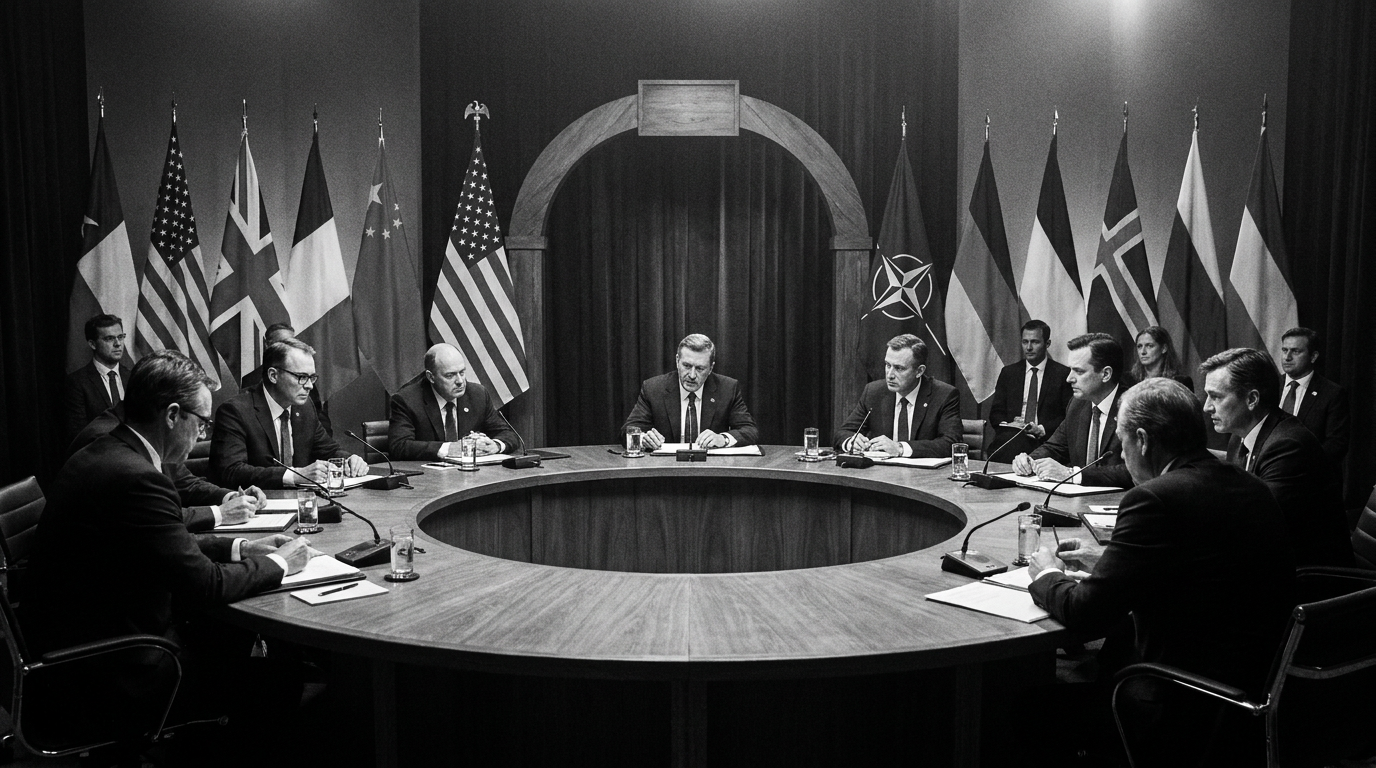
- US Administration
- Prioritizes the broader US-Iran peace deal and reopening global trade routes.
- Israeli Government
- Insists on maintaining a security buffer in southern Lebanon and refuses to be bound by the US-Iran deal.
- Iranian Leadership
- Conditions the US peace deal on Israel's complete withdrawal from Lebanese territory.
- Lebanese Civilians & Authorities
- Caught in the crossfire, desperate for the ceasefire to apply to their territory to end mass displacement.
What's not represented
- · European Union Mediators
- · Global Shipping Companies
- · Gulf Arab States
Why this matters
The successful implementation of the US-Iran peace deal is critical to reopening the Strait of Hormuz and stabilizing global energy markets. If the standoff over Lebanon derails the agreement, consumers worldwide could face renewed spikes in oil prices and prolonged disruptions to international shipping.
Key points
- The US and Iran have signed a preliminary agreement to end their 15-week war and reopen the Strait of Hormuz.
- Iran insists the deal requires Israel to withdraw its forces from southern Lebanon.
- Israeli Prime Minister Benjamin Netanyahu has explicitly ruled out an immediate withdrawal from Lebanon.
- US President Donald Trump publicly criticized Israel's handling of the Lebanon conflict, warning it threatens the broader peace deal.
- A formal signing ceremony for the US-Iran agreement is scheduled for Friday in Switzerland.
The United States and Iran have reached a historic preliminary agreement to end their 15-week war, but the fragile peace is already facing a severe stress test over the ongoing conflict in Lebanon.[1][2]
The memorandum of understanding, digitally signed earlier this week, aims to formally halt hostilities and reopen the Strait of Hormuz, a critical artery for global energy markets that has been effectively shut down since the conflict erupted in late February.[2][7]
A formal signing ceremony is scheduled for Friday at the Bürgenstock resort in Switzerland, brokered by Pakistani and Qatari mediators.[3]
However, the diplomatic breakthrough is being threatened by a third party: Israel. While the United States and Iran are the primary signatories, Tehran insists the ceasefire must apply to all regional fronts, specifically demanding that Israeli forces withdraw from southern Lebanon.[1][3]

Iranian Foreign Minister Abbas Araghchi stated that any continued Israeli occupation or military strikes in Lebanese territory would constitute a direct violation of the US-Iran agreement.[1][3]
Israel, which launched a parallel ground invasion of Lebanon in March to dismantle the Iranian-backed militant group Hezbollah, maintains that it is not bound by the bilateral pact.[3][6]
Prime Minister Benjamin Netanyahu has explicitly ruled out an immediate withdrawal, stating in a televised address that Israeli troops will remain in the security zones they have established for as long as it is required to defend the country.[2][6]
National Security Minister Itamar Ben-Gvir and other hardline members of the Israeli coalition have urged the government to ignore the terms entirely, arguing that Israel was not at the negotiating table and cannot outsource its border security.[1][6]

This standoff has created an unprecedented public rift between the United States and its closest Middle Eastern ally.[2][4]
This standoff has created an unprecedented public rift between the United States and its closest Middle Eastern ally.
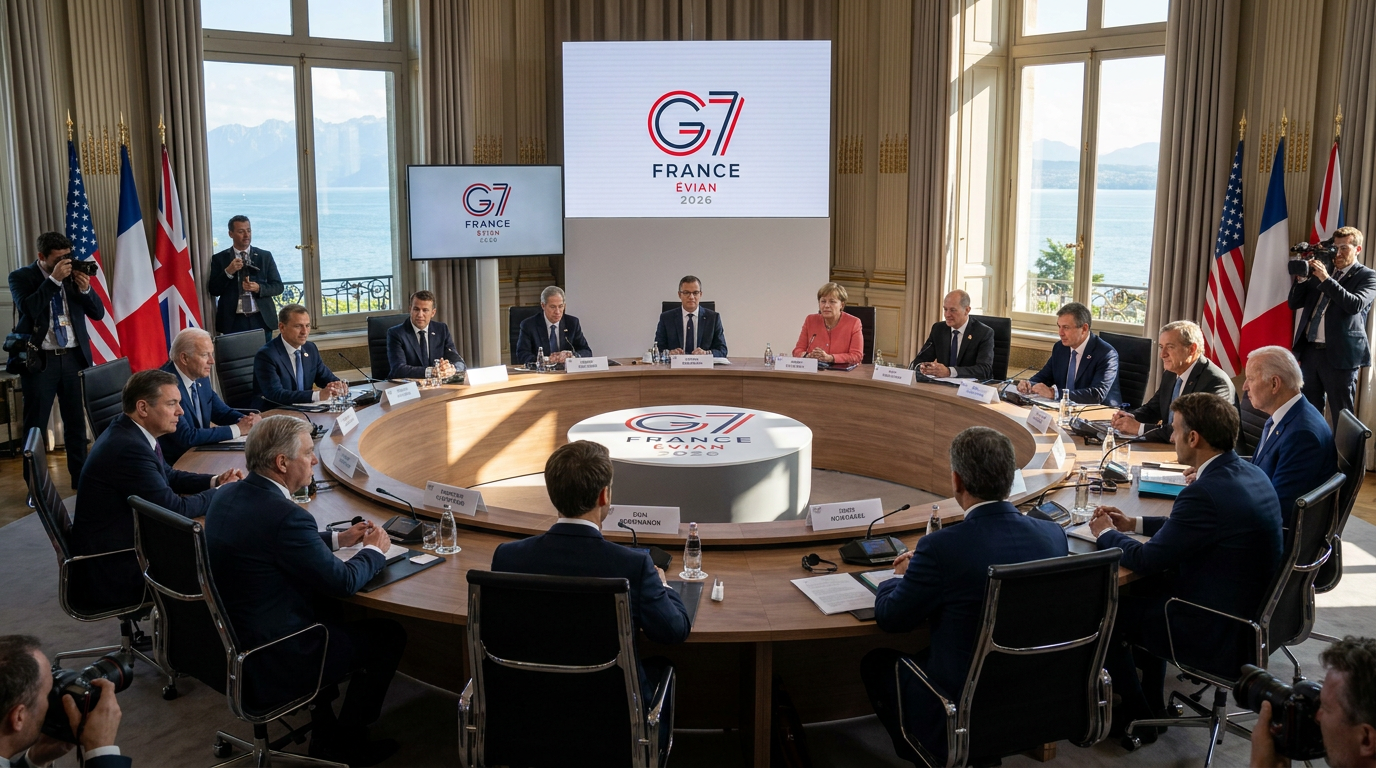
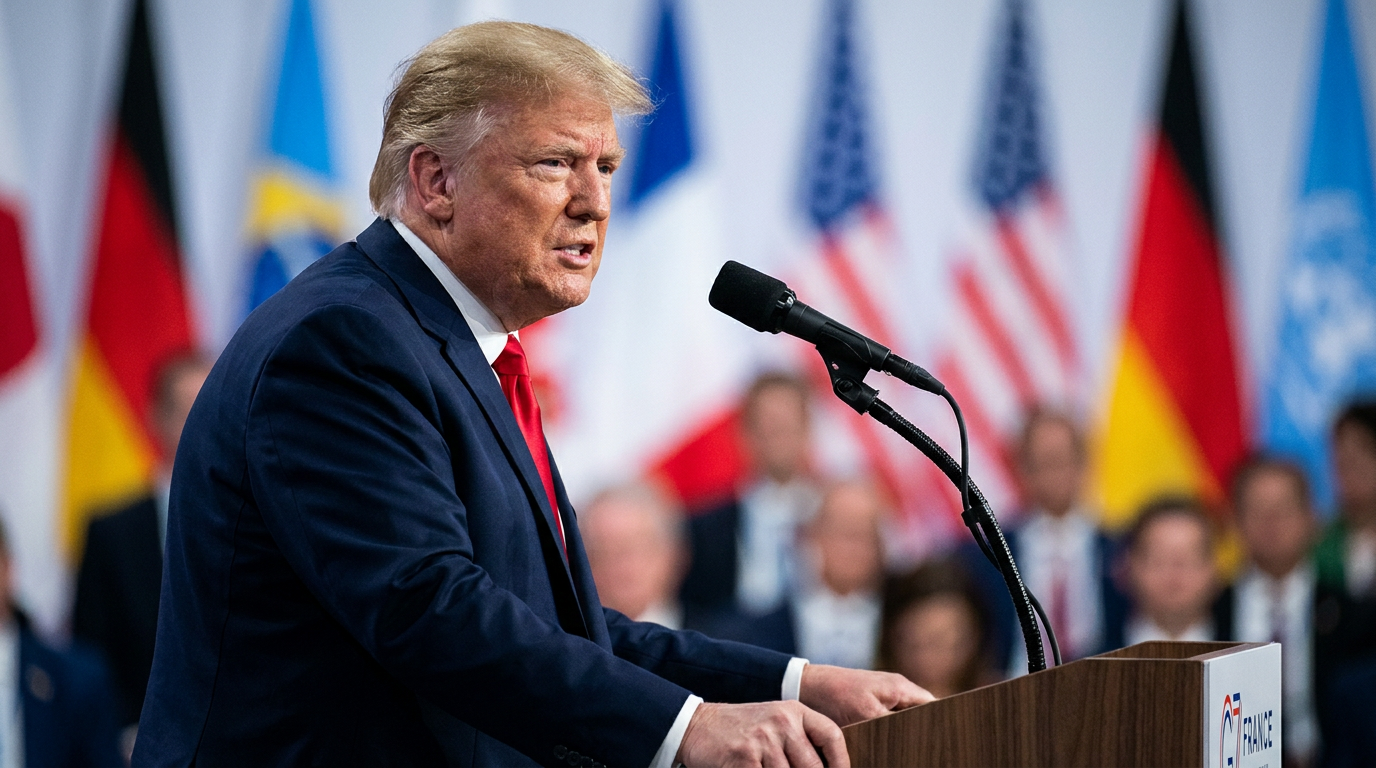
Speaking alongside other world leaders at the G7 summit in France, US President Donald Trump openly criticized Netanyahu's handling of what he termed a minor war against Hezbollah.[1][2]
Trump expressed frustration that the ongoing clashes in Lebanon are casting a negative light on the big deal with Iran, suggesting that Israeli forces should have finished the job faster and that they need to be more responsible.[2]
The mechanism of the dispute hinges on differing interpretations of the ceasefire's scope. Pakistan, a key mediator in the talks, corroborated that the deal calls for an end to military operations across the region, including in Lebanon.[3][7]
Yet, US officials speaking on background have offered contradictory interpretations, with some suggesting that an Israeli withdrawal from Lebanon is not a strict condition of the pact.[3][6]
Analysts note that Netanyahu faces immense domestic pressure; withdrawing from the northern border without neutralizing Hezbollah's rocket threat would be viewed as a massive political failure and a repudiation of the security lessons learned over the past three years.[4][6]
Meanwhile, the stakes for the global economy remain incredibly high. The 15-week war, which began with the US-Israeli Operation Epic Fury, has disrupted global trade, halted flights, and caused severe fuel shortages in parts of Asia.[7]

US intelligence agencies reportedly warn that Iran retains the capability to shut down the Strait of Hormuz whenever it chooses, meaning the US-Iran deal must hold to ensure long-term economic stability.[5]
Sporadic violence continues to test the waters. While the overall intensity of the fighting has decreased, Israeli drone strikes were reported in southern Lebanon this week, resulting in multiple fatalities.[1][5]

How we got here
Feb 28, 2026
The US and Israel launch Operation Epic Fury against Iran, sparking a 15-week regional war.
March 2026
Israel begins ground operations in southern Lebanon to counter Hezbollah rocket fire.
June 14, 2026
The US and Iran digitally sign a preliminary agreement to end hostilities.
June 16, 2026
US President Donald Trump publicly criticizes Israel's refusal to withdraw from Lebanon.
June 19, 2026
Formal signing ceremony for the US-Iran peace deal scheduled in Switzerland.
Viewpoints in depth
US Administration's View
Prioritizes the broader US-Iran peace deal and the reopening of global trade routes over the localized conflict in Lebanon.
For Washington, the primary objective is securing the historic peace agreement with Tehran and stabilizing the global economy by reopening the Strait of Hormuz. US officials view the ongoing Israel-Hezbollah conflict as a secondary, albeit dangerous, complication. The administration has expressed open frustration with Israel's refusal to expedite its operations in Lebanon, arguing that the localized border dispute should not be allowed to derail a massive geopolitical breakthrough that ends a 15-week regional war.
Israeli Government's View
Views Hezbollah as an existential threat and refuses to be bound by a bilateral agreement it did not sign.
Israeli leadership maintains that the US-Iran memorandum of understanding is strictly a bilateral pact that does not legally or morally bind Israel's security operations. Having suffered years of rocket fire from Hezbollah, the government insists that withdrawing from the security buffer in southern Lebanon without neutralizing the militant group would be a dereliction of duty. Hardline coalition members argue that Israel cannot outsource its border security to international mediators and must retain the right to strike threats regardless of broader diplomatic timelines.
Iranian Leadership's View
Demands a comprehensive regional ceasefire, conditioning the US peace deal on Israel's complete withdrawal from Lebanese territory.
Tehran views the conflict holistically, arguing that the 'Axis of Resistance'—including Hezbollah in Lebanon—is integral to the broader geopolitical equation. Iranian diplomats insist that the ceasefire must apply to all fronts simultaneously. They argue that any continued Israeli occupation or military action in southern Lebanon constitutes a direct violation of the spirit and letter of the US-Iran agreement, threatening to walk away from the table if their allies are left exposed to Israeli offensives.
What we don't know
- Whether the US will apply direct financial or military leverage to force Israel's withdrawal from Lebanon.
- How Iran will respond if Israel continues its drone strikes in southern Lebanon after the formal signing.
- The exact, unredacted text of the US-Iran memorandum of understanding regarding regional proxies.
Key terms
- Strait of Hormuz
- A narrow waterway between the Persian Gulf and the Gulf of Oman through which a significant portion of the world's oil supply passes.
- Memorandum of Understanding (MoU)
- A preliminary agreement outlining the terms of a deal before a formal, legally binding treaty is signed.
- Buffer Zone
- A neutral or demilitarized area established to separate hostile forces and prevent cross-border conflict.
Frequently asked
Why is the US-Iran deal threatened by Lebanon?
Iran insists that the peace agreement requires Israel to withdraw its forces from southern Lebanon, but Israel maintains it is not bound by the US-Iran deal and will stay to secure its border.
Did Israel sign the ceasefire agreement?
No. The preliminary agreement is strictly between the United States and Iran, though it has massive implications for Israel's ongoing military operations.
What happens to the Strait of Hormuz?
The US-Iran deal includes provisions to reopen the Strait of Hormuz, allowing commercial oil tankers to resume normal trade routes after months of disruption.
Sources
Source coverage
7 outlets
4 viewpoints surfaced







[1]CBS NewsIranian Leadership
Live Updates: Deal with U.S. requires Israeli forces to leave Lebanon, Iran says
Read on CBS News →[2]TIMEUS Administration
Trump Says Netanyahu Has to Be 'More Responsible With Respect to Lebanon'
Read on TIME →[3]CTV NewsIranian Leadership
Iran says the deal to end the war with the U.S. requires Israel to withdraw from Lebanon
Read on CTV News →[4]Al JazeeraLebanese Civilians & Authorities
'Netanyahu's life project failed with US-Iran deal'
Read on Al Jazeera →[5]The Jerusalem PostIsraeli Government
Live Updates: Latest from Israel, Iran, and Middle East
Read on The Jerusalem Post →[6]The GuardianIsraeli Government
Netanyahu declares victory over Iran – and rules out withdrawal from Lebanon
Read on The Guardian →[7]Britannica
2026 Iran war | Explained, United States, Israel, Strait of Hormuz, Map, & Conflict
Read on Britannica →
More in news politics
See all 6 stories →Senate Race
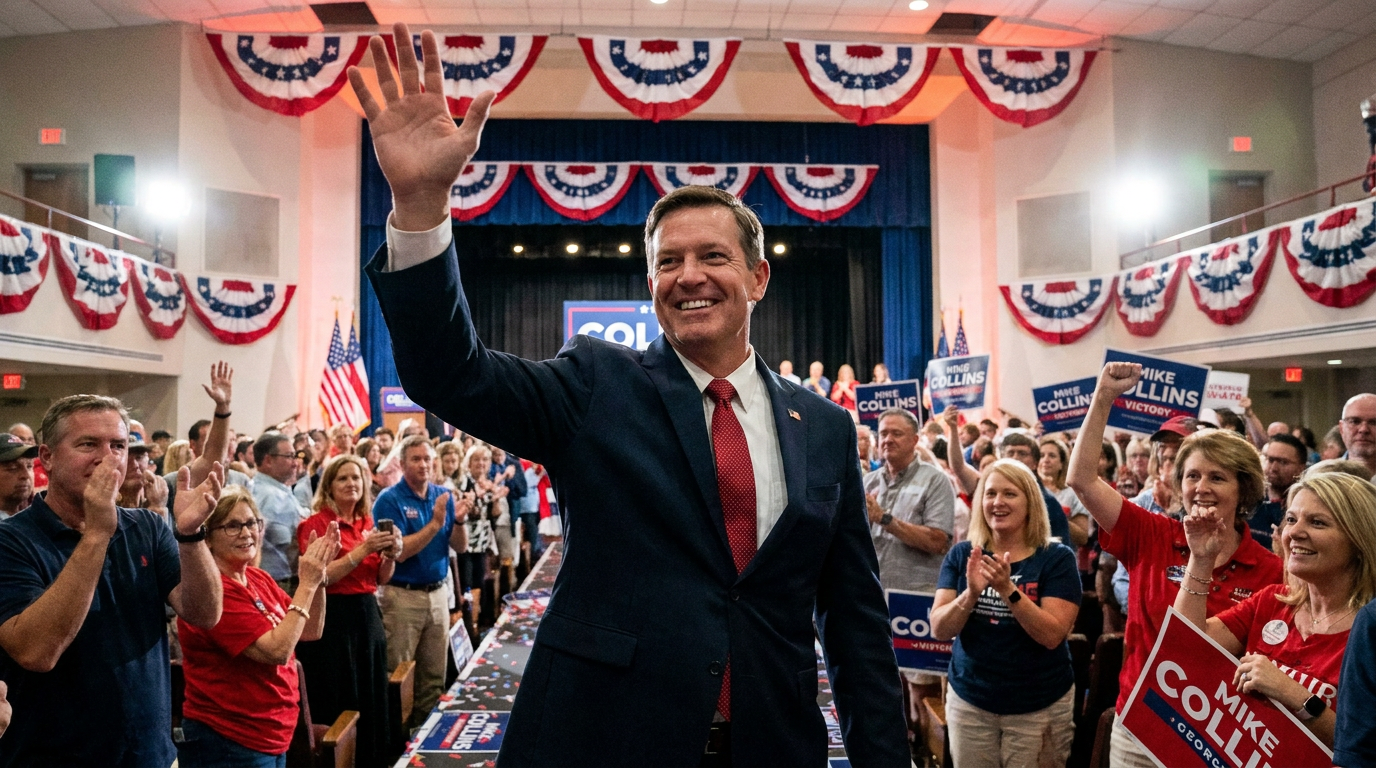
Mike Collins Wins Georgia Republican Senate Runoff, Setting Up Matchup With Jon Ossoff
0 sources
West Bank Control
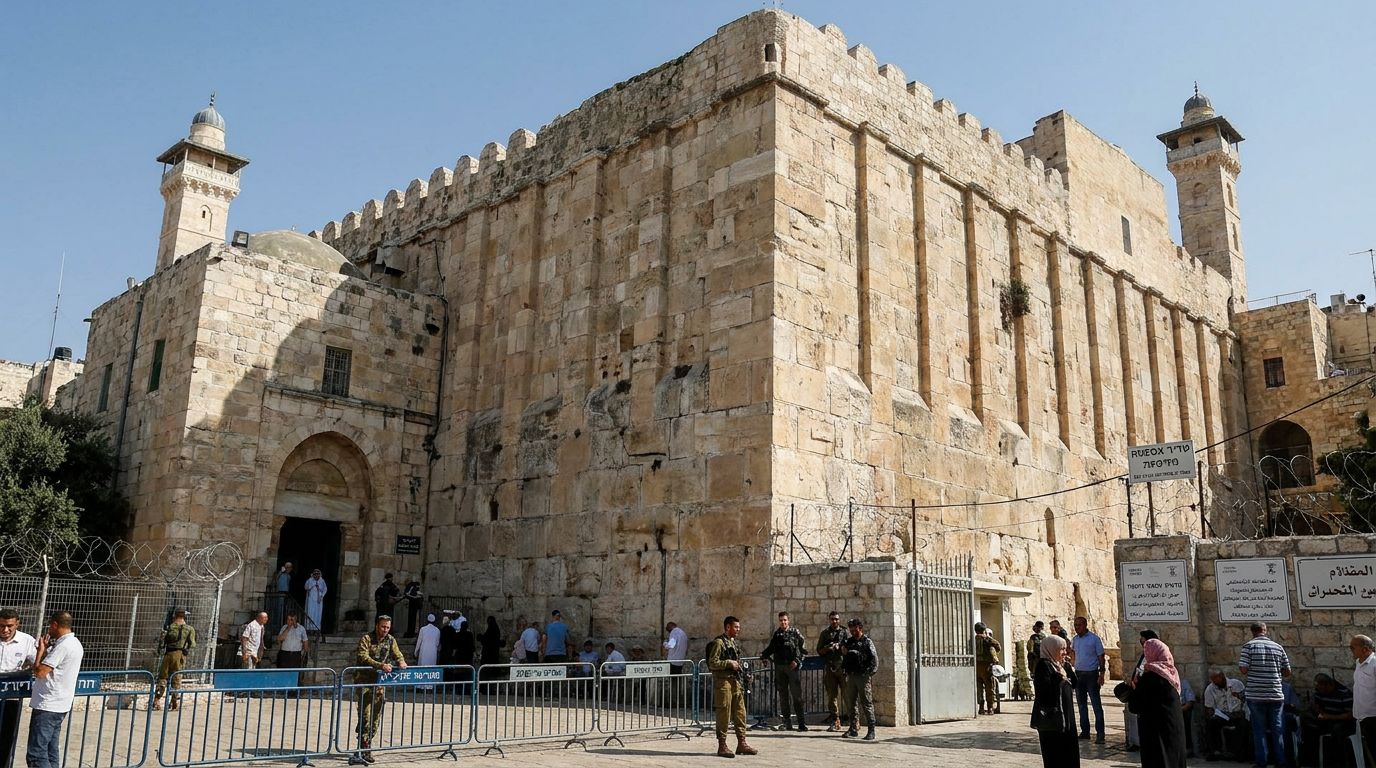
Israel Seizes Civil Authority Over Hebron Holy Sites in Major West Bank Shift
0 sources
US-Iran Relations
US and Iran Sign Memorandum of Understanding to End War and Reopen Strait of Hormuz
0 sources
Middle East War
Trump Rebukes Netanyahu Over Lebanon as Israel Defies Terms of U.S.-Iran Peace Deal
0 sources
Every angle. Every day.
Get news politics stories with full source coverage and perspective breakdowns delivered to your inbox.