
U.S. and Iran Reach Preliminary Agreement to End War, but Lebanon Conflict Threatens Ceasefire
The United States and Iran have digitally signed a memorandum of understanding to halt hostilities and reopen the Strait of Hormuz, setting the stage for a formal ceremony in Switzerland. However, ongoing Israeli military operations in Lebanon threaten to complicate the fragile 60-day ceasefire.
By Factlen Editorial Team
- U.S. Administration
- Values ending the direct conflict, reopening global trade routes, and securing a diplomatic win.
- Iranian Leadership
- Values sanctions relief and regime survival, while conditioning the broader peace on Israel halting its Lebanon offensive.
- Israeli Government
- Prioritizes immediate border security and the dismantling of Hezbollah, insisting it is not bound by Washington's agreements with Tehran.
What's not represented
- · Lebanese Civilians
- · Arab Gulf States
Why this matters
The reopening of the Strait of Hormuz—a critical chokepoint for a fifth of the world's oil—has already sent global energy prices dropping, offering immediate relief to the global economy. But if the parallel conflict in Lebanon derails the agreement, the U.S. could be dragged back into a devastating regional war.
Key points
- The U.S. and Iran digitally signed an MOU establishing a 60-day ceasefire and reopening the Strait of Hormuz.
- A formal signing ceremony is scheduled for Friday in Switzerland, kicking off negotiations on Iran's nuclear program.
- Global oil prices dropped $4 per barrel following the announcement.
- Iran warned that continued Israeli military operations in Lebanon would violate the U.S.-Iran agreement.
- President Trump publicly criticized Israeli Prime Minister Benjamin Netanyahu's handling of the conflict in Lebanon.
- Israel insists it is not bound by the U.S.-Iran deal and will maintain security zones in southern Lebanon.
The United States and Iran have reached a preliminary agreement to end the devastating 2026 war, digitally signing a memorandum of understanding that halts hostilities and paves the way for the reopening of the Strait of Hormuz.[1][4]
The initial pact, signed Sunday by President Donald Trump, Vice President J.D. Vance, and Iranian parliamentary speaker Mohammad Bagher Ghalibaf, establishes a 60-day ceasefire. A formal signing ceremony is scheduled for Friday at the Bürgenstock resort in Switzerland, setting the stage for two months of intense negotiations over Iran's nuclear program and the lifting of Western sanctions.[1][3][4]
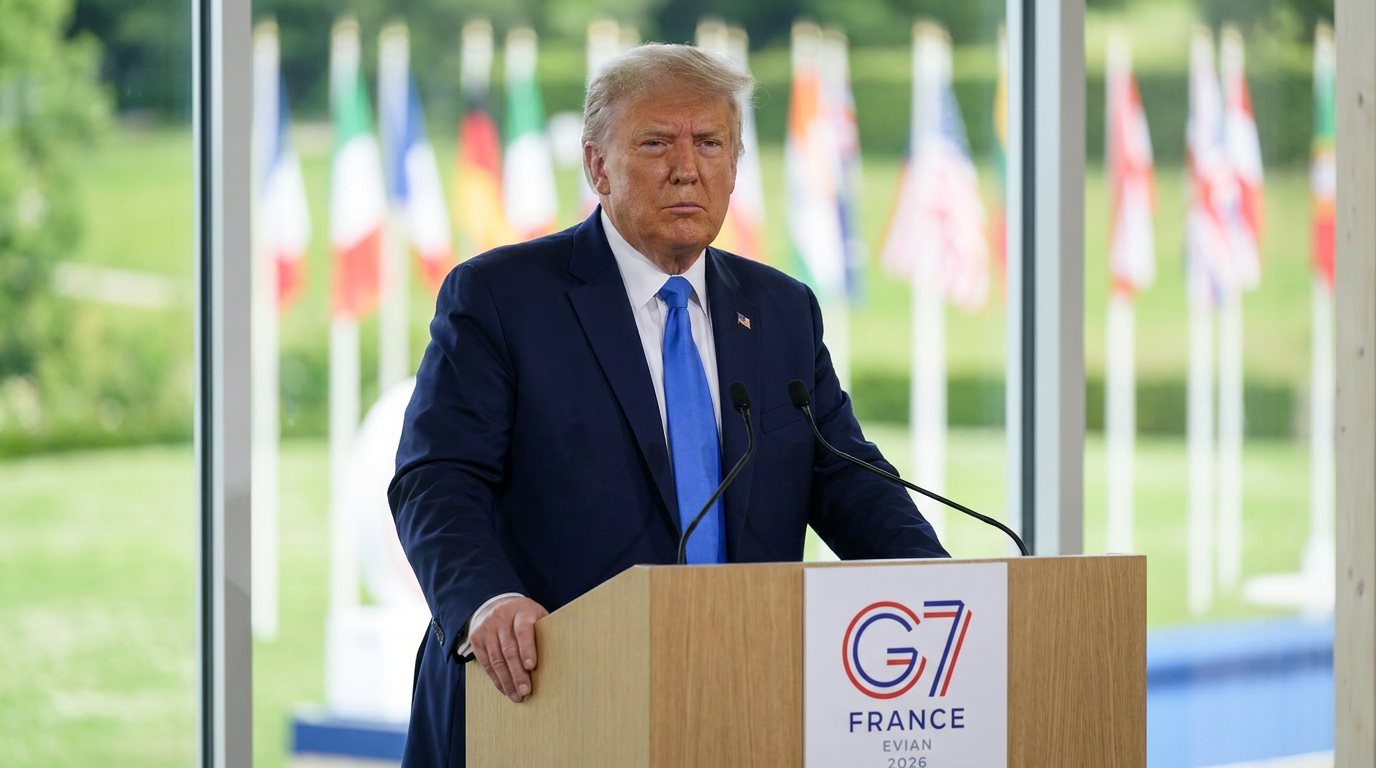
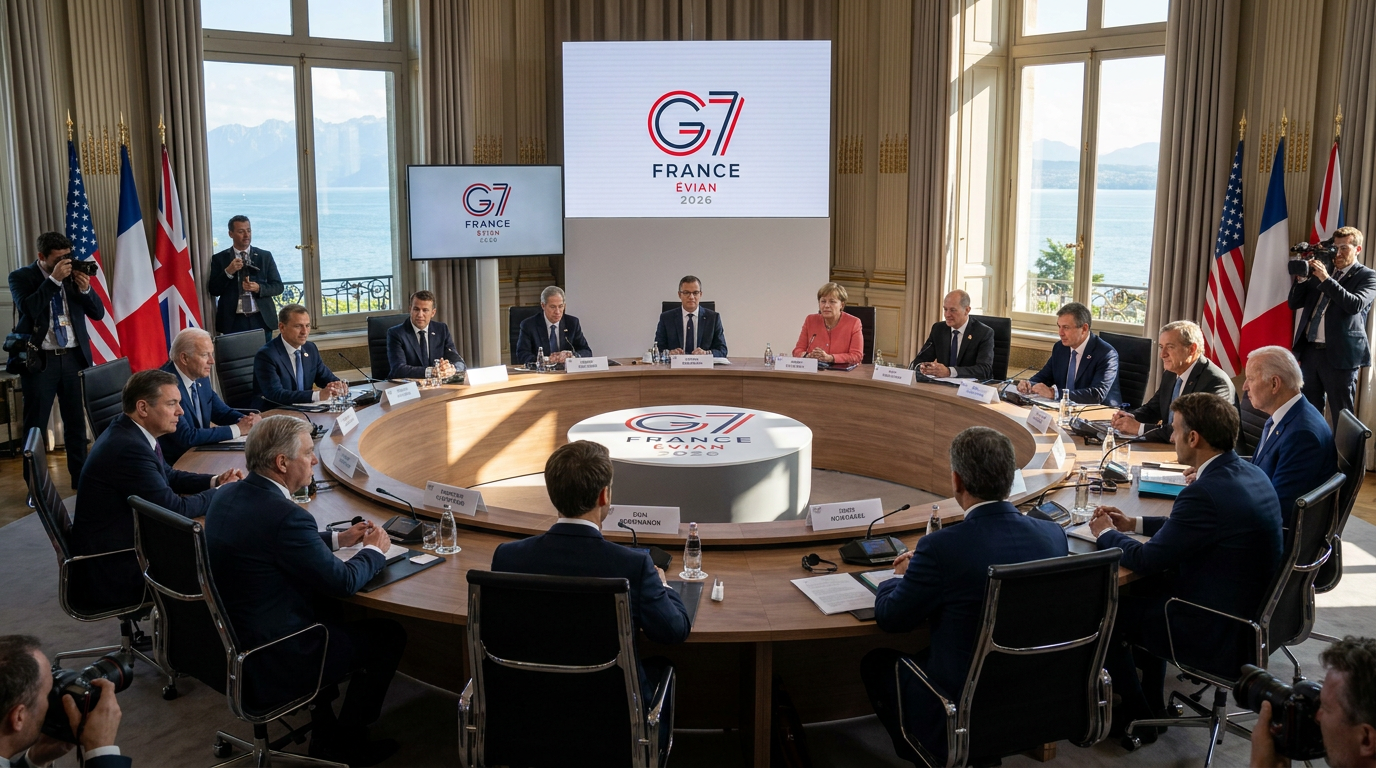
The immediate economic relief was palpable. Global oil prices dropped by $4 per barrel following the announcement, reflecting market optimism that the militarized blockade of the Strait of Hormuz—a critical artery for one-fifth of the world's oil supply—will soon end. Speaking from the G7 summit in France, Trump celebrated the economic implications, declaring that the strait would be fully open by Friday and urging the "ships of the world" to "start your engines."[1][4]

However, the diplomatic breakthrough is already being threatened by a parallel conflict: Israel's ongoing military operations against Hezbollah in Lebanon.[2][7]
Iranian Foreign Minister Abbas Araghchi warned Tuesday that any continued occupation of southern Lebanon by Israeli forces, or further Israeli airstrikes, would be considered a direct violation of the U.S.-Iran memorandum. Hezbollah has similarly indicated that Tehran will push for an Israeli withdrawal during the next phase of negotiations.[2][3]
Hezbollah has similarly indicated that Tehran will push for an Israeli withdrawal during the next phase of negotiations.
The linkage between the two conflicts has triggered a rare public rift between Washington and Jerusalem. At the G7 summit, Trump openly criticized Israeli Prime Minister Benjamin Netanyahu, stating he was "not happy" with how Israel was handling the situation in Lebanon.[2][5][6]
Trump characterized the Israel-Hezbollah fighting as a "minor war" compared to the conflict with Iran, expressing frustration that the prolonged campaign in Lebanon "throws a negative light on the big deal." He urged Netanyahu to be "more responsible" and even suggested that Syria might be better suited to handle Hezbollah.[2][6]

Behind closed doors, the friction has been even more pronounced. Following Israeli strikes on Hezbollah command centers in Beirut on Sunday—just hours before the U.S.-Iran deal was expected to be signed—Trump reportedly expressed intense anger to Netanyahu over the phone, questioning the timing and necessity of the attack.[5]
Despite the pressure from Washington, Israeli officials remain defiant. Netanyahu stated Monday that the Israel Defense Forces will maintain their security zones in southern Lebanon for "as long as it is required to defend our country." National Security Minister Itamar Ben-Gvir was more blunt, declaring that "Trump's agreement does not bind us."[1][2]
As diplomats prepare for Friday's ceremony in Geneva, the stakes are monumental. The next 60 days will require negotiators to bridge massive gaps regarding Iran's highly enriched uranium stockpiles and its regional proxy network. If the ceasefire holds, it could mark the end of a war that has destabilized the global economy; if it fractures over the fighting in Lebanon, the region risks plunging back into a broader, catastrophic conflict.[1][3][4]
How we got here
April 2025
The U.S. and Iran begin a series of negotiations aimed at reaching a nuclear peace agreement.
June 2025
Israel launches strikes against Iran after a U.S. negotiation deadline passes, igniting a broader war.
June 14, 2026
The U.S. and Iran digitally sign a memorandum of understanding to halt hostilities and reopen the Strait of Hormuz.
June 16, 2026
President Trump publicly criticizes Israeli operations in Lebanon, while Iran warns the operations violate the peace deal.
June 19, 2026
A formal signing ceremony is scheduled to take place in Geneva, Switzerland.
Viewpoints in depth
U.S. Administration
Washington views the agreement as a crucial victory for global economic stability and is frustrated by Israeli actions that threaten it.
For the White House, the primary success of the memorandum is the immediate reopening of the Strait of Hormuz, which promises to ease global energy markets and lower domestic gas prices. U.S. officials are eager to pivot to technical negotiations regarding Iran's nuclear program and view the parallel conflict in Lebanon as an unnecessary distraction. President Trump's public rebuke of Prime Minister Netanyahu underscores Washington's fear that continued Israeli operations could provoke Iran into walking away from the table before a final settlement is reached.
Iranian Leadership
Tehran seeks sanctions relief but insists that a broader peace is contingent on Israel halting its offensive in Lebanon.
Iran's government is facing a crippling economic crisis and desperately needs the sanctions relief promised by the 60-day negotiation window. However, Iranian officials are using the ceasefire to demand an end to Israeli military operations against Hezbollah, a key Iranian ally. By declaring that any continued Israeli presence in southern Lebanon violates the U.S.-Iran agreement, Tehran is attempting to force Washington to rein in Israel as a precondition for any concessions on its nuclear program.
Israeli Government
Jerusalem prioritizes its immediate border security and insists it is not bound by agreements made between Washington and Tehran.
Israeli leaders argue that the U.S.-Iran deal fails to address the immediate threat posed by Hezbollah on Israel's northern border. Prime Minister Netanyahu and his cabinet maintain that the Israel Defense Forces must retain security zones in southern Lebanon to protect Israeli citizens from rocket fire. Israeli officials have explicitly stated that they are not party to the U.S.-Iran memorandum and will not allow Washington's diplomatic timeline to dictate their military strategy, even at the cost of straining relations with the White House.
What we don't know
- Whether Iran will actually walk away from the negotiating table if Israel refuses to withdraw from southern Lebanon.
- The specific technical concessions Iran is willing to make regarding its highly enriched uranium stockpiles.
- How quickly the Strait of Hormuz can be fully cleared of mines and returned to normal commercial traffic.
Key terms
- Strait of Hormuz
- A narrow, strategically vital waterway between the Persian Gulf and the Gulf of Oman through which roughly one-fifth of the world's oil supply passes.
- Memorandum of Understanding (MOU)
- A preliminary, non-binding agreement outlining the broad terms of a deal before a formal, detailed treaty is drafted.
- Hezbollah
- A heavily armed, Iran-backed militant group and political party based in Lebanon that has been engaged in ongoing cross-border fighting with Israel.
Frequently asked
Is the war between the U.S. and Iran officially over?
Not yet. The current agreement is a preliminary 60-day ceasefire designed to halt fighting and reopen trade routes while diplomats negotiate a permanent settlement.
Why did oil prices drop?
Prices fell because the agreement includes reopening the Strait of Hormuz, a critical chokepoint for global oil shipments that had been militarized during the conflict.
How does Israel fit into the U.S.-Iran deal?
Israel is not a party to the U.S.-Iran agreement. However, Iran is demanding that Israel halt its separate military operations in Lebanon as a condition for the broader peace deal to hold.
Sources
Source coverage
7 outlets
3 viewpoints surfaced







[1]TIMEU.S. Administration
Trump and Iranian Official Sign Agreement to Stop Fighting, Reopen Strait of Hormuz
Read on TIME →[2]CBS NewsU.S. Administration
Trump 'not happy' with Netanyahu's handling of war against Hezbollah in Lebanon
Read on CBS News →[3]The GuardianIranian Leadership
Report: Two months of talks for final settlement to begin immediately after deal signing
Read on The Guardian →[4]Council on Foreign Relations
U.S. and Iran Reach Preliminary Agreement to End War
Read on Council on Foreign Relations →[5]The Jerusalem PostIsraeli Government
Trump, Netanyahu spoke on the phone after IDF struck Beirut, source tells 'Post'
Read on The Jerusalem Post →[6]Anadolu AgencyIsraeli Government
Trump says Israel's Netanyahu must be 'more responsible' on Lebanon
Read on Anadolu Agency →[7]Al JazeeraIranian Leadership
Iran war live: Israel kills four in Lebanon as Trump criticises Netanyahu
Read on Al Jazeera →
More in news politics
See all 5 stories →Senate Race
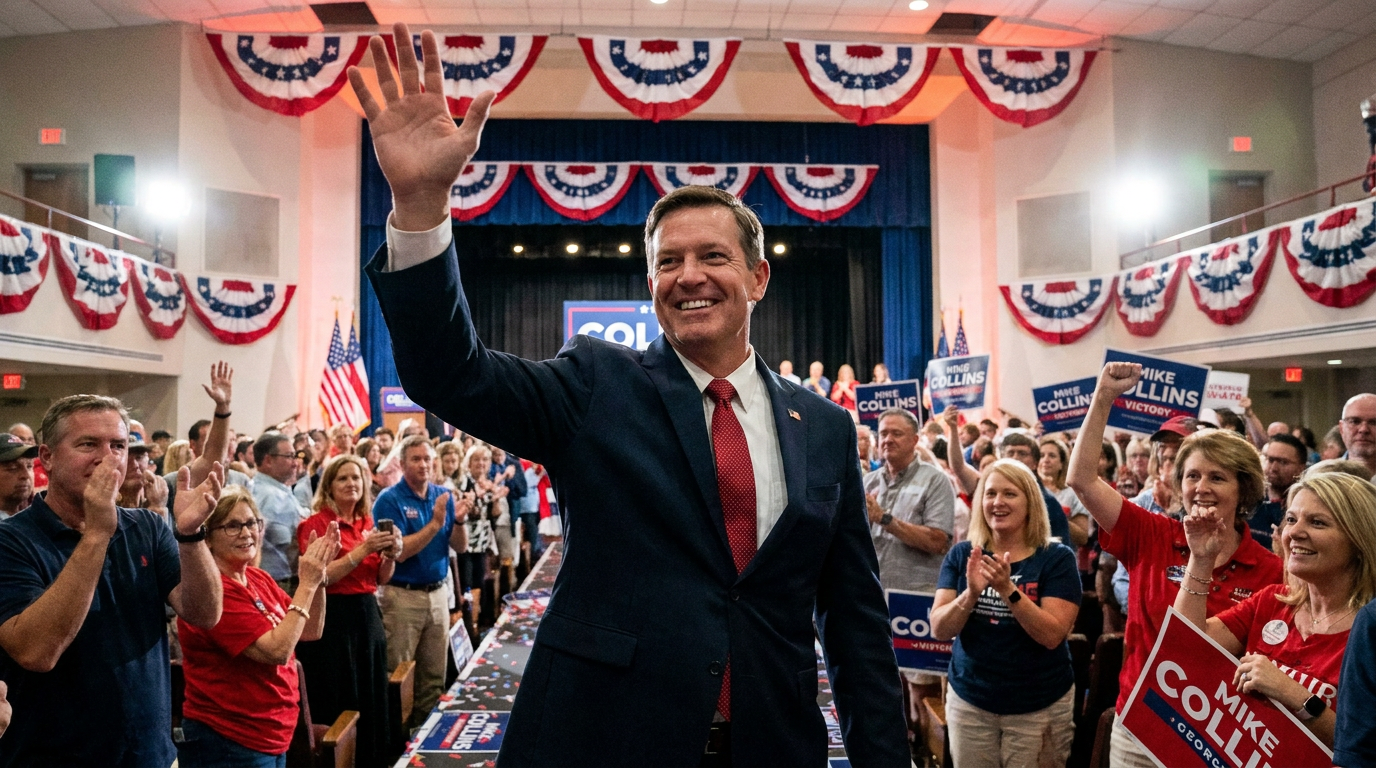
Mike Collins Wins Georgia Republican Senate Runoff, Setting Up Matchup With Jon Ossoff
0 sources
West Bank Control
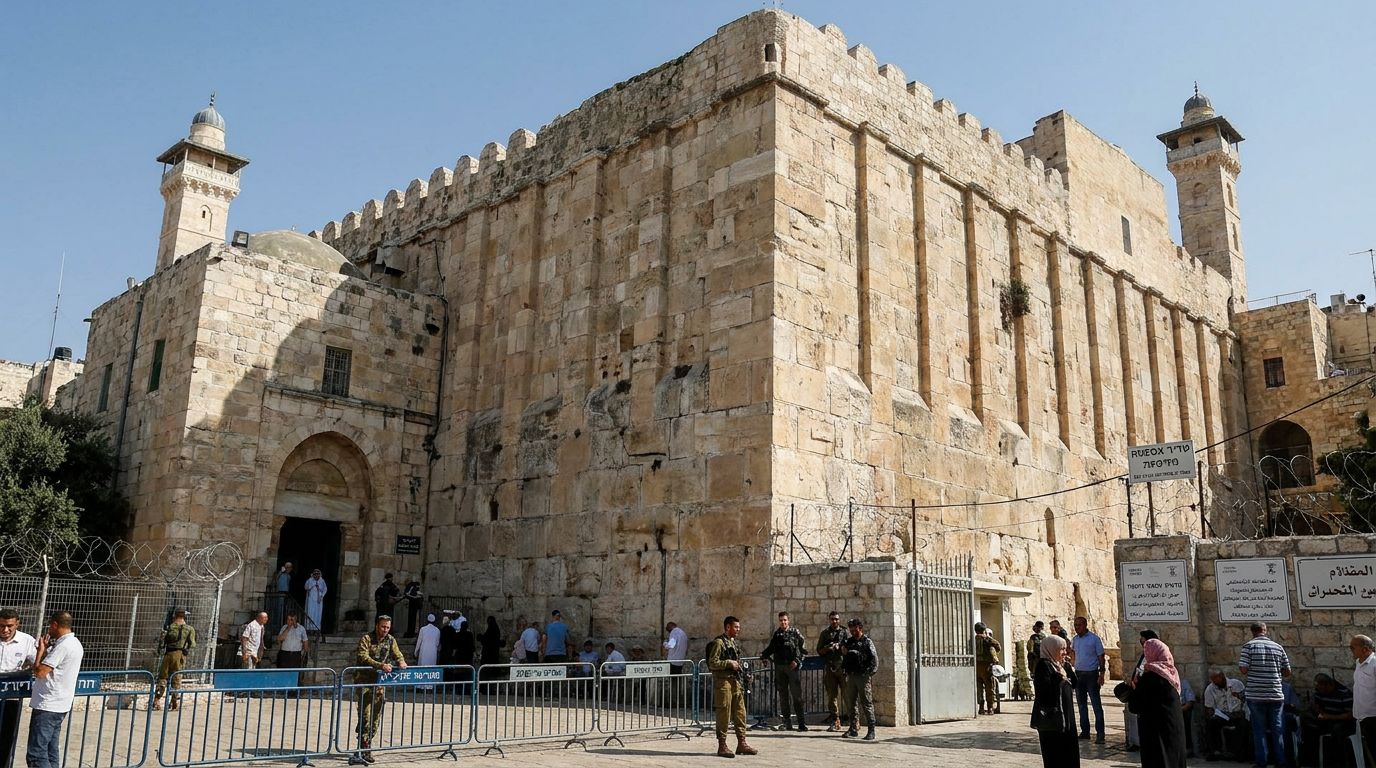
Israel Seizes Civil Authority Over Hebron Holy Sites in Major West Bank Shift
0 sources
US-Iran Relations
US and Iran Sign Memorandum of Understanding to End War and Reopen Strait of Hormuz
0 sources
Every angle. Every day.
Get news politics stories with full source coverage and perspective breakdowns delivered to your inbox.