
Gen Z Drives Historic Resurgence in Physical Music as Industry Pivots to Sustainable Vinyl
Driven by a desire for tangible connection in a digital era, Gen Z has pushed physical music sales to record highs in 2026, prompting major labels to introduce fully recycled and eco-friendly vinyl formats.
By Factlen Editorial Team
- Gen Z Collectors
- View physical media as a necessary escape from digital fatigue and a way to tangibly own and connect with art.
- Industry Strategists
- Treat physical formats as a premium tier of fandom that provides crucial, high-margin revenue alongside streaming.
- Eco-Conscious Innovators
- Focus on eliminating the environmental impact of physical music through recycled materials and bioplastics.
What's not represented
- · Independent pressing plant operators
- · Audio purists and audiophiles
Why this matters
As digital rental models dominate modern life, the resurgence of physical music proves that consumers still crave tangible ownership and uninterrupted experiences. The industry's simultaneous shift toward eco-friendly vinyl ensures this analog revival won't come at the cost of the climate.
Key points
- Gen Z consumers are driving a massive resurgence in physical music, with nearly 60% purchasing vinyl records.
- Global vinyl revenues grew by 13.7% over the past year, marking 19 consecutive years of expansion.
- The trend is fueled by digital fatigue and a desire for tangible connection to artists.
- To combat the environmental impact of PVC plastic, major labels have successfully piloted fully recycled vinyl.
- The music industry is settling into a hybrid model: streaming for discovery and sustainable physical media for deep fandom.
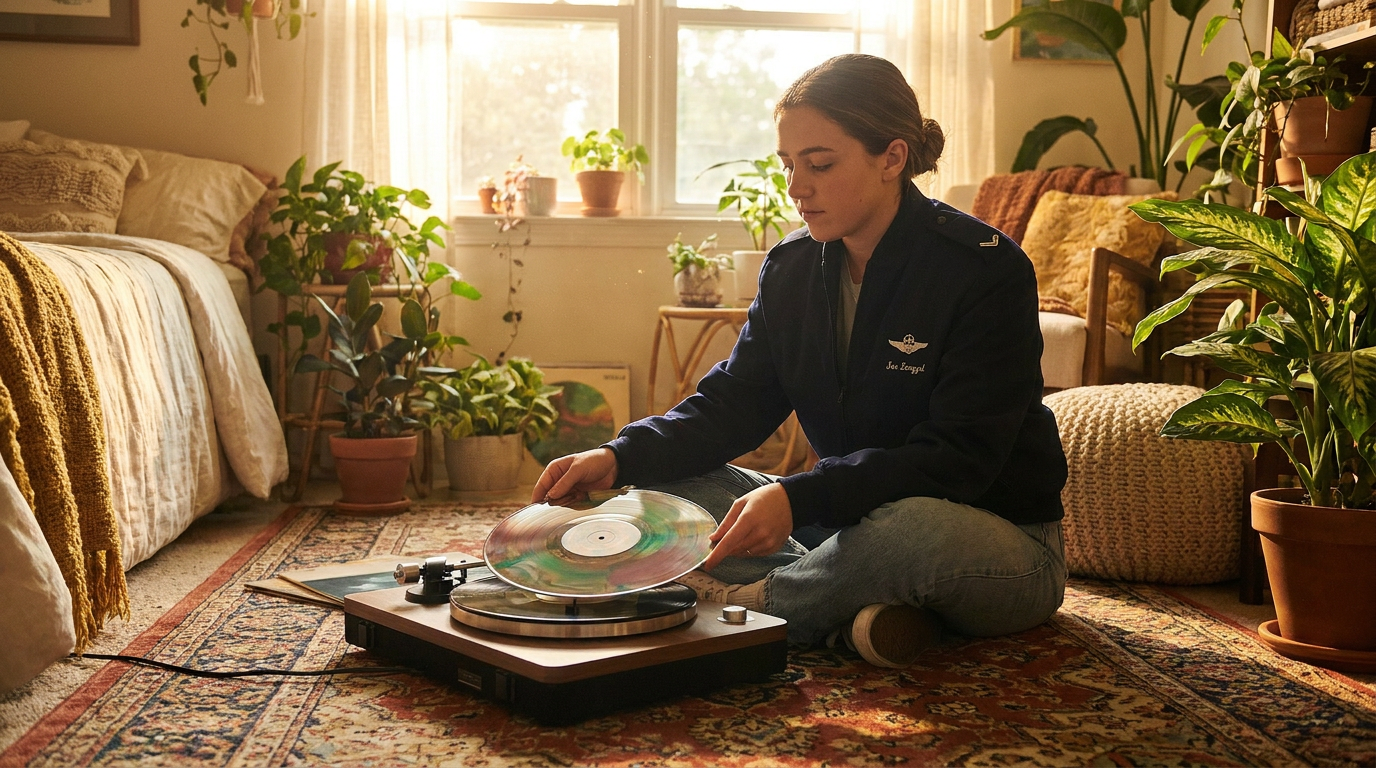
In an era where 82% of music revenue is generated by invisible digital streams, the fastest-growing consumer behavior involves a format invented in the 1940s. Gen Z listeners are driving a historic resurgence in physical media, pushing vinyl and CD sales to multi-decade highs in the summer of 2026.[1][8]
The numbers underpinning this analog revival are staggering. According to the International Federation of the Phonographic Industry (IFPI)'s 2026 Global Music Report, physical formats have returned to robust growth globally. Vinyl revenues surged by 13.7% over the past year, marking an unprecedented 19th consecutive year of expansion.[2]
In the United States alone, vinyl sales have comfortably surpassed the $1 billion mark. But the demographic breakdown is what has industry analysts recalibrating their long-term strategies: nearly 60% of Gen Z consumers now purchase vinyl records, according to recent data from Futuresource Consulting.[1][4]

This physical rebellion is largely a reaction to digital fatigue. While platforms like Spotify recently celebrated paying out over $11 billion to the industry in a single year, the infinite scroll of streaming can leave younger fans feeling disconnected from the art itself. For a generation raised entirely on screens, holding a 12-inch cardboard sleeve offers a rare, tactile relationship with their favorite artists.[5][8]
"If you don't have a subscription or Wi-Fi, you don't have your music," noted one Gen Z collector in a recent interview, capturing the growing anxiety around digital impermanence. Physical media forces a different kind of consumption—listening to an album front-to-back, exactly as the artist sequenced it, rather than skipping through algorithmically generated playlists.[1]
The music industry has eagerly embraced this trend, recognizing physical media as the ultimate "superfan" product. While a stream pays fractions of a cent, a $35 vinyl record or a $15 CD provides immediate, substantial revenue. Major pop releases now routinely feature multiple color variants and exclusive artwork, turning albums into highly sought-after collectibles.[6]

The music industry has eagerly embraced this trend, recognizing physical media as the ultimate "superfan" product.
However, this analog renaissance has brought a modern problem: environmental impact. Traditional records are pressed from Polyvinyl Chloride (PVC), a plastic that is notoriously difficult to recycle and carries a heavy carbon footprint. As production volumes soared to meet Gen Z's demand, climate-conscious artists and fans began demanding greener alternatives.[7]
The industry is finally delivering on those demands. In a landmark pilot program announced in May 2026, Warner Music Group partnered with manufacturing giant GZ Media to prove that unsold, returned records can be fully recycled into new vinyl without any loss of audio fidelity.[3]
This breakthrough in circular manufacturing addresses one of the industry's most wasteful practices. Previously, unsold inventory was often destined for landfills. Now, the recovered vinyl is ground down and re-pressed, creating a sustainable loop that drastically reduces the need for virgin plastics.[3][7]

Beyond recycling, independent pressing plants are experimenting with entirely new materials. Bioplastics derived from sugars and starches are being tested as viable PVC replacements, promising a future where a record collection could be fully biodegradable without sacrificing the warmth of analog sound.[7]
The convergence of these two trends—a youthful hunger for tangible art and a technological pivot toward sustainability—paints an optimistic picture for the music ecosystem in 2026. It suggests that the future of music isn't a zero-sum game between digital convenience and physical ownership.[2][6]
Instead, a hybrid model is emerging. Fans use streaming services for discovery and daily listening, while investing their money in sustainable physical formats to deeply connect with the artists they love most. For the first time in decades, the record industry is growing not just in revenue, but in its physical footprint—this time, with a much greener footprint.[5][8]
How we got here
2006
Vinyl sales hit their all-time historic low before beginning a slow, niche resurgence.
2021
CD sales rise in the United States for the first time in nearly two decades.
2025
US vinyl sales officially surpass the $1 billion mark, driven heavily by pop variants.
May 2026
Warner Music Group and GZ Media successfully pilot high-fidelity records made entirely from recycled unsold vinyl.
Viewpoints in depth
Gen Z Collectors
View physical media as a necessary escape from digital fatigue and a way to tangibly own and connect with art.
For a generation that has never known a world without the internet, the infinite availability of streaming can make music feel disposable. Gen Z collectors argue that buying a physical record is a deliberate act of fandom and mindfulness. It requires the listener to sit down, engage with the album artwork, and experience the music exactly as the artist sequenced it, free from algorithmic interruptions or the temptation to skip tracks. Furthermore, many young fans view purchasing physical media as a more direct and ethical way to financially support the artists they love, knowing that streaming payouts are notoriously low.
Industry Strategists
Treat physical formats as a premium tier of fandom that provides crucial, high-margin revenue alongside streaming.
Record labels and industry executives no longer view physical media as a relic of the past, but rather as the cornerstone of the modern 'superfan' economy. While streaming provides the scale and discovery necessary to build a global audience, the margins are razor-thin. Physical formats, by contrast, offer a high-margin product that dedicated fans are eager to collect. By offering multiple color variants, exclusive inserts, and limited-edition pressings, the industry has successfully transformed the album from a mere audio delivery format into a highly coveted piece of merchandise.
Eco-Conscious Innovators
Focus on eliminating the environmental impact of physical music through recycled materials and bioplastics.
As the vinyl boom accelerated, environmentalists and green-tech innovators raised alarms about the industry's reliance on Polyvinyl Chloride (PVC), a toxic and carbon-intensive plastic. In response, a new coalition of pressing plants and major labels has emerged to decarbonize the format. By pioneering circular manufacturing techniques—such as grinding down unsold records to press new ones—these innovators argue that the physical media resurgence does not have to be an ecological disaster. Their ultimate goal is to scale bioplastic alternatives, ensuring that the tactile joy of record collecting can coexist with global climate targets.
What we don't know
- Whether bioplastic alternatives can be scaled globally to completely replace PVC in all pressing plants.
- How long the physical media boom will last before market saturation occurs among younger demographics.
Key terms
- Polyvinyl Chloride (PVC)
- A durable but environmentally taxing plastic traditionally used to manufacture standard vinyl records.
- Circular Manufacturing
- An industrial model where waste, such as unsold records, is continuously recycled back into new products to minimize environmental impact.
- Lossless Audio
- High-resolution digital audio formats that preserve all original data, offered by streaming services as an alternative to the analog sound of vinyl.
Frequently asked
Why is Gen Z buying physical media if they have streaming?
Many young listeners experience digital fatigue and desire a tangible connection to their favorite artists. Physical media allows them to truly own the art and listen to albums uninterrupted.
Are CDs making a comeback alongside vinyl?
Yes. While vinyl leads the physical resurgence, CD sales have stabilized and grown as a more affordable, highly collectible physical alternative for younger fans.
What makes the new vinyl sustainable?
Instead of using virgin PVC plastic, new initiatives grind down unsold or returned records to press new ones, drastically reducing waste and carbon emissions without losing audio quality.
Sources
Source coverage
8 outlets
3 viewpoints surfaced








[1]WUSF NewsGen Z Collectors
Streaming dominates, but Gen Z wants its music in physical form
Read on WUSF News →[2]IFPIIndustry Strategists
Global Music Report 2026: Global Recorded Music Revenues Grow 6.4%
Read on IFPI →[3]Warner Music GroupEco-Conscious Innovators
Warner Music Group and GZ Media Show Unsold Records Can Be Recycled Without Compromising Sound
Read on Warner Music Group →[4]Futuresource ConsultingEco-Conscious Innovators
Audio Tech Lifestyles 2026: The Gen Z Physical Media Boom
Read on Futuresource Consulting →[5]SpotifyIndustry Strategists
Loud & Clear 2026: As Spotify Turns 20, the Most Global Music Industry Takes Shape
Read on Spotify →[6]BillboardIndustry Strategists
Vinyl Sales Continue Historic Run in 2026, Fueled by Gen Z Superfans
Read on Billboard →[7]The GuardianEco-Conscious Innovators
The music industry's green pivot: How recycled vinyl is saving the physical record
Read on The Guardian →[8]Rolling StoneGen Z Collectors
Why Gen Z is Ditching the Aux Cord for CD Players and Turntables
Read on Rolling Stone →

Every angle. Every day.
Get entertainment stories with full source coverage and perspective breakdowns delivered to your inbox.