
FDA Approves First New Sunscreen Ingredient in 27 Years, Closing the US Protection Gap
The FDA has officially approved bemotrizinol (BEMT) for use in U.S. sunscreens, ending a decades-long regulatory drought. The highly anticipated filter offers broad-spectrum UV protection without the greasy feel or white cast of traditional ingredients.
By Factlen Editorial Team
- Public Health & Regulatory Officials
- Focus on closing the UVA protection gap and ensuring rigorous safety standards.
- Cosmetic Chemists & Manufacturers
- Highlight the formulation benefits of a photostable, broad-spectrum filter.
- Dermatologists & Consumers
- Emphasize that better-feeling products will drive higher daily usage.
What's not represented
- · International regulatory bodies that approved BEMT decades ago
- · Environmental scientists studying the coral reef impact of new UV filters
Why this matters
For decades, Americans have been stuck with outdated sunscreen formulas that are often greasy, leave a white cast, or fail to adequately block cancer-causing UVA rays. The approval of bemotrizinol means U.S. consumers will finally have access to the lightweight, highly effective, and invisible sun protection that the rest of the world has enjoyed since the late 1990s.
Key points
- The FDA has approved bemotrizinol (BEMT) as a new active ingredient for U.S. sunscreens.
- It is the first new ultraviolet filter authorized in the United States since 1999.
- BEMT provides broad-spectrum protection against both UVA and UVB rays without degrading in sunlight.
- The large molecule size prevents it from being meaningfully absorbed into the bloodstream.
- Formulators can use BEMT to create lightweight, non-greasy sunscreens that do not leave a white cast.
- Products featuring the new ingredient are expected to hit American store shelves later this year.
For the first time in more than a quarter-century, American consumers are getting a fundamentally new way to protect their skin from the sun. On June 9, the U.S. Food and Drug Administration finalized the approval of bemotrizinol, a highly effective ultraviolet filter, for use in over-the-counter sunscreens. The landmark decision ends a 27-year drought of sunscreen innovation in the United States, bringing the domestic market in line with Europe and Asia, where the ingredient has been a staple since 1999.[1][3]
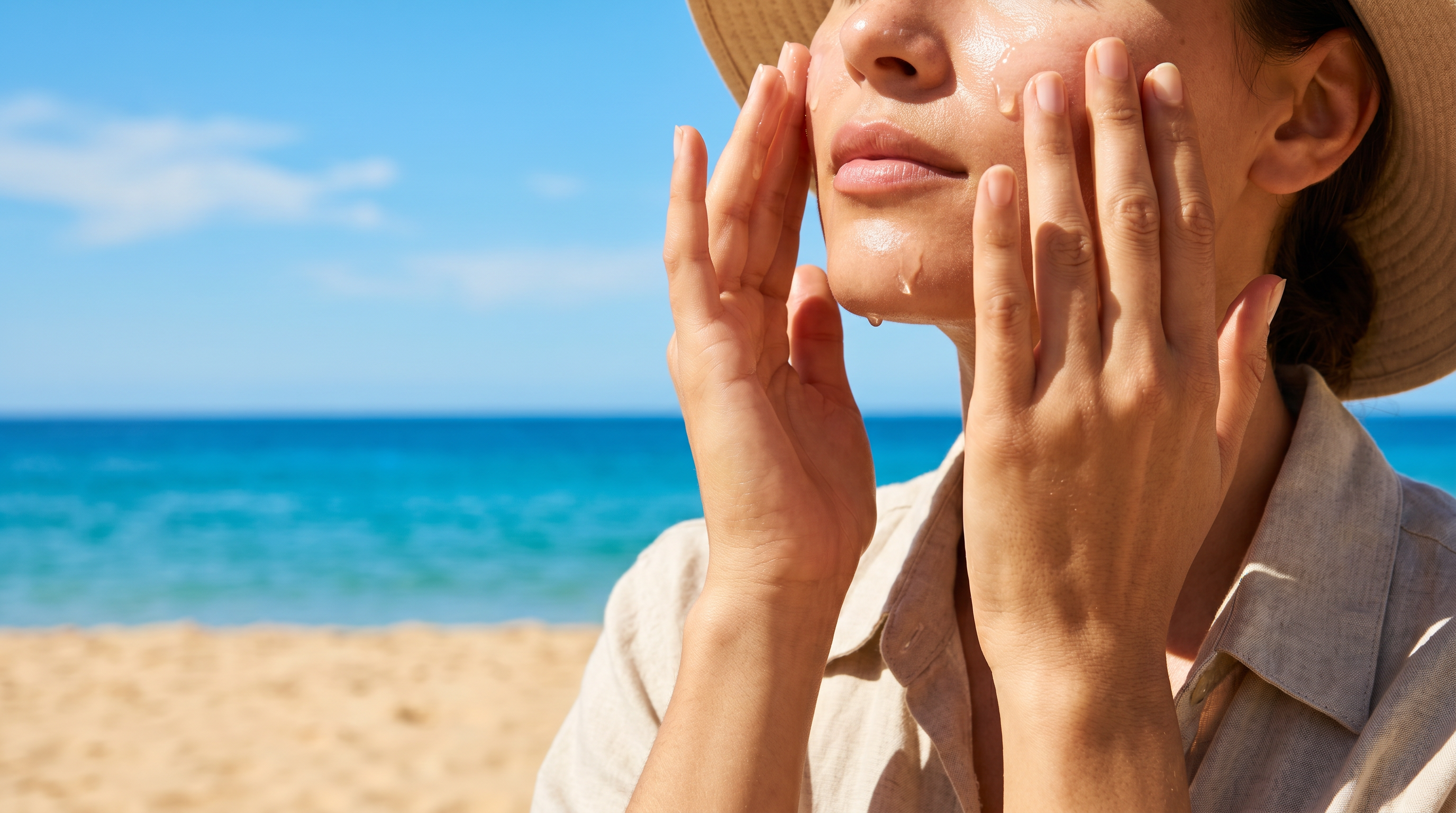
The approval of bemotrizinol—often referred to as BEMT or by its trade name, Parsol Shield—solves a long-standing dilemma for American beachgoers and skincare enthusiasts. Until now, U.S. consumers had to choose between chemical filters like avobenzone, which can degrade in sunlight and absorb into the bloodstream, or mineral blockers like zinc oxide, which are stable but notoriously leave a chalky, white cast on the skin. BEMT bridges this gap by offering broad-spectrum protection against both UVA and UVB rays without the greasy texture or ghostly residue.[2][7]
Public health advocates are celebrating the milestone as a major victory for skin cancer prevention. The Environmental Working Group has spent years pressuring the FDA to modernize its approved ingredient list, noting that traditional U.S. chemical sunscreens routinely fail to shield against the deep-penetrating UVA rays responsible for premature aging and melanoma. By closing this UVA protection gap, bemotrizinol provides a much safer and more comprehensive shield against the sun's most dangerous radiation.[2][4]

The safety profile of bemotrizinol was a critical factor in the FDA’s final decision. Rigorous testing demonstrated that at concentrations up to 6 percent, the large BEMT molecule is minimally absorbed through the skin, keeping it safely out of the bloodstream. The agency's review also confirmed a low risk of skin irritation and sensitization, officially designating the ingredient as generally recognized as safe and effective for adults and children six months and older.[1][6]
The safety profile of bemotrizinol was a critical factor in the FDA’s final decision.
The regulatory journey to this point has been notoriously arduous. Because the FDA classifies sunscreens as over-the-counter drugs rather than cosmetics, new active ingredients must clear the same high hurdles as cold medicines or pain relievers. The original application for BEMT was filed in 2005 under a regulatory framework that has since been discontinued. It wasn't until Congress passed the CARES Act in 2020, which streamlined the over-the-counter monograph process, that a viable path forward finally emerged.[3][5]
Pushing the ingredient across the finish line required a massive financial and scientific commitment. Dutch manufacturer DSM-Firmenich spent years and an estimated $20 million generating the specific toxicology and absorption data demanded by the FDA. Their perseverance makes bemotrizinol the very first ingredient to successfully navigate the updated regulatory pathway, setting a precedent that the beauty industry hopes will open the door for other modern filters currently trapped in regulatory limbo.[5]

For cosmetic chemists, the introduction of BEMT is a game-changer that will fundamentally alter how American sunscreens feel. Because the ingredient is highly photostable and performs effectively at lower concentrations, formulators can reduce the total percentage of chemical filters in a bottle. This flexibility allows for the creation of elegant, lightweight serums and lotions that absorb quickly, a stark contrast to the thick, heavy creams that currently dominate U.S. pharmacy shelves.[4][6]
Dermatologists are particularly optimistic about what this sensory improvement means for public health. Currently, only about 13 percent of American adults apply sunscreen on a daily basis, with many citing the unpleasant texture, greasiness, or white cast as primary deterrents. By offering a product that feels more like a high-end moisturizer than a chore, medical professionals hope to drive up daily compliance, which remains the single most effective intervention for preventing skin cancer.[6][7]

Consumers eager to try the new formulations won't have to wait long. DSM-Firmenich plans to launch BEMT under the Parsol Shield brand later this year. The company holds an 18-month exclusivity window, after which other manufacturers will be free to incorporate the filter into their own product lines. When shopping, consumers should look for bemotrizinol or BEMT on the active ingredients panel, signaling the arrival of a new era in American sun care.[2][3]
How we got here
1999
The FDA approves the last new sunscreen active ingredient for the U.S. market.
2005
The original application for bemotrizinol (BEMT) is filed with the FDA.
2020
Congress passes the CARES Act, streamlining the OTC monograph process for sunscreen ingredients.
2024
DSM-Firmenich submits a comprehensive data package proving BEMT's safety and lack of bloodstream absorption.
December 2025
The FDA issues a proposed order to add bemotrizinol to the permitted sunscreen list.
June 9, 2026
The FDA officially finalizes the approval, making BEMT the first new U.S. sunscreen filter in 27 years.
Viewpoints in depth
Public Health & Regulatory Officials
Focus on closing the UVA protection gap and ensuring rigorous safety standards.
Agencies like the FDA and advocacy groups like the Environmental Working Group view the approval as a monumental victory for skin cancer prevention. For decades, they have warned that traditional U.S. chemical filters fail to adequately block the deep-penetrating UVA rays responsible for melanoma. By holding BEMT to strict over-the-counter drug standards, regulators ensured the new filter does not meaningfully absorb into the bloodstream, addressing a major safety concern associated with older chemicals like oxybenzone.
Cosmetic Chemists & Manufacturers
Highlight the formulation benefits of a photostable, broad-spectrum filter.
For the beauty industry, BEMT represents the holy grail of sun care formulation. Because the molecule is highly photostable—meaning it doesn't break down when exposed to sunlight—chemists no longer have to rely on heavy, stabilizing filler ingredients. This allows brands to formulate lightweight, cosmetically elegant serums and gels that provide high SPF protection without the greasy residue or chalky white cast that has long plagued American sunscreens.
Dermatologists & Consumers
Emphasize that better-feeling products will drive higher daily usage.
Medical professionals argue that the best sunscreen is simply the one a patient is willing to wear every day. With only 13 percent of Americans currently applying SPF daily, dermatologists believe the sensory improvements offered by BEMT will remove the primary barriers to compliance. Consumers, particularly people of color who have historically struggled with the white cast of mineral sunscreens, will finally have access to the invisible, comfortable protection that international markets have enjoyed for decades.
What we don't know
- It remains unclear exactly how much BEMT-formulated sunscreens will cost when they first hit the U.S. market during the 18-month exclusivity window.
- We do not yet know if this approval will accelerate the FDA clearance of other modern international UV filters currently awaiting review.
- The long-term impact on daily sunscreen compliance among Americans won't be measurable until the new products have been widely available for several years.
Key terms
- Bemotrizinol (BEMT)
- A broad-spectrum chemical sunscreen filter that absorbs both UVA and UVB rays without degrading in sunlight or absorbing into the bloodstream.
- Broad-spectrum
- A sunscreen designation indicating that the product protects against both UVB rays (which cause sunburn) and UVA rays (which cause aging and skin cancer).
- Photostability
- The ability of a chemical to remain effective and not break down when exposed to sunlight.
- White cast
- The chalky, ghostly residue often left on the skin by mineral sunscreen ingredients like zinc oxide and titanium dioxide.
- OTC Monograph
- A regulatory rulebook established by the FDA that specifies the active ingredients, doses, and formulations permitted for over-the-counter drugs.
Frequently asked
When can I buy sunscreens with BEMT in the US?
Products featuring bemotrizinol are expected to hit U.S. shelves later in 2026. The ingredient will initially be sold under the brand name Parsol Shield by manufacturer DSM-Firmenich, which holds an 18-month exclusivity period.
Is bemotrizinol a chemical or mineral sunscreen?
Bemotrizinol is a chemical filter. However, unlike older chemical filters such as avobenzone, BEMT is a larger molecule that does not meaningfully absorb into the bloodstream, making its safety profile highly favorable.
Will BEMT leave a white cast on dark skin?
No. Because it is a chemical filter rather than a physical mineral blocker like zinc oxide, bemotrizinol blends invisibly into the skin without leaving a chalky residue, making it ideal for all skin tones.
Why did it take 27 years to approve a new sunscreen?
The U.S. regulates sunscreens as over-the-counter drugs, requiring extensive and costly human and animal testing to prove safety. It took decades of advocacy and a 2020 congressional act to streamline the approval process.
Sources
Source coverage
7 outlets
3 viewpoints surfaced







[1]FDAPublic Health & Regulatory Officials
FDA Adds Bemotrizinol to List of Permitted Sunscreen Active Ingredients
Read on FDA →[2]EWGPublic Health & Regulatory Officials
FDA approves first new sunscreen ingredient in 25 years: Bemotrizinol
Read on EWG →[3]CBS NewsPublic Health & Regulatory Officials
New sunscreen ingredient wins FDA approval after years of delay
Read on CBS News →[4]TIMECosmetic Chemists & Manufacturers
The FDA Just Approved a New Sunscreen Ingredient for the First Time in Decades
Read on TIME →[5]ELLECosmetic Chemists & Manufacturers
The FDA Finally Approved a New Sunscreen Filter
Read on ELLE →[6]Good HousekeepingDermatologists & Consumers
Scientists Say This New Ingredient Could Make Sunscreen Better
Read on Good Housekeeping →[7]National GeographicDermatologists & Consumers
The US just approved a new sunscreen ingredient. Here's why it matters.
Read on National Geographic →

More in meta
See all 26 stories →Decentralized Moderation
How 'Bridging Algorithms' Replaced Traditional Fact-Checking on Social Media
8 sources

Information Hygiene
Building a High-Signal Information Diet: An Expert Guide to Evaluating Scientific Claims
6 sources

Digital Culture
The Rise of the 'Cozy Web': How Internet Users Are Reclaiming Digital Third Places
7 sources

Digital Trust
Digital Trust Standard Reaches 6,000 Members as Hardware Integration Goes Mainstream
7 sources

Every angle. Every day.
Get meta stories with full source coverage and perspective breakdowns delivered to your inbox.