
Down vs. Synthetic Insulation: The Definitive Guide to Choosing Outdoor Gear
Choosing between down and synthetic insulation comes down to a trade-off between weight, weather resistance, and budget. Here is how to match the right material to your outdoor environment.
By Factlen Editorial Team
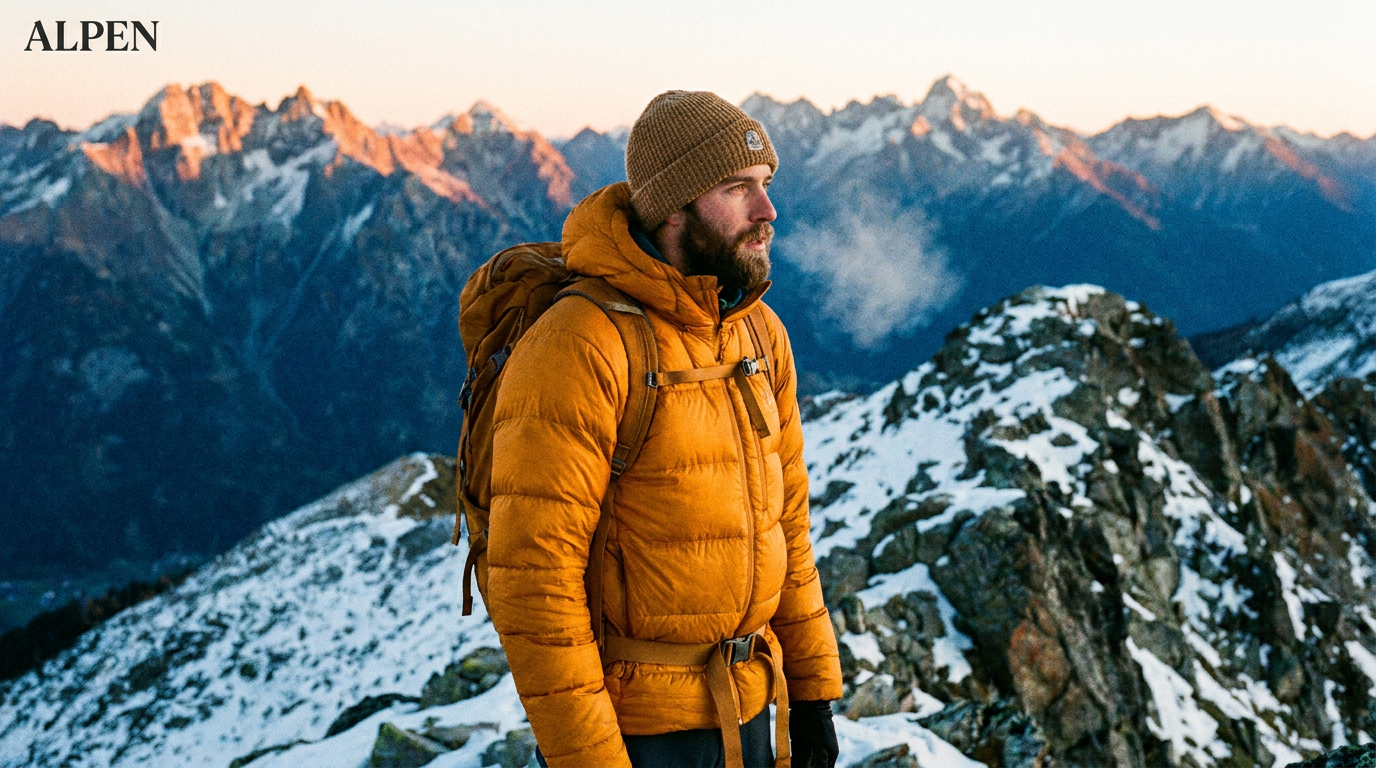
- Ultralight Alpinists
- Prioritize the absolute highest warmth-to-weight ratio and packability, heavily favoring premium high-fill-power down.
- All-Weather Adventurers
- Prioritize moisture resistance and breathability for damp climates and high-output activities, favoring synthetic or hybrid garments.
- Budget & Casual Campers
- Prioritize affordability, ease of washing, and hypoallergenic properties, making synthetic insulation the practical choice.
- Animal Welfare Advocates
- Demand ethical sourcing transparency, requiring either fully synthetic materials or strict adherence to the Responsible Down Standard.
What's not represented
- · Textile recycling engineers working on end-of-life solutions for synthetic garments
Why this matters
Insulation is the most critical component of your outdoor survival system. Choosing the wrong material for your climate can mean the difference between a comfortable night under the stars and a dangerous battle with hypothermia.
Key points
- Down offers the best warmth-to-weight ratio and packs down smaller than any other material.
- Synthetic insulation retains its ability to trap heat even when completely soaked with water.
- Down garments can last for decades, while synthetic fibers break down and lose loft over years of compression.
- Synthetic materials breathe better, making them ideal for high-output activities like skiing or winter running.
- The Responsible Down Standard (RDS) ensures ethical animal treatment in the down supply chain.
The moment you are shivering on a windswept ridge or sweating through a steep backcountry ski ascent, your choice of insulation becomes the most important decision you made before leaving home. For decades, the outdoor gear industry has been defined by a single, enduring rivalry: the battle between natural down and synthetic insulation. This choice dictates the design, price, and performance of nearly every sleeping bag, winter jacket, and pair of insulated pants on the market.[1][7]
To understand the trade-offs, it is essential to understand how insulation actually works. Neither down nor synthetic materials generate heat on their own. Instead, they act as a thermal barrier, trapping the ambient body heat you naturally produce within thousands of microscopic pockets of dead air. The thicker and more stable that layer of trapped air is, the warmer you stay. The debate between the two materials is entirely about how they create and maintain those air pockets under different environmental stresses.[3][7]
The case for down insulation begins with its unparalleled efficiency. Sourced from the soft, fluffy undercoating of geese and ducks—not the rigid outer feathers—down is nature's ultimate insulator. These three-dimensional clusters are incredibly light and expansive, creating massive amounts of dead air space relative to their weight. For alpinists and ultralight backpackers, down is the undisputed champion of the warmth-to-weight ratio.[2][3]

Beyond pure warmth, down's greatest physical advantage is its compressibility. A high-quality down sleeping bag can be stuffed down to the size of a melon to fit inside a backpack, yet it will immediately spring back to its full, lofty volume when unpacked. Furthermore, down is exceptionally durable over the long term. With proper care and occasional washing, a premium down garment can retain its original loft and insulating power for decades, making it a long-term investment.[1][5]
However, down possesses a fatal flaw that limits its utility in certain climates: moisture. When untreated down gets wet, its delicate clusters collapse and clump together. A wet down jacket looks and feels like a damp paper towel, instantly losing all of its air-trapping volume and, consequently, its ability to keep you warm. Once soaked, down is also notoriously slow to dry, which can create a dangerous scenario on a multi-day trip in relentless rain or near 100 percent humidity.[2][5]
This vulnerability is exactly why synthetic insulation was invented. Engineered from extruded polyester fibers, synthetic fill is designed to mimic the lofty structure of natural down using either short, densely packed staples or long, continuous filaments. While it cannot quite match the pure warmth-to-weight ratio of high-end goose down, synthetic insulation offers a distinct set of performance advantages that make it the preferred choice for many outdoor athletes.[1][4]

The primary argument for synthetic insulation is its wet-weather reliability. Because polyester fibers are inherently hydrophobic—meaning they do not absorb water—synthetic insulation retains its structural integrity even when completely soaked. If you fall into a creek or get caught in a torrential downpour, a synthetic jacket will continue to trap warm air and insulate your body. It also dries significantly faster than down, often requiring just a few hours of body heat or a brief stint in the sun to recover.[2][5]
The primary argument for synthetic insulation is its wet-weather reliability.
Synthetic insulation also excels in breathability, making it the superior choice for high-output aerobic activities. When you are cross-country skiing, winter running, or climbing, your body produces immense amounts of sweat. Down traps that moisture inside the garment, leading to overheating and eventual dampness. Synthetic fibers, often paired with air-permeable shell fabrics, allow that moisture vapor to escape efficiently, regulating your core temperature without forcing you to shed layers.[2][4]
The trade-offs for synthetic's reliability are weight, bulk, and lifespan. To achieve the same temperature rating as a down sleeping bag, a synthetic bag requires significantly more material, making it heavier and much harder to compress into a backpack. Additionally, the synthetic fibers are prone to breaking down over time. Repeatedly stuffing a synthetic jacket into a tight sack will eventually crush the polyester structure, leading to a permanent loss of loft and warmth after several years of heavy use.[1][5]

Beyond performance, the choice between the two materials carries an ethical dimension. Historically, the down industry faced severe scrutiny over inhumane practices such as live-plucking and force-feeding. In response, the outdoor industry partnered with animal welfare organizations to create the Responsible Down Standard (RDS). This rigorous, third-party certification audits the entire supply chain—from the farm to the final garment—ensuring that ducks and geese are treated humanely and never subjected to unnecessary harm.[6][7]
Today, the boundary between down and synthetic is beginning to blur thanks to technological advancements. Manufacturers now frequently treat natural down with a Durable Water Repellent (DWR) chemical coating, creating "hydrophobic down" that resists light moisture and dries faster than untreated clusters. While it will not survive a total soaking as well as synthetic fill, it significantly widens the window of conditions in which down can be safely used.[3][7]
Brands are also utilizing "body mapping" in hybrid garments to offer the best of both worlds. A hybrid jacket might feature premium down insulation around the vital organs of the core for maximum warmth, while utilizing breathable synthetic insulation under the arms, at the cuffs, and along the hem where sweat and environmental moisture are most likely to accumulate.[4][7]

Ultimately, down fits well when you are backpacking, mountaineering, or camping in cold, dry conditions where every ounce matters and pack space is at a premium. It is the undisputed choice for sub-zero expeditions and ultralight thru-hikes. However, down does not fit well when you are heading into relentless rain, high humidity, or engaging in high-aerobic activities where sweat will soak the garment from the inside out.[2][5]
Conversely, synthetic insulation fits well when you are skiing, winter running, or camping in damp, unpredictable climates like the Pacific Northwest or the Scottish Highlands. It is also the better option for budget-conscious shoppers, as synthetic garments are generally much cheaper to produce. Synthetic does not fit well when you are embarking on a multi-day ultralight trek where the added bulk and weight will become a physical liability on the trail.[2][4]
There is no single winner in the great insulation debate, only the right tool for the specific job. By honestly assessing your budget, your local climate, and the intensity of your outdoor pursuits, you can select the thermal layer that will keep you safe, comfortable, and focused on the adventure ahead.[3][7]
How we got here
1936
Eddie Bauer patents the first quilted down jacket after nearly freezing to death on a fishing trip.
1960s
Synthetic polyester insulations begin entering the outdoor market as a cheaper, water-resistant alternative to natural down.
2014
The Responsible Down Standard (RDS) is launched to ensure ethical animal treatment across the global supply chain.
2020s
Advanced synthetic plumes and DWR-treated hydrophobic down begin to blur the traditional performance gaps between the two materials.
Viewpoints in depth
Ultralight Alpinists
Prioritize the absolute highest warmth-to-weight ratio and packability.
For climbers, mountaineers, and ultralight thru-hikers, every ounce carried is a penalty on physical performance. This camp views high-fill-power down (800+) as an irreplaceable technology. Because these athletes often operate in environments where temperatures are well below freezing, environmental moisture usually falls as dry snow rather than rain, mitigating down's primary weakness. They are willing to pay premium prices and meticulously protect their gear from moisture in exchange for a sleeping bag that weighs less than two pounds and packs down to the size of a water bottle.
All-Weather Adventurers
Prioritize moisture resistance and breathability for damp climates and high-output activities.
Athletes who recreate in the damp Pacific Northwest, or those who engage in high-aerobic winter sports like cross-country skiing, view down as a liability. This camp argues that a jacket's theoretical warmth is useless if it collapses the moment it encounters heavy sweat or freezing rain. They prefer synthetic insulation because it acts as a reliable safety net; even if a mistake is made and the gear gets soaked, it will still prevent hypothermia. They accept the penalty of extra weight and bulk in their backpacks as a necessary insurance policy against wet weather.
Animal Welfare Advocates
Demand ethical sourcing transparency and humane treatment in the supply chain.
This perspective focuses on the origin of the materials rather than pure field performance. Historically, the down supply chain was plagued by horrific practices, including live-plucking birds to harvest feathers multiple times, and force-feeding geese for foie gras production. Animal welfare advocates argue that no outdoor pursuit justifies animal cruelty. They push consumers to either adopt fully synthetic, vegan alternatives or strictly purchase down products certified by the Responsible Down Standard (RDS), which mandates independent audits to ensure the Five Freedoms of animal welfare are met.
What we don't know
- Whether future synthetic insulations will ever fully match the exact warmth-to-weight ratio and longevity of 900-fill-power goose down.
- How the long-term environmental impact of microplastics shedding from synthetic insulation compares to the agricultural footprint of down farming.
Key terms
- Fill Power
- A numerical rating (e.g., 650, 800) indicating the volume in cubic inches that one ounce of down occupies; higher numbers indicate greater insulating efficiency.
- Loft
- The thickness and fluffiness of an insulating material, which determines how much dead air it can trap to retain body heat.
- DWR (Durable Water Repellent)
- A chemical coating applied to outer fabrics and sometimes down clusters to cause water to bead up and roll off rather than soaking in.
- Baffle
- The stitched compartments or chambers inside a jacket or sleeping bag designed to keep the loose insulation evenly distributed.
- Responsible Down Standard (RDS)
- A global, third-party certification ensuring that down and feathers come from ducks and geese that have been treated humanely, banning practices like live-plucking.
Frequently asked
What does fill power actually mean?
Fill power measures the quality of down by calculating how many cubic inches one ounce of the down can fill. A higher number (like 800 or 900) means the down is loftier, trapping more air and providing more warmth for less weight.
Can I wash a down sleeping bag or jacket?
Yes, but it requires special care. You must use a gentle, down-specific detergent and dry the item on low heat with tennis balls to break up clumps and restore the loft.
Is synthetic insulation warmer than down?
No. Ounce for ounce, high-quality down is significantly warmer than synthetic insulation. However, synthetic insulation will keep you warmer if the garment becomes completely soaked.
What is hydrophobic down?
Hydrophobic down is natural down that has been treated with a Durable Water Repellent (DWR) chemical. This helps the clusters resist light rain and sweat, though it will still fail if fully submerged.
Sources
Source coverage
7 outlets
4 viewpoints surfaced






[1]REI Co-opBudget & Casual Campers
Down vs. Synthetic: Which Insulation is Right for You?
Read on REI Co-op →[2]BetterTrailUltralight Alpinists
Down vs. Synthetic Jackets
Read on BetterTrail →[3]The North FaceAll-Weather Adventurers
All you need to know about Down vs Synthetic insulation
Read on The North Face →[4]Popular MechanicsAll-Weather Adventurers
Down vs. synthetic insulation: which is best for winter?
Read on Popular Mechanics →[5]TrailGrooveUltralight Alpinists
Down vs. Synthetic Insulation for Backpacking Gear
Read on TrailGroove →[6]Textile ExchangeAnimal Welfare Advocates
Responsible Down Standard
Read on Textile Exchange →[7]Factlen Editorial Team
Synthesis by Factlen editorial team
Read on Factlen Editorial Team →


Every angle. Every day.
Get shopping stories with full source coverage and perspective breakdowns delivered to your inbox.