
Carolina Hurricanes Capture 2026 Stanley Cup, Capping Historic 16-3 Playoff Run
The Carolina Hurricanes defeated the Vegas Golden Knights 4-2 in the Stanley Cup Final, securing their second franchise championship and cementing their place at the top of the NHL standings.
By Factlen Editorial Team

- Carolina Supporters
- Celebrate the end of a two-decade drought and view this roster as one of the most dominant in modern history.
- Vegas Supporters
- Proud of the team's resilience and deep run after a mid-season coaching change, despite the final defeat.
- Neutral Analysts
- Focus on the tactical brilliance of Carolina's system and the massive growth in the league's national viewership.
What's not represented
- · Eliminated Eastern Conference contenders
- · Canadian market fanbases
Why this matters
The Hurricanes' victory ends a 20-year championship drought for the franchise and establishes a new modern standard for playoff dominance. Furthermore, record-breaking viewership numbers signal a massive surge in the NHL's national popularity.
Key points
- The Carolina Hurricanes won the 2026 Stanley Cup, defeating the Vegas Golden Knights 4-2 in the Final.
- Carolina finished the postseason with a 16-3 record, the fewest playoff losses for a champion since 1988.
- Hurricanes captain Jordan Staal was awarded the Conn Smythe Trophy as playoff MVP.
- The 2026 NHL playoffs were the most-watched on record in the US, averaging 1.8 million viewers.
The 2025-26 NHL season has officially reached its absolute summit, finalizing the playoff standings with the Carolina Hurricanes standing alone at the top of the hockey world. On Sunday night at T-Mobile Arena in Las Vegas, the Hurricanes captured the 2026 Stanley Cup, defeating the Vegas Golden Knights 3-0 in Game 6 to win the best-of-seven series four games to two. The decisive shutout victory served as the perfect capstone to a postseason run defined by suffocating defense and relentless offensive pressure. For a league that thrives on parity, Carolina’s wire-to-wire dominance throughout the spring was a rare and spectacular sight, leaving no doubt as to which franchise currently sets the standard in professional ice hockey.[1][2]
The victory ends a two-decade championship drought for the Carolina franchise, whose only other title came in 2006. As the final horn sounded and equipment rained down onto the ice, Captain Jordan Staal received the iconic silver chalice from NHL Commissioner Gary Bettman. It was an instantly legendary moment for a fanbase that has weathered years of near-misses and playoff heartbreaks. The celebration on the ice reflected the culmination of a massive organizational rebuild, validating the front office's patient, analytics-driven approach to constructing a championship roster.[1][4]
Staal was awarded the Conn Smythe Trophy as the most valuable player of the playoffs, recognized by broadcasters and writers for his two-way dominance, crucial faceoff wins, and steadying leadership. The veteran forward anchored a roster that systematically dismantled every opponent in its path, finishing the grueling two-month postseason tournament with a staggering 16-3 overall record. His performance in the Final, matching up against Vegas's top offensive weapons, proved to be the ultimate difference-maker in a series that demanded absolute perfection. Staal's ability to shut down the opposition while contributing timely scoring embodied the identity of the 2026 Hurricanes.[1][5]
That 16-3 mark is not just a franchise best; it represents the fewest losses by a Stanley Cup champion since Wayne Gretzky's 1987-88 Edmonton Oilers dropped only two games en route to the title. By losing only three times across four grueling rounds of playoff hockey, the Hurricanes cemented their 2026 run as one of the most statistically dominant in modern NHL history. In an era defined by a hard salary cap and intense competitive parity, achieving such a lopsided win-loss record against the best teams in the world is a feat that hockey historians will analyze for decades.[4][7]

Carolina's surge to the top of the playoff bracket began with an unprecedented wave of momentum in April. They swept the Ottawa Senators in the first round, riding the hot goaltending of Frederik Andersen, and broke out the brooms again against the Philadelphia Flyers in round two. By doing so, they became just the fifth team in NHL history to open a postseason with an 8-0 record. That flawless start sent a clear message to the rest of the league that the Hurricanes were operating on an entirely different level of execution and focus.[1][4]
Carolina's surge to the top of the playoff bracket began with an unprecedented wave of momentum in April.
The Eastern Conference Final presented a brief speed bump, as the Montreal Canadiens stole Game 1 to hand Carolina its first loss of the spring. However, head coach Rod Brind'Amour's squad quickly adjusted, rattling off four consecutive victories to punch their ticket to the Final. The series win was highlighted by dramatic overtime goals from Nikolaj Ehlers and Andrei Svechnikov, proving that the Hurricanes possessed the offensive clutch factor required to win tight, low-scoring battles when their defensive structure was finally tested. The swift gentleman's sweep of Montreal showcased Carolina's ability to adapt mid-series, a hallmark of Brind'Amour's coaching tenure.[1][4]
In the Western Conference, the Vegas Golden Knights navigated a chaotic playoff picture to reach their third Stanley Cup Final. After a surprising mid-season coaching change that brought in the notoriously demanding John Tortorella, Vegas embraced a gritty, shot-blocking identity. They surged past the Utah Mammoth and the Anaheim Ducks before upsetting the Presidents' Trophy-winning Colorado Avalanche in a stunning four-game sweep. The Golden Knights' resilience turned them into the ultimate wildcard, setting up a clash of contrasting styles against the highly structured Hurricanes. Vegas's path to the Final proved that Tortorella's demanding culture shift had successfully galvanized a locker room filled with high-priced superstars.[4][6]
The Final itself began as a heavyweight slugfest, with the two juggernauts trading victories and multi-goal leads through the first four games. Vegas leaned heavily on the offensive production of Jack Eichel and newly acquired winger Mitch Marner, who led all playoff scorers with 29 points. The Golden Knights pushed Carolina to its absolute limit, utilizing their aggressive forecheck to disrupt the Hurricanes' breakout passes and create high-danger scoring chances in the slot. For a brief moment after a double-overtime Vegas victory in Game 3, it appeared the series might tilt in favor of the Western Conference champions.[4][5]

Ultimately, Carolina's suffocating defensive structure and superior depth took over in the series' final act. In the decisive Game 6, goaltender Brandon Bussi—who emerged as an unlikely hero during the championship run—delivered a flawless 3-0 shutout to close out the series. Veteran forward Taylor Hall, acquired specifically for his offensive pedigree, scored the game-winning goal in the first period, providing all the run support Bussi would need to secure the title. The Hurricanes' defense completely neutralized Vegas's top line in the closing periods, blocking shots and clearing the crease with a ruthless efficiency that left the Golden Knights visibly frustrated.[1][2]
The Hurricanes' triumph is a testament to the aggressive roster building of the front office. Offseason acquisitions like Ehlers and defensive anchor K'Andre Miller integrated perfectly with homegrown talents like Sebastian Aho and rookie sensation Logan Stankoven. This blend of veteran experience and youthful energy created a balanced, four-line attack that no opponent could consistently solve. By refusing to rely on a single superstar, Carolina built a resilient machine capable of winning games in multiple ways. Whether they needed a high-scoring shootout victory or a grinding, low-event defensive masterclass, the Hurricanes possessed the personnel to execute the required game plan flawlessly.[1][4]
Beyond the action on the ice, the 2026 playoffs represented a massive victory for the league's overall standing in the sports entertainment landscape. The NHL announced that this spring's Stanley Cup Playoffs were the most-watched on record in the United States, averaging a staggering 1.8 million viewers across the tournament. This surge in viewership highlights the sport's growing national footprint and the success of the league's broadcast partnerships in reaching new demographics. The compelling storylines, featuring historic winning streaks and dramatic overtime finishes, provided a captivating product that resonated well beyond traditional hockey markets.[3]

As the Hurricanes prepare for their championship parade in downtown Raleigh, the rest of the league looks up at a new gold standard in the standings. Carolina's historic 16-3 run has redefined what a dominant playoff surge looks like, proving that elite analytics and relentless work ethic can conquer the sport's ultimate prize. For the other 31 franchises, the offseason begins with a daunting question: how to build a roster capable of dethroning a Carolina team that has seemingly perfected the modern game of ice hockey. Until someone finds that answer, the Hurricanes stand alone at the peak of the hockey world, worthy champions of a record-breaking season.[1][4]
How we got here
April 18, 2026
The 2026 Stanley Cup Playoffs officially begin with 16 teams vying for the championship.
May 2026
Carolina sweeps both Ottawa and Philadelphia to start the postseason with a flawless 8-0 record.
June 2, 2026
Game 1 of the Stanley Cup Final begins between the Carolina Hurricanes and Vegas Golden Knights.
June 14, 2026
Carolina defeats Vegas 3-0 in Game 6 to clinch the 2026 Stanley Cup.
Viewpoints in depth
Carolina's camp
A culmination of years of patient roster building and tactical discipline.
For the Hurricanes organization and their fans, the 2026 championship is the ultimate validation of head coach Rod Brind'Amour's demanding, high-pressure system. After several years of strong regular seasons that ended in playoff heartbreak, the front office's strategic additions—such as K'Andre Miller and Nikolaj Ehlers—provided the missing pieces. The historic 16-3 run proves to this camp that their analytical, depth-first approach to team building is the premier model in the modern NHL.
Vegas's camp
A resilient run that fell just short against a historic juggernaut.
The Golden Knights entered the spring surrounded by uncertainty, having fired head coach Bruce Cassidy late in the regular season. Under John Tortorella, the team embraced a gritty, shot-blocking identity that helped them upset the Presidents' Trophy-winning Colorado Avalanche. While the shutout loss in Game 6 stings, Vegas supporters view the Western Conference championship as a massive success and a testament to the star power of players like Jack Eichel and Mitch Marner.
League analysts
Praising the on-ice product and the record-breaking business metrics.
From a neutral perspective, the 2026 playoffs were a resounding success for the sport of hockey. Analysts point to the Carolina Hurricanes as a masterclass in puck possession and defensive structure, setting a new tactical benchmark. Furthermore, the record 1.8 million average viewers in the United States indicates that the NHL's efforts to market its young stars and fast-paced gameplay are paying massive dividends on a national scale.
What we don't know
- How the Vegas Golden Knights will retool their expensive roster under John Tortorella for a full season.
- Whether the Carolina Hurricanes can retain all their key depth pieces under the salary cap for a repeat run.
Key terms
- Conn Smythe Trophy
- The annual award given to the most valuable player for his team during the NHL playoffs.
- Presidents' Trophy
- The award presented to the NHL team that finishes with the most points during the regular season.
- Shutout
- A game in which a team successfully prevents the opposing team from scoring any goals.
Frequently asked
Who won the 2026 Stanley Cup?
The Carolina Hurricanes won the 2026 Stanley Cup, defeating the Vegas Golden Knights four games to two.
Who won the playoff MVP?
Carolina Hurricanes captain Jordan Staal was awarded the Conn Smythe Trophy as the most valuable player of the playoffs.
What was Carolina's final playoff record?
The Hurricanes finished the playoffs with a 16-3 record, marking the fewest losses for a Cup champion since the 1988 Edmonton Oilers.
How many viewers watched the playoffs?
The 2026 NHL playoffs were the most-watched on record in the United States, averaging 1.8 million viewers.
Sources
Source coverage
7 outlets
3 viewpoints surfaced






[1]NHL.comCarolina Supporters
Hurricanes win Stanley Cup with Game 6 shutout against Golden Knights
Read on NHL.com →[2]SportsnetCarolina Supporters
2026 Stanley Cup Final: Schedule, scores
Read on Sportsnet →[3]AP NewsNeutral Analysts
NHL says the 2026 playoffs is the most-watched on record
Read on AP News →[4]WikipediaNeutral Analysts
2026 Stanley Cup Final
Read on Wikipedia →[5]Hockey-ReferenceNeutral Analysts
2026 NHL Stanley Cup Playoffs Summary
Read on Hockey-Reference →[6]CBS SportsVegas Supporters
2025-26 NHL Hockey Standings
Read on CBS Sports →[7]PlayoffStatusNeutral Analysts
2026 NHL Playoff Schedule and Standings
Read on PlayoffStatus →
More in sports
See all 6 stories →Stuttgart Open
Ben Shelton Captures First Grass-Court Title With Thrilling Win Over Taylor Fritz in Stuttgart
6 sources
Standings
Sinner and Andreeva Lead Tennis Standings as Tours Pivot to Crucial Grass-Court Swing
9 sources
2026 Regulations
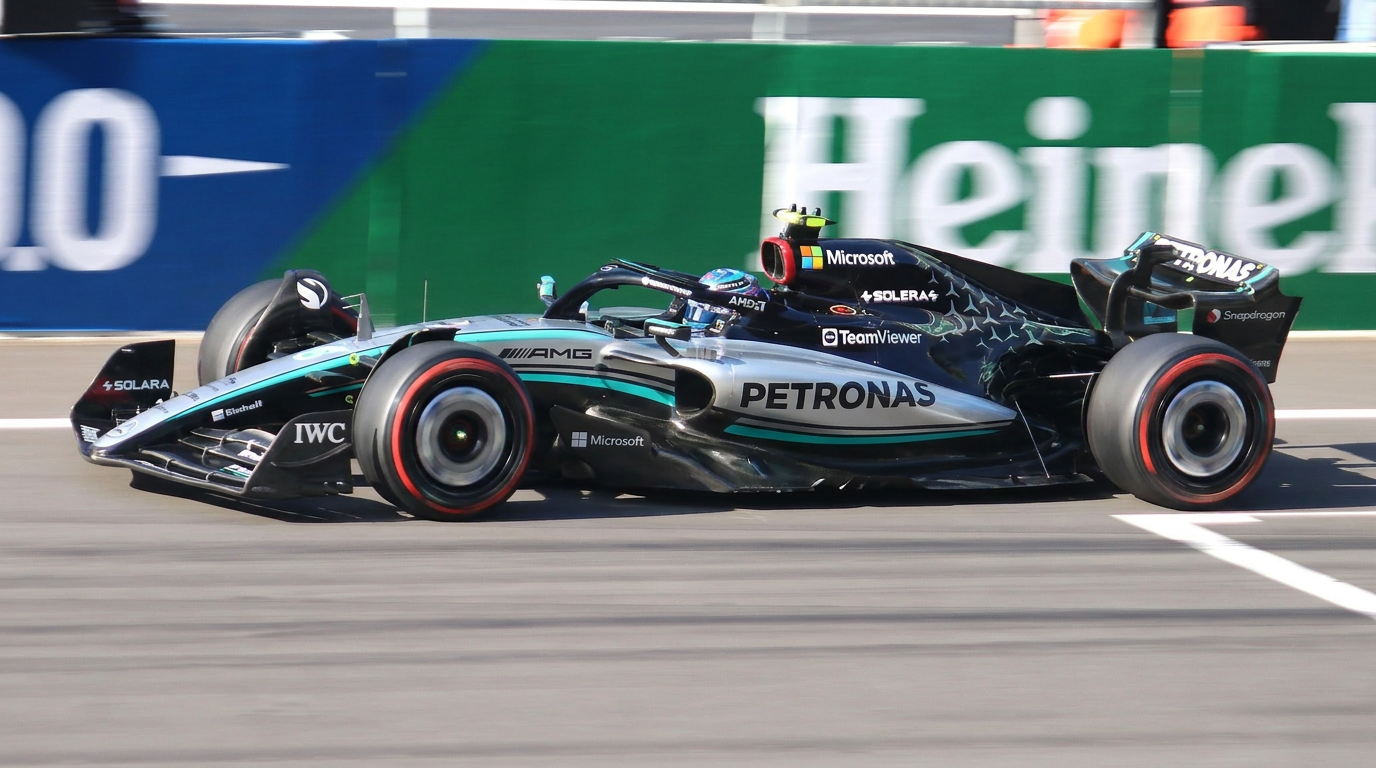
How Formula 1's 2026 Regulations Will Radically Change the Sport
6 sources
Injury
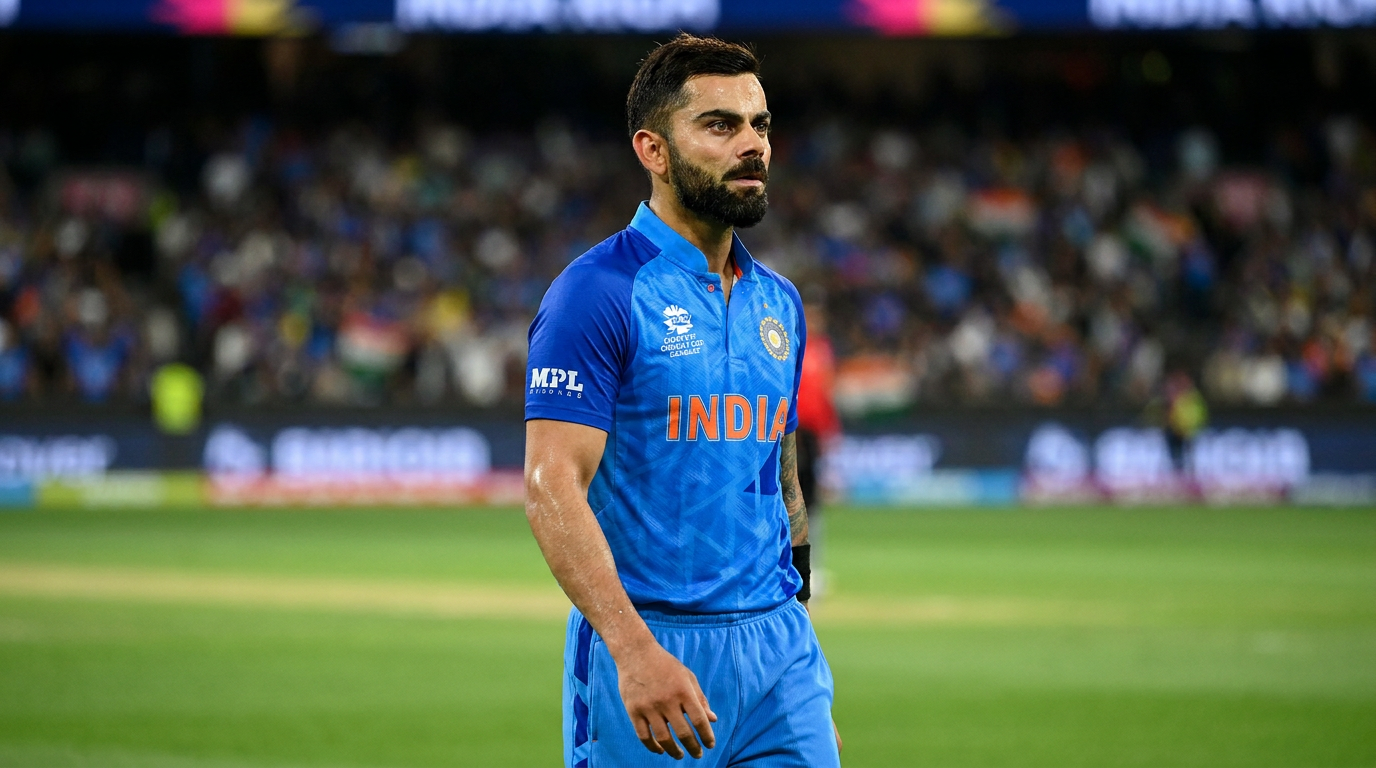
Virat Kohli's Rapid Hamstring Recovery Puts Him on Track for England ODI Series
7 sources
Every angle. Every day.
Get sports stories with full source coverage and perspective breakdowns delivered to your inbox.