
US and Iran Agree to 14-Point Peace Plan, Reopening Strait of Hormuz
The United States and Iran have reached a preliminary 14-point agreement to end their three-month conflict, lift the U.S. naval blockade, and reopen the Strait of Hormuz. The deal establishes a 60-day window for nuclear negotiations while providing Tehran with significant sanctions relief.
By Factlen Editorial Team
- US Administration
- Views the deal as a necessary economic rescue that forces Iran into nuclear talks without a prolonged ground war.
- Israeli Defense Establishment
- Fears the agreement is a dangerous concession that funds Iranian proxies and enables a nuclear breakout.
- Global Economic & Shipping Sectors
- Prioritizes the immediate resumption of maritime trade and the stabilization of energy prices.
- Iranian Leadership
- Sees the agreement as a victory that secures regime survival and massive economic relief.
What's not represented
- · Lebanese civilians affected by the proxy war
- · Environmental groups monitoring Gulf oil spills
Why this matters
The reopening of the Strait of Hormuz—a critical chokepoint for nearly one-fifth of the world's oil supply—averts a catastrophic global energy shock and lowers fuel prices. However, the sweeping concessions granted to Iran fundamentally reshape Middle Eastern security dynamics and leave allies like Israel deeply concerned about Tehran's nuclear trajectory.
Key points
- The US and Iran have agreed to a 14-point MOU to end their 3.5-month war.
- The Strait of Hormuz will reopen to commercial shipping within 30 days.
- A 60-day window has been established to negotiate a final nuclear treaty.
- The US will lift sanctions on Iranian oil and release frozen assets.
- The agreement proposes a $300 billion regional reconstruction fund for Iran.
- Israeli officials have expressed deep concern over Iran's nuclear timeline.
The United States and Iran have finalized a sweeping 14-point Memorandum of Understanding (MOU) to end a devastating three-and-a-half-month war, setting the stage for a formal signing ceremony in Switzerland this Friday. The preliminary framework, brokered after weeks of intense back-channel diplomacy involving Pakistani and Qatari mediators, represents a critical pivot from high-intensity kinetic conflict to transactional diplomacy. By pausing the violence, the agreement aims to stabilize a volatile Middle East and rescue a global economy that has been severely battered by unprecedented energy shocks over the past quarter.[4][8]
The agreement, which was digitally signed on Sunday by President Donald Trump and senior Iranian officials, mandates an immediate and permanent cessation of hostilities across all military fronts. Crucially, this sweeping ceasefire extends beyond direct U.S.-Iran engagements to include proxy conflicts, specifically halting military operations in Lebanon where Israeli forces have been battling Tehran-backed Hezbollah militants. The cessation of violence is designed to provide a stable, predictable environment for the implementation of the deal's broader economic and geopolitical terms, fundamentally altering the immediate security landscape of the region.[1][8]
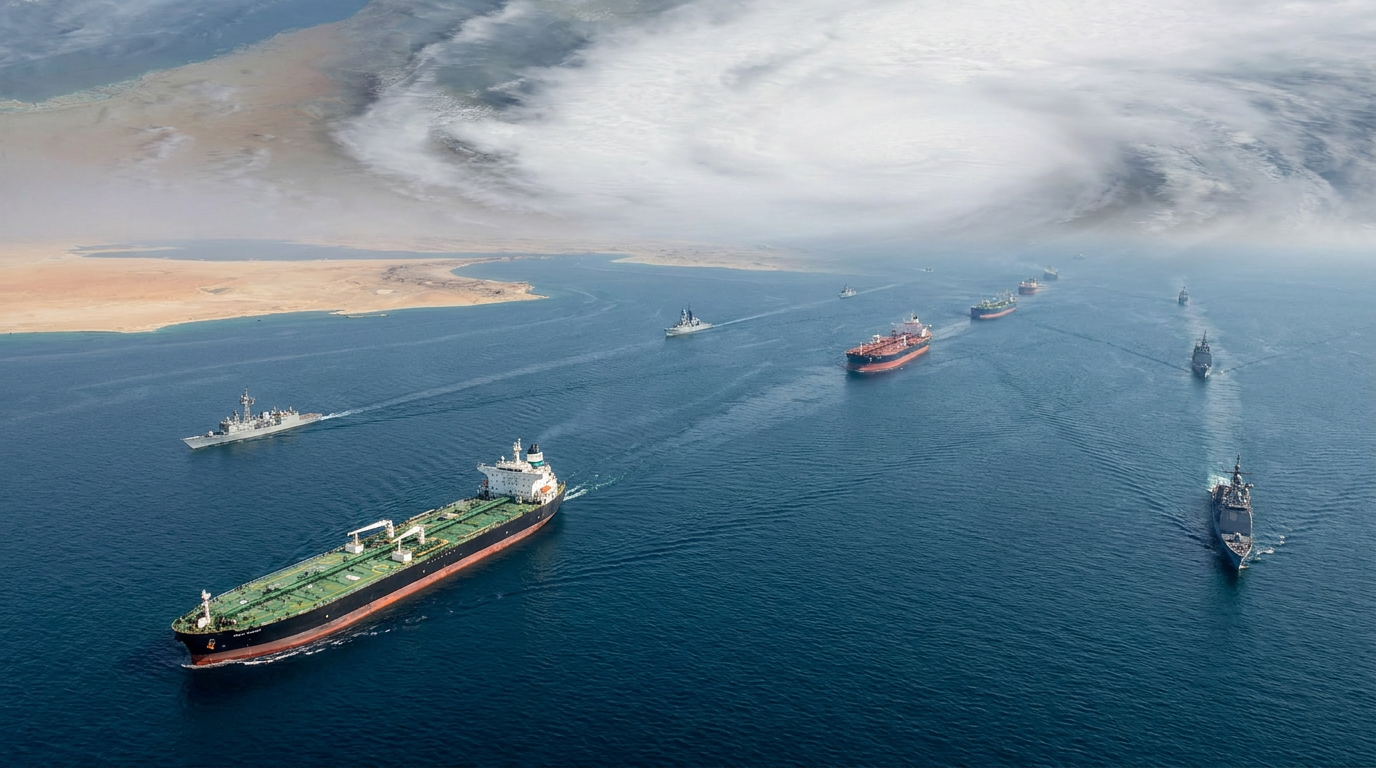
Crucially for the global macroeconomic outlook, the deal immediately lifts the United States naval blockade of Iranian ports and requires both nations to restore commercial shipping through the Strait of Hormuz to pre-war volumes within a strict 30-day timeline. The strait serves as an absolutely vital maritime chokepoint, handling roughly one-fifth of the world's total oil and natural gas supply on any given day. Its militarization and subsequent closure during the conflict sent unprecedented shockwaves through global energy markets, driving up inflation. Consequently, its rapid reopening serves as the absolute centerpiece of the new diplomatic arrangement.[4][7]
'Let the oil flow!' President Trump posted on social media shortly after the digital signing, celebrating the preliminary agreement as a major geopolitical victory. The administration forcefully argues that the deal successfully averts a 'worldwide depression' that would have been inevitably caused by sustained, skyrocketing energy prices. By leveraging maximum military pressure to secure a ceasefire, the White House claims it has successfully forced Tehran to the negotiating table without committing the United States military to a prolonged, intractable ground war in the Middle East, framing the outcome as a triumph of transactional diplomacy.[1][8]

In exchange for halting its military operations and reopening the vital waterway, the Islamic Republic of Iran secures massive and immediate economic relief. The United States has formally committed to suspending crippling sanctions on Iranian oil and petrochemical exports, unfreezing tens of billions of dollars in foreign assets, and allowing Tehran to freely access the global banking and insurance systems. This unprecedented financial lifeline is widely expected to rescue the Iranian economy from the brink of total collapse, providing the regime with desperately needed capital to stabilize its domestic standing and fund internal recovery efforts.[7][8]
Beyond immediate sanctions relief, the memorandum of understanding outlines a striking United States commitment to work alongside regional partners to establish a massive $300 billion fund dedicated to the economic development and post-war reconstruction of Iran. The specific mechanisms for this staggering fund, including exactly which Gulf nations might contribute and how the money will be dispersed, remain to be finalized in the coming weeks. However, the sheer scale of the proposed investment underscores the highly transactional nature of the peace plan, effectively attempting to purchase long-term regional stability through unprecedented financial incentives.[3][6]
The ceasefire initiates a critical 60-day window for technical negotiations aimed at reaching a permanent, comprehensive treaty regarding Iran's nuclear program and its broader regional behavior. During this delicate period, Iran has agreed to freeze its nuclear advancements and maintain the current status quo, while the United States has pledged not to impose any new economic sanctions or deploy additional military forces to the surrounding region. The ultimate success of the entire peace framework heavily hinges on whether these upcoming high-stakes talks can actually produce a binding, verifiable nuclear accord before the temporary window expires.[4][6]
However, the sweeping financial and strategic concessions granted to Tehran have deeply alarmed United States allies in the region, most notably Israel. Israeli defense officials, who were reportedly kept entirely out of the loop during the final stages of the secret negotiations to prevent potential leaks, have sternly warned that Tehran fully intends to use the 60-day diplomatic pause to fast-track its nuclear weapons program. The Israeli security establishment views the rapid lifting of sanctions and the influx of capital not as a viable path to peace, but as a historically dangerous miscalculation that emboldens a sworn enemy.[3]

However, the sweeping financial and strategic concessions granted to Tehran have deeply alarmed United States allies in the region, most notably Israel.
Senior Israeli officials assess that Iran's Supreme Leader has absolutely no genuine intention of ever signing a final, restrictive nuclear accord that permanently dismantles the country's atomic ambitions. Instead, they firmly believe Tehran views the memorandum of understanding primarily as a tactical vehicle to secure immediate regime survival, reopen the Strait of Hormuz, and obtain vital economic lifelines. Israeli intelligence reportedly fears that once the immediate military threat from the United States is removed and the Iranian economy stabilizes, Tehran will drag out the technical negotiations indefinitely while secretly pushing toward an irreversible nuclear breakout capability.[3]
Domestic political reactions within the United States remain decidedly mixed as lawmakers digest the details of the sweeping agreement. While the Trump administration aggressively touts the diplomatic breakthrough as a historic achievement that saved the global economy, some prominent Republican hawks have expressed cautious, measured skepticism. Senator Lindsey Graham noted that while he genuinely likes the idea of opening the strait and ending the immediate kinetic conflict, he remains highly skeptical of Iran's long-term compliance, stating publicly that he reserves final judgment until the 60-day nuclear negotiations actually conclude and a permanent treaty is presented.[6]
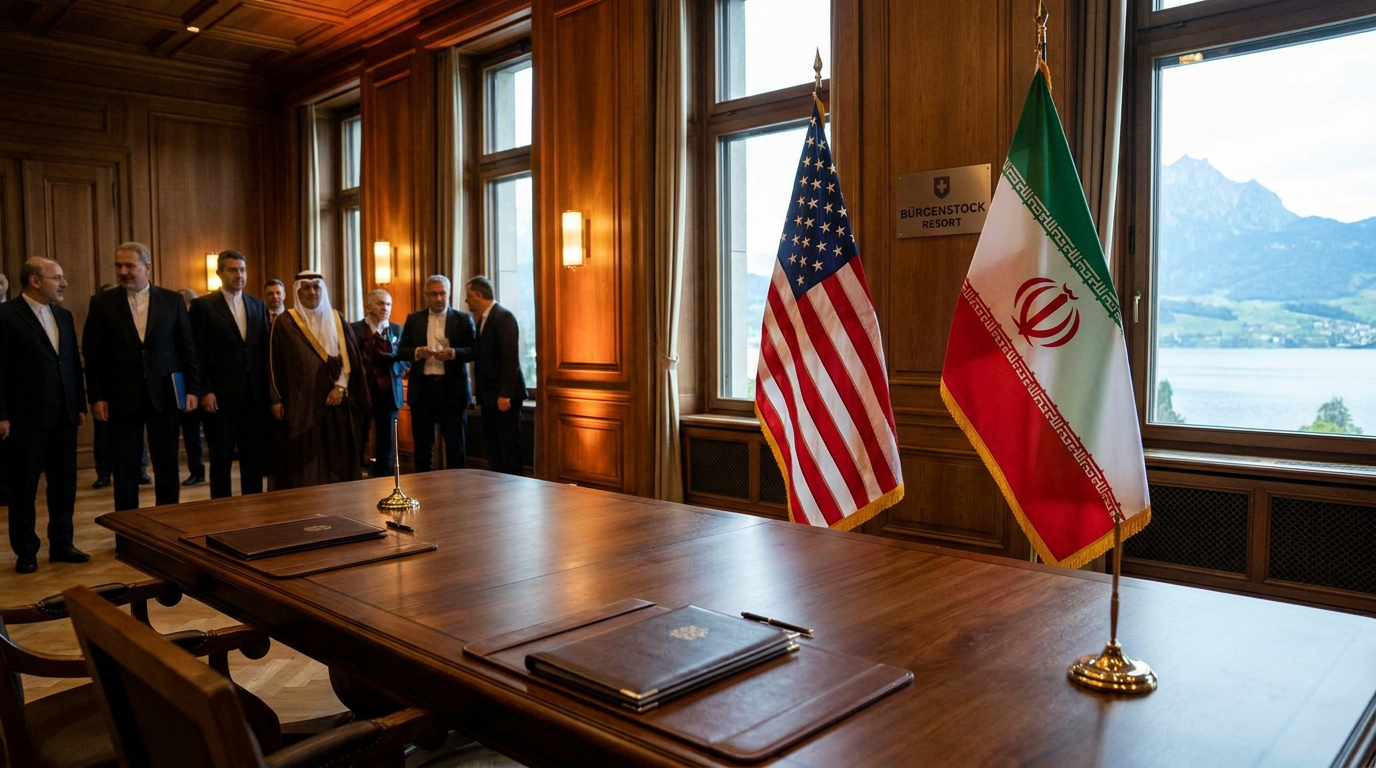
Vice President J.D. Vance is widely expected to represent the United States at the formal, in-person signing ceremony in Geneva, Switzerland, appearing alongside Middle East special envoy Steve Witkoff and other key diplomatic figures. This high-profile international gathering will mark the official commencement of the 60-day technical negotiation period. The physical presence of top-tier United States officials underscores the administration's deep commitment to the new framework, even as significant, unresolved questions remain about the specific mechanisms for enforcing Iranian compliance and monitoring maritime traffic in the critical months ahead.[8]

For the massive international shipping industry, the immediate focus has rapidly shifted to the daunting logistical hurdles of clearing technical obstacles and neutralizing dangerous naval mines scattered throughout the Persian Gulf. Prior to the outbreak of the war, the Strait of Hormuz operated seamlessly without any tolls or national service fees, a historical status quo that the United States insists must be strictly maintained under the new agreement. Shipping conglomerates and maritime insurers are currently assessing the physical safety of the waters, anxiously waiting for definitive military clearance before sending massive, vulnerable oil tankers back into the previously contested zone.[7]
As global oil and agricultural crop prices begin to fall in direct, immediate response to the diplomatic breakthrough, the broader international community is breathing a collective sigh of relief. European leaders from the United Kingdom, France, Germany, and Italy have already issued joint statements signaling their readiness to support the new agreement and lift their own regional sanctions, provided Iran strictly complies with international nuclear safeguards. The coming weeks will severely test whether this highly transactional brand of diplomacy can forge a lasting, stable peace in the Middle East, or if it merely delays a much larger, inevitable regional confrontation.[8]
How we got here
Late Feb 2026
The US and Israel launch 'Operation Roaring Lion' following the collapse of nuclear negotiations.
March - May 2026
Iran militarizes the Strait of Hormuz, sparking a global energy crisis and a US naval blockade.
June 14, 2026
President Trump and Iranian officials digitally sign a preliminary 14-point ceasefire agreement.
June 19, 2026
A formal, in-person signing ceremony is scheduled to take place in Geneva, Switzerland.
Viewpoints in depth
The Trump Administration's View
The White House views the deal as a masterstroke that saves the global economy while forcing Iran to the negotiating table.
U.S. officials argue that the economic toll of a closed Strait of Hormuz was unsustainable for the global market. By leveraging military pressure to secure a ceasefire, the administration claims it has averted a worldwide depression and created a 60-day window to permanently dismantle Iran's nuclear ambitions without a prolonged ground war.
Israel's Security Establishment
Israeli officials fear the agreement provides Iran with a dangerous lifeline and a cover to accelerate its nuclear program.
Kept largely out of the loop during the final stages of mediation, Israeli defense leaders warn that the $300 billion reconstruction fund and sanctions relief will embolden Tehran. They assess that Iran has no genuine intention of signing a final nuclear treaty and will instead use the 60-day pause to achieve nuclear breakout capability while its economy recovers.
Global Energy Markets
Energy importers and shipping conglomerates are overwhelmingly relieved by the de-escalation.
For the maritime and energy sectors, the conflict represented an existential threat to global supply chains. The commitment to clear mines and restore pre-war shipping volumes within 30 days has already caused oil prices to drop, providing immediate relief to inflation-battered economies worldwide.
What we don't know
- Whether Iran will genuinely engage in the 60-day nuclear negotiations or use the time to advance its weapons program.
- The exact mechanisms and regional contributors for the proposed $300 billion reconstruction fund.
- How quickly the Persian Gulf can be cleared of mines and technical obstacles to safely resume full shipping traffic.
Key terms
- Strait of Hormuz
- A narrow, strategically vital waterway between the Persian Gulf and the Gulf of Oman through which roughly 20% of the world's oil supply passes.
- Memorandum of Understanding (MOU)
- A formal, non-binding agreement between two or more parties outlining the terms and details of a mutual understanding, often preceding a final treaty.
- Naval Blockade
- The use of naval forces to cut off a specific area, preventing ships from entering or leaving a country's ports.
Frequently asked
Will gas prices go down?
Yes, global oil and crop prices have already begun to fall in response to the agreement, as the reopening of the Strait of Hormuz ensures a steady supply of energy to the global market.
Is the war completely over?
The MOU establishes an immediate and permanent ceasefire on all fronts, but a final, lasting peace depends on the outcome of the upcoming 60-day nuclear negotiations.
Why is Israel upset about the deal?
Israeli defense officials fear that lifting sanctions and providing economic relief will allow Iran to survive and secretly accelerate its nuclear weapons program during the 60-day negotiation window.
Sources
Source coverage
8 outlets
4 viewpoints surfaced








[1]The Guardian
US releases text of Iran peace plan as Trump says deal averts 'worldwide depression'
Read on The Guardian →[2]Al JazeeraIranian Leadership
Trump eyes US-Iran 'peace deal' signing
Read on Al Jazeera →[3]Times of IsraelIsraeli Defense Establishment
US-Iran deal said set to halt regional hostilities, including in Lebanon, lift blockade
Read on Times of Israel →[4]AxiosGlobal Economic & Shipping Sectors
U.S. and Iran reach deal to extend ceasefire and open strait
Read on Axios →[5]Fox BusinessUS Administration
Trump announces Iran deal is complete as Strait of Hormuz opening looms
Read on Fox Business →[6]CBS NewsUS Administration
What to know about the Iran war today: The Trump administration released the 14-point memorandum of understanding
Read on CBS News →[7]The HinduGlobal Economic & Shipping Sectors
What the 14-point MoU between Iran and the U.S. means for shipping
Read on The Hindu →[8]TIMEUS Administration
Trump and Iranian Official Sign Agreement to Stop Fighting, Reopen Strait of Hormuz
Read on TIME →

Every angle. Every day.
Get news politics stories with full source coverage and perspective breakdowns delivered to your inbox.