
US and Iran to Sign Deal Reopening Strait of Hormuz as Israel Rejects Ceasefire Terms
The United States and Iran have reached a tentative agreement to end months of conflict and reopen the vital Strait of Hormuz, though Israeli leaders vow to continue their military campaign against Tehran's proxies.
By Factlen Editorial Team
- US Administration
- Prioritizes global economic stability, reopening the Strait of Hormuz, and securing a non-nuclear Iran without a prolonged Middle Eastern war.
- Israeli Government
- Views the agreement as a strategic betrayal that leaves the Iranian regime intact and fails to neutralize the immediate threat from Hezbollah.
- Iranian Leadership
- Frames the ceasefire as a victory that humiliated Western powers, demanding immediate sanctions relief and the release of frozen assets.
- Global Energy & Allied Partners
- Relieved by the stabilization of oil markets and maritime trade, but anxious about the deal's fragility and potential tolling in the Strait.
What's not represented
- · Lebanese Civilians
- · Commercial Shipping Operators
Why this matters
The reopening of the Strait of Hormuz instantly stabilizes global energy markets, lowering the risk of a severe inflation shock for consumers worldwide. However, the deep rift between the US and Israel over the ceasefire terms threatens to spark a separate, prolonged conflict in Lebanon.
Key points
- The US and Iran have agreed to a memorandum of understanding to end a 3.5-month war, with a formal signing set for Friday.
- The deal immediately reopens the Strait of Hormuz, prompting global crude oil prices to drop nearly 5% toward $80 a barrel.
- The pact initiates a 60-day negotiation window regarding US sanctions, frozen Iranian assets, and Iran's nuclear program.
- Israeli leaders have fiercely rejected the agreement, vowing to continue their military campaign against Hezbollah in Lebanon despite ceasefire clauses.
- President Trump publicly criticized Israel's bombing of Lebanese apartment buildings, warning it could jeopardize the fragile peace framework.
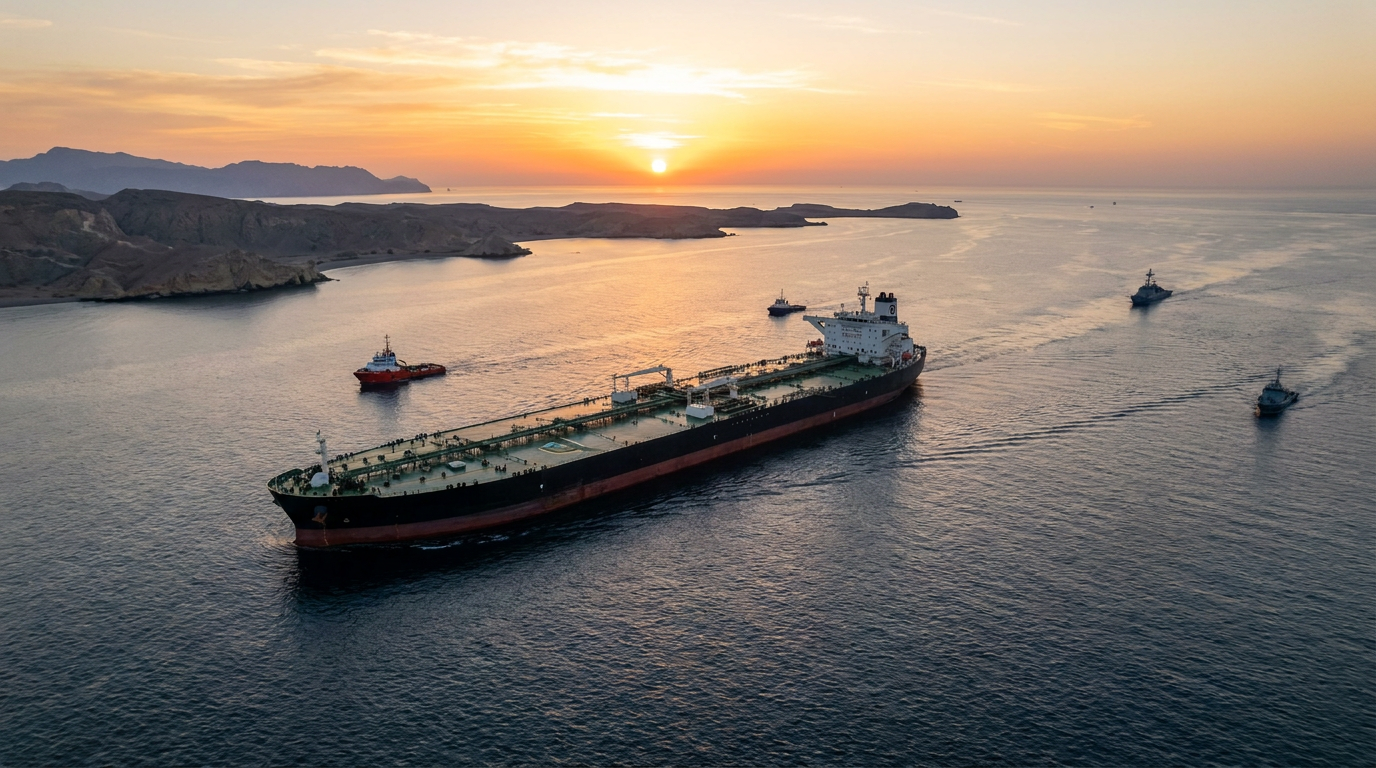
The United States and Iran have reached a tentative agreement to end a devastating three-and-a-half-month military conflict, with a formal memorandum of understanding scheduled to be signed in Switzerland on Friday. Mediated by Pakistan, the diplomatic breakthrough aims to halt hostilities that originally erupted following joint US-Israeli strikes on Iran in late February. The initial and most critical phase of the pact focuses on immediately reopening the Strait of Hormuz, a vital global energy artery that Tehran had blockaded since the war's onset, sending shockwaves through the international economy.[1][2][9]
The economic relief from the announcement was instantaneous across global markets. Following the news of the impending signature, global crude oil prices plummeted nearly 5% toward $80 a barrel, a sharp recovery after surging above $110 during the height of the naval blockade. President Donald Trump publicly celebrated the reopening, declaring that the waterway would be 'completely open' and permanently toll-free. 'Ships of the World, start your engines. Let the oil flow!' Trump posted to social media, noting that commercial vessels and oil tankers had already begun moving through the previously restricted maritime zone.[1][2][3]
While the immediate international focus remains on maritime security and energy stabilization, the memorandum triggers a strict 60-day window for broader, more complex negotiations. These upcoming talks will address the potential lifting of US sanctions, the unfreezing of Iranian assets—which Iranian state media claims could include an initial $12 billion—and the implementation of strict policing powers over Iran's nuclear program. Iranian Deputy Foreign Minister Kazem Gharibabadi hailed the deal as bringing an 'immediate end' to the war, while President Masoud Pezeshkian publicly called the diplomatic resolution a monumental regional achievement.[1][2]

However, the bilateral agreement has triggered a political earthquake in Israel, where leaders across the political spectrum view the pact as a dangerous capitulation to Tehran. Prime Minister Benjamin Netanyahu, who had heavily influenced the initial US decision to launch strikes against Iran, held a press conference acknowledging a rare and deep rift with Washington. 'He is the U.S. president, I'm the Israeli prime minister—we often see eye to eye and there are also instances where we see less eye to eye,' Netanyahu stated, vowing that Israel would unilaterally prevent Iran from acquiring a nuclear weapon 'with or without an agreement.'[4][6]
The diplomatic friction extends acutely to the ongoing conflict in Lebanon. The US-Iran deal reportedly stipulates a comprehensive cessation of hostilities on all fronts, which explicitly includes the volatile Israel-Hezbollah border. Yet Israeli officials have categorically rejected this clause, refusing to halt their northern campaign. National Security Minister Itamar Ben Gvir declared that 'Trump's agreement does not bind us,' asserting Israel's status as an independent sovereign nation. Finance Minister Bezalel Smotrich echoed the defiant sentiment, promising the military 'full freedom of action' in Lebanon regardless of the Geneva signing.[4][5]

The diplomatic friction extends acutely to the ongoing conflict in Lebanon.
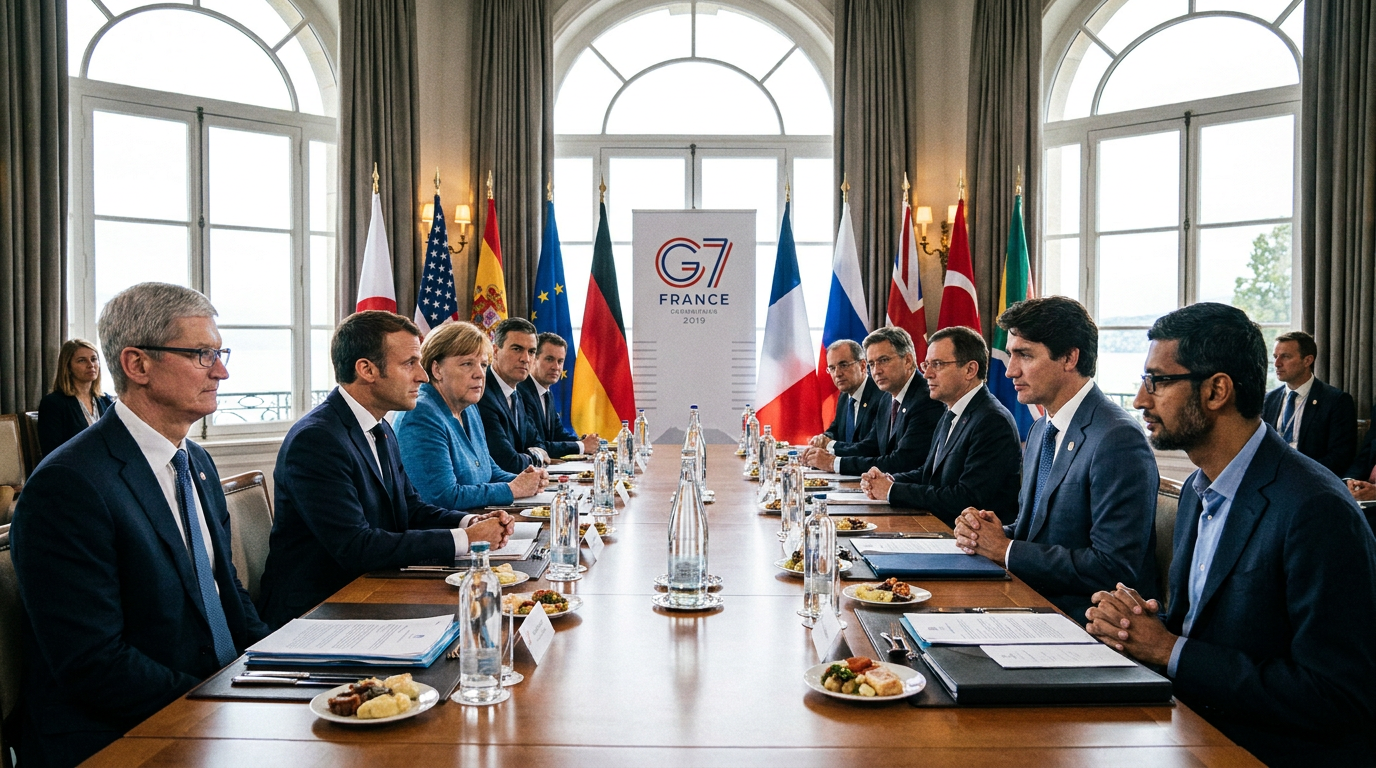
The open defiance from Jerusalem has prompted unusual and highly public pushback from the White House. Trump issued a rare rebuke of Israel's military tactics against Hezbollah, specifically criticizing the widespread destruction of civilian infrastructure in the pursuit of militants. 'You don't have to knock down an apartment house every time,' Trump told reporters at the G7 summit, warning that the continued heavy bombardment of Beirut risked unraveling the fragile peace framework before the ink on the memorandum could even dry.[3][6]
The diplomatic fallout is also reverberating loudly in US domestic politics, where the administration's foreign policy is under intense scrutiny. Former Vice President Kamala Harris sharply criticized the administration's handling of the entire crisis, labeling the initial February conflict a 'war of choice' that needlessly endangered global stability. Harris predicted that the messy, controversial resolution would cost Republicans dearly in the upcoming midterm elections, likening the situation to the severe political blowback faced by the Obama administration over its own fraught Iran negotiations.[8]
Internationally, the reaction from Western allies has been one of cautious, measured relief. NATO Secretary General Mark Rutte hailed the reopening of the Strait of Hormuz as a 'massive step forward' for global economic stability. European leaders, however, remain deeply wary of unresolved details buried in the text. Particular concern surrounds Iranian claims that last-minute negotiated changes grant Tehran the right to charge fees for maritime services in the strait—a formulation that Western nations fiercely oppose as a direct violation of international freedom of navigation.[3][7]

The ultimate success of the Geneva signing now hinges entirely on whether the United States can enforce the ceasefire across a deeply fractured and distrustful region. With Israel vowing to continue its military campaign against Hezbollah, and Iran warning that the entire bilateral deal is strictly contingent on Israeli compliance in Lebanon, the upcoming 60-day negotiation window threatens to be just as volatile and unpredictable as the devastating war it aims to replace.[5][10]
How we got here
Late February 2026
Joint US-Israeli strikes on Iran trigger a broader conflict, leading Tehran to blockade the Strait of Hormuz.
Mid-June 2026
Pakistan successfully mediates a tentative ceasefire between Washington and Tehran.
June 15, 2026
President Trump announces the reopening of the Strait of Hormuz and a sharp drop in global oil prices.
June 19, 2026
Scheduled formal signing of the Memorandum of Understanding in Switzerland.
Viewpoints in depth
US Administration's view
The White House views the deal as a pragmatic triumph that averts a global economic crisis.
By ending the blockade of the Strait of Hormuz, the administration claims to have averted a global inflation crisis and stabilized energy markets. Officials argue that the 60-day negotiation window provides sufficient leverage to permanently dismantle Iran's nuclear ambitions without committing the US to an endless Middle Eastern war.
Israeli Government's view
Israeli leaders see the memorandum as a dangerous capitulation that leaves existential threats intact.
Israeli leaders across the political spectrum argue that leaving the Iranian regime in power—and potentially unfreezing billions of dollars in assets—will only embolden Tehran to fund proxy groups like Hezbollah. Jerusalem insists it is not bound by the ceasefire and maintains the right to strike threats on its borders unilaterally.
Iranian Leadership's view
Tehran is framing the end of the 3.5-month conflict as a strategic victory against Western military superiority.
Iranian officials emphasize that the deal successfully leveraged global oil reliance to force an end to US-Israeli strikes. They insist the final agreement must include total sanctions relief and the unfreezing of assets, warning that any continued Israeli strikes in Lebanon will be viewed as a US failure to uphold its end of the bargain.
What we don't know
- Whether Israel will ultimately comply with the ceasefire clause regarding its operations against Hezbollah in Lebanon.
- The exact terms of the final agreement to be negotiated over the next 60 days, including the fate of Iran's nuclear program.
- Whether Iran will actually attempt to charge 'tolls' or maritime service fees for ships passing through the Strait of Hormuz.
Key terms
- Strait of Hormuz
- A narrow waterway between the Persian Gulf and the Gulf of Oman, serving as a critical chokepoint through which roughly 20% of the world's oil supply passes.
- Memorandum of Understanding (MOU)
- A formal, non-binding agreement between two or more parties outlining the terms and details of an understanding, often serving as the foundation for a final treaty.
- Hezbollah
- A heavily armed, Iran-backed political and militant group based in Lebanon that has been engaged in ongoing cross-border conflict with Israel.
Frequently asked
When will the Strait of Hormuz fully reopen?
President Trump announced that the waterway would be 'completely open' by Friday following the formal signing of the agreement, though some commercial ships have already begun moving.
What does the deal say about Israel and Lebanon?
The draft agreement reportedly includes a ceasefire on all fronts, including Lebanon. However, Israeli officials have explicitly rejected this clause and vow to continue military operations against Hezbollah.
What happens during the 60-day negotiation window?
Following the signing of the initial memorandum, the US and Iran will have 60 days to negotiate a final agreement covering the lifting of US sanctions, the release of frozen Iranian assets, and strict limits on Iran's nuclear program.
Sources
Source coverage
10 outlets
4 viewpoints surfaced










[1]Channel News AsiaUS Administration
Trump says Strait of Hormuz to reopen on Friday under US-Iran deal
Read on Channel News Asia →[2]Council on Foreign RelationsGlobal Energy & Allied Partners
U.S.-Iran Deal Reopens Strait of Hormuz
Read on Council on Foreign Relations →[3]The GuardianGlobal Energy & Allied Partners
Donald Trump declares Strait of Hormuz will be 'completely open'
Read on The Guardian →[4]The Washington PostIsraeli Government
Israelis denounce Trump's deal with Iran
Read on The Washington Post →[5]Middle East EyeIranian Leadership
'Israel is weaker': Israeli political class reacts angrily to the US-Iran peace deal
Read on Middle East Eye →[6]The Jerusalem PostIsraeli Government
Israelis dismayed at Trump deal with Iran, say that it's meaningless
Read on The Jerusalem Post →[7]The HinduGlobal Energy & Allied Partners
NATO chief Mark Rutte hails the U.S.-Iran deal
Read on The Hindu →[8]Fox NewsUS Administration
Failed 2024 candidate Kamala Harris predicts Obama-like end for Trump on Iran negotiations
Read on Fox News →[9]AxiosUS Administration
U.S. and Iran discuss moving up signing of deal, sources say
Read on Axios →[10]Al JazeeraIranian Leadership
Why Israel could still derail the Iran-US deal
Read on Al Jazeera →
More in news politics
See all 10 stories →US-Iran Agreement
Leaked 14-Point Text Reveals Framework for US-Iran Peace Agreement
7 sources

UAP Disclosure
The UAP Evidence Pack: What Declassified Government Files Actually Show
8 sources
U.S.-Iran Deal
U.S. and Iran Reach Framework Agreement to End Naval Blockade and Resume Oil Sales
7 sources
AI Regulation
U.S. Blocks Foreign Access to Anthropic's Advanced AI Models, Sparking 'Tech Sovereignty' Debate at G7
7 sources
Every angle. Every day.
Get news politics stories with full source coverage and perspective breakdowns delivered to your inbox.