
US and Iran Sign Historic Peace Deal, Reopening Strait of Hormuz and Sparking Market Rally
President Donald Trump has electronically signed a Memorandum of Understanding with Tehran to end military hostilities, lifting the US naval blockade and reopening the critical Strait of Hormuz. The breakthrough has triggered a global market rally, though US allies in the Middle East have voiced strong opposition.
By Factlen Editorial Team
- US Administration
- Views the deal as a major diplomatic victory that ends a costly war and stabilizes the global economy.
- Global Markets
- Focused on the immediate relief to energy supply chains and the removal of geopolitical risk premiums.
- Israeli Leadership
- Views the lifting of the blockade as a severe security threat and vows to continue regional military operations.
- Domestic Critics
- Argues the administration made hasty concessions and surrendered leverage before verifying long-term compliance.
What's not represented
- · Iranian civilians affected by the blockade
- · European Union diplomatic negotiators
- · Commercial maritime insurance underwriters
Why this matters
The reopening of the Strait of Hormuz—a chokepoint for a fifth of the world's oil—promises to stabilize global energy markets and eventually lower domestic fuel prices, while fundamentally realigning the security architecture of the Middle East.
Key points
- President Trump has electronically signed an MoU with Iran to end military operations.
- The agreement lifts the US naval blockade and reopens the critical Strait of Hormuz.
- Global markets rallied significantly, with the Nasdaq jumping 3.1 percent.
- US fuel prices will take months to normalize despite the drop in crude oil costs.
- Israel strongly opposes the deal and vows to maintain its regional security operations.
The United States and Iran have officially agreed to end their military conflict, with President Donald Trump confirming the electronic signing of a Memorandum of Understanding (MoU) with Tehran. The sudden diplomatic breakthrough halts a war that had severely disrupted global trade and energy supplies. According to the Trump administration, the agreement immediately lifts the US naval blockade that had been imposed on Iran, marking a rapid de-escalation of hostilities that had threatened to engulf the broader Middle East. The electronic signature serves as a binding preliminary agreement ahead of a formal, in-person signing ceremony reportedly scheduled for later this week.[2][4][5]
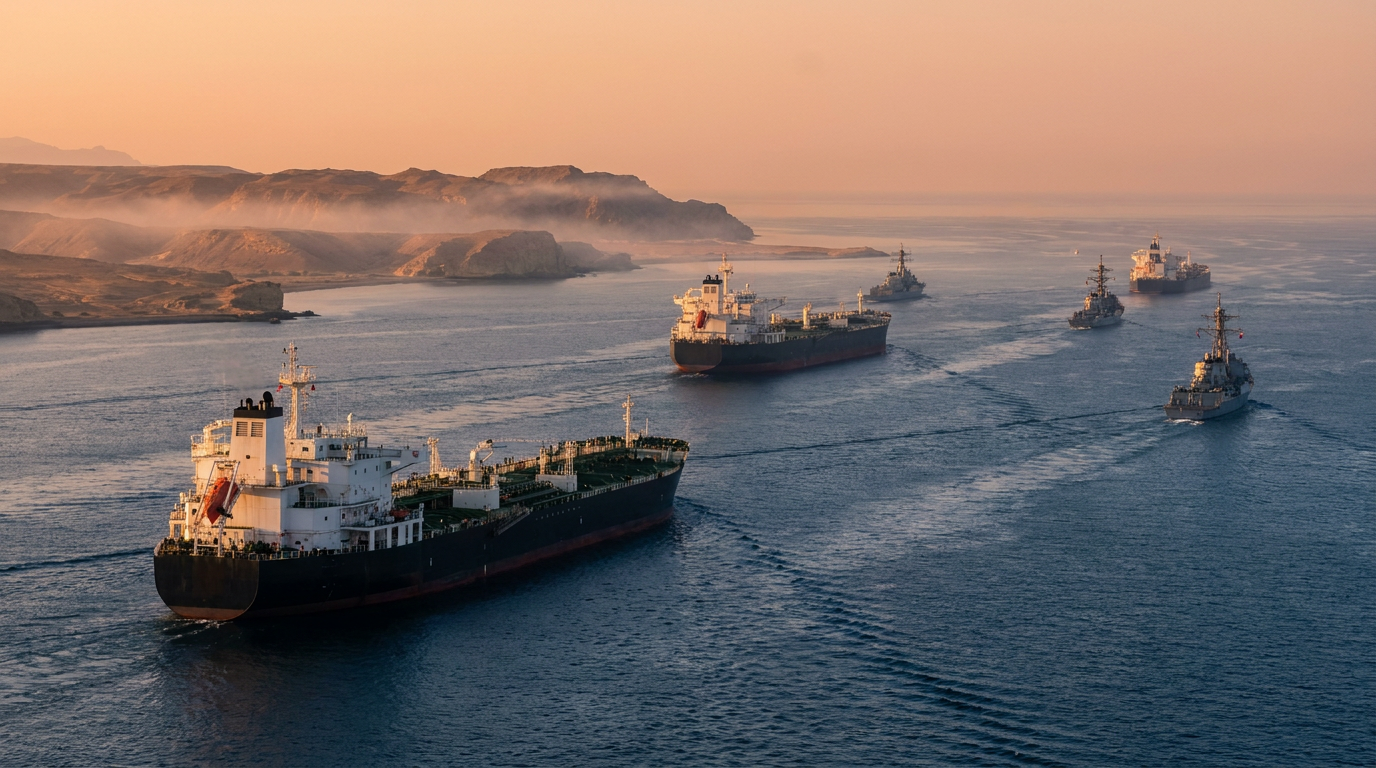
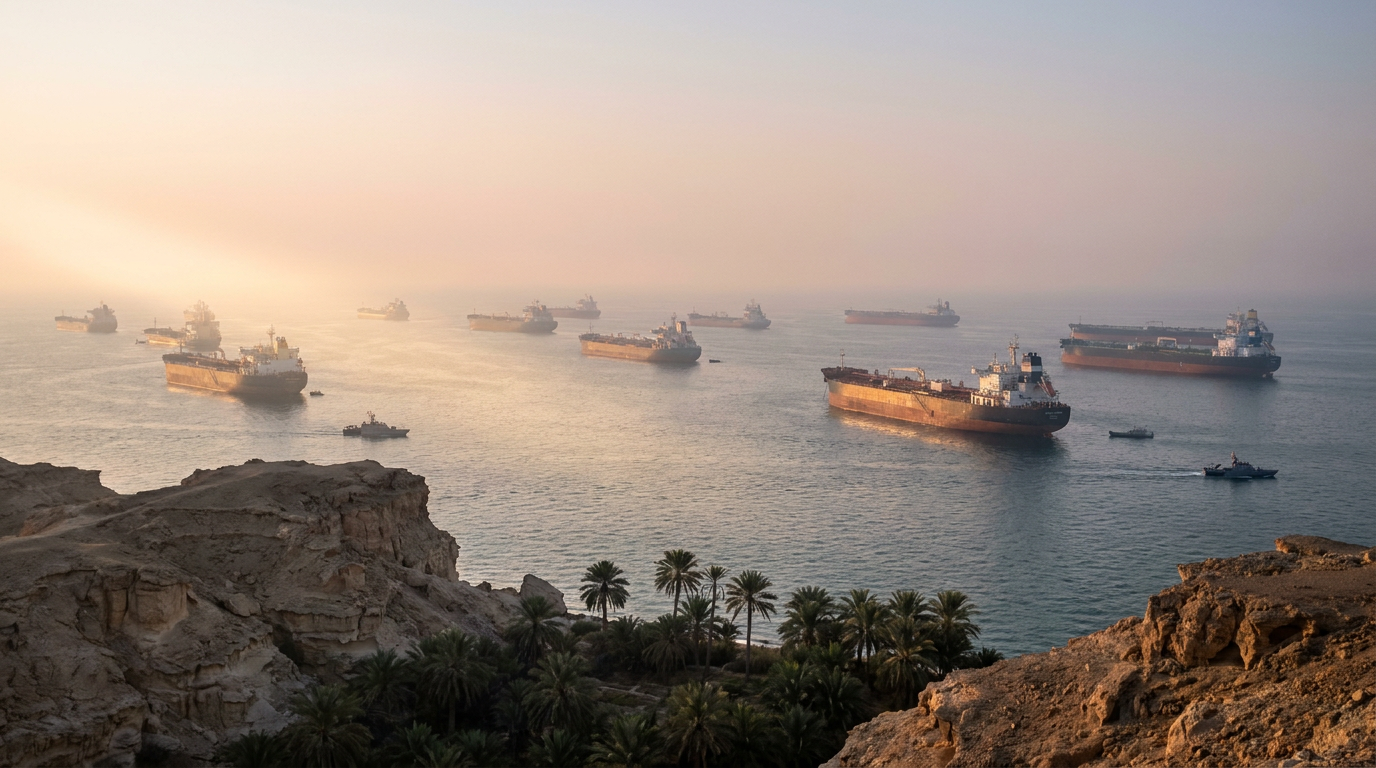
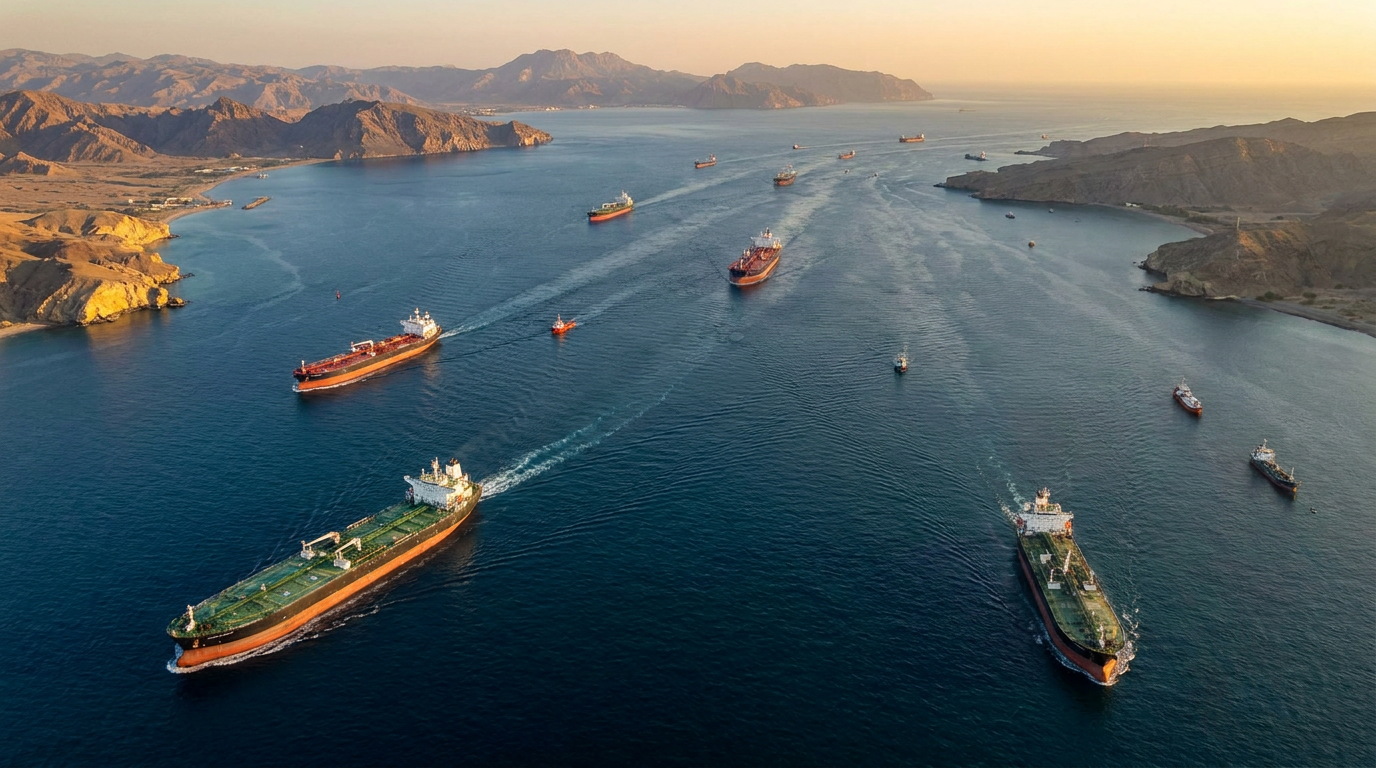
The most immediate and globally consequential outcome of the MoU is the reopening of the Strait of Hormuz. The narrow waterway, which serves as a critical chokepoint for approximately one-fifth of the world’s oil and liquid natural gas, had been closed to most commercial shipping by Iran in the early days of the US and Israeli military campaigns. Following the lifting of the US naval blockade, Iranian vessels have already begun passing through the strait, signaling a return to normalized maritime operations. International shipping companies are now cautiously preparing to resume standard routes, though maritime insurance premiums remain elevated as the security situation stabilizes.[2][4][6]
Global financial markets reacted to the news with an immediate and powerful rally, driven by profound relief that the specter of prolonged energy chaos might be fading. In the United States, the benchmark S&P 500 index surged by 1.7 percent in early trading, while the tech-heavy Nasdaq composite jumped 3.1 percent. Investors had spent months pricing in the worst-case scenarios of a protracted Middle Eastern war and sustained disruptions to global supply chains. The sudden pivot toward peace has triggered a massive reallocation of capital, with equities soaring as the geopolitical risk premium evaporates from the market.[1][5][6]

Despite the euphoric reaction on Wall Street and a sharp drop in global crude oil benchmarks, American consumers may not see immediate relief at the gas pump. Industry analysts caution that US domestic fuel prices will likely take "months" to fully normalize. Energy producers require significant lead time to ramp up output to pre-war levels, and the global supply chain is currently grappling with severe port bottlenecks. Furthermore, the timing of the peace deal coincides with the height of the summer driving season, meaning that heightened consumer demand will continue to prop up prices even as the raw cost of crude oil begins to decline.[3]
Despite the euphoric reaction on Wall Street and a sharp drop in global crude oil benchmarks, American consumers may not see immediate relief at the gas pump.
The specific architecture of the agreement is being described by European observers as a "compromise deal packed with fudges," designed to allow both Washington and Tehran to claim domestic political victories. While the full text of the MoU has not yet been declassified, the secretariat of Iran’s supreme national security council announced that war and military operations on all fronts would cease immediately. This includes a cessation of direct hostilities and a commitment to de-escalate naval confrontations in the Persian Gulf. For the Trump administration, the deal fulfills a promise to extricate the United States from foreign conflicts while securing the free flow of global commerce.[2][5][8]

The diplomatic breakthrough has exposed deep fractures between the United States and its closest Middle Eastern ally. The agreement has sparked intense backlash in Israel, where leadership views the survival of the current Iranian government and the lifting of the blockade as a direct threat to national security. Prime Minister Benjamin Netanyahu vehemently condemned the terms of the MoU, making it clear that Israel does not consider itself bound by the US-Iran ceasefire. In a defiant address, Netanyahu announced that Israeli military forces will maintain a "security zone" and continue operations in occupied Lebanon, Syria, and Gaza, ensuring that regional proxy conflicts will persist.[4][7]
Within the United States, the political reaction is sharply divided along partisan and ideological lines. The Trump administration and its allies are championing the MoU as a historic triumph of "America First" diplomacy, arguing that the use of overwhelming military and economic pressure successfully forced Tehran to the negotiating table without requiring a prolonged ground occupation. Conversely, domestic critics and foreign policy traditionalists warn that the administration may have made hasty concessions to secure a rapid exit. Skeptics argue that by lifting the naval blockade so quickly, the US has surrendered its primary leverage before verifying Iran's long-term compliance with the broader terms of the peace agreement.[5][8]

As the world awaits the formal signing ceremony on Friday, the immediate focus shifts to the complex logistics of military disengagement. International monitors and satellite surveillance networks are closely tracking the withdrawal of US naval strike groups from the Persian Gulf and verifying the cessation of Iranian missile deployments along the coast. The coming weeks will test the durability of the MoU, as both nations attempt to navigate the fragile transition from active warfare to a tense, negotiated peace. For now, the successful transit of the first commercial tankers through the Strait of Hormuz stands as the most tangible evidence that the conflict has, at least temporarily, come to an end.[2][4][6]
How we got here
Early Conflict
US and Israeli forces mount a military campaign against Iran, leading Tehran to close the Strait of Hormuz to most shipping.
Naval Blockade
The United States imposes a strict naval blockade on Iran, severely disrupting global energy markets and supply chains.
June 15, 2026
President Trump electronically signs an MoU with Tehran, officially ending hostilities and lifting the blockade.
June 16, 2026
Global markets rally as Iranian vessels begin passing through the reopened Strait of Hormuz.
Viewpoints in depth
The US Administration's View
The White House frames the agreement as a triumph of 'America First' diplomacy.
The Trump administration and its allies are championing the MoU as a historic victory that successfully utilized overwhelming military and economic pressure to force Tehran to the negotiating table. By securing an agreement without requiring a prolonged ground occupation, the administration argues it has fulfilled its promise to extricate the United States from foreign conflicts while simultaneously rescuing the global economy from energy chaos.
Israel's Security Establishment
Israeli leadership views the survival of the Iranian government and the lifting of the blockade as a severe threat.
For Israel, the US-Iran ceasefire represents a dangerous premature exit that leaves a hostile regime intact. Prime Minister Benjamin Netanyahu has made it clear that Israel does not consider itself bound by the MoU and will continue its military operations in Lebanon, Syria, and Gaza. The Israeli security establishment argues that lifting the naval blockade will allow Tehran to rapidly rearm its proxy networks across the region.
Global Energy Markets
Investors and energy traders are reacting with profound relief to the de-escalation.
Financial markets had spent months pricing in the worst-case scenarios of a protracted Middle Eastern war and sustained disruptions to global supply chains. The sudden pivot toward peace has triggered a massive reallocation of capital, with equities soaring as the geopolitical risk premium evaporates. However, energy analysts caution that the physical supply chain will take months to untangle, meaning consumer fuel prices will remain sticky in the short term.
Foreign Policy Skeptics
Domestic critics warn that the US may have surrendered its leverage too quickly.
Foreign policy traditionalists and domestic critics argue that the administration made hasty concessions to secure a rapid, politically popular exit from the conflict. Skeptics warn that by lifting the naval blockade immediately, the United States has given up its primary source of leverage before verifying Iran's long-term compliance with the broader, classified terms of the peace agreement.
What we don't know
- The exact, unredacted terms and concessions contained within the classified MoU.
- How Israel's continued military operations in Lebanon and Syria will impact the broader US-Iran ceasefire.
- Whether Iran will fully comply with the long-term verification mechanisms required by the agreement.
Key terms
- Memorandum of Understanding (MoU)
- A formal agreement between two or more parties that establishes a framework for peace or cooperation, often preceding a finalized treaty.
- Strait of Hormuz
- A narrow, strategically critical waterway between the Persian Gulf and the Gulf of Oman through which roughly 20% of the world's oil passes.
- Naval Blockade
- A military operation in which ships are used to prevent vessels, goods, or people from entering or leaving a country's ports.
Frequently asked
Is the war between the US and Iran completely over?
The US and Iran have signed a Memorandum of Understanding to cease military operations and lift the naval blockade, though a formal treaty is still pending.
Will gas prices go down immediately?
No. While crude oil prices have dropped, experts say it will take months for US fuel prices to normalize due to port bottlenecks and high summer demand.
How is Israel reacting to the peace deal?
Israel has strongly opposed the deal. Prime Minister Netanyahu stated that Israel will maintain its security operations in Lebanon, Syria, and Gaza regardless of the US-Iran ceasefire.
Sources
Source coverage
8 outlets
4 viewpoints surfaced






[1]Al JazeeraGlobal Markets
US stock market climbs as US-Iran deal stirs hopes for end to energy chaos
Read on Al Jazeera →[2]The GuardianDomestic Critics
Trump news at a glance: Long way to Friday and Iran peace deal signing
Read on The Guardian →US fuel prices to take ‘months’ to normalise after US-Iran deal to end war
Read on Al Jazeera →Iran war live: Trump says MoU with Tehran signed electronically
Read on Al Jazeera →[5]Fox NewsUS Administration
Trump secures historic MoU with Iran, markets rally as Strait of Hormuz reopens
Read on Fox News →[6]ReutersGlobal Markets
US and Iran sign electronic MoU to end hostilities; oil prices tumble
Read on Reuters →[7]Times of IsraelIsraeli Leadership
Netanyahu condemns US-Iran MoU, vows Israel will maintain security zones
Read on Times of Israel →[8]CNNDomestic Critics
Trump administration signs controversial Iran peace deal amid pushback from allies
Read on CNN →
More in news politics
See all 5 stories →
Every angle. Every day.
Get news politics stories with full source coverage and perspective breakdowns delivered to your inbox.