
U.S. and Iran Near Peace Deal to Reopen Strait of Hormuz, Though Timelines Clash
President Donald Trump and Pakistani mediators say a memorandum of understanding to end the four-month war will be signed Sunday, while Iranian officials caution the timeline will likely slip to the coming days.
By Factlen Editorial Team
- U.S. Administration
- Eager to finalize the deal quickly to reopen the Strait of Hormuz and claim a definitive victory over Iran's nuclear program.
- Iranian Negotiators
- Seeking vital sanctions relief while managing domestic optics by resisting rigid U.S. timelines.
- Iranian Hardliners
- Viewing the agreement as a capitulation that surrenders Tehran's strategic control over the Strait of Hormuz.
- Israeli Defense Officials
- Demanding strict enforcement of nuclear disarmament and maintaining military autonomy against Iranian proxies.
- Independent Analysts
- Focusing on the logistical hurdles of the 60-day window and the broader impact on global energy markets.
What's not represented
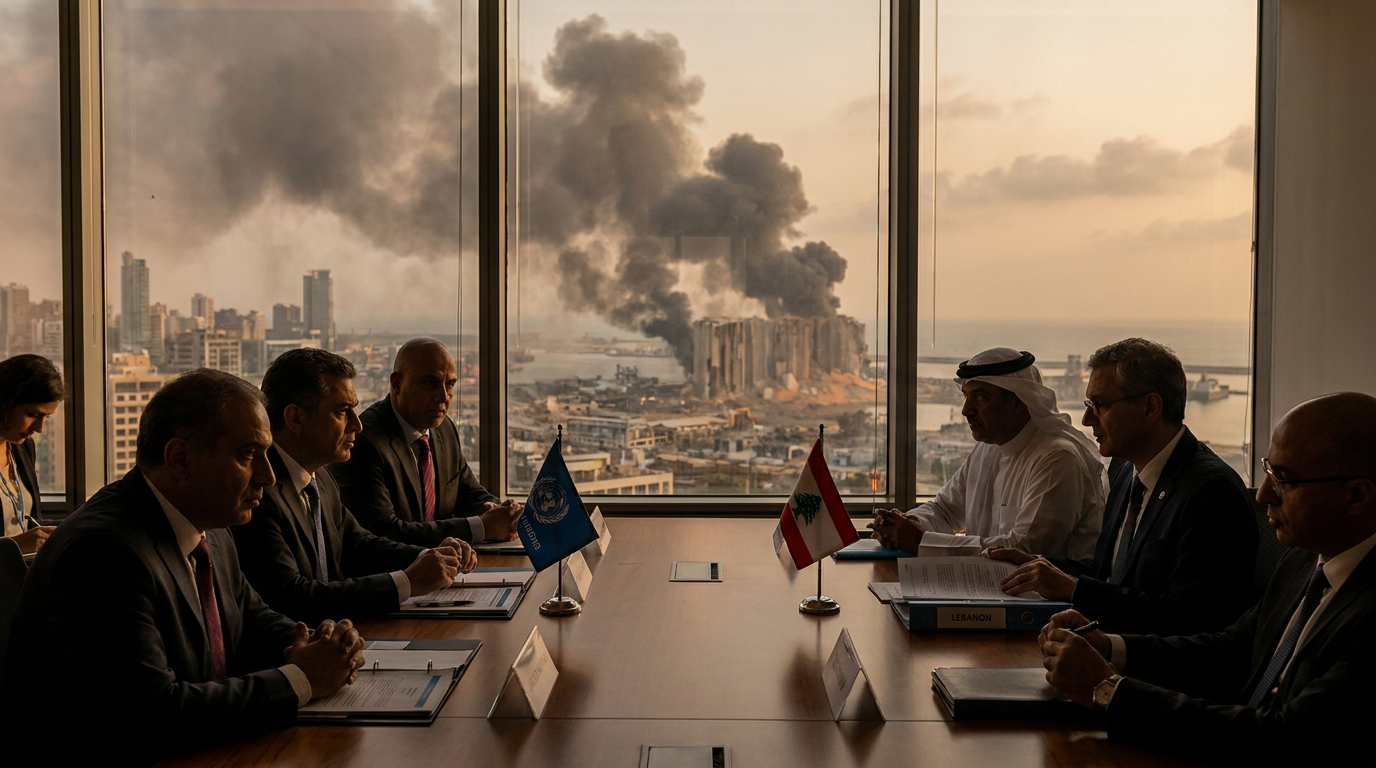
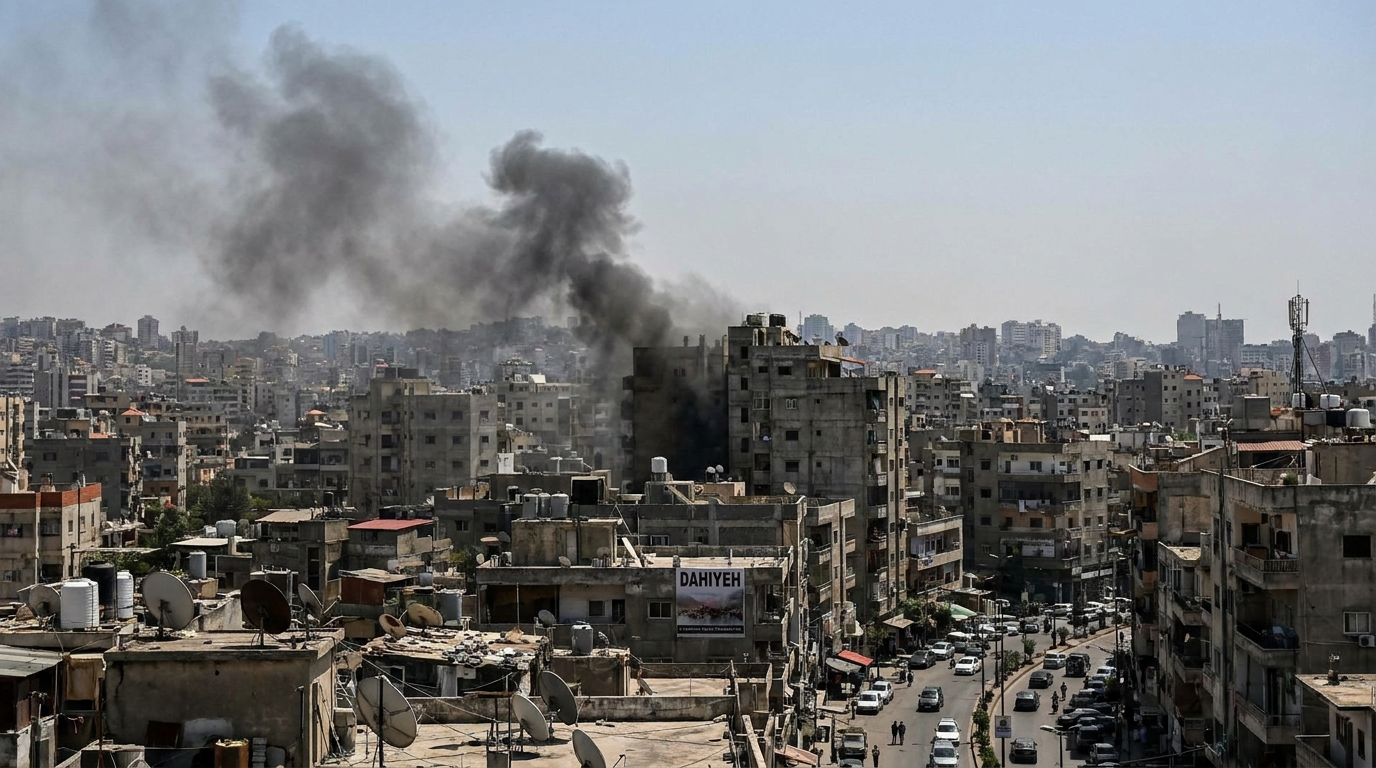
- · Lebanese civilians affected by the ongoing parallel conflict between Israel and Hezbollah.
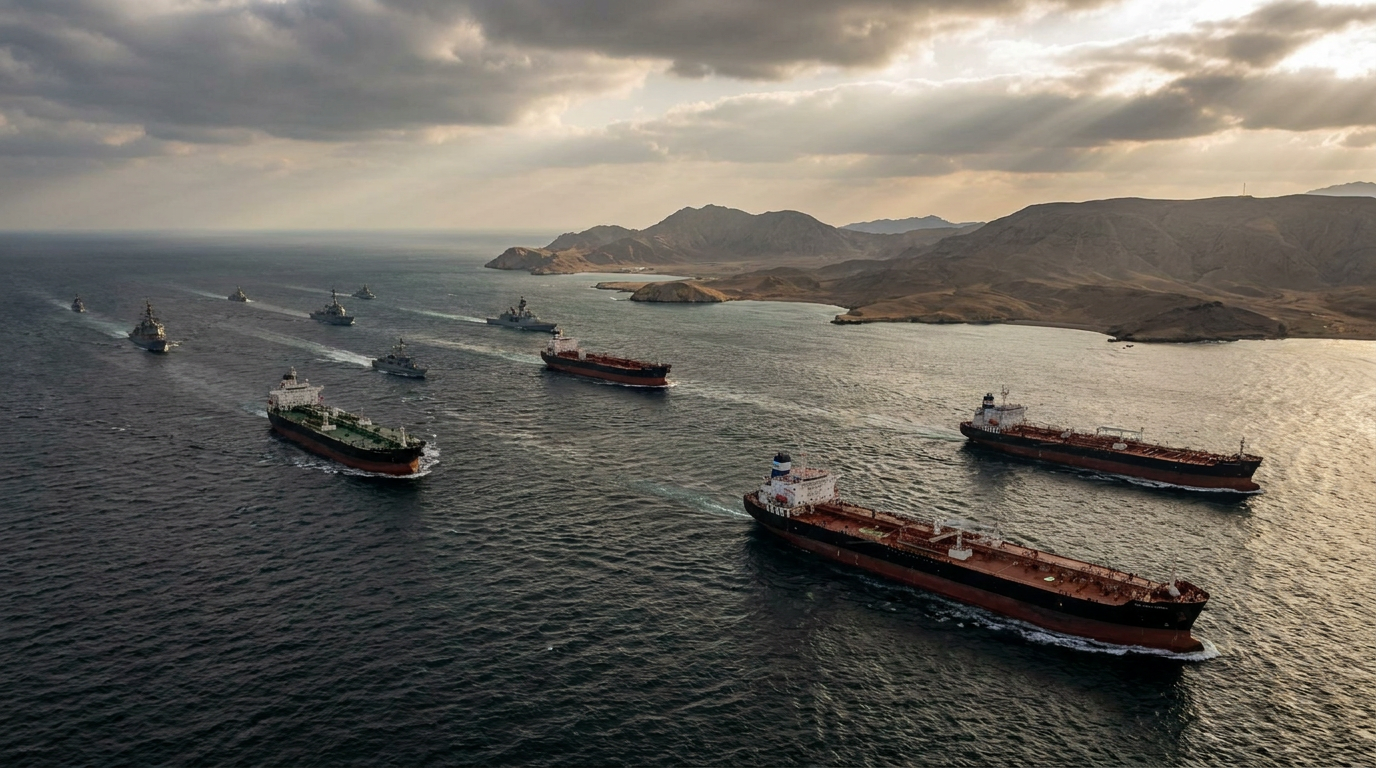
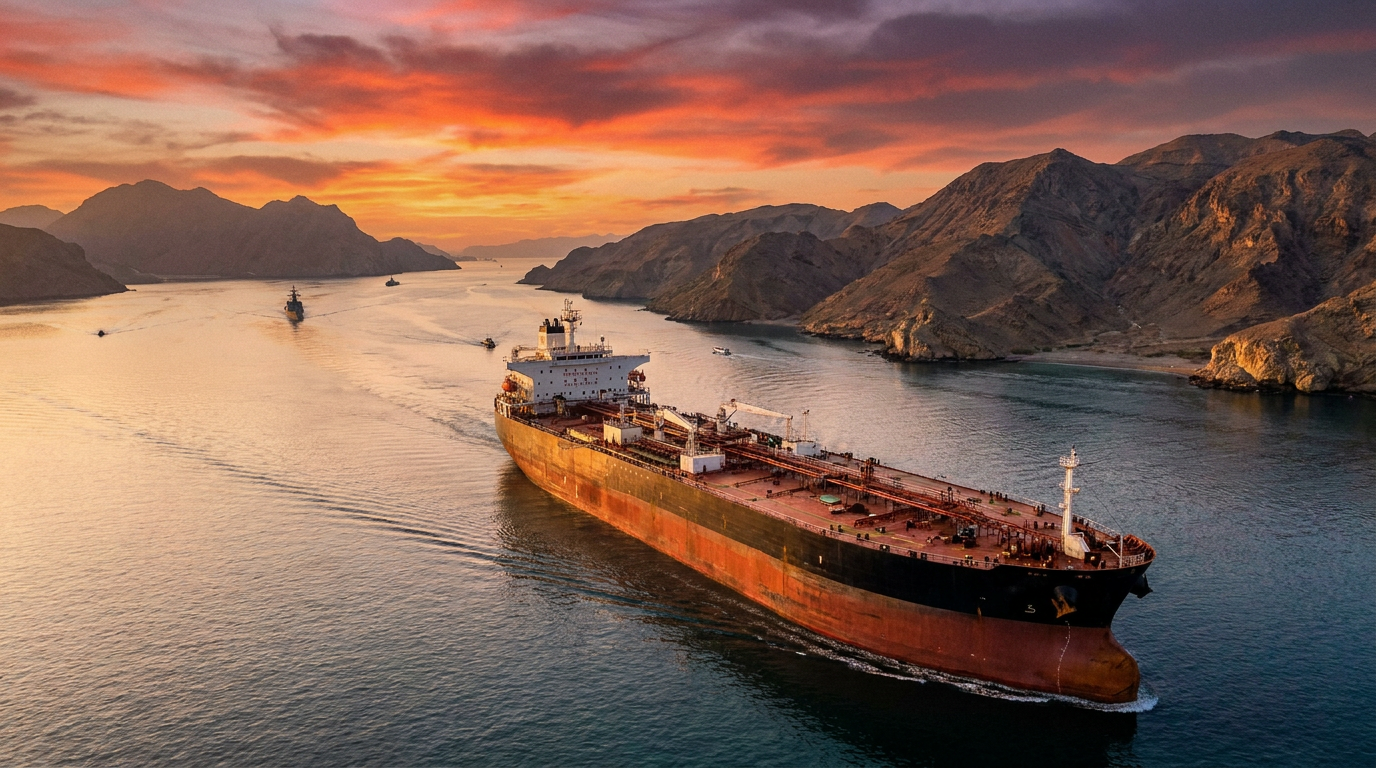
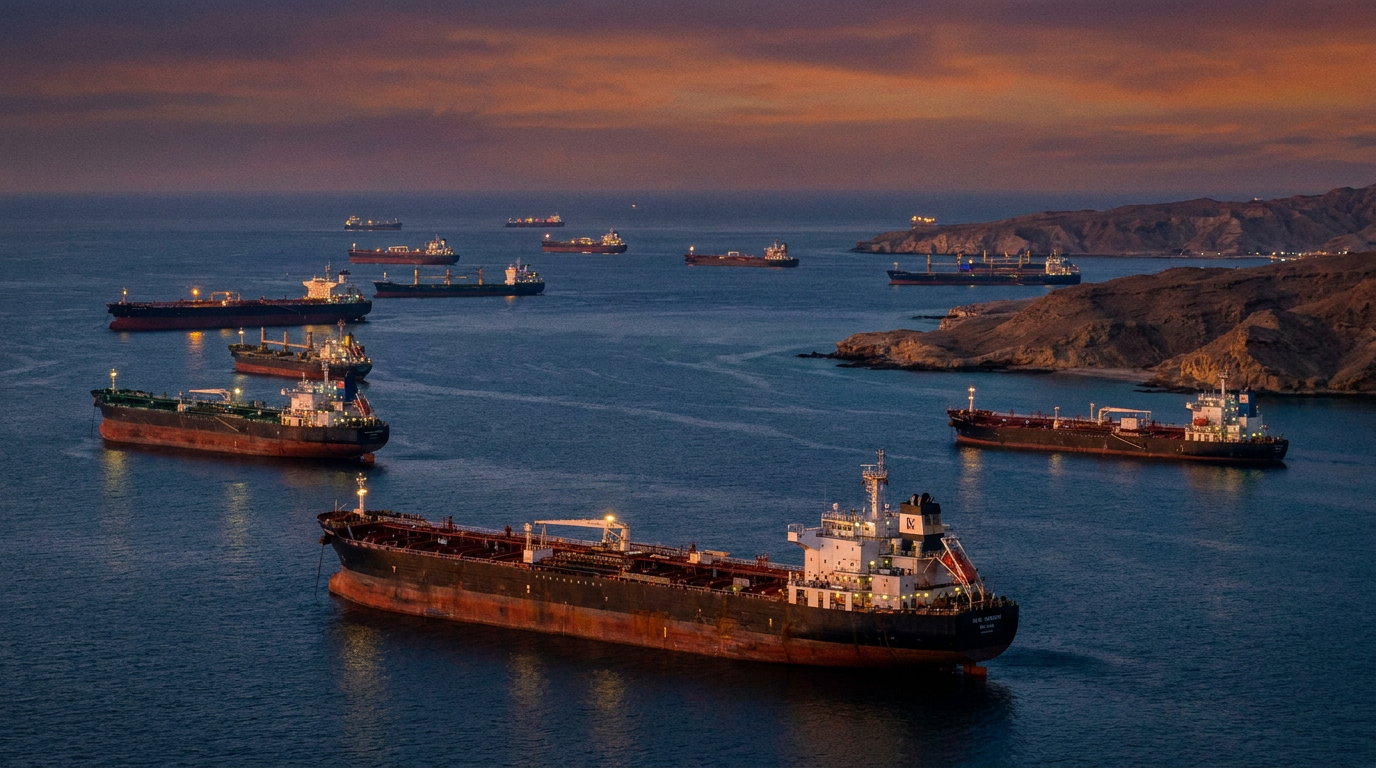
- · Commercial shipping companies navigating the logistical backlog in the Persian Gulf.
Why this matters
The reopening of the Strait of Hormuz would immediately ease the global energy crisis that has driven up fuel and commodity prices over the past four months. A formalized ceasefire also significantly reduces the risk of the conflict spiraling into a broader, nuclear-tinged regional war.
Key points
- The U.S. and Iran are finalizing a memorandum of understanding to extend their ceasefire by 60 days.
- President Trump stated the deal will be signed Sunday, immediately reopening the Strait of Hormuz.
- Iranian officials disputed the Sunday timeline, stating the exact date remains under negotiation.
- The 60-day window will be used to negotiate the dismantling of Iran's highly enriched uranium.
- Iranian hardliners are protesting the deal, accusing negotiators of surrendering strategic leverage.
- Israel warned it expects full Iranian nuclear disarmament and will not halt its operations in Lebanon.
The United States and Iran are on the verge of signing a landmark memorandum of understanding to end their four-month war, though the exact timing of the breakthrough remains a point of public friction. Following weeks of halting negotiations mediated by Pakistan and Qatar, the two nations have drafted a framework that would extend the current fragile ceasefire and reopen the strategically vital Strait of Hormuz.[1][2]
President Donald Trump announced on his Truth Social platform that the agreement is scheduled to be signed on Sunday—his 80th birthday. Trump declared that "immediately after it is signed, the Hormuz Strait is OPEN TO ALL," signaling an end to the maritime blockade that has choked global energy markets since the conflict erupted in late February.[3][4]
Pakistani Prime Minister Shehbaz Sharif corroborated the accelerated timeline, stating that Islamabad is preparing for an "electronic signing" within 24 hours. According to Sharif, the remote signing will pave the way for technical-level talks in the coming week to iron out the logistics of the truce.[5][6]
However, officials in Tehran quickly pumped the brakes on the Sunday schedule. Iranian Foreign Ministry spokesperson Esmaeil Baghaei stated that while a deal is imminent, it "will not be tomorrow," leaving the door open for a signing in the coming days. Iranian media outlets affiliated with the Islamic Revolutionary Guard Corps criticized Trump's "unusual insistence" on a Sunday signing, suggesting the U.S. president was eager to align the diplomatic victory with his birthday.[1][4]

The proposed two-page memorandum of understanding centers on a 60-day extension of the ceasefire that has largely held since April 8. During this window, Iran would lift its blockade on the Strait of Hormuz, allowing commercial vessels to transit without the toll system Tehran imposed during the war. In exchange, the United States would lift its reciprocal naval blockade on Iranian ports.[2][7]
The proposed two-page memorandum of understanding centers on a 60-day extension of the ceasefire that has largely held since April 8.
The 60-day period will also serve as a negotiating window to address Iran's nuclear program, which was a primary catalyst for the initial U.S. and Israeli strikes. According to U.S. officials, the framework requires Tehran to halt uranium enrichment and begin the process of destroying or removing its highly enriched stockpile.[1][8]
Trump expressed confidence that Iran has abandoned its nuclear ambitions, writing that the U.S. would eventually send B-2 bombers to extract the "Nuclear Dust" buried under Iranian mountains "when all is calm." Iranian Foreign Minister Abbas Araghchi has maintained that Tehran prefers to dilute the enriched uranium and keep it within the country, setting the stage for tense technical talks.[4][5]
The prospect of a reopened Strait of Hormuz has already sent ripples of relief through global energy markets. The waterway is a critical choke point for roughly one-fifth of the world's oil and natural gas supply. On Friday, optimism surrounding the deal drove the U.S. crude oil benchmark, West Texas Intermediate, down nearly 4% to under $85 per barrel—its lowest level since the war began.[5][8]

Despite the diplomatic momentum, the prospective agreement faces fierce domestic opposition within Iran. On Saturday, dozens of protesters gathered outside a foreign ministry office in the northeastern city of Mashhad, waving red and black flags and chanting "death to dishonorable Araghchi." Hardline factions argue that relinquishing control of the Strait of Hormuz strips Tehran of its most potent geopolitical leverage and amounts to an unwarranted concession.[4][5]
Regional complexities also threaten to complicate the truce. Israeli Defense Minister Israel Katz warned that Israel expects the U.S. agreement to permanently dismantle Iran's nuclear capabilities. Katz further emphasized that Israel is not a party to the U.S.-Iran deal and will not withdraw its forces from security zones in Lebanon, where it has been engaged in heavy fighting with the Iranian-backed militant group Hezbollah.[5][7]

If the electronic signing proceeds in the coming days, the immediate focus will shift to the physical de-mining of the Strait of Hormuz and the establishment of verification mechanisms. While both sides are eager to claim victory, the ultimate success of the memorandum will depend on whether Washington and Tehran can translate a 60-day pause into a durable resolution to one of the most disruptive conflicts in modern Middle Eastern history.[1][8]
How we got here
Feb 28, 2026
The United States and Israel launch Operation Epic Fury against Iran, sparking a regional war.
April 8, 2026
A fragile ceasefire takes effect, pausing the heaviest bombardments.
June 13, 2026
President Trump and Pakistani mediators announce a peace deal is imminent.
June 14, 2026
The targeted date for the electronic signing of the memorandum of understanding, though Iranian officials suggest a delay.
Viewpoints in depth
U.S. Administration
The White House views the deal as a definitive victory that neutralizes Iran's nuclear threat and restores global commerce.
President Trump and his administration are framing the memorandum as a total success that achieves what previous administrations could not. By securing an immediate reopening of the Strait of Hormuz and a commitment to dismantle Iran's nuclear program, the U.S. aims to project strength while extricating itself from an unpopular four-month war. The administration is pushing for a rapid signing to cement these gains and stabilize global energy markets.
Iranian Negotiators
Tehran's diplomatic corps seeks vital sanctions relief while managing domestic optics and resisting rigid U.S. timelines.
For Iranian Foreign Minister Abbas Araghchi and his team, the primary goal is lifting the crippling U.S. naval blockade and accessing frozen assets. However, they are acutely aware of domestic pressure and are deliberately pushing back against Trump's Sunday timeline to demonstrate that Tehran is not capitulating to American demands. They are also advocating for 'service fees' in the Strait and prefer to dilute their uranium domestically rather than surrender it to foreign powers.
Iranian Hardliners
Conservative factions view the agreement as a dangerous surrender of Iran's most potent geopolitical leverage.
Hardline elements within Iran, including factions tied to the Islamic Revolutionary Guard Corps, are fiercely protesting the proposed deal. They argue that relinquishing control over the Strait of Hormuz—without ironclad, long-term guarantees from Washington—leaves Iran vulnerable. Protesters in cities like Mashhad have accused the negotiating team of making unwarranted concessions, viewing the blockade as Iran's only effective deterrent against U.S. and Israeli military action.
Israeli Defense Establishment
Israel remains skeptical of the diplomatic track and insists on maintaining its military posture against Iranian proxies.
Israeli officials, led by Defense Minister Israel Katz, are deeply concerned that the 60-day negotiating window will allow Iran to obscure its nuclear capabilities. Israel expects the U.S. to enforce the complete extraction and destruction of Iran's highly enriched uranium. Furthermore, Israel has explicitly stated that it is not bound by the U.S.-Iran ceasefire and will not withdraw its forces from Lebanon, where it continues to battle Hezbollah.
What we don't know
- Whether Iran will ultimately agree to physically transfer its enriched uranium out of the country, or insist on diluting it domestically.
- How the U.S. and Iran will handle the 'service fees' Tehran wants to charge ships transiting the Strait of Hormuz.
- Whether the ceasefire will successfully hold off further skirmishes between Israel and Iranian-backed proxies in Lebanon and Syria.
Key terms
- Memorandum of Understanding (MoU)
- A formal agreement between two or more parties that establishes a framework for cooperation, often serving as a precursor to a more detailed treaty.
- Strait of Hormuz
- A narrow waterway between the Persian Gulf and the Gulf of Oman, serving as the world's most important oil transit choke point.
- Highly Enriched Uranium
- Uranium that has been processed to contain a high percentage of the U-235 isotope, making it capable of being used in nuclear weapons.
- Joint Comprehensive Plan of Action (JCPOA)
- The 2015 nuclear agreement between Iran and world powers, from which the U.S. withdrew in 2018, prompting the current cycle of nuclear escalation.
Frequently asked
What does the proposed deal actually do?
The memorandum of understanding would extend the current ceasefire by 60 days, reopen the Strait of Hormuz to commercial shipping, and launch negotiations to dismantle Iran's highly enriched uranium stockpile.
Why is the Strait of Hormuz so important?
The Strait is a critical maritime choke point through which roughly one-fifth of the world's oil and natural gas supply flows. Its closure during the war caused severe disruptions to global energy markets.
Will the deal end the fighting in Lebanon?
It remains unclear. While the U.S. hopes the deal will cool regional tensions, Israeli officials have stated they are not bound by the agreement and will not withdraw from their operations against Hezbollah in Lebanon.
Sources
Source coverage
8 outlets
5 viewpoints surfaced








[1]The Washington PostIndependent Analysts
U.S., Iran expected to finalize deal Sunday to extend ceasefire
Read on The Washington Post →[2]Al JazeeraIranian Negotiators
Will the US-Iran deal be signed on Sunday? What we know so far
Read on Al Jazeera →[3]Fox NewsU.S. Administration
Trump says US-Iran deal will be signed on Sunday, with Strait of Hormuz to reopen
Read on Fox News →[4]The GuardianIranian Hardliners
Trump says Iran deal will be signed today but Tehran casts doubt on timing
Read on The Guardian →[5]CBS NewsIsraeli Defense Officials
Iran peace deal to be signed Sunday and strait reopened immediately, Trump says
Read on CBS News →[6]AxiosU.S. Administration
U.S., Iran expected to 'electronically' sign agreement to end war Sunday
Read on Axios →[7]PBS NewsHourIndependent Analysts
The United States and Iran once again appear close to a deal to end the war
Read on PBS NewsHour →[8]Council on Foreign RelationsIndependent Analysts
Is a U.S.-Iran Deal Within Reach? Six Key Issues That Could Shape a Ceasefire
Read on Council on Foreign Relations →
More in news politics
See all 8 stories →Digital Provenance
How 'Digital Provenance' is Replacing Traditional Fact-Checking in the Deepfake Era
0 sources

US-Iran Relations
Anticipated US-Iran Peace Deal Complicated by Israeli Strikes on Beirut
0 sources
US-Iran Relations
US and Iran Near Peace Deal as Israeli Strikes on Beirut Threaten Ceasefire
0 sources
US-Iran Relations
Trump's US-Iran Peace Deal Nears Signing as Israel Strikes Beirut
0 sources
Every angle. Every day.
Get news politics stories with full source coverage and perspective breakdowns delivered to your inbox.