
U.S. and Iran Near High-Stakes Ceasefire Deal to End Months of Conflict
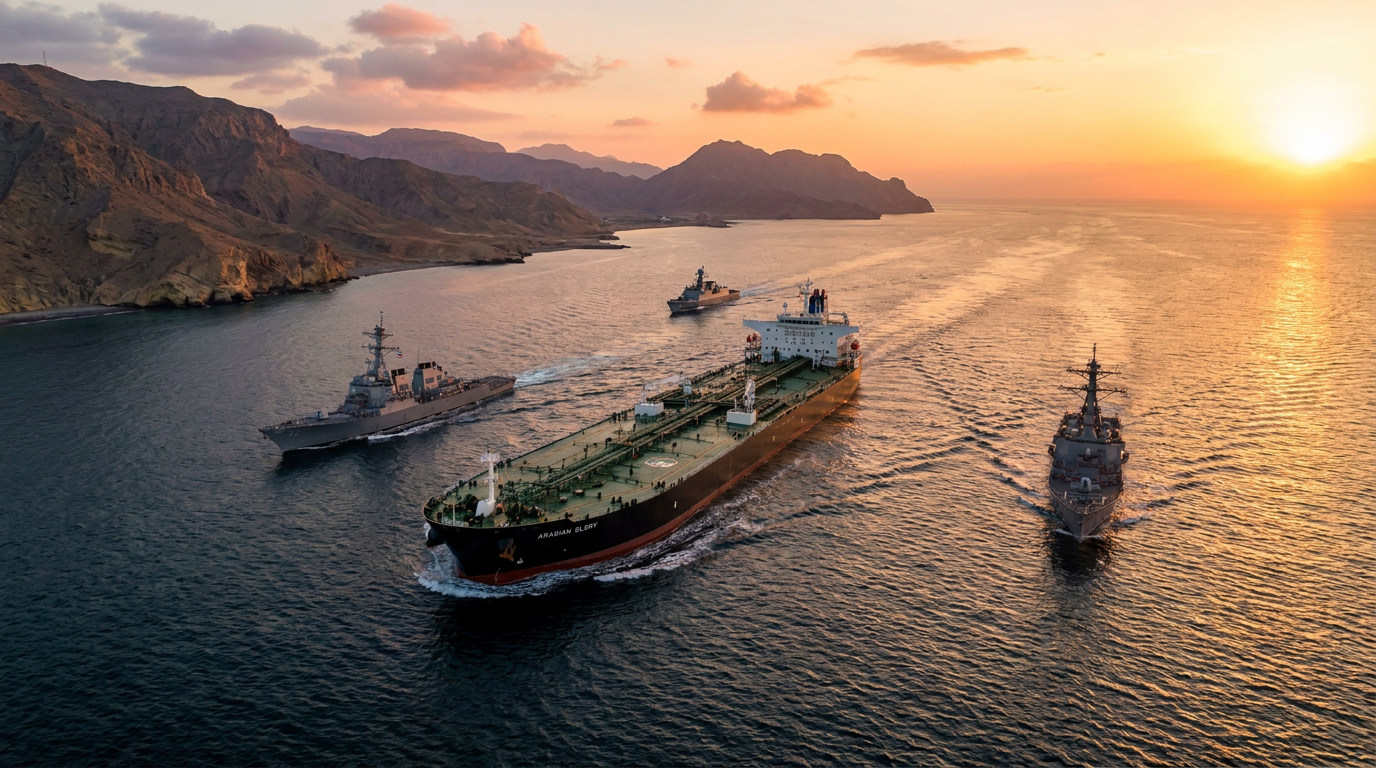
President Trump announced that a comprehensive peace agreement with Iran is in its final stages, potentially reopening the Strait of Hormuz and freezing Tehran's nuclear program. However, Iranian officials caution that key details remain unresolved, and Israel is watching closely for security guarantees.
By Factlen Editorial Team
- U.S. Administration
- Focuses on ending the military conflict, securing an indefinite halt to Iran's nuclear weapons program, and reopening global trade routes.
- Iranian Leadership
- Prioritizes immediate sanctions relief, access to frozen financial assets, and maintaining the right to civilian nuclear enrichment.
- Global Markets & Mediators
- Views the agreement primarily through the lens of economic stability, focusing on lowering energy costs and preventing regional escalation.
- Israeli Government
- Demands the complete physical dismantling of Iran's nuclear infrastructure and a cessation of Iranian support for regional proxy militias.
What's not represented
- · Lebanese Civilians
- · Hezbollah Leadership
- · Gulf State Energy Producers
Why this matters
The reopening of the Strait of Hormuz would immediately lower global energy costs and stabilize supply chains, while a permanent nuclear agreement would fundamentally reshape the balance of power and security architecture of the Middle East.
More in news politics
See all 151 stories →Information Integrity
The 'Mind Vaccine': How Prebunking is Winning the War Against Misinformation
6 sources

Tren de Aragua
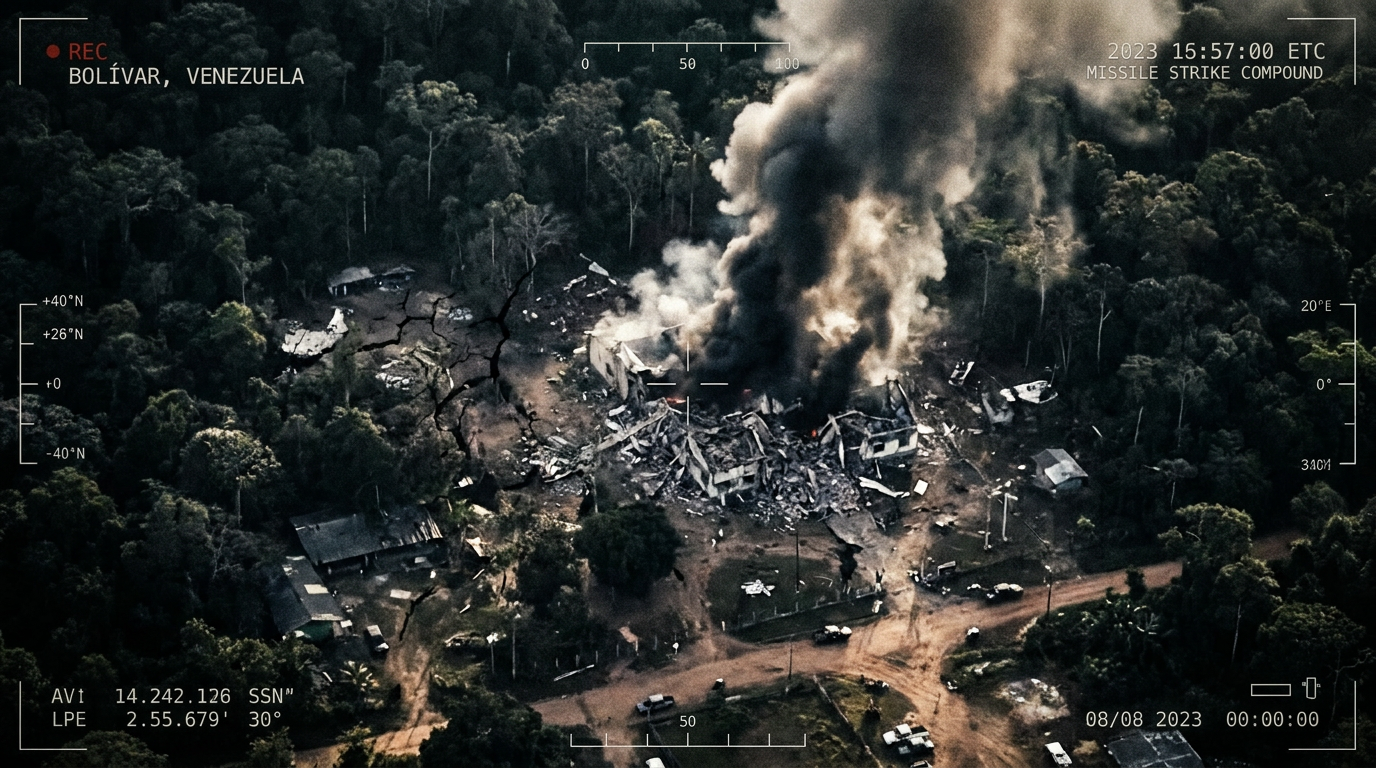
U.S. Military Strike in Venezuela Kills Tren de Aragua Gang Leader Niño Guerrero
7 sources

Digital Provenance
How Content Credentials Work: The New Digital 'Nutrition Label' for Fact-Checking
6 sources

Transnational Crime
US Military Strike in Venezuela Kills Tren de Aragua Leader Niño Guerrero
8 sources

Every angle. Every day.
Get news politics stories with full source coverage and perspective breakdowns delivered to your inbox.