
US Military Strike in Venezuela Kills Tren de Aragua Leader Niño Guerrero
President Trump announced that a US Southern Command strike in Venezuela killed Hector Rusthenford Guerrero Flores, the leader of the transnational criminal organization Tren de Aragua. The operation, reportedly conducted with Venezuelan cooperation, marks a significant escalation in US efforts to combat the gang's expanding influence across the Americas.
By Factlen Editorial Team
- US Administration & Military
- Focuses on the national security threat posed by the gang and the tactical success of the military strike.
- Regional Security Analysts
- Analyzes the gang's structure, the implications of a decapitation strike, and the risk of violent splintering.
- Diplomatic Observers
- Examines the unprecedented cooperation between Washington and Caracas and its broader geopolitical fallout.
What's not represented
- · Venezuelan civilian populations living in gang-controlled territories
- · Local law enforcement agencies in US cities dealing with the gang's influx
Why this matters
Tren de Aragua has evolved from a local prison gang into a multi-national criminal syndicate operating across the Americas, including within the United States. A direct US military strike inside Venezuela represents a drastic shift in counter-narcotics policy, raising questions about future military deployments in South America and the evolving diplomatic relationship between Washington and Caracas.
Key points
- President Trump announced a US military strike killed Tren de Aragua leader Niño Guerrero in Venezuela.
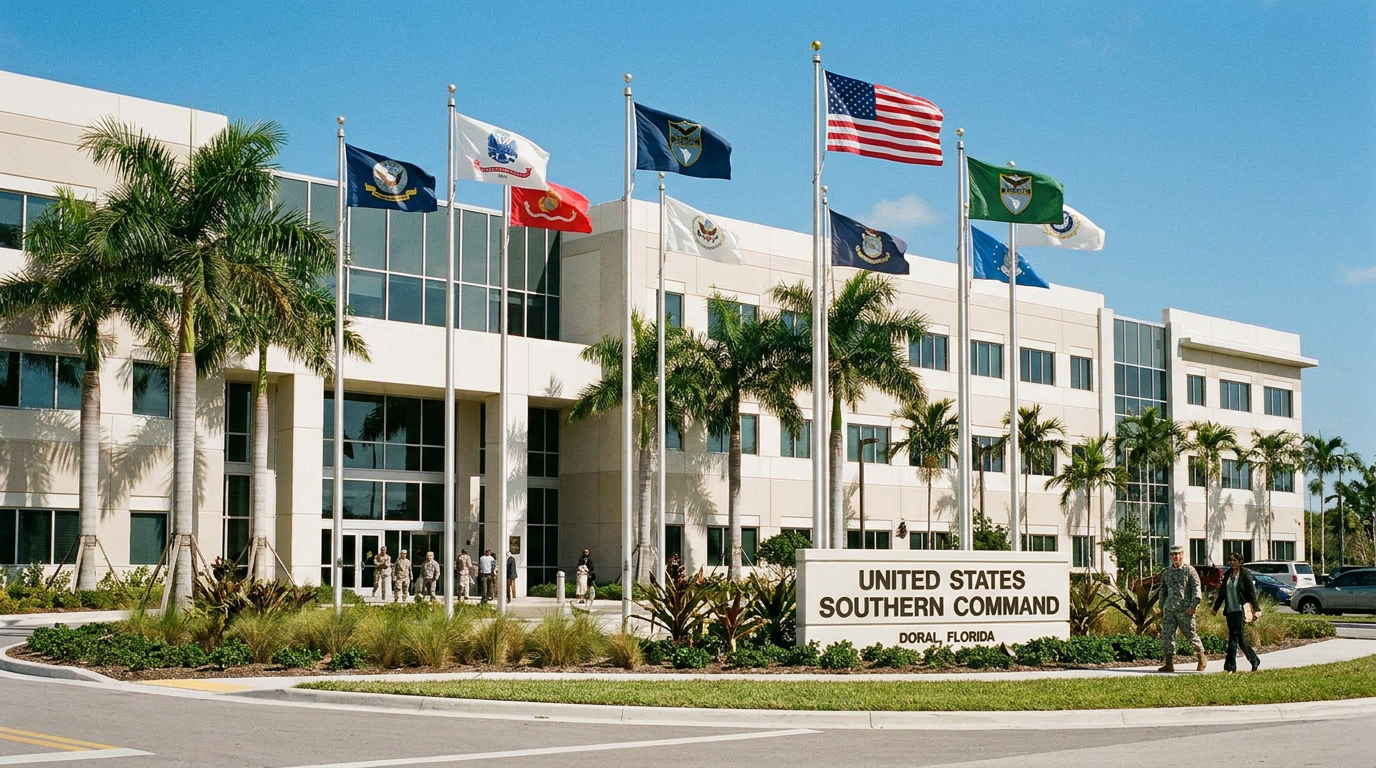
- The operation was executed by the US Southern Command (SOUTHCOM).
- Trump stated the strike was conducted with the cooperation of the Venezuelan government.
- Tren de Aragua has expanded rapidly across South America and into the United States.
- The use of military force marks a major shift in how the US handles Latin American criminal syndicates.
- Security experts warn the gang could splinter into more violent factions following Guerrero's death.
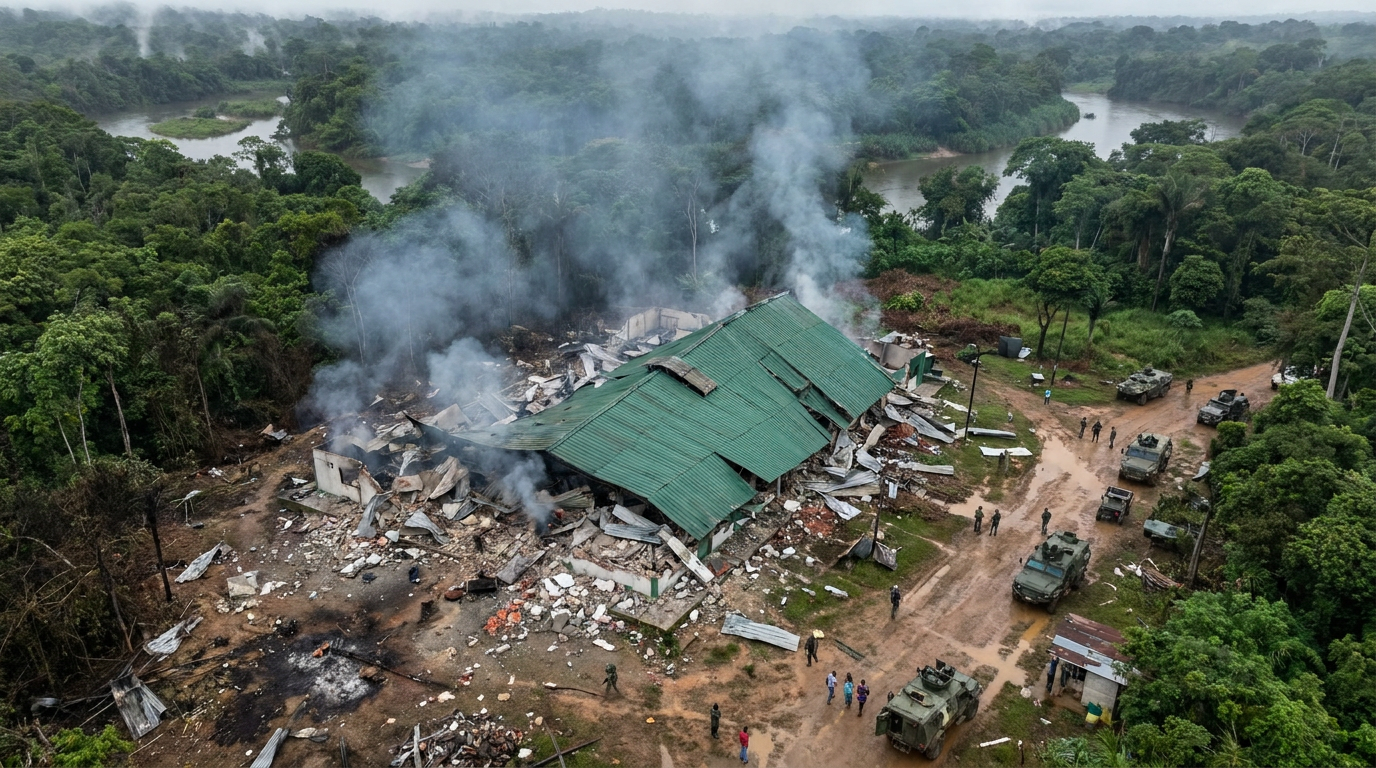
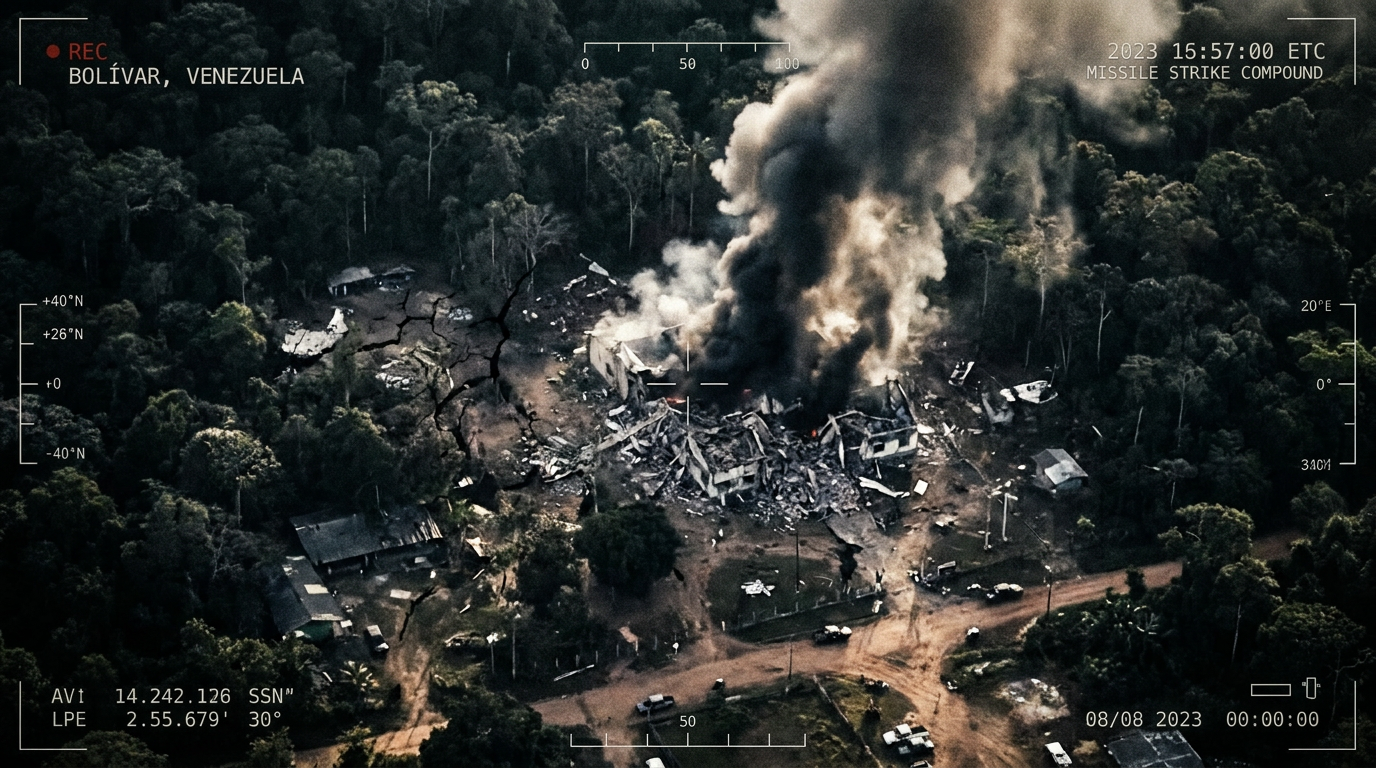
President Donald Trump announced on Friday that the United States military conducted a "swift and lethal kinetic strike" inside Venezuela, killing Hector Rusthenford Guerrero Flores, the fugitive leader of the transnational criminal organization Tren de Aragua.[1][2]
The operation, executed by the United States Southern Command (SOUTHCOM), marks a dramatic escalation in Washington's approach to combating Latin American syndicates, shifting the response from traditional law enforcement to direct military action.[3][5]
Guerrero, widely known by his alias "Niño Guerrero," had been the subject of an intense international manhunt since escaping from Venezuela's Tocorón prison in late 2023, slipping away shortly before a massive government raid on the facility.[8]

What makes Friday's strike particularly notable is the geopolitical context: Trump explicitly stated that the operation was carried out "with the help of Venezuela," an unprecedented admission of tactical coordination between the two nations.[2][6]
For years, diplomatic relations between Washington and Caracas have been deeply strained, characterized by sweeping US sanctions, political standoffs, and mutual accusations of hostility.[4][7]
A joint or coordinated military operation on Venezuelan soil suggests a significant, albeit narrow, backchannel of intelligence sharing between the US Department of Defense and the government of Nicolás Maduro, who has also struggled to contain the gang's influence.[6][7]
Tren de Aragua began as a local prison gang in the state of Aragua but metastasized under Guerrero's leadership into a multi-national enterprise involved in human trafficking, extortion, and drug smuggling.[8]

Over the past five years, the syndicate followed the massive wave of Venezuelan migration, establishing violent footholds in Colombia, Peru, Chile, and eventually the United States.[4][8]
The decision to use military force—rather than traditional extradition mechanisms—reflects the gang's recent designation by the US government as a top-tier national security threat operating within American borders.[1][3]
By directing SOUTHCOM to execute a kinetic strike, the administration has effectively categorized Tren de Aragua alongside international terrorist organizations, utilizing rules of engagement typically reserved for conflict zones in the Middle East or Africa.[5][6]

Military analysts note that "kinetic strike" usually implies the use of an unmanned aerial vehicle (drone) or precision-guided munitions, though the Pentagon has not yet released the specific technical details of the weapon system deployed.[5]
While the decapitation of Tren de Aragua removes its central architect, security experts warn that such strikes often trigger violent succession battles or cause syndicates to splinter into more unpredictable, decentralized factions.[8]

How we got here
2014
Tren de Aragua begins consolidating power inside Venezuela's Tocorón prison under Guerrero's leadership.
2018–2022
The gang expands aggressively into neighboring South American countries, following migration routes.
September 2023
Venezuelan authorities raid Tocorón prison, but Guerrero escapes before the operation begins.
Early 2026
US authorities increasingly flag Tren de Aragua as a domestic security threat operating in major American cities.
June 12, 2026
President Trump announces a US military strike killed Guerrero in Venezuela.
Viewpoints in depth
US National Security Officials
Argues that Tren de Aragua poses a direct threat to the homeland, justifying military force.
For US defense and intelligence officials, the rapid expansion of Tren de Aragua into American cities necessitated a paradigm shift. Viewing the syndicate not merely as a law enforcement problem but as a national security threat, this camp argues that traditional extradition and policing are insufficient against a highly organized, heavily armed transnational network. The kinetic strike is seen as a necessary deterrent and a demonstration of US resolve to protect its borders from organized incursions.
Regional Security Analysts
Warns that decapitation strikes rarely destroy gangs and often lead to violent splintering.
Criminologists and Latin American security experts point to decades of the 'kingpin strategy' in the war on drugs to argue that killing a top leader rarely dismantles the organization. Instead, they warn that Guerrero's death will likely trigger a bloody succession battle within Tren de Aragua. Furthermore, the syndicate's decentralized cells in Colombia, Peru, and Chile may now operate with even less restraint, potentially increasing localized violence as regional lieutenants vie for control of lucrative trafficking routes.
Diplomatic Observers
Focuses on the unprecedented cooperation between Washington and Caracas and its geopolitical implications.
Diplomats are closely analyzing the tactical cooperation between the US military and the Maduro government, a relationship that has been deeply adversarial for years. Observers question whether this intelligence sharing was a pragmatic, one-off alignment to eliminate a mutual headache, or if it signals a quiet thaw in US-Venezuela relations. The willingness of Caracas to allow a US military strike on its sovereign territory represents a massive departure from its usual anti-imperialist rhetoric, suggesting backchannel negotiations that could impact future sanctions policy.
What we don't know
- The specific weapon system or platform (e.g., drone, missile) used by SOUTHCOM to execute the strike.
- The exact nature and extent of the intelligence sharing between the US and Venezuelan governments.
- Who will succeed Guerrero as the leader of Tren de Aragua, and whether the gang will remain unified.
Key terms
- Tren de Aragua
- A transnational criminal organization that originated in a Venezuelan prison and expanded across the Americas, engaging in human trafficking, extortion, and drug smuggling.
- Kinetic Strike
- Military terminology for an attack involving active, physical force, such as a bomb, missile, or drone strike, as opposed to cyber or electronic warfare.
- SOUTHCOM
- The United States Southern Command, a unified combatant command responsible for US military operations in Central America, South America, and the Caribbean.
Frequently asked
Did the US invade Venezuela?
No. The operation was a targeted military strike, reportedly conducted with the cooperation and intelligence assistance of the Venezuelan government.
Who was Niño Guerrero?
Hector Rusthenford Guerrero Flores was the principal leader of Tren de Aragua, orchestrating its expansion from a local Venezuelan prison gang to an international criminal syndicate.
Why did the US military get involved?
The US designated the gang as a severe national security threat due to its rapid expansion and criminal activities within US borders, prompting a military rather than purely law enforcement response.
Sources
Source coverage
8 outlets
3 viewpoints surfaced








[1]NPRUS Administration & Military
Trump says U.S. military strike killed leader of Tren de Aragua gang
Read on NPR →[2]The GuardianDiplomatic Observers
Trump says leader of Venezuelan Tren de Aragua gang killed in US strike
Read on The Guardian →[3]Fox NewsUS Administration & Military
Trump says US military eliminated 'infamous' Tren de Aragua leader in lethal strike
Read on Fox News →[4]ReutersRegional Security Analysts
US carries out rare military strike in Venezuela, killing gang leader Guerrero
Read on Reuters →[5]CNNUS Administration & Military
US Southern Command executes 'lethal strike' against Tren de Aragua boss in Venezuela
Read on CNN →[6]Wall Street JournalRegional Security Analysts
Tren de Aragua Leader Killed in Joint US-Venezuelan Operation
Read on Wall Street Journal →[7]Al JazeeraDiplomatic Observers
US military targets Venezuelan gang leader in unprecedented Caracas strike
Read on Al Jazeera →[8]Insight CrimeRegional Security Analysts
The Rise and Fall of Niño Guerrero: Tren de Aragua's Global Reach
Read on Insight Crime →
More in news politics
See all 154 stories →Media Consolidation
DOJ Approves $111 Billion Paramount-Warner Bros. Merger, Reshaping Media Landscape
9 sources

Tren de Aragua
U.S. Military Strike in Venezuela Kills Tren de Aragua Leader Niño Guerrero
7 sources
Tren de Aragua
U.S. Military Strike in Venezuela Kills Tren de Aragua Leader Niño Guerrero
7 sources
Information Integrity
The 'Mind Vaccine': How Prebunking is Winning the War Against Misinformation
6 sources

Every angle. Every day.
Get news politics stories with full source coverage and perspective breakdowns delivered to your inbox.