
The Science of 'Exercise in a Pill': How New Longevity Drugs Mimic Physical Activity
Researchers are advancing a new class of longevity drugs known as exercise mimetics, designed to trigger the cellular benefits of a workout without the physical exertion. While not a replacement for movement, these compounds show promise in preserving muscle mass and metabolic health in aging populations.
By Factlen Editorial Team
- Longevity Researchers
- Focus on the cellular mechanisms of aging and view exercise mimetics as a breakthrough for extending human healthspan.
- Clinical Gerontologists
- Prioritize practical applications, hoping these drugs can prevent frailty and muscle loss in bedridden or elderly patients.
- Public Health Experts
- Caution that a pill cannot replace the holistic benefits of movement and warn against marketing these drugs as lifestyle shortcuts.
What's not represented
- · Fitness Industry Professionals
- · Sports Anti-Doping Agencies
Why this matters
For older adults or those with mobility-limiting conditions, the inability to exercise accelerates physical decline and metabolic disease. A drug that safely replicates the cellular effects of a workout could dramatically extend healthspan, prevent frailty, and preserve independence in our later years.
Key points
- Exercise mimetics are experimental drugs that trigger the cellular benefits of a workout without physical exertion.
- They work by activating AMPK, an enzyme that tells cells to burn fat and improve insulin sensitivity.
- The primary goal is to treat sarcopenia and prevent muscle loss in elderly or bedridden patients.
- These drugs cannot replicate the bone-strengthening or mental health benefits of actual exercise.
- Leading candidates are currently navigating early-stage clinical trials to prove safety and efficacy.
The concept of "exercise in a pill" has long been dismissed as science fiction or late-night infomercial fodder. But in the rapidly advancing field of longevity science, researchers are increasingly treating the idea as a viable, and perhaps necessary, medical frontier. As global populations age, the medical community is searching for interventions that can preserve physical function when actual movement becomes difficult or impossible.[1][4]
The goal is not to help healthy people skip the gym, but to address a critical bottleneck in human aging: the loss of mobility. When older adults or injured patients cannot exercise, they rapidly lose muscle mass and metabolic health, triggering a downward spiral of frailty that often leads to a loss of independence and increased mortality risk.[4][7]
This week, the biotech firm Cambrian Biopharma brought renewed attention to this space with updates on an experimental longevity drug designed to mimic the cellular effects of physical exertion. It represents a growing class of compounds known in the scientific community as "exercise mimetics," which aim to artificially trigger the body's natural response to a workout.[2]
To understand how an exercise mimetic works, we first have to look at what happens in the body during actual physical activity. When muscles contract repeatedly, they consume massive amounts of energy, rapidly depleting cellular stores of ATP (adenosine triphosphate), the primary energy currency of the cell.[5]
This sudden energy depletion acts as a biological alarm bell. It triggers the activation of an enzyme called AMPK (AMP-activated protein kinase), which serves as the body's master metabolic switch. When AMPK senses that energy is low, it initiates a cascade of survival mechanisms designed to make the cell more efficient.[3][5]

Once activated, AMPK tells the cell to stop storing fat and start burning it for fuel. It also stimulates the creation of new mitochondria—the microscopic powerhouses of the cell—and improves the body's sensitivity to insulin, which helps regulate blood sugar levels and prevent metabolic disorders.[3][5]
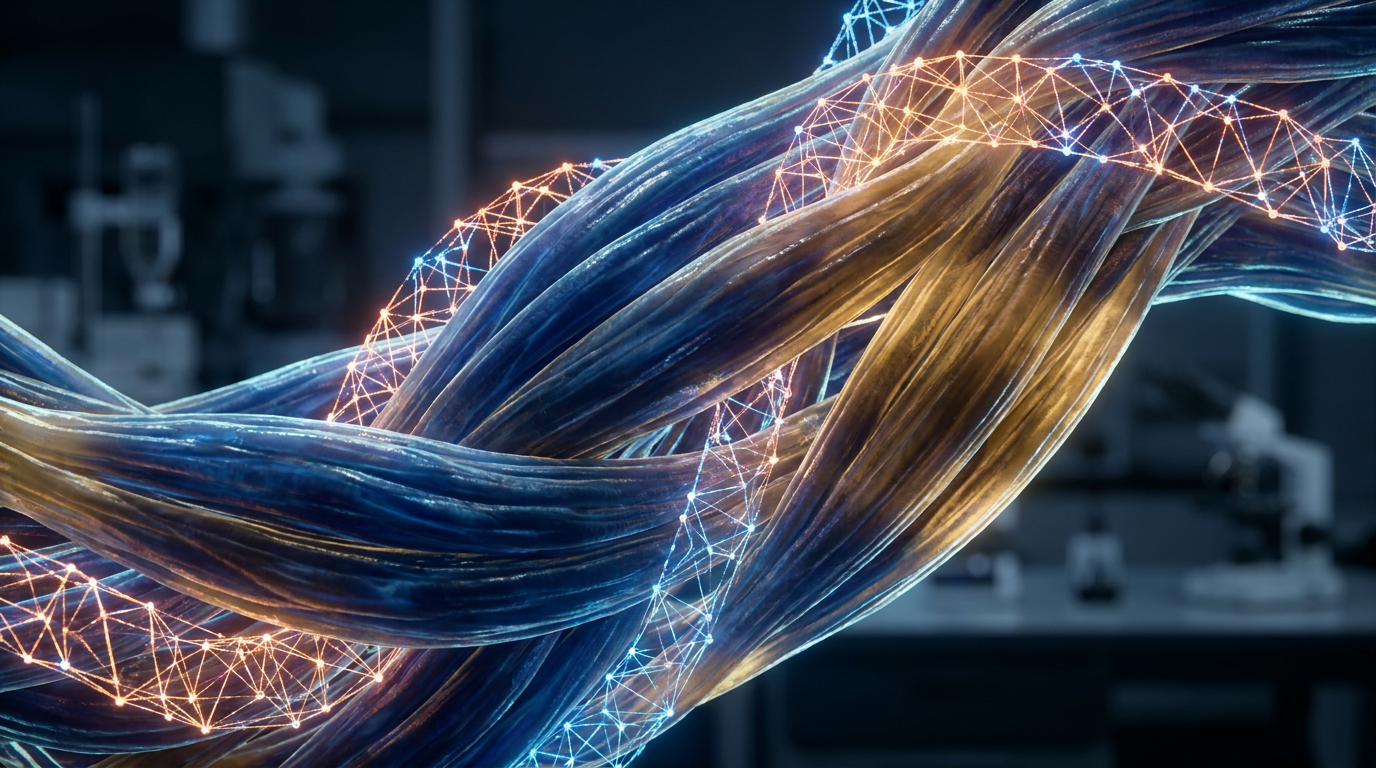
Exercise mimetics aim to bypass the physical muscle contraction entirely and directly flip the AMPK switch. By chemically activating this pathway, the drugs trick the body's cells into believing they have just completed a rigorous cardiovascular or resistance training session, initiating the same metabolic adaptations.[1][3]
The evidence supporting this mechanism is robust in animal models. In laboratory studies, older mice treated with AMPK activators demonstrated increased running endurance, improved metabolic markers, and preserved muscle mass even when they remained largely sedentary in their enclosures.[3][7]
However, translating these results to humans has historically proven complex. Early iterations of exercise mimetics struggled with bioavailability—meaning the human body absorbed them poorly—or they triggered off-target side effects in the liver and brain because AMPK is present in tissues throughout the body, not just in muscle.[6]
However, translating these results to humans has historically proven complex.
Modern drug candidates, including those currently advancing through biotech pipelines, are designed to be highly selective. They target specific cellular receptors in skeletal muscle tissue while avoiding other organs, aiming to maximize the metabolic benefits while minimizing systemic toxicity.[2][6]
Clinical gerontologists are particularly interested in how these highly targeted drugs could treat sarcopenia, the age-related loss of muscle mass and strength that affects up to 16% of adults over the age of 65 worldwide.[4][7]

For a patient recovering from hip surgery or enduring prolonged bed rest due to illness, an exercise mimetic could theoretically halt the rapid muscle atrophy that often prevents a full recovery. Preserving that baseline strength is often the difference between returning home and moving to an assisted care facility.[1][4]
Despite the immense promise, longevity researchers emphasize transparent uncertainty regarding what these drugs cannot do. Physical exercise is a complex, systemic stressor that benefits the human body in ways that go far beyond the activation of a single metabolic pathway.[1][5]
For instance, the mechanical load of weightlifting or running stimulates bone density, a crucial factor in preventing osteoporosis. A pill that alters cellular metabolism does not provide this mechanical stress, meaning it cannot strengthen bones or fortify connective tissues like tendons and ligaments.[4][5]
Furthermore, actual exercise triggers the release of endorphins and brain-derived neurotrophic factor (BDNF), which improve mood, reduce anxiety, and support cognitive function. Current exercise mimetics do not cross the blood-brain barrier to replicate these profound neurological benefits.[3][5]

Public health experts also warn against the potential for societal misuse. If approved, these drugs will likely be strictly indicated for patients with muscle-wasting conditions or severe metabolic disorders, not as a lifestyle shortcut for healthy adults looking to avoid the physical effort of a daily workout.[1][7]
The regulatory pathway for longevity drugs remains a significant hurdle. The FDA does not currently recognize "aging" itself as a disease, meaning pharmaceutical companies must prove their exercise mimetics can treat specific, recognized conditions—such as muscular dystrophy or severe insulin resistance—to gain market approval.[2][6]
As Phase 1 and Phase 2 clinical trials progress over the next few years, the medical community will gain a clearer picture of whether the cellular trickery of exercise mimetics translates into meaningful, real-world improvements in human healthspan and longevity.[6][7]

How we got here
Early 2000s
Researchers identify the AMPK pathway as the primary cellular mechanism activated by cardiovascular exercise.
2008
Early studies on compounds like AICAR demonstrate that chemically activating AMPK can increase running endurance in sedentary mice.
2010s
Initial drug candidates struggle with poor bioavailability and off-target side effects, slowing human clinical progress.
2024-2026
A new generation of highly selective exercise mimetics enters Phase 1 and Phase 2 clinical trials targeting muscle atrophy.
Viewpoints in depth
Longevity Researchers
Focus on the cellular mechanisms of aging and view exercise mimetics as a breakthrough for extending human healthspan.
For scientists focused on the biology of aging, exercise mimetics represent a crucial tool in the fight against metabolic decline. They argue that because physical activity is the most effective known intervention for extending healthspan, finding a way to package its cellular mechanisms into a therapeutic could revolutionize preventative medicine. By targeting the AMPK pathway, these researchers believe we can fundamentally alter the trajectory of cellular aging, reducing the incidence of age-related diseases like type 2 diabetes and cardiovascular dysfunction even in populations that cannot exercise.
Clinical Gerontologists
Prioritize practical applications, hoping these drugs can prevent frailty and muscle loss in bedridden or elderly patients.
Physicians who treat the elderly view exercise mimetics through a highly pragmatic lens. Their primary concern is sarcopenia—the rapid loss of muscle mass that occurs when an older adult is hospitalized or immobilized. For these clinicians, an exercise mimetic is not a longevity hack, but a critical acute intervention. They argue that if a drug can preserve a patient's baseline strength during a two-week hospital stay, it could mean the difference between that patient returning to independent living versus requiring permanent assisted care.
Public Health Experts
Caution that a pill cannot replace the holistic benefits of movement and warn against marketing these drugs as lifestyle shortcuts.
Public health advocates maintain a stance of cautious optimism mixed with concern over societal messaging. They emphasize that physical exercise is a complex, systemic stressor that provides mechanical benefits to bones and profound neurological benefits to the brain—neither of which can be replicated by an AMPK activator. Their primary concern is that the advent of an "exercise pill" could disincentivize healthy adults from engaging in actual physical activity, leading to a public health messaging crisis where the holistic benefits of movement are abandoned for a pharmacological shortcut.
What we don't know
- Whether the metabolic benefits seen in animal models will translate to meaningful, long-term muscle preservation in humans.
- How regulatory agencies like the FDA will classify and approve drugs that target the aging process rather than a specific acute disease.
- The potential long-term side effects of artificially keeping the body's metabolic master switch activated over years or decades.
Key terms
- Exercise Mimetic
- A class of experimental drugs designed to trigger the cellular and metabolic benefits of physical activity without requiring actual physical exertion.
- AMPK
- An enzyme that senses low energy levels in cells and triggers metabolic adaptations, such as fat burning and improved insulin sensitivity.
- Sarcopenia
- The involuntary loss of skeletal muscle mass and strength that occurs naturally as a part of the aging process.
- Healthspan
- The period of a person's life during which they are generally healthy and free from serious or chronic illness, as opposed to simply their total lifespan.
- Mitochondria
- Structures within cells that generate most of the chemical energy needed to power the cell's biochemical reactions.
Frequently asked
Will an exercise mimetic replace going to the gym?
No. While these drugs replicate some metabolic benefits, they cannot strengthen bones, fortify tendons, or provide the mental health benefits of actual physical movement.
Who are these drugs actually being developed for?
The primary target patients are older adults suffering from sarcopenia (age-related muscle loss), individuals on prolonged bed rest, and those with severe metabolic disorders.
Are exercise mimetics available to the public right now?
Not yet. The most promising candidates are currently in Phase 1 and Phase 2 clinical trials to ensure they are safe and effective in humans.
What is AMPK and why is it important?
AMPK is an enzyme that acts as the body's metabolic master switch. When activated by exercise (or a mimetic drug), it tells cells to burn fat for energy and create new mitochondria.
Sources
Source coverage
7 outlets
3 viewpoints surfaced







[1]Factlen Editorial TeamPublic Health Experts
Synthesis by Factlen editorial team
Read on Factlen Editorial Team →[2]STAT NewsLongevity Researchers
STAT+: Cambrian’s experimental longevity drug mimics exercise
Read on STAT News →[3]Nature MetabolismLongevity Researchers
Targeting the AMPK pathway for healthspan extension
Read on Nature Metabolism →[4]National Institute on AgingClinical Gerontologists
The Biology of Aging and the Role of Physical Activity
Read on National Institute on Aging →[5]CellLongevity Researchers
Molecular transducers of physical exercise
Read on Cell →[6]ClinicalTrials.govClinical Gerontologists
Safety and Efficacy of AMPK Activators in Sarcopenia
Read on ClinicalTrials.gov →[7]The Lancet Healthy LongevityClinical Gerontologists
Pharmacological interventions for age-related muscle atrophy
Read on The Lancet Healthy Longevity →

More in health
See all 7 stories →Dementia Research
The Shingles Vaccine Is Emerging as a Powerful Shield Against Dementia
7 sources

Brain Health
How Deep Sleep Washes the Brain: The Science of the Glymphatic System
7 sources

Longevity Science
The Postbiotic Promise: How Urolithin A Recycles Aging Cells
6 sources

Vaccine Research
Shingles Vaccine Linked to 24% Lower Risk of Dementia in Major New Study
7 sources
Every angle. Every day.
Get health stories with full source coverage and perspective breakdowns delivered to your inbox.