
The Science of Contrast Therapy: Does Alternating Hot and Cold Actually Speed Up Muscle Recovery?
Alternating between hot and cold water creates a 'vascular pump' that flushes metabolic waste and reduces inflammation. While experts debate its objective impact on muscle strength, meta-analyses confirm it significantly reduces delayed onset muscle soreness.
By Factlen Editorial Team
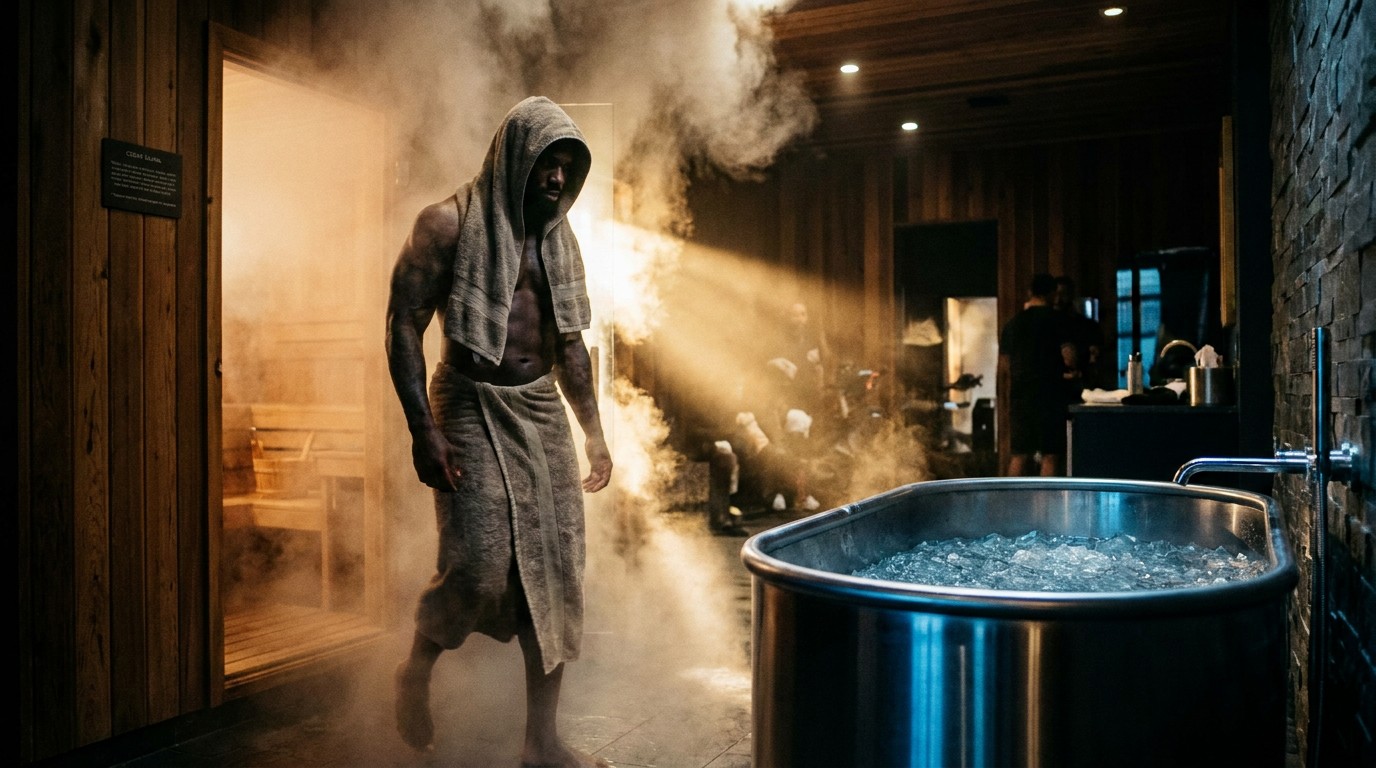
- Sports Physiologists
- Focuses on the mechanical 'vascular pump' effect, metabolic waste clearance, and cellular repair.
- Evidence-Based Skeptics
- Argues that while contrast therapy feels good, the benefits are largely subjective rather than strictly mechanical.
- Athletic Trainers
- Prioritizes practical application, routine building, and the psychological benefits of active recovery protocols.
What's not represented
- · Cardiologists evaluating the stress that rapid temperature shifts place on the heart.
- · Everyday fitness enthusiasts who lack access to expensive dual-pool setups.
Why this matters
Understanding how to actively manage inflammation and muscle soreness allows anyone—from elite athletes to weekend warriors—to bounce back faster from physical strain. By utilizing targeted thermal stress, you can reduce downtime, lower your risk of overuse injuries, and improve your overall physical resilience.
Key points
- Contrast therapy alternates hot and cold water exposure to stimulate the circulatory system.
- The heat phase expands blood vessels (vasodilation) to deliver oxygen and nutrients.
- The cold phase constricts blood vessels (vasoconstriction) to reduce inflammation and numb pain.
- Alternating the two creates a 'vascular pump' that flushes metabolic waste from fatigued muscles.
- Meta-analyses show contrast therapy significantly reduces muscle soreness 24 to 48 hours post-exercise.
- While athletes feel less fatigued, some scientists debate if the therapy objectively restores muscle strength faster than rest.
The pursuit of optimal recovery has driven athletes to extremes, from pneumatic compression boots to hyperbaric oxygen chambers. Yet, one of the most enduring and heavily researched modalities relies on nothing more than water and temperature. Contrast water therapy—the practice of rapidly alternating between hot and cold immersion—has transitioned from ancient bathhouse traditions to a staple of elite sports science. Today, it is widely utilized to combat the physical toll of intense training and accelerate the healing process.[1]
The core premise of contrast therapy is deceptively simple: by exposing the body to extreme temperature shifts, athletes can artificially stimulate their circulatory system without expending additional energy. This process is designed to accelerate the clearance of metabolic waste and reduce the severity of Delayed Onset Muscle Soreness (DOMS). While passive rest allows the body to heal at its own pace, thermal therapies attempt to actively hack the physiological timeline of recovery, forcing the body to repair itself faster.[1]
To understand how contrast therapy works, one must first look at the isolated effects of heat. When the body is submerged in hot water—typically between 38 and 40 degrees Celsius—it triggers a process known as vasodilation. The blood vessels expand, drawing blood toward the surface of the skin and flooding fatigued muscle tissues with oxygen and essential nutrients. This thermal exposure also activates heat shock proteins, which play a crucial role in cellular repair and the relaxation of stiff, overworked muscles.[5]
Conversely, the cold phase of the therapy initiates a drastic physiological defense mechanism. Immersion in water ranging from 10 to 15 degrees Celsius causes rapid vasoconstriction. The expanded blood vessels violently clamp down, shunting blood away from the extremities and back toward the vital organs in the core. This sudden restriction of blood flow serves to blunt acute inflammation, reduce tissue edema, and numb peripheral pain receptors, providing immediate analgesic relief to the affected areas.[6]

The true magic of contrast therapy, however, lies in the rapid alternation between these two states. By cycling from hot to cold and back again, the body undergoes a "vascular pumping effect." The blood vessels repeatedly open and close, acting as a mechanical pump that flushes metabolic byproducts—such as lactic acid and creatine kinase—out of the muscle bed. This forced circulation clears the microscopic debris left behind by intense exercise, making room for fresh, oxygenated blood to facilitate repair.[1][2]
The efficacy of this vascular pump is backed by a robust body of sports science literature. A landmark systematic review and meta-analysis published in PLoS One examined thirteen controlled trials focusing on exercise-induced muscle damage. The pooled data revealed that contrast water therapy resulted in significantly greater improvements in muscle soreness at 24, 48, and 72 hours post-exercise when compared to passive recovery. For athletes managing the compounding fatigue of a grueling season, this reduction in DOMS is invaluable.[2]
Further research published in the Journal of Strength and Conditioning Research corroborated these findings, specifically looking at team sports. The meta-analysis indicated that contrast therapy was highly beneficial for reducing perceptions of fatigue at the crucial 48-hour mark following a game. By mitigating the heavy, sluggish feeling that typically follows a high-intensity match, athletes are able to return to their baseline performance levels faster than if they had simply rested on the couch.[3]

Further research published in the Journal of Strength and Conditioning Research corroborated these findings, specifically looking at team sports.
A common debate in recovery science is how contrast therapy stacks up against cold water immersion (CWI), commonly known as the ice bath. The data suggests that the two modalities serve slightly different purposes. While CWI appears to be slightly more effective for immediate neuromuscular recovery within the first 24 hours, contrast therapy consistently outperforms cold alone when it comes to reducing overall fatigue and perceived soreness over a multi-day window.[3][4]
Executing contrast therapy effectively requires strict adherence to temperature and timing protocols. The consensus among physiologists is that the heat phase should last three to four minutes, allowing enough time for core temperature to rise and vasodilation to fully occur. This is immediately followed by a cold plunge lasting one to two minutes. The stark temperature differential—moving from roughly 40 degrees to 12 degrees Celsius—is what forces the vascular system to contract violently.[1][7]
This hot-to-cold cycle is typically repeated three to four times per session. Crucially, sports scientists almost universally recommend ending the protocol on the cold phase. Finishing with cold ensures that the blood vessels remain constricted, which helps to sustain the anti-inflammatory benefits and prevents the pooling of blood in the extremities. It also triggers a lasting release of norepinephrine, a hormone and neurotransmitter that leaves the athlete feeling alert and invigorated.[1][6]
Despite the widespread adoption of contrast therapy, a persistent debate remains regarding its objective versus subjective benefits. Skeptics within the scientific community point out that while athletes consistently report feeling less sore and less fatigued, objective markers of recovery—such as the actual return of maximum muscular force or sprint speed—do not always mirror these subjective improvements. In some studies, strength recovery following contrast therapy was statistically indistinguishable from passive rest.[2][3]

This discrepancy raises a fascinating question about the role of the nervous system in athletic recovery. The extreme sensory input of alternating hot and cold water may act as a powerful neurological reset, essentially distracting the brain from the pain signals being sent by damaged muscles. If the primary benefit of contrast therapy is an analgesic placebo effect, many athletic trainers argue that it doesn't matter; in elite sports, if an athlete feels ready to perform, they are ready to perform.[1][4]
While generally safe, contrast therapy is not without its contraindications. The rapid shifting of blood pressure and heart rate places a significant demand on the cardiovascular system. Individuals with underlying heart conditions, hypertension, or compromised circulation are typically advised to avoid extreme thermal therapies. Furthermore, applying heat to an acute, severe injury—such as a fresh muscle tear or sprained ankle—within the first 48 hours can exacerbate swelling and delay healing.[6]
Historically, access to precisely temperature-controlled dual pools was a luxury reserved for professional athletes and high-end rehabilitation clinics. However, the democratization of recovery technology has brought contrast therapy to the masses. Commercial wellness studios now offer dedicated hot and cold plunge suites, and many recreational athletes simulate the vascular pumping effect at home by alternating between hot and cold water in a standard shower, albeit with less dramatic physiological results.[1]

Ultimately, the science of contrast therapy underscores a fundamental truth about human physiology: the body responds to stress by adapting. By subjecting the circulatory system to controlled thermal stress, athletes can actively manage inflammation, clear metabolic waste, and accelerate their return to peak performance. Whether the benefits are deeply cellular or powerfully psychological, the hot-and-cold protocol remains one of the most effective tools in the modern recovery arsenal.[1][2][5]
How we got here
Ancient Era
Roman, Nordic, and Russian cultures utilize alternating hot and cold baths for general health and communal bathing.
Late 20th Century
Professional sports teams begin adopting dedicated hot and cold plunge pools in their locker rooms for post-game recovery.
2013
A landmark meta-analysis in PLoS One confirms that contrast water therapy is significantly superior to passive rest for reducing muscle soreness.
2017
Further systematic reviews clarify that while contrast therapy reduces perceived fatigue, cold water immersion alone may be slightly better for immediate neuromuscular recovery.
2020s
Contrast therapy moves mainstream, with commercial recovery studios and at-home plunge setups becoming widely available to the general public.
Viewpoints in depth
Sports Physiologists' view
Focuses on the mechanical 'vascular pump' effect and cellular waste clearance.
Researchers in this camp emphasize the physiological mechanics of alternating temperatures. They point to the measurable expansion and contraction of blood vessels—vasodilation and vasoconstriction—as a literal pump that flushes metabolic byproducts like creatine kinase and lactic acid out of the muscle bed. For these scientists, the value of contrast therapy lies in its ability to artificially stimulate circulation without requiring the athlete to expend additional energy, making it an ideal passive recovery tool.
Evidence-Based Skeptics' view
Questions whether the recovery is physically measurable or purely psychological.
Skeptics within the sports science community do not deny that athletes feel better after contrast therapy, but they question the underlying mechanism. They point to data showing that while perceived soreness and fatigue drop significantly, objective measures of muscle strength and power often recover at the same rate as they do with complete rest. This camp suggests that the extreme sensory input of hot and cold water may simply act as an analgesic, temporarily numbing pain receptors and providing a powerful placebo effect rather than accelerating actual cellular repair.
Athletic Trainers' view
Values the practical, psychological, and routine-building benefits for athletes.
For those working directly with athletes on the ground, the subjective versus objective debate is largely academic. If an athlete feels less sore and less fatigued, they are more likely to perform better in their next training session. Trainers value contrast therapy because it forces athletes to engage in a structured, mindful recovery routine. The psychological reset provided by the intense thermal shifts is seen as just as valuable as the physiological benefits, helping athletes transition from a state of high-stress competition to parasympathetic rest.
What we don't know
- Whether contrast therapy genuinely accelerates the repair of damaged muscle fibers, or primarily acts as a powerful neurological painkiller.
- The exact optimal ratio of heat-to-cold exposure for different types of athletic events (e.g., endurance running versus heavy weightlifting).
- How individual differences in body composition and cold tolerance alter the effectiveness of the vascular pumping mechanism.
Key terms
- Vasodilation
- The widening of blood vessels, typically in response to heat, which increases blood flow and oxygen delivery to tissues.
- Vasoconstriction
- The narrowing of blood vessels, typically in response to cold, which restricts blood flow and helps reduce acute inflammation.
- Delayed Onset Muscle Soreness (DOMS)
- The muscular pain and stiffness that typically peaks 24 to 72 hours after intense or unfamiliar exercise.
- Vascular Pumping Effect
- The physiological mechanism created by rapidly alternating between vasodilation and vasoconstriction, which helps flush waste products from muscles.
- Creatine Kinase
- An enzyme found in muscle tissue that leaks into the bloodstream when muscles are damaged, often used as a biomarker for exercise-induced muscle damage.
Frequently asked
How long should each hot and cold cycle last?
A standard protocol involves 3 to 4 minutes in the heat followed by 1 to 2 minutes in the cold.
Should you end on hot or cold?
Most sports scientists recommend ending on cold to ensure blood vessels constrict, which helps sustain the anti-inflammatory effect.
Can I do contrast therapy in a normal shower?
Yes. While full immersion in specialized tubs is optimal, alternating between hot and cold water in a standard shower can still stimulate a mild vascular pumping effect.
Is contrast therapy better than just taking an ice bath?
It depends on the goal. Ice baths are excellent for acute, immediate inflammation, while contrast therapy is generally preferred for reducing overall fatigue and soreness over a 48-hour period.
Sources
Source coverage
7 outlets
3 viewpoints surfaced






[1]Factlen Editorial TeamAthletic Trainers
Synthesis by Factlen editorial team
Read on Factlen Editorial Team →[2]PLoS OneSports Physiologists
Contrast Water Therapy and Exercise Induced Muscle Damage: A Systematic Review and Meta-Analysis
Read on PLoS One →[3]Journal of Strength and Conditioning ResearchEvidence-Based Skeptics
Effects of Cold Water Immersion and Contrast Water Therapy for Recovery From Team Sport: A Systematic Review and Meta-analysis
Read on Journal of Strength and Conditioning Research →[4]Physical Therapy in SportAthletic Trainers
The efficacy of thermal therapies for delayed onset muscle soreness
Read on Physical Therapy in Sport →[5]The Journal of PhysiologySports Physiologists
Thermal therapies and muscle regeneration
Read on The Journal of Physiology →[6]National Institutes of Health (NIH)Evidence-Based Skeptics
Physiological changes induced by various cryotherapy modalities
Read on National Institutes of Health (NIH) →[7]International Journal of Sports MedicineSports Physiologists
The Impact of Hot vs. Cold Water Immersion on Post-Exercise Recovery
Read on International Journal of Sports Medicine →
Every angle. Every day.
Get fitness stories with full source coverage and perspective breakdowns delivered to your inbox.