
Exercise in a Pill? The Science and Stakes of 'Exercise Mimetics'
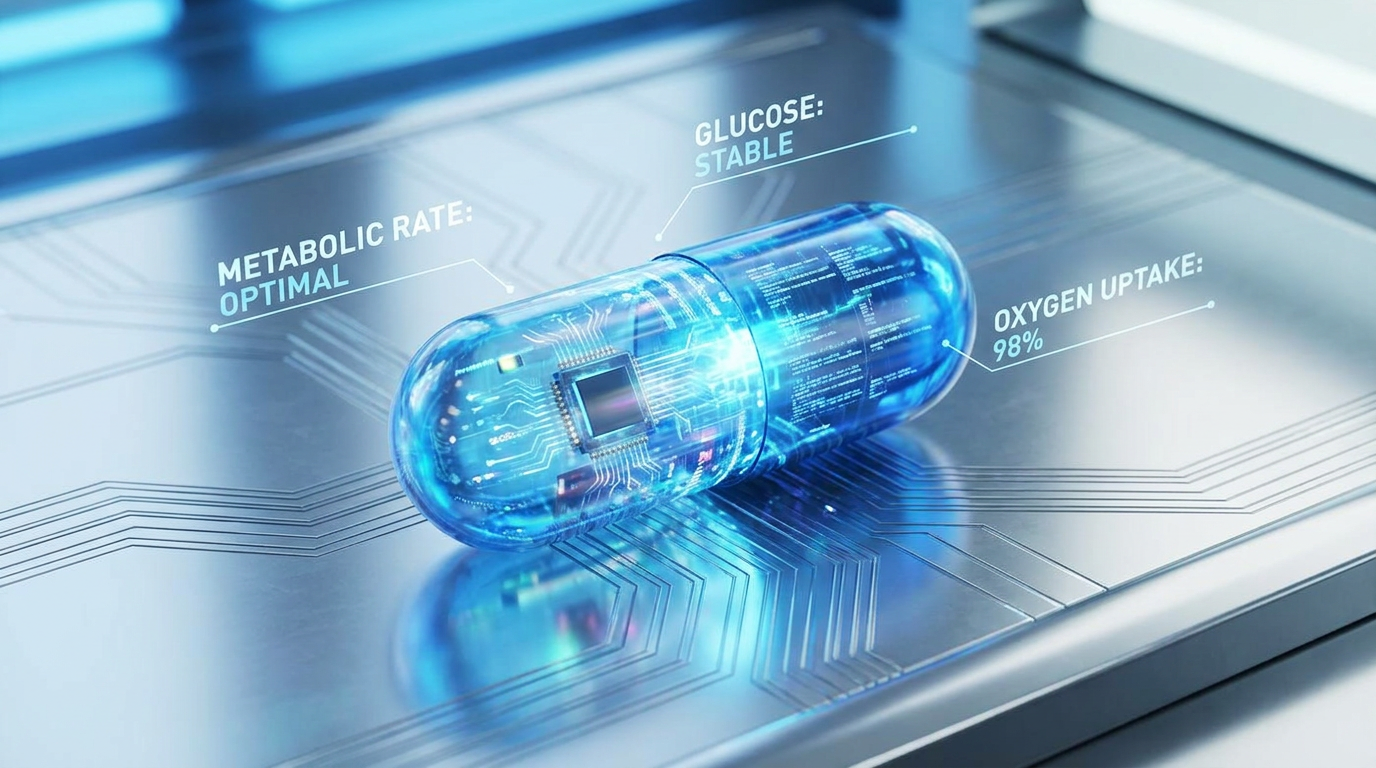
A new class of drugs known as exercise mimetics aims to replicate the metabolic benefits of physical activity, offering a potential breakthrough for longevity and metabolic health.
By Factlen Editorial Team
- Longevity Researchers
- View exercise mimetics as a preventative tool to extend human healthspan and delay age-related diseases.
- Clinical Pharmacologists
- Focus on the immediate therapeutic applications for metabolic diseases, particularly as a companion to GLP-1 drugs.
- Exercise Physiologists
- Caution that a pill cannot replace the mechanical, cardiovascular, and psychological benefits of actual physical movement.
What's not represented
- · Elderly and disabled patients who stand to benefit most from non-mechanical metabolic improvements.
- · Health insurance providers evaluating the cost-benefit of preventative longevity drugs.
Why this matters
For millions of people unable to exercise due to age, injury, or disability, these drugs could offer the metabolic benefits of a workout, potentially extending healthy human lifespans and revolutionizing how we treat age-related diseases.
Key points
- Exercise mimetics are drugs designed to artificially activate the body's metabolic response to physical activity.
- The primary target is AMPK, an enzyme that acts as the body's master metabolic switch.
- Preclinical trials show these drugs can induce weight loss and improve cardiovascular health in sedentary mice.
- Researchers hope to pair these drugs with GLP-1 weight-loss medications to prevent muscle degradation.
- While they mimic metabolic benefits, these drugs cannot replicate the mechanical or mental health benefits of exercise.
The concept of "exercise in a pill" has long sounded like the stuff of late-night infomercials or science fiction, a biological shortcut too good to be true. But in 2026, the pursuit of pharmacological fitness is no longer a fringe idea; it is the focus of serious, well-funded biotechnology. Researchers are rapidly advancing a new class of drugs known as "exercise mimetics"—compounds specifically designed to artificially activate the same biological pathways that physical activity triggers naturally. For the able-bodied, this might sound like a convenient hack, but for the broader medical community, it represents a profound breakthrough. By replicating the metabolic benefits of a workout, these drugs could offer a lifeline to millions of people who are unable to exercise due to age, frailty, injury, or severe disease burden.[1][5]
At the leading edge of this research is a network of longevity-focused biotechnology firms, most notably Cambrian BioPharma and its subsidiary, Amplifier Therapeutics. Rather than viewing aging as an inevitable decline, these companies treat it as a series of mechanistic failures that can be slowed or reversed. Their primary target for exercise mimetics is an enzyme called AMP-activated protein kinase, universally known in the scientific community as AMPK. Often described as the body’s "master metabolic switch," AMPK is the central sensor that detects when a cell's energy has been depleted.[2][3]
To understand how an exercise mimetic works, it is essential to understand what happens in the body during actual physical exertion. When a person exercises, their muscle cells rapidly consume ATP, the primary currency of cellular energy. As ATP levels drop, AMPK is activated to restore the balance. Once flipped "on," this metabolic switch triggers a cascade of survival responses: it commands the body to pull glucose from the bloodstream into the cells, mobilizes stored fat to produce more energy, and initiates the creation of new mitochondria. It is this exact pathway that drugs like Amplifier's lead candidate, ATX-304, are designed to hijack.[3][8]

By administering a pan-AMPK activator, scientists can effectively trick the body into thinking it is running a marathon while it is entirely at rest. The patient does not break a sweat, their heart rate does not spike, and their muscles do not contract, yet their cells begin to behave as though they are undergoing intense endurance training. In preclinical trials, the results of this chemical deception have been nothing short of remarkable. Mice given AMPK activators became lean and metabolically healthy, demonstrating improved glucose and lipid metabolism across the board.[2][8]
The benefits observed in these animal models extended far beyond simple weight loss. Even when fed a high-fat diet, mice treated with exercise mimetics did not gain excess weight, nor did they drop below a healthy baseline. Furthermore, these sedentary mice demonstrated enhanced cardiovascular function and a significant increase in exercise endurance when they were finally placed on a treadmill. They had essentially gained the physiological adaptations of a rigorous fitness regimen without ever doing the work, proving that the metabolic benefits of exercise can be chemically uncoupled from the physical act of movement.[2][6]
As of 2026, the translation of these preclinical miracles into human medicine is well underway. Amplifier Therapeutics is currently conducting Phase 1B clinical trials in Europe for ATX-304, targeting pre-diabetic, overweight, and obese subjects. The goal is to establish a definitive proof-of-concept that AMPK activation is both safe and effective in humans. If successful, the immediate clinical applications are vast, ranging from the treatment of cardiometabolic disorders to chronic weight management in adult patients who are at high risk for heart disease and diabetes.[6][8]
Within the pharmaceutical industry, there is growing excitement about how exercise mimetics might intersect with the current boom in GLP-1 weight-loss drugs, such as Wegovy and Zepbound. While GLP-1 agonists are highly effective at suppressing appetite and inducing rapid weight loss, they have a significant drawback: patients often lose a substantial amount of lean muscle mass alongside the fat. This phenomenon, known as sarcopenia, is particularly dangerous for older adults, as muscle loss directly correlates with frailty, falls, and a loss of independence.[6][7]

This phenomenon, known as sarcopenia, is particularly dangerous for older adults, as muscle loss directly correlates with frailty, falls, and a loss of independence.
Researchers hypothesize that an AMPK activator could be the perfect companion therapy to a GLP-1 drug. By artificially keeping the body's metabolic engine revving and promoting mitochondrial health, an exercise mimetic could theoretically preserve lean muscle mass while enhancing the oxidation of fat. This combination would not only make weight loss more sustainable but would also protect the patient's functional strength, solving one of the most pressing challenges in modern obesity medicine.[1][6]
However, the ambitions of companies like Cambrian BioPharma extend far beyond weight management; their ultimate goal is the extension of human healthspan. The natural aging process is characterized by a gradual decline in the body's innate ability to activate AMPK. As this metabolic switch becomes less responsive, cellular energy regulation falters, leading to the accumulation of damage that manifests as cardiovascular disease, kidney failure, and neurodegeneration. By artificially restoring AMPK activity to youthful levels, longevity researchers believe they can intervene before these diseases ever take root.[2][3]
This preventative approach represents a paradigm shift in how modern medicine views aging. Instead of playing "whack-a-mole" with individual diseases as they arise—treating high blood pressure one year, and high cholesterol the next—longevity scientists view exercise mimetics as "geroprotectors." Because the AMPK pathway is so deeply integrated into the function of almost every organ, from the liver to the brain, a single drug that optimizes this pathway could theoretically delay the onset of multiple age-related morbidities simultaneously.[1][3]
Despite this immense potential, the path to regulatory approval is fraught with structural challenges. The United States Food and Drug Administration (FDA) does not currently recognize "aging" as a treatable disease indication. Consequently, pharmaceutical companies cannot run clinical trials simply to prove that a drug extends lifespan. Instead, they must first prove that their exercise mimetic is effective at treating a specific, recognized condition—such as obesity or kidney disease—in order to get the drug to market.[1][2]

Once an exercise mimetic is approved as a "reactive medicine" for a specific disease, the strategy shifts. Companies plan to conduct long-term, preventative trials in younger, healthier populations to prove that the drug can stave off the diseases of aging before they begin. It is a slow, expensive process, but one that mirrors the historical trajectory of statins, which were initially approved to lower cholesterol in high-risk patients before becoming a ubiquitous preventative treatment for heart disease.[1][2]
As the science of exercise mimetics advances, sports scientists and exercise physiologists are eager to manage public expectations. They caution that the term "exercise in a pill" is inherently reductive and somewhat misleading. While an AMPK activator can successfully replicate the metabolic and mitochondrial adaptations of physical activity, it cannot mimic the mechanical and structural benefits of actual movement. A pill cannot subject the skeletal system to the physical loading required to increase bone density, nor can it strengthen tendons and ligaments.[4][5]
Furthermore, the systemic benefits of exercise extend well beyond cellular energy regulation. Physical activity triggers complex hormonal cascades, releases endorphins, and promotes neuroplasticity in ways that profoundly improve mental health, reduce anxiety, and enhance cognitive function. The cardiovascular system also relies on the actual pumping of blood and the physical expansion of blood vessels to maintain elasticity. A purely metabolic intervention will always fall short of replicating this holistic, full-body symphony.[4][7]

There are also lingering questions regarding the long-term safety of chronic AMPK activation. In a healthy human body, the AMPK switch is meant to be flipped on and off—activated during periods of stress or exertion, and deactivated during rest and recovery. Forcing this metabolic pathway to remain perpetually "on" through pharmacological intervention could have unforeseen consequences on cellular function, potentially disrupting the delicate balance of autophagy and cellular repair over a span of decades.[1][5]
Despite these limitations and uncertainties, the development of exercise mimetics remains one of the most exciting frontiers in modern medicine. For the able-bodied, a daily walk or a session at the gym will always be the superior choice for overall health and well-being. But for the millions of individuals trapped in sedentary bodies by age, illness, or disability, the perfection of an AMPK activator could be life-changing, democratizing the metabolic benefits of exercise and offering a chemical bridge to a longer, healthier life.[1][5]
How we got here
2010s
Early research identifies the AMPK pathway as a critical energy sensor activated by exercise.
2021
Cambrian BioPharma raises $60 million to develop a pipeline of therapeutics targeting the hallmarks of aging.
March 2023
Cambrian launches Amplifier Therapeutics with a $26 million investment to develop the AMPK activator ATX-304.
2025-2026
ATX-304 enters Phase 1B clinical trials in Europe for pre-diabetic and obese subjects.
June 2026
Scientific consensus grows around the potential of exercise mimetics to complement GLP-1 weight-loss drugs by preserving muscle mass.
Viewpoints in depth
Longevity Researchers
Viewing exercise mimetics as a preventative tool to extend human healthspan.
Researchers in the longevity space argue that medicine must shift from treating diseases after they occur to preventing the cellular damage that causes them. They view AMPK activators not just as weight-loss drugs, but as "geroprotectors" that can simultaneously delay cardiovascular disease, kidney failure, and metabolic syndrome by keeping the body in a youthful, high-energy state.
Clinical Pharmacologists
Focusing on the immediate therapeutic applications for metabolic diseases.
Drug developers are highly focused on the immediate, FDA-approvable applications of these compounds. With the explosion of GLP-1 drugs like Wegovy, pharmacologists see exercise mimetics as the perfect combination therapy. By pairing an appetite suppressant with a metabolic accelerator that preserves muscle, they hope to create a safer, more sustainable weight-loss protocol.
Exercise Physiologists
Cautioning against the idea that a pill can fully replace physical activity.
Sports scientists and physiologists warn that the term "exercise mimetic" is inherently reductive. While these drugs can trigger metabolic fat-burning, they cannot replicate the mechanical stress that increases bone density, the complex joint mobility adaptations, or the endorphin-driven mental health benefits of actual movement. They argue these drugs should be viewed as supplements for the frail, not substitutes for the able-bodied.
What we don't know
- The long-term safety profile of keeping the AMPK metabolic pathway perpetually activated in humans.
- Whether the FDA will eventually recognize aging as a treatable disease, which would streamline the approval of longevity drugs.
- How effectively exercise mimetics will actually preserve muscle mass when paired with GLP-1 weight-loss drugs in human trials.
Key terms
- Exercise Mimetic
- A pharmacological compound that replicates the physiological and metabolic effects of physical exercise without actual movement.
- AMPK
- AMP-activated protein kinase, an enzyme that serves as the body's master metabolic switch, regulating energy use and fat burning.
- Healthspan
- The period of a person's life during which they are generally healthy and free from serious or chronic illness.
- GLP-1 Agonists
- A class of medications used to treat type 2 diabetes and obesity, known for causing significant weight loss but also potential muscle degradation.
- Sarcopenia
- The progressive, age-related loss of skeletal muscle mass, strength, and function.
Frequently asked
What exactly is an exercise mimetic?
It is a pharmacological compound designed to activate the same biological pathways—such as the AMPK enzyme—that physical activity naturally triggers in the body.
Will this pill replace the need to go to the gym?
No. While it mimics metabolic benefits like fat burning and glucose regulation, it cannot replicate the mechanical strengthening of bones or the mental health benefits of exercise.
Why are longevity researchers interested in this?
The body's natural ability to activate AMPK decreases with age. Restoring this metabolic switch could theoretically prevent multiple age-related diseases simultaneously.
When will these drugs be available to the public?
They are currently in early clinical trials (Phase 1 and 2) to establish safety and efficacy, meaning FDA approval is likely still several years away.
Sources
Source coverage
8 outlets
3 viewpoints surfaced








[1]Factlen Editorial TeamLongevity Researchers
Synthesis by Factlen editorial team
Read on Factlen Editorial Team →[2]Endpoints NewsClinical Pharmacologists
Exercise in a pill? That's the focus of Cambrian's new pipeline company
Read on Endpoints News →[3]BioSpaceClinical Pharmacologists
Amplifier Launches to Bring First AMPK Activator to the Clinic
Read on BioSpace →[4]FrontiersExercise Physiologists
The role of exercise-mediated mitochondrial quality control remodeling in aging
Read on Frontiers →[5]SpringerExercise Physiologists
Exercise mimetics: molecular mechanisms, biological and therapeutic effects
Read on Springer →[6]Contrary ResearchLongevity Researchers
Report: Cambrian Business Breakdown & Founding Story
Read on Contrary Research →[7]Fight Aging!Exercise Physiologists
Celastrol as an Exercise Mimetic to Modestly Slow Aging
Read on Fight Aging! →[8]Cambrian BioLongevity Researchers
Pipeline - Cambrian Bio
Read on Cambrian Bio →

Every angle. Every day.
Get health stories with full source coverage and perspective breakdowns delivered to your inbox.