
US Lifts Naval Blockade on Iran as Vance Defends Peace Deal Against Israeli Criticism
The U.S. military has formally lifted its blockade on Iranian ports following a new peace agreement, allowing millions of barrels of oil to resume flowing through the Strait of Hormuz. Vice President JD Vance fiercely defended the deal, rebuking Israeli critics and initiating a 60-day negotiating window.
By Factlen Editorial Team
- U.S. Administration
- Argues the deal successfully reopens global trade routes and maintains leverage over Iran, while defending its record as Israel's strongest ally.
- Israeli Defense Establishment
- Views the agreement as a dangerous capitulation that fails to dismantle Iran's nuclear infrastructure and constrains Israel's regional security operations.
- Diplomatic Observers
- Focuses on the immediate economic relief of resumed oil shipments and the factual realities of sanctions relief versus political rhetoric.
What's not represented
- · Iranian domestic opposition groups
- · Lebanese civilians affected by Hezbollah conflict
Why this matters
The immediate resumption of oil shipments through the Strait of Hormuz will stabilize global energy prices, while the severe diplomatic rift between the U.S. and Israel could reshape Middle Eastern security alliances for years to come.
Key points
- The U.S. military lifted its naval blockade on Iran, allowing over a dozen ships to pass.
- 12.5 million barrels of oil transited the Strait of Hormuz, the highest volume since February.
- A 60-day negotiating period has begun, with technical talks scheduled in Switzerland.
- Vice President JD Vance sharply criticized Israeli officials who opposed the agreement.
- Vance asserted that Iran will not receive frozen assets without full compliance, though critics note immediate sanctions relief.
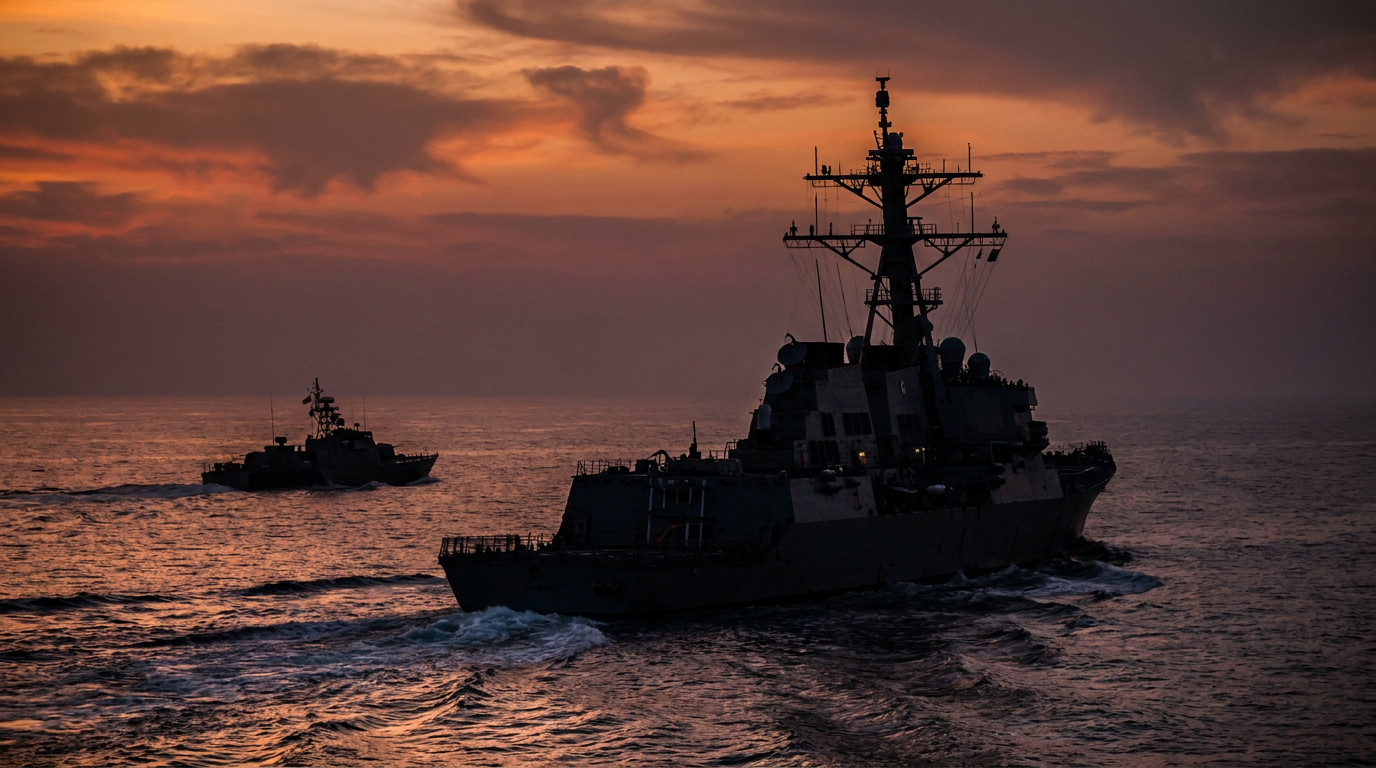
The United States military has formally lifted its naval blockade on Iranian ports, allowing more than a dozen commercial ships to pass through as a newly signed memorandum of understanding takes immediate effect. The move marks the first tangible de-escalation in a months-long conflict that has roiled global markets and disrupted international shipping lanes. U.S. Central Command confirmed that maritime traffic is now freely entering and exiting Iranian waters, signaling that both Washington and Tehran are honoring the initial military commitments outlined in the ceasefire agreement.[4][8]
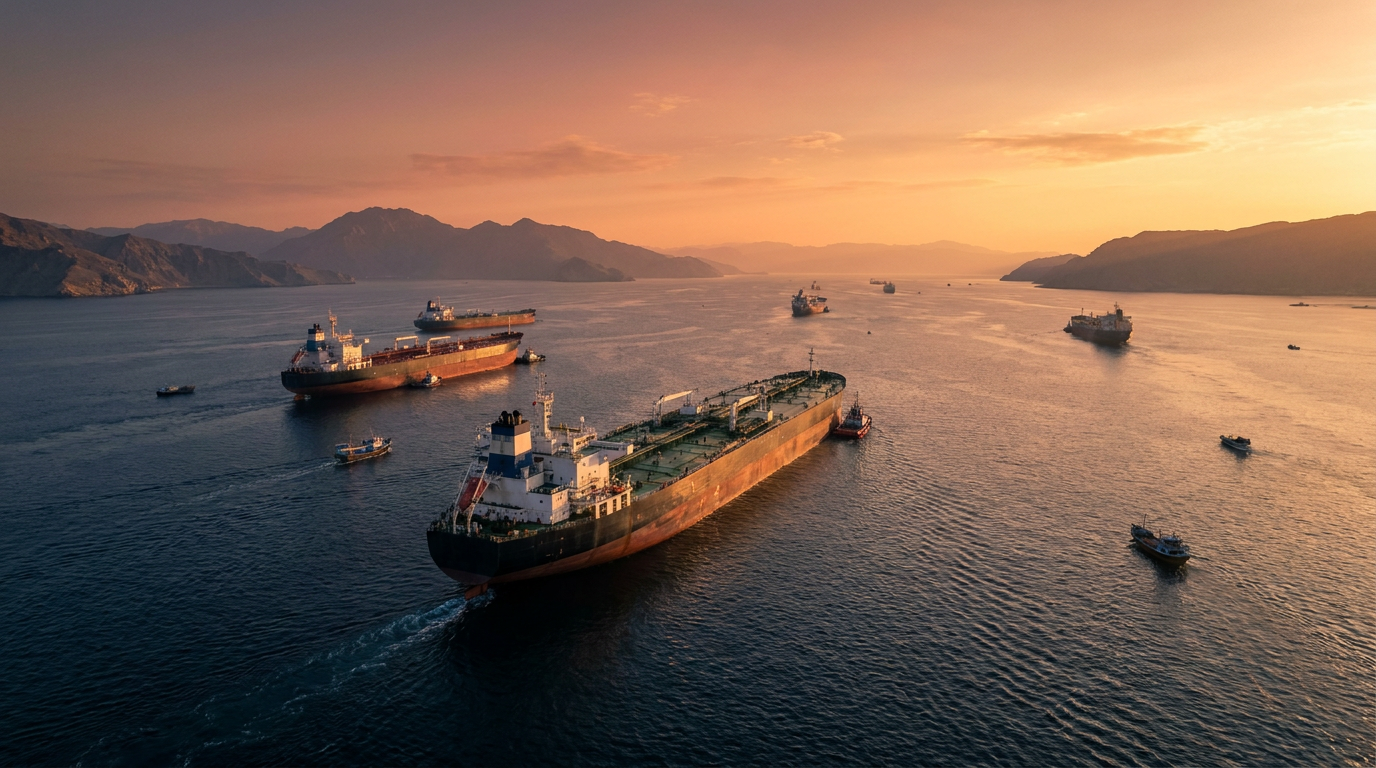
The immediate reopening of the Strait of Hormuz has triggered a massive resumption of global energy trade. Vice President JD Vance confirmed that 12.5 million barrels of oil transited the critical waterway on Wednesday night alone—the highest volume recorded since hostilities erupted in late February. The sudden surge in maritime traffic provides immediate relief to global oil supplies, which had been severely constrained after Tehran closed the choke point in response to joint U.S. and Israeli military strikes earlier this year.[4][7]

Brokered with heavy mediation from Pakistani Prime Minister Shehbaz Sharif, the preliminary agreement halts direct military confrontation and initiates a strict 60-day negotiating window. Sharif celebrated the instant reopening of trade routes as a victory for regional stability. With the immediate military de-escalation underway, technical delegations are now preparing to travel to Switzerland this weekend. These high-stakes talks aim to hammer out a permanent framework governing Iran's nuclear ambitions and regional security architecture, transitioning the fragile ceasefire into a binding, long-term diplomatic resolution before the 60-day clock expires.[6][8]
The diplomatic breakthrough has infuriated the Israeli government, exposing a severe rift between Washington and Jerusalem. Officials across Israel's political spectrum argue the memorandum is dangerously flawed, as it provides no clear path to dismantling Tehran's nuclear facilities and entirely ignores its advanced ballistic missile program. Furthermore, Israeli defense officials are deeply concerned that the terms of the ceasefire constrain their ongoing military operations against Hezbollah in Lebanon, effectively granting Iranian proxy forces a strategic reprieve while tying Israel's hands in a multi-front conflict.[1][5]
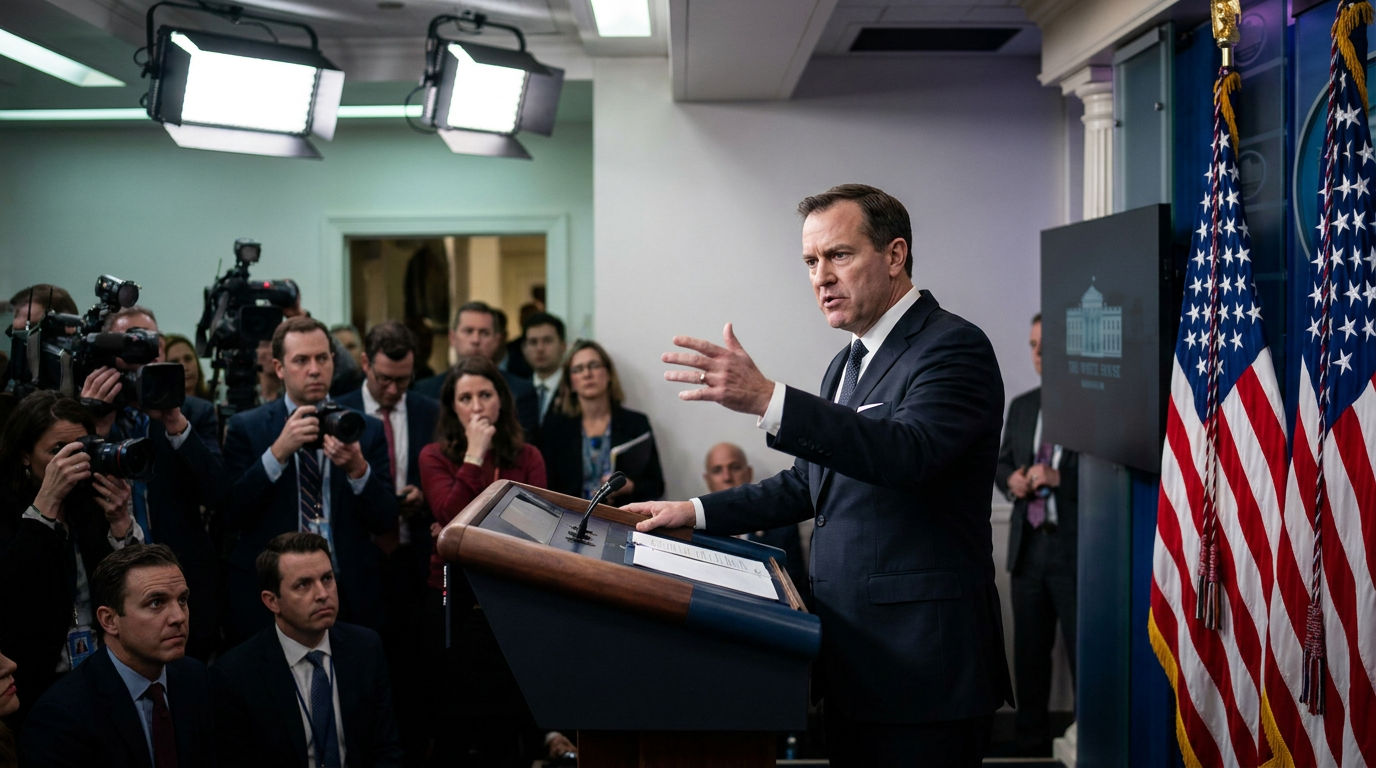
Facing reports of a 'fuming' Prime Minister Benjamin Netanyahu, Vance delivered a blistering public rebuke from the White House briefing room. The Vice President declared Donald Trump 'the only head of state in the entire world who is sympathetic to the nation of Israel at this moment in time,' calling the Israeli political freakout 'odd' and rooted in misplaced mistrust. Vance suggested that if he were in the Israeli cabinet, he would refrain from attacking the only powerful ally the nation has left on the global stage.[1][5]

Facing reports of a 'fuming' Prime Minister Benjamin Netanyahu, Vance delivered a blistering public rebuke from the White House briefing room.
Escalating the rhetoric further, Vance explicitly reminded Israeli cabinet members of their heavy reliance on American military support. He noted that two-thirds of the defensive weapons currently protecting their country 'have been built by American hands and paid for by American tax dollars.' The United States currently provides Israel with roughly $4 billion in annual military assistance, and Vance's pointed remarks served as a stark warning that Jerusalem's security apparatus remains fundamentally dependent on Washington's continued goodwill and financial backing.[1][5]
Defending the administration's broader negotiating leverage, Vance insisted the U.S. would employ a 'holistic approach' to enforcement during the 60-day window. He claimed that Iran would not be permitted to access 'a single penny' of its frozen assets or international reconstruction funds unless it fully complied with the agreement and demonstrably ceased funding regional proxy groups. The administration maintains that the naval blockade can be instantly reimposed if Tehran violates the terms or crosses established red lines regarding its nuclear enrichment.[7]
However, that framing has faced immediate scrutiny and pushback from diplomatic observers. Analysts and media outlets, including The New York Times, point out that the immediate waiver of U.S.-backed oil sanctions inherently provides Tehran with massive, immediate economic relief. By allowing millions of barrels of oil to flow freely into the global market, the agreement effectively injects fresh capital into the Iranian economy, directly contradicting the Vice President's assertion that Iran secured no new financial benefits from the preliminary deal.[3]

To prevent future disruptions to global trade, the memorandum envisions a comprehensive, long-term security architecture for the Strait of Hormuz. The framework proposes that Oman, Iran, and the Gulf Cooperation Council work collaboratively to ensure the waterway remains free of tolls and is never again weaponized as a global economic choke point. U.S. officials stressed that international waterways must remain open, and any final treaty will require binding guarantees that commercial shipping will not be targeted in future geopolitical disputes.[7]
As the 60-day clock ticks down, the focus now shifts entirely to the Swiss talks and the International Atomic Energy Agency, which has called for extreme 'prudence' as technical work begins. U.S. Central Command forces remain heavily stationed in the region to monitor maritime compliance and verify that Iran is honoring its commitments. While the immediate threat of a wider regional war has subsided, the underlying tensions remain unresolved, leaving the door open for a rapid resumption of hostilities if the fragile diplomatic truce collapses.[4][8]
How we got here
Late Feb 2026
Hostilities erupt, leading the US and Israel to attack Iran and prompting Tehran to close the Strait of Hormuz.
June 17, 2026
The US, Iran, and mediating nations sign a memorandum of understanding to end the war.
June 18, 2026
The US formally lifts its naval blockade on Iranian ports, and 12.5 million barrels of oil transit the Strait of Hormuz.
Late June 2026
Technical delegations are scheduled to begin negotiations in Switzerland to draft a permanent treaty.
Viewpoints in depth
The U.S. Administration's View
The White House argues the deal is a pragmatic victory that restores global economic stability without surrendering leverage.
Vice President JD Vance and the administration frame the memorandum as a necessary step to end a costly conflict that roiled global energy markets. By securing the immediate reopening of the Strait of Hormuz, the U.S. claims it has protected the global economy while keeping Iran's frozen assets locked away pending full compliance. The administration also aggressively defends its pro-Israel credentials, insisting that no other global power provides the level of military and financial support that the U.S. currently supplies to Jerusalem.
The Israeli Security Perspective
Israeli officials view the agreement as a dangerous concession that leaves Iran's most potent threats intact.
Across the Israeli political spectrum, the deal is seen as a strategic failure. Critics argue that by lifting the naval blockade and oil sanctions without forcing the dismantlement of Iran's nuclear facilities or ballistic missile program, the U.S. has effectively rewarded Tehran. Furthermore, Israeli defense officials are deeply concerned that the terms of the ceasefire constrain their ongoing military operations against Hezbollah in Lebanon, leaving Israel vulnerable on its northern border.
Regional Mediators' View
Nations like Pakistan and Oman emphasize the urgent need for de-escalation and long-term maritime security.
For the regional powers that helped broker the deal, the immediate priority is economic survival and maritime stability. Pakistani Prime Minister Shehbaz Sharif championed the instant reopening of trade routes, while the agreement envisions a future where Oman and the Gulf Cooperation Council work directly with Iran to manage the Strait of Hormuz. These nations view the 60-day window as a critical, albeit fragile, opportunity to establish a toll-free, demilitarized framework for one of the world's most vital economic arteries.
What we don't know
- Whether Iran will agree to dismantle its nuclear facilities during the 60-day Swiss negotiations.
- How Israel will adapt its military strategy against Hezbollah given the constraints of the new agreement.
- If the proposed joint security framework for the Strait of Hormuz between Oman, Iran, and the GCC will materialize.
Key terms
- Strait of Hormuz
- A critical waterway between the Persian Gulf and the Gulf of Oman through which a significant portion of the world's oil supply passes.
- Memorandum of Understanding (MOU)
- A formal agreement between two or more parties outlining the terms and details of an understanding, serving as the foundation for a final treaty.
- U.S. Central Command (CENTCOM)
- The unified combatant command of the United States Armed Forces responsible for the Middle East, Central Asia, and parts of South Asia.
- IAEA
- The International Atomic Energy Agency, the United Nations watchdog responsible for monitoring nuclear programs and ensuring compliance with non-proliferation agreements.
Frequently asked
Has the US military ended its blockade of Iran?
Yes, U.S. Central Command has formally lifted the naval blockade, allowing commercial ships to enter and exit Iranian ports as part of the new agreement.
How much oil is flowing through the Strait of Hormuz now?
Following the deal, 12.5 million barrels of oil transited the strait in a single night, marking the highest volume since the conflict began in February.
Why is Israel criticizing the agreement?
Israeli officials argue the deal fails to dismantle Iran's nuclear program or curb its ballistic missiles, while limiting Israel's ability to fight Hezbollah in Lebanon.
What happens during the 60-day negotiating period?
Technical delegations will meet in Switzerland to negotiate a permanent framework regarding Iran's nuclear ambitions and regional security architecture.
Sources
Source coverage
8 outlets
3 viewpoints surfaced







[1]The GuardianIsraeli Defense Establishment
JD Vance tells Iran deal critics in Israel: Trump is your only ally left in the world
Read on The Guardian →[2]Al JazeeraDiplomatic Observers
Iran war live: JD Vance defends Iran deal as US says naval blockade lifted
Read on Al Jazeera →[3]NYTDiplomatic Observers
Vance’s Defense of Iran Deal Rests on Vague and Misleading Claims
Read on NYT →[4]Washington PostU.S. Administration
US military formally lifts the blockade on Iran
Read on Washington Post →[5]ReutersIsraeli Defense Establishment
Vance warns Israeli critics over Iran deal: Trump is your only ally
Read on Reuters →[6]The HinduDiplomatic Observers
U.S. lifts Iran ports blockade as uncertainty clouds Swiss Iran talks
Read on The Hindu →[7]Iran InternationalU.S. Administration
Vance says Iran honoring Strait of Hormuz commitment
Read on Iran International →[8]Anadolu AgencyU.S. Administration
Under peace deal, US forces lift blockade on all maritime traffic entering and exiting Iranian ports
Read on Anadolu Agency →
More in news politics
See all 7 stories →Digital Trust
How Cryptographic 'Nutrition Labels' Are Solving the Political Deepfake Problem
7 sources

Iran Peace Deal
US Lifts Naval Blockade on Iran as 60-Day Peace Deal Takes Effect
8 sources
US-Iran Deal
US Lifts Naval Blockade on Iran as Peace Deal Sparks Bitter Rift with Israel
8 sources
UK By-Elections
UK By-Elections: Conservatives Seize Aberdeen South as Burnham Eyes Labour Leadership in Makerfield
6 sources

Every angle. Every day.
Get news politics stories with full source coverage and perspective breakdowns delivered to your inbox.