
US Lifts Naval Blockade on Iran as 60-Day Negotiating Period Begins
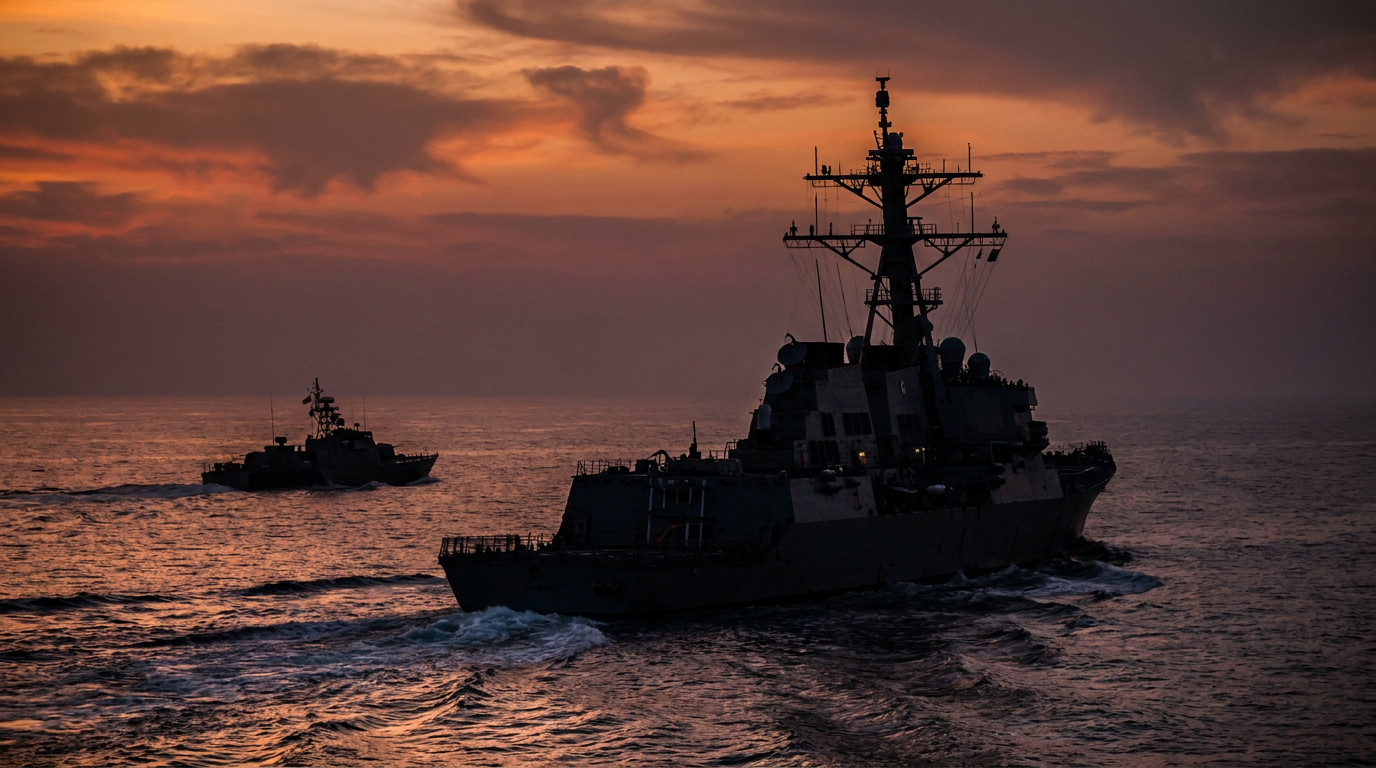
The United States has ended its maritime blockade of Iranian ports following a newly signed memorandum of understanding, reopening the Strait of Hormuz to global shipping. The interim agreement triggers a 60-day window to negotiate a permanent peace treaty, despite fierce criticism from Israeli officials.
By Factlen Editorial Team
- US Administration
- Defending the deal as a pragmatic end to the war that reopens global shipping lanes and avoids further escalation.
- Iranian Leadership
- Framing the agreement as a historic victory over Western pressure, asserting sovereign control over the Strait of Hormuz.
- Israeli Defense Establishment
- Viewing the deal as a dangerous capitulation that leaves Iran's nuclear and missile capabilities intact while isolating Israel.
- European Union
- Maintaining a skeptical, wait-and-see approach, refusing to lift key sanctions until a verifiable nuclear framework is finalized.
What's not represented
- · Gulf Arab States expected to fund the $300B reconstruction
- · Lebanese civilians affected by the ceasefire constraints
- · Global Shipping Companies facing new maritime fees
Why this matters
The reopening of the Strait of Hormuz immediately stabilizes global energy markets and lowers oil prices, directly impacting inflation and consumer costs worldwide. However, the shifting US alliance structure and Iran's plan to charge transit fees signal a volatile new era for Middle Eastern security.
Key points
- The US has officially lifted its naval blockade on Iranian ports, initiating a 60-day negotiating period.
- The interim agreement immediately reopens the Strait of Hormuz to commercial oil tankers.
- Vice President JD Vance sharply rebuked Israeli critics, stating Donald Trump is Israel's 'only ally left.'
- Iran announced plans to implement maritime transit fees in the Strait of Hormuz after 60 days.
- The European Union stated it will not lift key sanctions until a formal nuclear deal is reached.
The United States has officially lifted its naval blockade on Iranian ports, triggering a 60-day negotiating window to finalize a peace agreement and formally end a devastating three-month war in the Middle East. The cessation of the blockade marks a dramatic de-escalation in a conflict that had roiled global energy markets, disrupted international shipping, and drawn in multiple regional actors. By stepping back from the brink of a broader regional conflagration, the Trump administration is betting that diplomatic engagement can secure a lasting settlement where military pressure reached a stalemate.[1][4]
The memorandum of understanding (MoU), signed by US President Donald Trump and Iranian President Masoud Pezeshkian, immediately reopens the critical Strait of Hormuz to commercial shipping and halts military operations across multiple fronts, including in Lebanon. The agreement establishes a framework for technical talks in Switzerland, aiming to translate the current tenuous ceasefire into a permanent, binding treaty. For the global economy, the immediate priority was the unfreezing of the world's most vital energy chokepoint, which had been effectively paralyzed since the conflict escalated in early spring.[4][5]
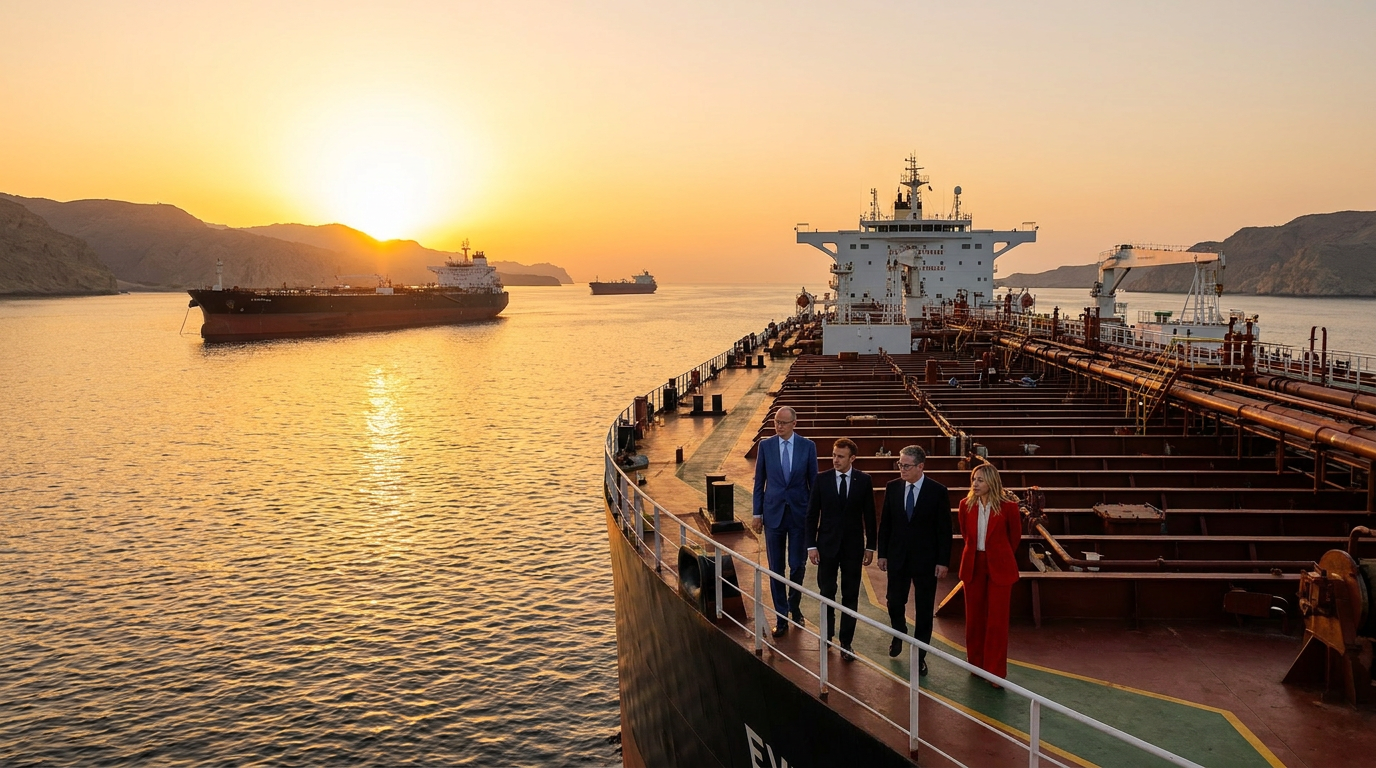
US Central Command (CENTCOM) confirmed the cessation of its maritime blockade, allowing oil tankers to move freely for the first time since the conflict escalated. Vice President JD Vance noted that 12.5 million barrels of oil passed through the strait on Wednesday alone, signaling a rapid return to normal commercial transit. The US Navy, which maintains a massive presence in the region including two aircraft carrier strike groups, will remain in the general area to monitor compliance with the MoU.[1][4]
The diplomatic breakthrough, however, has sparked fierce pushback from US allies, particularly Israel. Israeli officials and security hawks argue the interim deal fails to dismantle Iran's nuclear infrastructure or curb its rapidly advancing ballistic missile program. They view the agreement as a dangerous capitulation that rewards Tehran's regional aggression while leaving Israel isolated against an emboldened adversary that retains its vast network of proxy militias. The lack of explicit, enforceable curbs on Iran's uranium enrichment in the interim text has only deepened anxieties in Jerusalem.[1][2]

Critics also point out that the ceasefire framework, imposed largely at Iran's insistence, constrains Israel's ongoing military operations against Hezbollah militants in Lebanon. By linking the broader regional de-escalation to the Lebanese front, the US-Iran deal effectively forces Israel to halt its northern campaign without achieving its core security objectives. This dynamic has deeply frustrated Israeli defense planners, who feel the Trump administration has prioritized stabilizing global oil prices and fulfilling domestic political promises over the existential security needs of its closest Middle Eastern ally.[2]
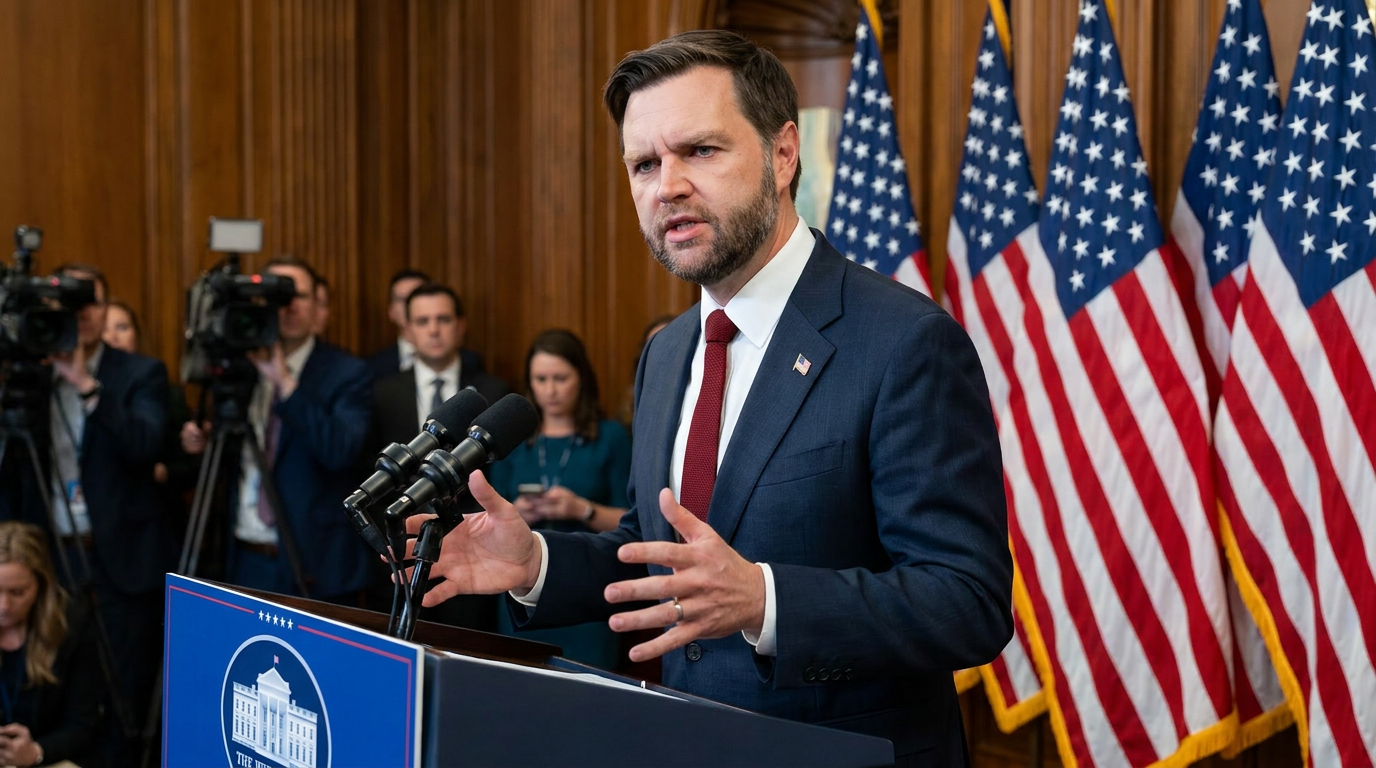
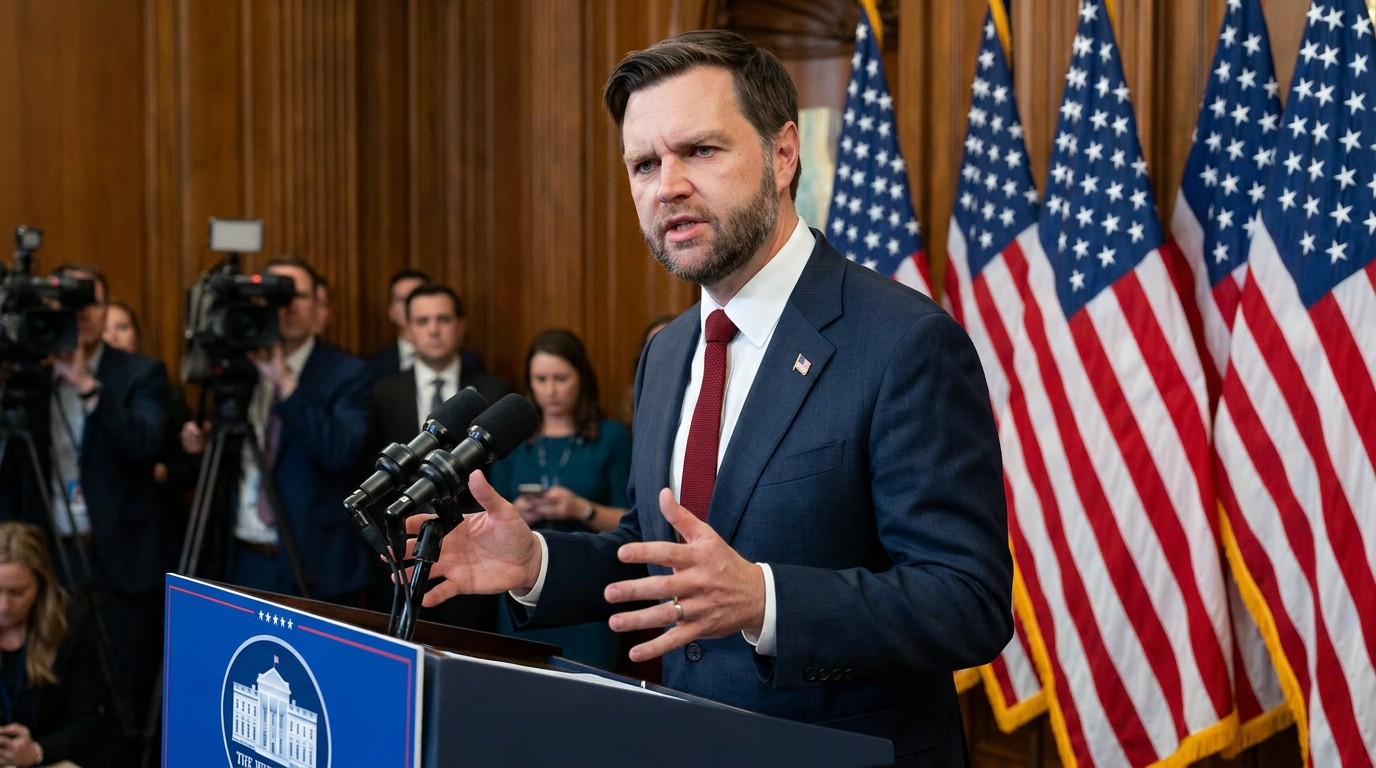
In a sharp rebuke to Israeli leadership, Vice President Vance aggressively defended the administration's diplomatic pivot. Speaking to reporters, Vance reminded critics of the roughly $4 billion in annual US defense aid Israel receives and bluntly stated that Donald Trump is Israel's 'only ally left in the world.' The Vice President's comments represent a stunning public dressing-down of a close partner, underscoring the administration's determination to force the deal through despite allied objections. Vance suggested that Israeli cabinet members should be more grateful for American protection rather than attacking the only superpower willing to defend them.[2]
In a sharp rebuke to Israeli leadership, Vice President Vance aggressively defended the administration's diplomatic pivot.
Vance explicitly warned Israeli cabinet members that 'you can't kill your way out' of complex regional security problems, urging them to recognize the stark reality of their geopolitical isolation if they alienate the Trump administration. He emphasized that the United States has spent billions of taxpayer dollars building the defensive weapons that protect Israel, and that the American public expects a return on that investment in the form of strategic cooperation, not endless warfare. The message from the White House was clear: the era of unconditional American backing for Israeli military campaigns has been replaced by a transactional approach to Middle East peace.[1][2]
Meanwhile, Tehran is projecting the agreement as a historic triumph over Western pressure. Iran's Supreme Leader Mojtaba Khamenei publicly endorsed the deal, taunting the United States by claiming the agreement was born out of American 'desperation' and leverage exhaustion. Iranian state media has heavily promoted the narrative that the Islamic Republic successfully stared down the world's most powerful military, forcing Washington to abandon its naval blockade without surrendering Iran's sovereign rights. For the Iranian government, which faced intense domestic pressure and internal divisions during the war, the MoU serves as a vital political lifeline.[3]

Asserting its newfound leverage, Iran announced controversial plans to introduce maritime transit fees for vessels navigating the Strait of Hormuz once the initial 60-day toll-free window expires. The move is designed to cement Iran's physical and administrative control over the waterway, fundamentally altering the long-standing international norm of free navigation in the Persian Gulf. By transitioning from a military blockade to a bureaucratic toll system, Tehran aims to extract a permanent economic rent from the global energy trade, daring the international community to challenge its newly recognized authority.[3]
Iranian officials stated that a newly formed Persian Gulf Strait Authority will manage the waterway, requiring commercial ships to submit formal clearance requests before transiting. Tehran explicitly rejected any proposals for a European naval mission to escort ships through the channel, insisting that regional security must be managed exclusively by littoral states like Iran and Oman. This bureaucratic hurdle ensures that even in peacetime, Iran retains the ability to monitor, regulate, and potentially restrict maritime traffic, embedding its strategic leverage into the daily operations of global shipping.[1][3]
The economic implications of the MoU are vast and highly controversial. The agreement reportedly paves the way for a staggering $300 billion reconstruction fund for Iran, which the United States expects to be largely financed by neighboring Gulf states that host American military bases. This massive capital injection is intended to rebuild infrastructure destroyed during the three-month conflict and stabilize the Iranian economy, effectively buying Tehran's compliance with the broader peace framework. For Gulf nations, the fund represents a costly insurance policy against future Iranian aggression.[3][5]
Furthermore, the deal allows Tehran to immediately resume oil exports without the threat of US secondary sanctions or naval interdiction. However, Iranian economic ministers cautioned domestic audiences that the US waivers would not produce an instant economic bonanza, as ramping up output and repairing damaged energy infrastructure will take considerable time. The gradual return of Iranian crude to the global market is expected to keep downward pressure on international oil prices, a key domestic priority for the Trump administration ahead of the US midterm elections.[3]

Despite the sweeping US concessions, the European Union remains highly cautious about the durability of the truce. EU officials announced they will not lift key European sanctions on Iran until a formal, comprehensive nuclear deal is officially ratified at the end of the 60-day negotiating period. Europe's reluctance highlights a lingering transatlantic divide in how to handle Tehran, with Brussels demanding verifiable, long-term curbs on uranium enrichment before releasing its own economic leverage. The EU's stance ensures that Iran remains partially isolated from Western financial markets during the interim phase.[6]
Negotiators from both sides are now preparing to meet in Switzerland to hammer out the highly complex technical details of a permanent treaty. They face the daunting task of translating a fragile, politically fraught ceasefire into a lasting geopolitical settlement that satisfies domestic hardliners in both Washington and Tehran. With the 60-day clock now ticking, the Middle East enters a precarious new chapter where the immediate threat of total war has receded, but the diplomatic and economic battle for regional dominance has only just begun.[4][5]
How we got here
April 2026
A tenuous ceasefire is announced between the US, Israel, and Iran after weeks of conflict.
Mid-April 2026
The US military imposes a strict naval blockade on Iranian ports.
June 17, 2026
President Trump and President Pezeshkian sign a memorandum of understanding to end the war.
June 18, 2026
US Central Command officially lifts the naval blockade on all maritime traffic.
August 2026
The 60-day negotiating period is set to expire, at which point Iran plans to introduce strait transit fees.
Viewpoints in depth
US Administration's view
The White House argues the deal is a necessary pragmatic step to end a costly war and stabilize global markets.
Vice President JD Vance and the Trump administration are framing the memorandum of understanding as a masterclass in leverage, arguing that the US successfully forced Iran to the table to end a war that was destabilizing the global economy. By securing the immediate reopening of the Strait of Hormuz, the administration claims it has averted a worldwide depression and protected American consumers from skyrocketing gas prices. They dismiss Israeli criticisms by emphasizing that the US cannot endlessly fight wars in the Middle East, urging allies to recognize the limits of military force.
Israeli Defense Establishment's view
Israeli officials view the agreement as a dangerous capitulation that leaves them isolated against an emboldened Iran.
For Israel, the US-Iran deal represents a worst-case scenario. Defense officials argue that the agreement fails to address Iran's core threats: its advancing nuclear program, its vast ballistic missile arsenal, and its network of proxy militias across the region. By agreeing to a ceasefire framework that constrains Israeli operations in Lebanon, critics argue the US has effectively shielded Hezbollah. The sharp rhetoric from Vice President Vance has only deepened anxieties in Jerusalem, signaling a historic rupture in the US-Israel alliance at a moment of maximum regional vulnerability.
Iranian Leadership's view
Tehran is projecting the agreement as a strategic triumph that broke the US naval blockade without sacrificing core capabilities.
Iran's Supreme Leader and hardline factions are celebrating the lifting of the US blockade as a testament to Iranian resilience. By securing a $300 billion reconstruction fund and the immediate resumption of oil exports, Tehran believes it has successfully outlasted American military and economic pressure. The announcement of future maritime fees for the Strait of Hormuz is a calculated move to assert sovereign control over the waterway, signaling to domestic audiences and regional rivals that Iran emerged from the three-month war as the dominant maritime power in the Persian Gulf.
What we don't know
- Whether the 60-day negotiating window will result in a permanent, comprehensive peace treaty.
- How the international shipping community will respond to Iran's planned maritime fees in the Strait of Hormuz.
- The exact mechanisms and contributors for the proposed $300 billion Iranian reconstruction fund.
Key terms
- Strait of Hormuz
- A narrow, strategically critical waterway between the Persian Gulf and the Gulf of Oman through which a significant portion of the world's oil supply passes.
- Naval Blockade
- A military operation in which ships are used to prevent vessels from entering or leaving a country's ports, effectively cutting off its maritime trade.
- Memorandum of Understanding (MoU)
- A formal agreement between two or more parties that outlines the terms and details of an understanding, often serving as the foundation for a binding treaty.
- Persian Gulf Strait Authority
- A newly formed Iranian administrative body tasked with issuing permits and managing commercial vessel traffic through the Strait of Hormuz.
Frequently asked
Why did the US lift the naval blockade on Iran?
The US lifted the blockade as part of a newly signed memorandum of understanding to end a three-month war, aiming to reopen the Strait of Hormuz to global shipping and begin a 60-day peace negotiation period.
How is Israel reacting to the US-Iran deal?
Israeli officials are highly critical of the deal, arguing it fails to dismantle Iran's nuclear and missile programs while constraining Israel's ability to fight Hezbollah in Lebanon.
Will ships have to pay to use the Strait of Hormuz?
The strait will be toll-free for the next 60 days, but Iran has announced plans to introduce maritime transit fees for commercial vessels once that period expires.
Has the European Union lifted its sanctions on Iran?
No, the EU has stated it will maintain its key sanctions until a formal, comprehensive nuclear agreement is finalized at the end of the 60-day negotiating window.
Sources
Source coverage
6 outlets
4 viewpoints surfaced





[1]Al JazeeraIranian Leadership
Iran war live: JD Vance defends Iran deal as US says naval blockade lifted
Read on Al Jazeera →[2]The GuardianIsraeli Defense Establishment
JD Vance tells Iran deal critics in Israel: Trump is your only ally left in the world
Read on The Guardian →[3]The Indian ExpressIranian Leadership
US-Iran Peace Deal News Live Updates: Iran announces plans to bring in maritime fees for strait of Hormuz
Read on The Indian Express →[4]NPRUS Administration
U.S. lifts blockade on Iranian ports as 60-day clock for a final deal starts ticking
Read on NPR →[5]The NationUS Administration
Trump says strait to open toll free, Iran confirms US naval blockade lifted
Read on The Nation →EU won’t lift key Iran sanctions until formal nuclear deal reached
Read on Al Jazeera English →
More in news politics
See all 7 stories →Labour Leadership
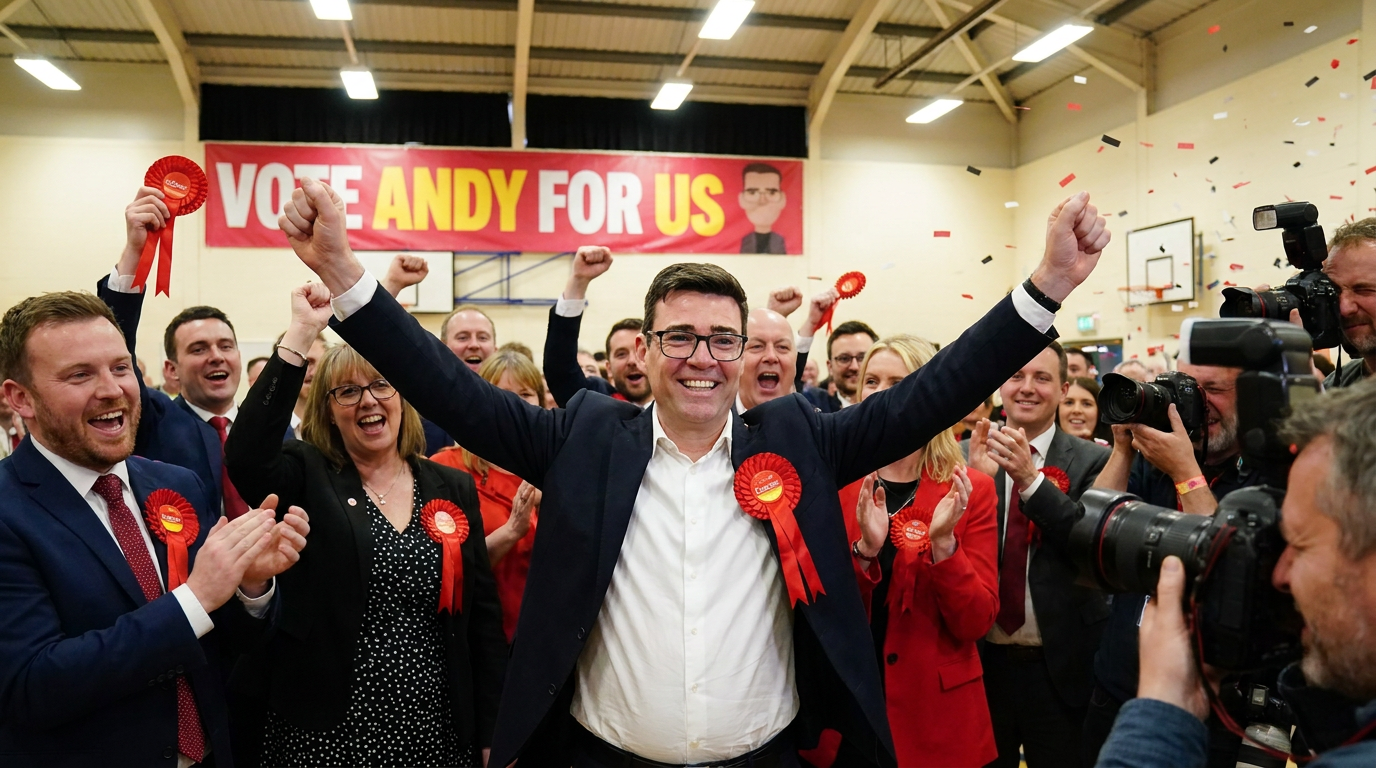
Andy Burnham Wins Makerfield By-Election, Clearing Path to Challenge UK Prime Minister Keir Starmer
8 sources
U.S.-Iran Deal
U.S. and Iran Sign Preliminary Ceasefire Deal as Rift Widens Between Washington and Israel
8 sources
US-Iran Deal
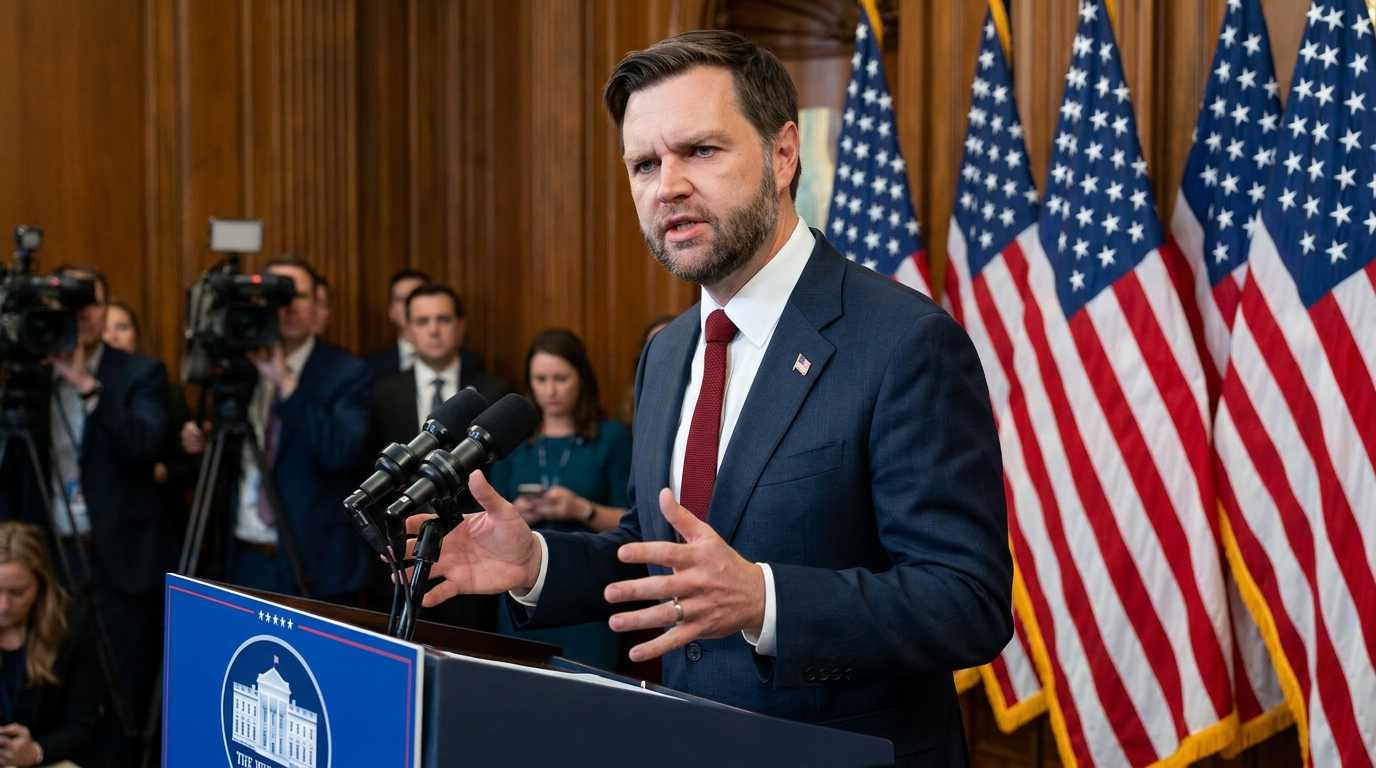
U.S. and Iran Sign Interim Peace Deal, Lifting Blockade as 60-Day Negotiation Window Opens
12 sources
Iran Nuclear Talks
Vance Postpones Switzerland Trip for Iran Nuclear Talks Amid Friction with Israel and EU Sanctions Stance
8 sources
Every angle. Every day.
Get news politics stories with full source coverage and perspective breakdowns delivered to your inbox.