
US Lifts Naval Blockade on Iran as 60-Day Peace Negotiations Begin
The United States has officially lifted its naval blockade of Iranian ports following a preliminary ceasefire agreement, triggering a 60-day window to negotiate a formal nuclear pact. The rapid diplomatic pivot has exposed a deep rift between Washington and Israeli leadership, prompting sharp public rebukes from Vice President JD Vance.
By Factlen Editorial Team
- U.S. Administration
- Values diplomatic de-escalation, economic stability, and leveraging U.S. influence to force a nuclear settlement.
- Israeli Leadership
- Prioritizes immediate, absolute neutralization of Iranian military and nuclear threats over diplomatic timelines.
- Iranian Government
- Seeks the removal of crippling economic sanctions and international recognition of its regional sovereignty.
- International Monitors
- Focuses on verifiable arms control, strict nuclear compliance, and multilateral diplomatic frameworks.
What's not represented
- · Gulf State Governments expected to fund the reconstruction
- · Lebanese civilians affected by the ongoing Israeli occupation
- · Global shipping and energy conglomerates
Why this matters
The lifting of the blockade and the reopening of the Strait of Hormuz immediately stabilizes global energy markets after nearly four months of conflict. However, the fragile 60-day window to forge a permanent nuclear agreement—coupled with fierce resistance from Israel—leaves the Middle East teetering between a historic diplomatic reset and renewed regional war.
Key points
- The U.S. lifted its naval blockade on Iran, allowing over a dozen ships to transit.
- Iran waived transit fees for commercial vessels in the Strait of Hormuz for 60 days.
- A 60-day negotiating window has opened to finalize a nuclear pact and sanctions relief.
- VP JD Vance sharply rebuked Israeli leaders for criticizing the preliminary peace deal.
- Israel insists it will maintain its military presence in southern Lebanon despite the MoU.
- The IAEA is preparing to begin technical verification of Iran's nuclear stockpile.
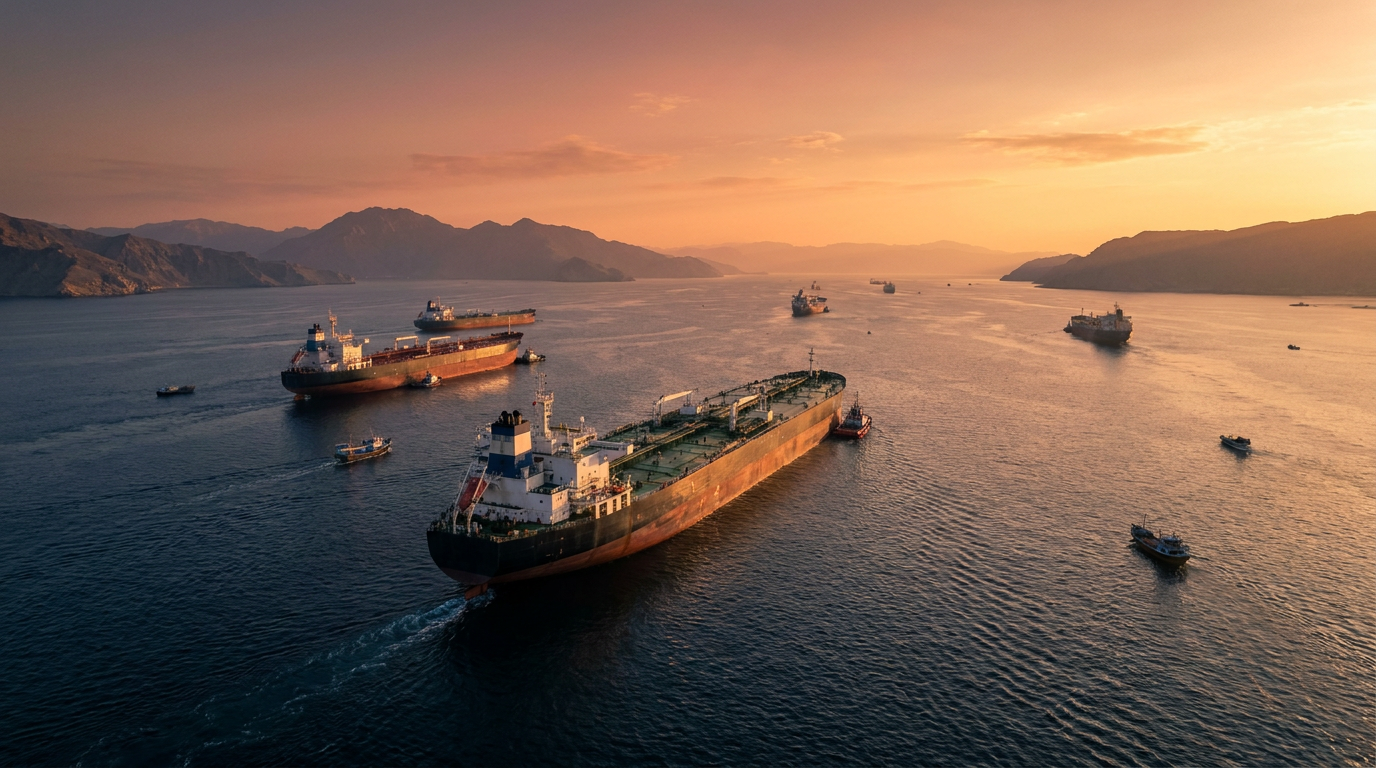
The United States Central Command (CENTCOM) has officially lifted its naval blockade on Iranian ports, allowing commercial vessels and oil tankers to freely transit the Strait of Hormuz for the first time since April. The strategic pivot follows the electronic signing of a 14-point Memorandum of Understanding (MoU) between U.S. President Donald Trump and Iranian President Masoud Pezeshkian. The preliminary agreement effectively pauses a nearly four-month war that began with joint U.S.-Israeli strikes in late February, shifting the conflict from military confrontation to high-stakes diplomacy. By dismantling the maritime barrier, Washington has signaled its commitment to the initial phase of the truce, immediately easing pressures on global energy markets that had been rattled by the prolonged Middle Eastern standoff.[1][2][7][8]
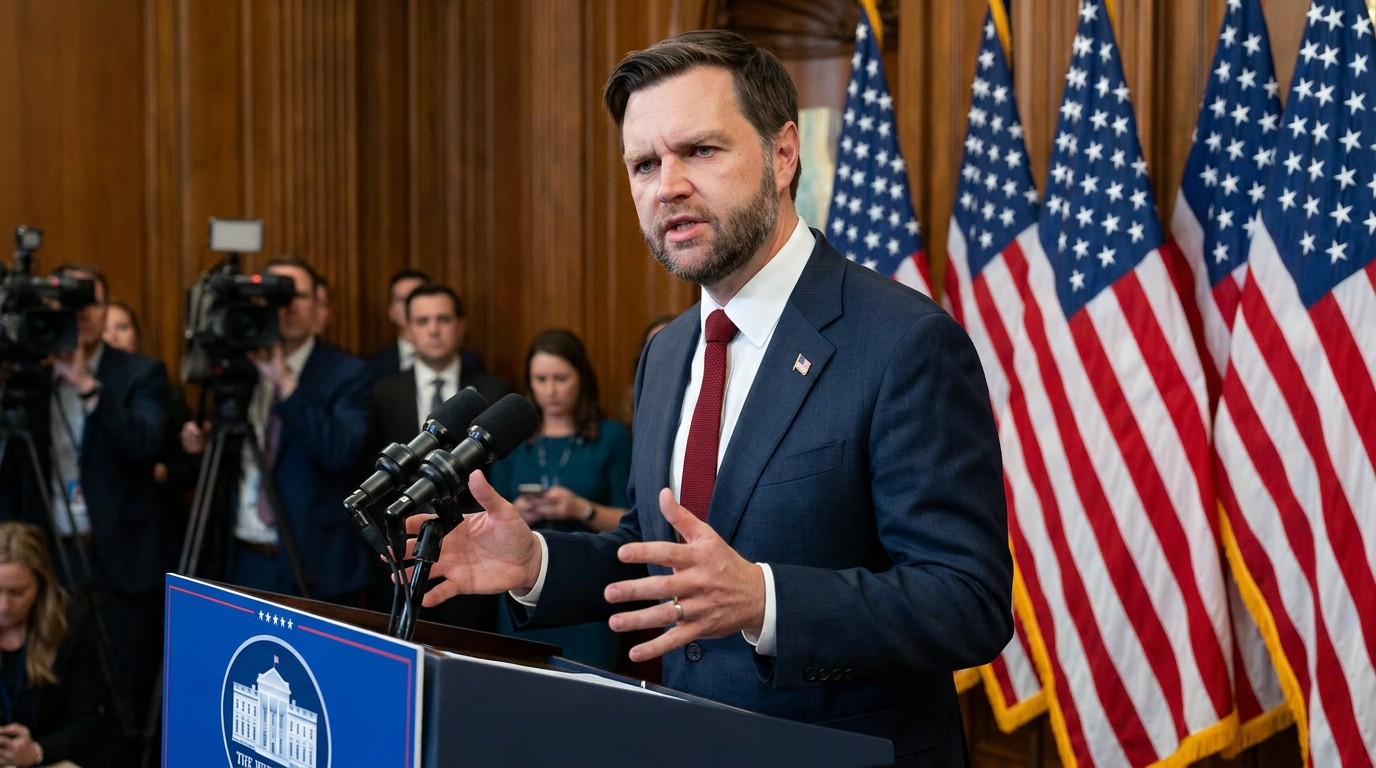
Under the terms of the preliminary ceasefire, the U.S. military has ceased obstructing maritime traffic, and Iran has reciprocated by waiving transit fees for commercial vessels navigating the strategic Strait of Hormuz for the next 60 days. Vice President JD Vance confirmed during a White House briefing that more than a dozen ships have already passed safely through the U.S. blockade. This rapid resumption of maritime commerce facilitated the transit of 12.5 million barrels of oil on Wednesday night alone—the highest single-day volume recorded since the conflict erupted. Iranian authorities announced that the Persian Gulf Waterway Management Authority will expedite transit permits, while the Iranian government absorbs all processing costs to encourage the swift return of international shipping confidence.[6][8]

The implementation of the MoU triggers a strict 60-day negotiating period aimed at forging a comprehensive, long-term resolution to the decades-old geopolitical rivalry. Iranian and U.S. delegations are slated to begin technical-level talks in Switzerland to address the most intractable issues: Iran's nuclear enrichment program, the dismantling of its highly enriched uranium stockpiles, and Tehran's demands for sweeping, permanent sanctions relief. The compressed two-month timeline represents an incredibly ambitious diplomatic sprint, especially compared to the years of multilateral negotiations required to secure the original 2015 Joint Comprehensive Plan of Action (JCPOA). Both sides must now translate a brief, generalized memorandum into a binding, highly technical arms control and economic treaty.[1][8]
International monitors have cautiously welcomed the de-escalation, though they stress that rigorous oversight remains paramount. International Atomic Energy Agency (IAEA) Director General Rafael Grossi praised the ceasefire, stating that technical work on nuclear verification can now begin 'for real' and emphasizing that the IAEA's indispensable role is explicitly recognized in the framework. Vice President Vance noted that a 'core part' of the impending negotiations involves the IAEA and the U.S. directly assisting Iran in destroying its highly enriched uranium stockpile. Despite the momentum, the European Union has signaled a more guarded approach; EU officials indicated they will not lift their own key sanctions on Iranian drone and missile technologies until a formal, verifiable nuclear deal is finalized.[1][4][5]

International monitors have cautiously welcomed the de-escalation, though they stress that rigorous oversight remains paramount.
The rapid diplomatic pivot has exposed a severe and highly public fracture between Washington and its closest Middle Eastern ally. Israeli Prime Minister Benjamin Netanyahu and hardline cabinet members, including National Security Minister Itamar Ben-Gvir, have sharply criticized the MoU. Israeli leadership argues the preliminary deal fails to definitively dismantle Iran's nuclear infrastructure and prematurely relieves economic pressure on Tehran just as the military campaign was degrading its capabilities. The Israeli government views the 60-day window not as a pathway to peace, but as a dangerous reprieve that will allow Iranian forces to regroup and rearm using newly unfrozen oil revenues.[2][3]
Defying the MoU's explicit call for a complete cessation of hostilities on all fronts, Netanyahu declared that Israeli forces will maintain their occupation of a security zone in southern Lebanon 'as long as Israel's security needs require it.' This hardline stance directly challenges the U.S.-brokered agreement, which Iran insists requires a full Israeli withdrawal from Lebanese territory. Israel's refusal to halt its northern campaign threatens to complicate the broader regional de-escalation envisioned by the Trump administration, potentially providing hardline factions in Tehran with a pretext to walk away from the negotiating table if they feel the U.S. cannot control its primary regional partner.[2][8]
In an unusually blunt public reprimand, Vice President Vance lashed out at the Israeli cabinet, warning that Israel is deeply isolated internationally and that President Trump is 'the only head of state in the entire world who is sympathetic to the nation of Israel at this moment in time.' Vance reminded Israeli officials that American taxpayers funded two-thirds of the defensive weapons that protected Israel during the recent conflict. Suggesting that Israeli leaders need to 'wake up and smell the reality,' Vance argued that if he were in the Israeli cabinet, he would not be attacking the only powerful ally the nation has left. The remarks mark one of the sharpest public rebukes of Israeli policy by a sitting U.S. administration in recent history.[2][3]
The Trump administration is also facing fierce resistance from within its own political ranks. Several prominent Republican lawmakers have condemned the MoU as a strategic capitulation, warning that reopening the Strait of Hormuz and easing the naval blockade will allow Iran to reap billions in oil revenues. Critics argue these funds will inevitably be funneled into rebuilding Iran's military and proxy networks before a final nuclear pact is even signed. Lawmakers have expressed deep skepticism that Tehran will genuinely negotiate the destruction of its nuclear program once the immediate military and economic pressures have been lifted, setting the stage for a contentious domestic battle over the treaty's ratification.[3]

As the 60-day clock ticks down, the focus shifts entirely to the high-stakes negotiations in Switzerland, where diplomats must bridge massive gaps between Washington's non-proliferation demands and Tehran's insistence on economic rehabilitation. A proposed $300 billion to $350 billion reconstruction fund for Iran remains a highly contentious sticking point; the U.S. has indicated it will not directly contribute, instead expecting Gulf states to finance the recovery. Whether regional neighbors are willing to bankroll the reconstruction of a historic rival—and whether the U.S. can keep Israel from derailing the fragile truce—will ultimately determine if the MoU translates into a lasting Middle Eastern peace or merely a brief pause in a devastating war.[2][8]
How we got here
Feb 28, 2026
The U.S. and Israel launch a joint military campaign against Iran.
April 2026
The U.S. imposes a naval blockade on Iranian ports in response to Tehran restricting the Strait of Hormuz.
June 17, 2026
President Trump and President Pezeshkian electronically sign a 14-point Memorandum of Understanding.
June 18, 2026
CENTCOM officially lifts the naval blockade, and Iran waives Hormuz transit fees.
June 19, 2026
Technical-level negotiations on a final nuclear agreement are slated to begin in Switzerland.
Viewpoints in depth
U.S. Administration's view
The Trump administration frames the MoU as a pragmatic diplomatic victory that stabilizes global markets.
Vice President JD Vance and the White House argue that the preliminary deal successfully halts a costly, unpopular war while securing immediate economic relief via the Strait of Hormuz. They maintain that the 60-day window provides a structured environment to dismantle Iran's nuclear ambitions, viewing Israeli criticism as ungrateful given the extensive U.S. military support provided during the conflict.
Israeli Leadership's view
Israeli officials view the ceasefire as a premature concession that leaves Iran's nuclear and proxy capabilities intact.
Prime Minister Benjamin Netanyahu and his hardline cabinet members argue the MoU fails to definitively neutralize Tehran's nuclear program. They are particularly resistant to the agreement's mandate for a ceasefire on all fronts, insisting that Israeli forces must remain in southern Lebanon to secure their northern border against Hezbollah, regardless of Washington's diplomatic timeline.
Iranian Government's view
Tehran presents the lifting of the blockade as a strategic triumph and a prerequisite for broader negotiations.
Iranian leaders, including President Masoud Pezeshkian, emphasize that they did not trade their national dignity for the ceasefire. By waiving transit fees in the Strait of Hormuz, Tehran is demonstrating compliance while expecting the 60-day talks to yield comprehensive sanctions relief and the establishment of a multi-billion-dollar reconstruction fund.
International Monitors' view
Global bodies welcome the de-escalation but stress the need for rigorous, verifiable nuclear oversight.
The IAEA and European Union are cautiously optimistic about the cessation of hostilities but remain focused on the technical realities. The EU refuses to lift its own sanctions until a formal pact is signed, and IAEA Director General Rafael Grossi insists that immediate, on-the-ground verification of Iran's nuclear facilities is the only way to ensure the MoU translates into lasting non-proliferation.
What we don't know
- Whether Gulf states will actually contribute to the proposed $300 billion reconstruction fund for Iran.
- How the U.S. will respond if Israel actively defies the ceasefire mandate in Lebanon.
- Whether the 60-day window will be sufficient to resolve complex nuclear enrichment disputes.
Key terms
- Memorandum of Understanding (MoU)
- A preliminary, non-binding agreement outlining the framework and intent for future, formal negotiations between nations.
- Strait of Hormuz
- A critical, narrow waterway between the Persian Gulf and the Gulf of Oman through which a significant portion of the world's oil supply passes.
- Naval Blockade
- A military operation in which ships are used to prevent vessels from entering or leaving a country's ports to exert economic or strategic pressure.
- IAEA
- The International Atomic Energy Agency, the United Nations watchdog responsible for monitoring and verifying civilian nuclear programs.
- Highly Enriched Uranium
- Uranium that has been processed to a purity level close to what is required to build a nuclear weapon, a central focus of arms control talks.
Frequently asked
Why did the U.S. lift the naval blockade on Iran?
The U.S. lifted the blockade as part of a preliminary 14-point Memorandum of Understanding (MoU) signed with Iran to end a nearly four-month military conflict and reopen the Strait of Hormuz.
What happens during the 60-day negotiating period?
U.S. and Iranian delegations will meet in Switzerland to negotiate a formal, long-term agreement addressing Iran's nuclear enrichment program and the lifting of international economic sanctions.
How has Israel reacted to the U.S.-Iran ceasefire?
Israeli leadership has strongly criticized the deal, arguing it prematurely relieves pressure on Iran. Israel also stated it will maintain its military presence in southern Lebanon, defying the MoU's call for a total ceasefire.
Will the European Union lift its sanctions on Iran?
Not immediately. The EU has stated it will maintain its key sanctions, particularly those targeting drone and missile technologies, until a formal and verifiable nuclear deal is reached.
Sources
Source coverage
8 outlets
4 viewpoints surfaced








[1]Al JazeeraIranian Government
Iran war live: JD Vance defends Iran deal as US says naval blockade lifted
Read on Al Jazeera →[2]The GuardianIsraeli Leadership
JD Vance tells Iran deal critics in Israel: Trump is your only ally left in the world
Read on The Guardian →[3]The Washington PostU.S. Administration
Vance warns Israel against criticizing its chief ally as U.S. lifts blockade of Iran's ports
Read on The Washington Post →[4]The Times of IsraelU.S. Administration
Vance says uranium removal, IAEA inspections 'core part' of deal
Read on The Times of Israel →[5]UN NewsInternational Monitors
US-Iran deal: technical work can begin, says atomic energy agency
Read on UN News →[6]India TodayIranian Government
Iran waives Strait of Hormuz transit fees for 60 days under US deal
Read on India Today →[7]Egypt TodayInternational Monitors
US Central Command officially lifts naval blockade on Iran
Read on Egypt Today →[8]The HinduInternational Monitors
U.S. lifts Iran ports blockade as uncertainty clouds Swiss Iran talks
Read on The Hindu →
More in news politics
See all 9 stories →U.S.-Iran Deal
U.S. and Iran Sign Preliminary Ceasefire Deal as Rift Widens Between Washington and Israel
8 sources
US-Iran Deal
U.S. and Iran Sign Interim Peace Deal, Lifting Blockade as 60-Day Negotiation Window Opens
12 sources
Iran Nuclear Talks
Vance Postpones Switzerland Trip for Iran Nuclear Talks Amid Friction with Israel and EU Sanctions Stance
8 sources
Voting Systems
Fact-Checking Ranked-Choice Voting: What the Evidence Actually Shows
7 sources
Every angle. Every day.
Get news politics stories with full source coverage and perspective breakdowns delivered to your inbox.