
The Rise of 'Hushpitality': Why Acoustic Tourism is Redefining Luxury Travel
Driven by digital burnout and urban noise pollution, travelers are increasingly seeking out certified 'Quiet Parks' and low-decibel resorts to rest and recharge.
By Factlen Editorial Team
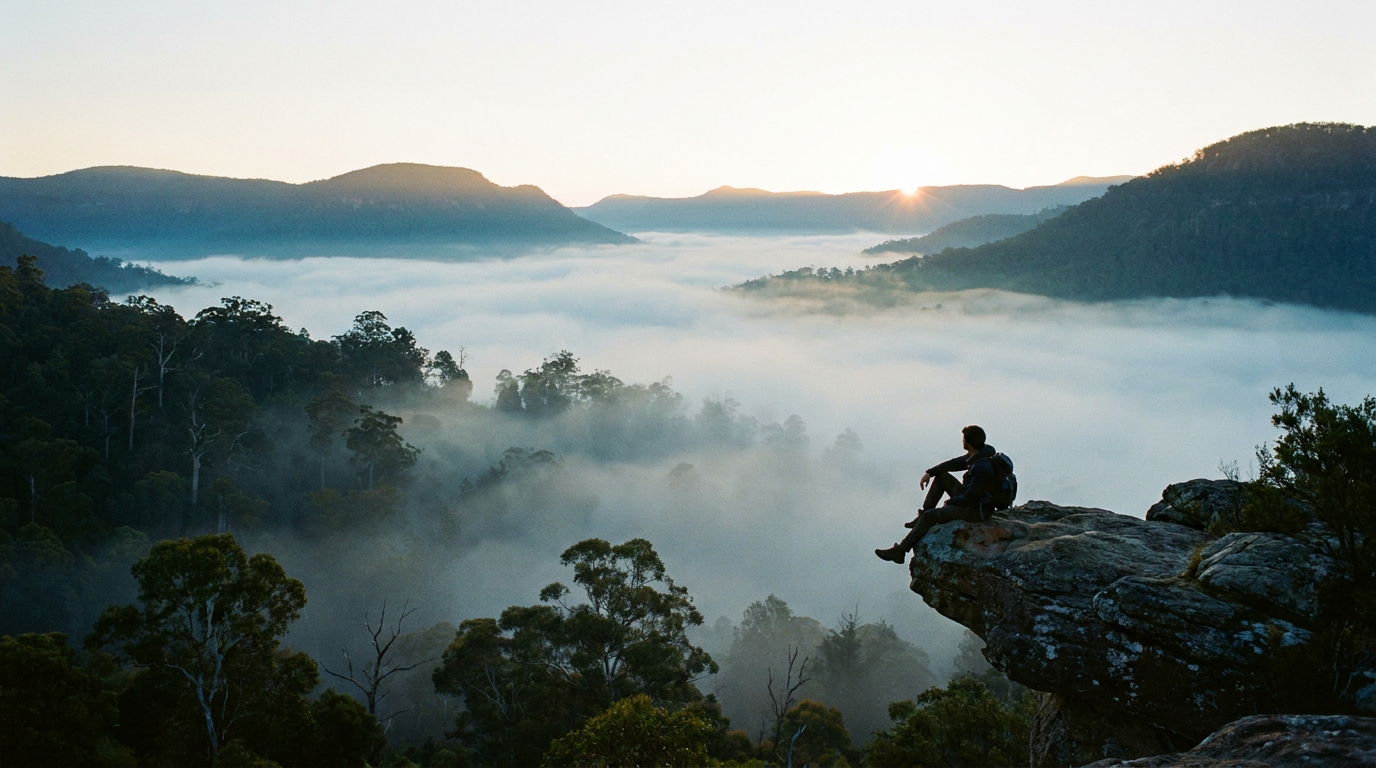
- Acoustic Conservationists
- Advocates who view natural silence as an endangered ecological resource that must be protected.
- The Hospitality Industry
- Hoteliers and travel brands packaging silence as a premium wellness amenity.
- Sustainable Tourism Advocates
- Planners warning about the paradox of marketing quiet destinations to the masses.
What's not represented
- · Local residents in newly popular 'quiet' destinations
- · Aviation and transport operators facing noise regulations
Why this matters
As chronic noise pollution increasingly impacts mental and physical health, the travel industry's shift toward 'acoustic tourism' offers a new blueprint for cognitive recovery and ecological preservation.
Key points
- The travel industry is shifting away from high-stimulation luxury toward 'hushpitality,' prioritizing silence and cognitive rest.
- Over 50% of travelers now cite resting and recharging as their primary motivation for leisure trips.
- Organizations like Quiet Parks International are actively certifying Wilderness and Urban Quiet Parks to protect natural soundscapes.
- Chronic noise pollution is increasingly recognized as a public health hazard, driving the demand for acoustic sanctuaries.
- The trend faces an 'overtourism paradox,' where the popularity of quiet destinations threatens to introduce the very noise travelers seek to escape.
The traditional luxury vacation was historically defined by excess—sprawling pools, high-tech spas, constant entertainment, and on-demand service. But in 2026, the contemporary traveler is reversing the hierarchy of priorities. The ultimate premium amenity is no longer accumulation, but absence. Specifically, the absence of noise.[3]
Welcome to the era of "acoustic tourism" and "hushpitality." Driven by digital burnout, urban noise pollution, and the lingering exhaustion of the modern attention economy, travelers are actively seeking out destinations engineered to reduce cognitive load. According to recent global research by Hilton, the top motivation for leisure travel in 2026 is simply "to rest and recharge," cited by 56% of respondents.[1][3]
This shift is fundamentally redefining the standards of the hospitality sector. Hushpitality moves beyond traditional wellness offerings like massages or yoga retreats; it focuses on behavioral and spatial design. High-end operators are introducing low-decibel architecture, phone-free dining rooms, and service models designed to minimize interruptions.[1][3]
The demand for silence is supported by a growing body of scientific evidence regarding the dangers of noise pollution. Chronic exposure to human-made noise is linked to sleep disturbances, elevated stress hormones, and high blood pressure. Conversely, immersive natural soundscapes—the rustle of leaves, the flow of water, or the calls of local wildlife—have been shown to accelerate psychological recovery and boost mental clarity.[3][5]

At the forefront of this movement is Quiet Parks International (QPI), a non-profit organization dedicated to preserving natural silence for the benefit of both humans and wildlife. Founded by acoustic ecologist Gordon Hempton, QPI operates on the premise that pure natural quiet is an endangered resource that requires active conservation.[2][5]
QPI has established a rigorous certification model to identify and protect these acoustic sanctuaries. The organization's flagship designation is the "Wilderness Quiet Park," awarded to large, pristine areas that offer a healthy balance of bioacoustic activity with noise-free intervals lasting several hours.[2]
The first location to receive this status was the Zabalo River in Ecuador, a remote region owned by the Indigenous Cofán tribe, where the soundscape is entirely devoid of human interruption. Since then, the list has expanded to include the Boundary Waters Canoe Area Wilderness in Minnesota, Glacier National Park in Montana, and, most recently, the NamibRand Nature Reserve in Namibia.[2][5][6]
NamibRand's designation as Africa's first Wilderness Quiet Park underscores a critical element of acoustic tourism: the protection of wildlife. Animals rely heavily on their acoustic environment for survival—to hunt, mate, and evade predators. By preserving these soundscapes, quiet parks serve a dual purpose, offering human visitors a profound sense of peace while safeguarding fragile ecosystems from the disruptive roar of engines and industry.[2][6]

NamibRand's designation as Africa's first Wilderness Quiet Park underscores a critical element of acoustic tourism: the protection of wildlife.
But acoustic tourism is not limited to remote wilderness. Recognizing that most people cannot easily trek into the deep Amazon or the Namib Desert, QPI has also pioneered the concept of "Urban Quiet Parks." These are designated noise-pollution-free spaces located within or near major metropolitan areas.[2]
As of recent counts, there are over a dozen certified urban quiet parks globally, ranging from Hampstead Heath in London to Yangmingshan National Park in Taipei. Yangmingshan, which draws millions of visitors annually, earned its status through deliberate conservation efforts that prioritize "nature quiet" over human-made noise, proving that acoustic sanctuaries can exist even on the edges of densely populated basins.[2][4]
Other naturally quiet destinations are leaning into their geographic advantages. At the summit of Haleakalā National Park in Hawaii, a dormant volcanic crater sitting 10,000 feet above sea level, ambient sound drops so low that visitors often report hearing their own heartbeat. The crater's steep walls act as a natural acoustic barrier, with sound levels occasionally dropping to a nearly imperceptible 10 decibels.[4]
Similarly, regions like the sparsely populated Finnish Lapland and the stark, Mars-like Valle de la Luna in Chile's Atacama Desert are attracting travelers who want to experience the profound stillness of environments largely untouched by human infrastructure.[4]

The economic implications of this trend are significant. By marketing silence as a premium offering, lesser-visited destinations—remote valleys, off-grid islands, and slow-travel towns—can attract high-value tourists without needing to compete on scale or build massive infrastructure. In the hushpitality model, distance from crowds is actively rewarded, making overtourism itself a counter-signal.[1]
However, the rise of quiet travel carries an inherent paradox: the very popularity of these destinations threatens to destroy the silence that makes them valuable. As more tourists flock to acoustic sanctuaries, the influx of human activity inevitably brings noise, trail erosion, and infrastructure strain.[3]
Haleakalā, for instance, has seen its acoustic environment increasingly threatened by helicopter traffic and rising visitor numbers, prompting calls for stricter active protection of its airspace. The challenge for the industry is how to scale a product whose core value is the absence of people.[4]

To travel in an acoustically sustainable way, experts recommend choosing slow transport like trains or cycling, visiting during off-peak hours, and strictly respecting the silence zones designated by local facilities. Technology is also playing a role, with booking platforms beginning to filter accommodations by "quiet ratings" and apps offering real-time noise monitoring.[3]
Ultimately, the shift toward quiet travel reflects a broader cultural reckoning with how we spend our leisure time. The BBC notes that travel in 2026 is less about the distance traveled and more about intentional pauses and meaningful experiences.[7]
As the world grows louder and more algorithmically driven, silence is transitioning from a byproduct of isolation into a highly sought-after luxury. Whether in a soundproofed hotel room or a certified wilderness park, the modern traveler is discovering that sometimes, the most restorative thing to hear is nothing at all.[1][5]
How we got here
2019
Quiet Parks International (QPI) is founded by acoustic ecologist Gordon Hempton to protect natural soundscapes.
April 2020
The Zabalo River in Ecuador is certified as the world's first Wilderness Quiet Park.
June 2024
NamibRand Nature Reserve in Namibia becomes Africa's first certified Wilderness Quiet Park.
2025-2026
Major travel reports from Hilton and Expedia identify 'hushpitality' and quiet travel as dominant industry trends.
Viewpoints in depth
Acoustic Conservationists
Advocates who view natural silence as an endangered ecological resource.
For organizations like Quiet Parks International, the fight for silence is fundamentally about ecological survival, not just human relaxation. They point out that noise pollution severely disrupts wildlife communication, breeding, and predator-prey dynamics. By establishing certified 'Quiet Parks,' these conservationists aim to create legally and culturally protected acoustic sanctuaries, arguing that the right to experience unpolluted natural soundscapes is as vital as clean air or dark skies.
The Hospitality Industry
Hoteliers and travel brands packaging silence as a premium wellness amenity.
The commercial travel sector views the demand for quiet as a highly lucrative market shift. Dubbed 'hushpitality,' this approach allows resorts and destinations to charge premium rates not for adding amenities, but for removing them. Industry leaders emphasize behavioral design—such as phone-free zones, silent dining, and low-decibel architecture—as low-cost, high-value differentiators that directly address the modern traveler's desire for cognitive rest and digital disconnection.
Sustainable Tourism Advocates
Planners warning about the paradox of marketing quiet destinations to the masses.
Sustainable travel experts caution that acoustic tourism carries a self-defeating risk: the 'overtourism paradox.' When a remote, silent destination goes viral, the resulting influx of visitors, transport infrastructure, and commercialization inevitably destroys the very tranquility that made it appealing. These advocates stress the need for strict visitor caps, mandatory slow-transport options, and robust local regulations to ensure that the pursuit of quiet does not inadvertently pave over the world's remaining silent spaces.
What we don't know
- Whether the hospitality industry can successfully scale 'quiet' experiences without inherently destroying the silence through increased foot traffic.
- How aviation and transport regulators will balance the growing demand for acoustic tourism with existing flight paths over protected natural areas.
Key terms
- Hushpitality
- A hospitality trend focusing on behavioral and spatial design to minimize sensory overload, offering quiet as a core premium amenity.
- Acoustic Tourism
- Travel focused on destinations with low levels of human-made noise and preserved natural soundscapes.
- Wilderness Quiet Park
- A certification awarded to large, pristine areas that offer extended periods of pure natural quiet and healthy bioacoustic activity.
- Bioacoustic Activity
- The sounds produced by living organisms in a specific environment, serving as a key indicator of ecological health.
Frequently asked
Is quiet travel the same as a silent retreat?
No. While silent retreats strictly enforce no talking, quiet travel focuses on minimizing human-made noise pollution and prioritizing natural soundscapes, often still allowing normal socializing.
How do organizations measure quiet?
Groups like Quiet Parks International use acoustic monitoring equipment to measure the frequency and duration of noise-free intervals, ensuring human interruptions are minimal.
Can urban areas offer quiet travel?
Yes. Urban Quiet Parks, like Taiwan's Yangmingshan National Park, are designated spaces within or near cities that successfully preserve natural soundscapes despite surrounding urban density.
Why is noise pollution considered harmful?
Chronic exposure to human-made noise is linked to sleep disturbances, elevated stress hormones, high blood pressure, and severe disruptions to wildlife communication and survival.
Sources
Source coverage
7 outlets
3 viewpoints surfaced







[1]Travel Trends TodayThe Hospitality Industry
Silence selling fast: Why Hushpitality is emerging as the next needed trend
Read on Travel Trends Today →[2]Lonely PlanetAcoustic Conservationists
Noise pollution is bad news for everyone
Read on Lonely Planet →[3]Find The SlowSustainable Tourism Advocates
What is quiet tourism (or silent travel) and why is it redefining luxury?
Read on Find The Slow →[4]IslandsSustainable Tourism Advocates
The world's quietest places to experience total silence
Read on Islands →[5]Globe TrenderAcoustic Conservationists
Quiet Parks International is endeavouring to protect silence
Read on Globe Trender →[6]WolwedansAcoustic Conservationists
NamibRand Nature Reserve is Africa's First Quiet Park
Read on Wolwedans →[7]BBCThe Hospitality Industry
Travel in 2026 Shifts Toward Quiet, Slow and Personalised Experiences
Read on BBC →

Every angle. Every day.
Get lifestyle stories with full source coverage and perspective breakdowns delivered to your inbox.