
The End of the Endless Swipe: Why 'Slow Dating' is 2026's Biggest Romance Trend
Exhausted by dating app fatigue, singles in 2026 are embracing 'slow dating' and 'intentional dating'—prioritizing deep conversations, clear boundaries, and offline community connections over high-volume swiping.
By Factlen Editorial Team
- Matchmakers & Coaches
- Advocate for curated introductions, prequalifying matches, and prioritizing quality over quantity to combat burnout.
- Mental Health Professionals
- Focus on the psychological benefits of emotional safety, while warning that 'taking it slow' can sometimes mask commitment-phobia.
- Young Adult Daters
- Prioritize community-based connections, shared values, and firm boundaries against toxic behaviors like ghostlighting.
- Dating App Critics
- Highlight the structural flaws of swipe culture and track how platforms are forced to adapt via behavioral constraints.
What's not represented
- · Dating App Executives
- · Sociologists studying long-term marriage rates
Why this matters
The shift away from gamified dating apps toward intentional, slower-paced connection is fundamentally changing how relationships are formed. For anyone navigating the modern dating pool, understanding these new boundaries and expectations is essential to finding a sustainable partnership and protecting your mental health.
Key points
- Dating app fatigue has reached a tipping point, with 90% of singles under 24 actively seeking offline alternatives.
- 'Slow dating' emphasizes delaying physical intimacy and focusing on deep conversations to build emotional safety.
- Singles are increasingly 'prequalifying' matches by discussing dealbreakers like faith and finances early on.
- 'Community cuffing' is replacing the app swipe, as daters look for organic connections in run clubs and hobby groups.
For much of the last decade, the search for romance was defined by the swipe. The gamification of dating apps turned finding a partner into a high-volume numbers game, characterized by endless scrolling, superficial judgments, and fleeting conversations. But as 2026 unfolds, a profound cultural shift is reshaping modern romance. Exhausted by the relentless pace and emotional toll of digital matchmaking, singles are actively rejecting the chaotic energy of the early 2020s. In its place, a new paradigm has emerged, anchored by two defining philosophies: "slow dating" and "intentional dating."[7][10]
The catalyst for this transformation is a widespread phenomenon known as dating app fatigue, which has finally reached a breaking point. The sheer volume of options has paradoxically made it harder for individuals to form meaningful connections, leading to a cycle of burnout and frustration. Industry data reveals a stark reality: an estimated 90% of singles under the age of 24 are now actively seeking alternatives to traditional dating apps. This exhaustion is not limited to Gen Z; nearly half of all adults report finding the online dating experience more frustrating than enjoyable, prompting a mass exodus toward more deliberate methods of connection.[4][5]
At the forefront of this romantic reset is the concept of slow dating. Rather than juggling multiple conversations and rushing to fill their weekends with first dates, singles are deliberately decelerating the process. Slow dating emphasizes quality over quantity, encouraging individuals to focus on one connection at a time to see if genuine chemistry can develop. It is a conscious rejection of the "whirlwind" romance, replacing the pressure to quickly define a relationship with a measured approach that allows trust and compatibility to build naturally over time.[2][3][10]

In practice, slow dating fundamentally alters the traditional relationship timeline. It often involves multiple dates before deciding on mutual interest, extended periods of conversation before meeting in person, and a deliberate delay in physical intimacy. By removing the pressure of immediate physical escalation, couples are forced to rely on emotional intimacy and intellectual compatibility. This approach has even gained traction in Hollywood, with celebrity matchmakers noting that high-profile individuals are increasingly adopting slow dating to avoid the pitfalls of "situationships" and false starts.[2][6]
The psychological benefits of this decelerated pace are substantial. Research into attachment formation suggests that couples who spend more time engaged in deep conversation before physical escalation report significantly higher relationship satisfaction during their first year together. By prioritizing emotional safety and consistent communication, slow dating helps mitigate the anxiety that often accompanies the early stages of romance. It allows individuals to observe a partner's consistency over time, ensuring that actions align with words before a deeper emotional investment is made.[2][5][7]
Running parallel to the slow dating movement is the rise of "intentional dating." If slow dating dictates the pace, intentional dating defines the purpose. For years, the prevailing dating culture rewarded those who "played it cool," treating emotional availability as a vulnerability. In 2026, that ambiguity has been entirely discarded. Singles are now entering the dating pool with clear direction, openly stating their relationship goals, values, and timelines from the very first interaction.[8][10]
This demand for clarity is reshaping how initial conversations unfold. A recent industry report found that 64% of singles believe emotional honesty and clear intentions are the most critical missing elements in modern dating. To bridge this gap, daters are actively "prequalifying" their matches. Rather than waiting months to discover fundamental incompatibilities, nearly half of singles now raise critical dealbreakers—such as faith, political values, financial habits, and family goals—within the first few dates. This upfront honesty saves time and prevents the emotional devastation of attaching to the wrong person.[1][4][8]
This demand for clarity is reshaping how initial conversations unfold.
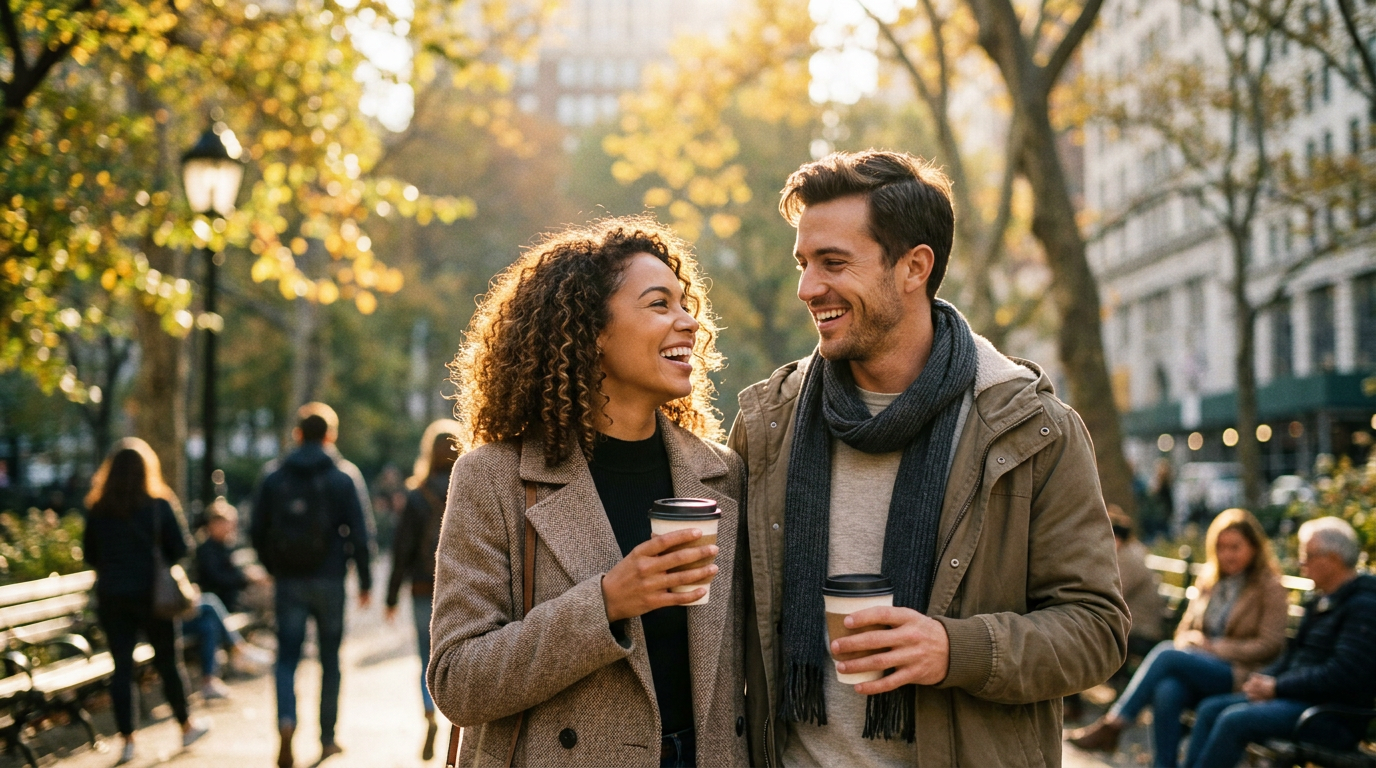
The mechanics of the first date have also evolved to reflect these new priorities, giving rise to the "micro-date." Elaborate, expensive, and time-consuming first dates are increasingly viewed as high-pressure traps. Instead, singles are opting for low-stakes, time-boxed encounters: a 30-minute coffee walk, a quick browse through a local bookstore, or a brief visit to an art gallery. These daylight interactions provide just enough time to gauge baseline chemistry without monopolizing an entire weekend or creating an awkward obligation to linger if the connection falls flat.[8]

As singles step away from their screens, they are increasingly turning to "community cuffing" to find romance. This trend emphasizes meeting potential partners in shared, real-world spaces where mutual interests already exist. Run clubs, volunteer organizations, creative collectives, and hobby-based workshops have become the new hubs for organic connection. By engaging in activities they genuinely enjoy, individuals remove the artificial pressure of a formal date, allowing relationships to spark naturally through shared experiences and consistent proximity.[1][4][9]
For those who still want a curated experience but are entirely done with algorithms, professional matchmaking is experiencing a massive renaissance. Once viewed as a last resort or a luxury reserved for the ultra-wealthy, matchmaking is now seen as a highly efficient alternative to the apps. Singles are increasingly willing to outsource the vetting process to human experts who screen for shared values, emotional readiness, and long-term vision—nuances that a swiping algorithm simply cannot detect.[4][10]
While much of the discourse around intentional dating centers on younger demographics, the shift is truly cross-generational. "Gray dating" has gone mainstream in 2026, with a surge of singles aged 45 to 65 embracing these deliberate strategies. Driven by longer lifespans, financial independence, and a desire for genuine partnership over societal obligation, older singles are bringing a wealth of emotional maturity to the dating pool. For this demographic, lasting companionship and aligned lifestyles heavily outweigh surface-level appeal.[4][6][10]

However, relationship experts caution that the slow dating trend is not without its pitfalls. While it offers genuine healing for those recovering from app burnout or past relational trauma, the terminology can sometimes be weaponized. Therapists warn of "soft dating"—a variation where individuals date without any pressure to lead anywhere specific. While intended to prioritize presence over outcomes, it can easily become a polite label for avoidance and commitment-phobia.[5]
The challenge for modern daters is distinguishing between a partner who is genuinely taking the time to build a solid foundation and one who is simply using the language of "slow dating" to avoid defining the relationship. When slowness is used as a shield against vulnerability rather than a tool for connection, it ceases to be self-care and instead becomes a new form of emotional unavailability.[5]
To combat these lingering toxic behaviors, the vocabulary of dating accountability has expanded. The term "ghostlighting"—where someone disappears without a trace, only to return later acting as if nothing happened—has been formally recognized and aggressively rejected. With over 66% of Black singles reporting having experienced this behavior, daters in 2026 are responding with firm boundaries, requiring sustained behavioral change and genuine apologies before trust can be reestablished.[1]

Even the dating apps themselves are being forced to adapt to this new reality or risk obsolescence. Platforms are pivoting away from endless swiping toward behavioral design constraints. Some apps now limit users to a handful of curated matches per day, while others restrict platform access to just one day a week to create urgency and reduce mindless browsing. Features that prompt users to state their intentions clearly and verify their identities via video are becoming standard, reflecting the market's demand for authenticity.[6][9]
Ultimately, the dating landscape of 2026 represents a maturation of modern romance. The novelty of having thousands of potential partners in one's pocket has worn off, replaced by a deep craving for substance, emotional safety, and shared vision. By embracing intentionality, prequalifying matches, and slowing down the pace of connection, singles are reclaiming their agency. They are proving that while technology can facilitate an introduction, building a lasting relationship still requires the distinctly human elements of time, honesty, and deliberate effort.[7]
How we got here
2020-2021
Pandemic isolation forces a temporary shift toward video dating and slower relationship pacing.
2022-2023
Post-pandemic freedom triggers a dating app boom and a high-volume 'swipe culture'.
2024-2025
Widespread dating app fatigue sets in, with users reporting severe burnout from endless, superficial matches.
2026
Slow dating and intentional dating become the dominant paradigms, prioritizing emotional safety and clear boundaries.
Viewpoints in depth
The Matchmaker's View
Emphasizing curation and prequalification over algorithmic volume.
Professional matchmakers and dating coaches argue that the fundamental flaw of the 2020s dating scene was the illusion of infinite choice. By treating romance as a numbers game, singles inadvertently commodified themselves. This camp advocates for 'prequalifying' matches—having the difficult conversations about faith, finances, and family goals immediately. They argue that true romance isn't found in a spark generated by a witty text, but in the slow burn of shared values and consistent behavior observed over time.
The Therapist's View
Balancing the need for emotional safety with the risk of enabling avoidance.
Mental health professionals largely applaud the shift toward slow dating, noting that delayed physical intimacy and deeper conversations foster secure attachment styles. However, they introduce a critical caveat: the language of 'slow dating' is increasingly being co-opted by individuals with avoidant attachment styles. Therapists warn that 'soft dating'—dating without any pressure to define the relationship—can easily become a socially acceptable cover for commitment-phobia, leaving partners in a state of perpetual uncertainty disguised as self-care.
The Gen Z View
Rejecting digital gamification in favor of organic, community-based connections.
For younger singles, the rejection of dating apps is tied to a broader desire for authenticity and mental well-being. Having grown up with the gamification of social interaction, Gen Z daters are highly sensitive to the manipulative behavioral design of swipe-based platforms. Their solution is 'community cuffing'—embedding themselves in run clubs, volunteer groups, and creative collectives. They argue that seeing how a potential partner interacts with a community provides a far more accurate assessment of their character than a curated digital profile.
What we don't know
- Whether the pivot to slow dating will result in a statistically significant decrease in divorce rates over the next decade.
- How legacy dating apps will financially survive if their core user base permanently shifts toward low-volume, offline interactions.
Key terms
- Slow Dating
- A dating philosophy that emphasizes taking time to build an emotional connection and assess compatibility before rushing into physical intimacy or commitment.
- Intentional Dating
- The practice of being completely upfront about one's relationship goals, values, and dealbreakers from the very first interaction.
- Micro-Dating
- Opting for brief, low-pressure first dates (like a 30-minute coffee) to quickly assess chemistry without a significant time or financial investment.
- Community Cuffing
- Meeting potential romantic partners through shared real-world activities, such as fitness clubs, classes, or volunteer groups.
- Ghostlighting
- A toxic behavior where a person disappears without explanation (ghosting) and later returns acting as if nothing happened (gaslighting).
- Soft Dating
- Dating without the pressure of a specific outcome or label, which can be healing for some but is sometimes used as an excuse to avoid commitment.
Frequently asked
What exactly is 'slow dating'?
Slow dating is a deliberate approach to romance that involves focusing on fewer connections, delaying physical intimacy, and prioritizing deep conversations to build a foundation of trust before committing.
Why are people experiencing dating app fatigue?
Singles are exhausted by the gamification of dating apps, which often leads to endless swiping, superficial judgments, and a high volume of matches that rarely translate into meaningful real-world relationships.
What is a 'micro-date'?
A micro-date is a short, low-stakes first date—such as a 30-minute coffee walk or a quick gallery visit—designed to gauge baseline chemistry without the pressure or time commitment of a traditional dinner date.
What does 'community cuffing' mean?
Community cuffing refers to the trend of finding romantic partners organically through shared, real-world spaces like run clubs, volunteer organizations, or hobby groups, rather than through digital apps.
Sources
Source coverage
10 outlets
4 viewpoints surfaced








[1]EBONY MagazineYoung Adult Daters
Why Gen Z Is Dating Intentionally in 2026
Read on EBONY Magazine →[2]Star MagazineMatchmakers & Coaches
Slow Dating Is The New Celebrity Secret
Read on Star Magazine →[3]FIZZY MAGYoung Adult Daters
Dating Life In 2026: Trends, Challenges, & Opportunities
Read on FIZZY MAG →[4]VIDA SelectMatchmakers & Coaches
10 Proven Alternatives to Online Dating [No More Swiping!]
Read on VIDA Select →[5]Gildas GarrecMental Health Professionals
Soft Dating & Slow Dating: 2026 Trends Decoded by a Therapist
Read on Gildas Garrec →[6]Here We AskDating App Critics
2026 Dating Trends: 15 Shifts Changing How We Find Love
Read on Here We Ask →[7]The Marriage MovementMental Health Professionals
Dating With Intention in 2026: Priorities of Modern Couples
Read on The Marriage Movement →[8]Karina ChapmanDating App Critics
What's Fresh in Dating in 2026
Read on Karina Chapman →[9]Flowith BlogDating App Critics
10 Best Sosiee Alternatives for AI Dating Apps (2026 Comparison)
Read on Flowith Blog →[10]It's Just LunchMatchmakers & Coaches
Dating Trends for 2026: How Singles Are Shifting Toward Intentional Relationship-Focused Dating
Read on It's Just Lunch →

Every angle. Every day.
Get lifestyle stories with full source coverage and perspective breakdowns delivered to your inbox.