
NWSL Shatters Attendance and Valuation Records in Explosive 2026 Season
The National Women's Soccer League's 2026 season has marked a financial and cultural watershed, highlighted by a 63,000-fan attendance record in Denver and a $205 million expansion fee for Columbus. The influx of capital has transformed the league into a global powerhouse capable of luring the world's top talent.
By Factlen Editorial Team
- League Executives & Owners
- Focused on the financial sustainability and skyrocketing valuations of NWSL franchises.
- Players & Advocates
- Emphasizing improved compensation, global transfer power, and investments in player health.
- Global Soccer Analysts
- Observing the NWSL's aggressive moves in the international transfer market and its challenge to European dominance.
What's not represented
- · Grassroots Youth Clubs
- · European Club Directors
Why this matters
The NWSL's explosive 2026 growth proves that women's professional sports are no longer a charitable endeavor or a niche market, but a highly lucrative asset class. This financial and cultural shift is permanently raising the ceiling for female athletes' compensation, global transfer power, and stadium infrastructure.
Key points
- The Denver Summit broke the NWSL attendance record with 63,004 fans at their 2026 home opener.
- Columbus was announced as the league's 18th franchise with a record-shattering $205 million expansion fee.
- The league has attracted global superstars, including Sam Kerr and Catarina Macario, with multi-million dollar contracts.
- The 2026 NWSL Championship will be hosted at Audi Field in Washington, D.C.
- The NWSL partnered with the English WSL to launch Project ACL, focusing on player health and injury prevention.
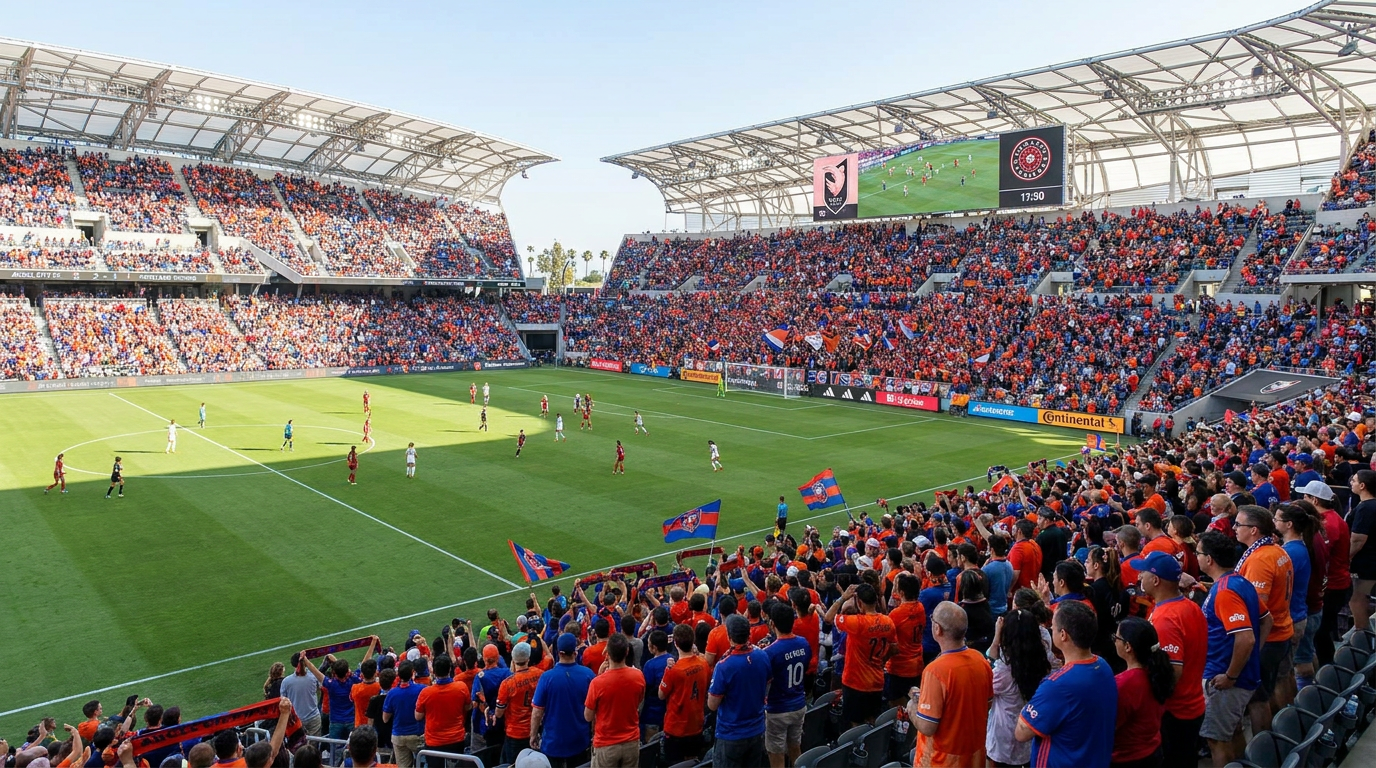
The 2026 National Women's Soccer League (NWSL) season has officially crossed the threshold from steady growth to an outright financial and cultural explosion. In a year marked by unprecedented stadium crowds and staggering franchise valuations, women's club soccer in the United States is rewriting the business playbook for female sports. The tone was set early in the spring when the expansion Denver Summit hosted their inaugural home match at Empower Field at Mile High. Drawing an astonishing 63,004 fans, the Summit obliterated the previous NWSL attendance record, transforming a regular-season debut into a mega-event that rivaled the biggest matches in the men's game.[1][5]
That sea of supporters in Denver was not an isolated anomaly, but the most visible symptom of a league that has fundamentally changed its economic trajectory. Across the country, stadiums are filling up, merchandise is selling out, and the cultural footprint of the NWSL is expanding rapidly. The league's ability to consistently draw tens of thousands of fans to regular-season fixtures signals that women's soccer has firmly moved out of the niche category and into the mainstream American sports diet.[1][5]
The financial metrics behind the scenes are even more staggering than the turnstile counts. In April 2026, the NWSL announced that Columbus, Ohio, would become the league's 18th franchise. The reported expansion fee for the Columbus club was a breathtaking $205 million. To put that figure into perspective, just a few years prior, new ownership groups were buying into the league for as little as $2 million to $5 million. This astronomical leap in franchise valuation underscores a massive influx of institutional capital and celebrity investment into women's sports.[2][6]

The $205 million price tag for Columbus isn't just a number; it is a declaration that NWSL franchises are now blue-chip sports assets. Ownership groups are no longer viewing these teams as passion projects or charitable endeavors, but as highly lucrative investments with massive growth potential. This shift in perception has opened the floodgates for infrastructure development, marketing budgets, and, crucially, player compensation.[2][6]
Armed with newfound financial muscle, NWSL clubs are aggressively challenging European giants in the global transfer market. Historically, the wealthiest European clubs like Chelsea, Barcelona, and Lyon held a distinct advantage in luring top international talent. In 2026, the NWSL flipped the script. The Denver Summit reportedly secured the signature of global superstar Sam Kerr, pulling her away from Chelsea in a move that sent shockwaves through the international soccer community.[1][3]
The arms race did not stop there. United States women's national team standout Catarina Macario made a blockbuster return to American soil, signing a landmark five-year deal with the San Diego Wave. The package, reportedly valued at $8 million including transfer fees and salary, set a new benchmark for compensation in the women's game. These high-profile acquisitions demonstrate that the NWSL is not only retaining its homegrown stars but is now the premier destination for the world's most coveted players.[1][3]
United States women's national team standout Catarina Macario made a blockbuster return to American soil, signing a landmark five-year deal with the San Diego Wave.
The influx of elite talent has elevated the on-field product to unprecedented heights. The 2026 season has featured some of the most competitive and technically brilliant soccer in the league's history. Players like Orlando Pride's Barbra Banda have dazzled fans with prolific goal-scoring runs, while rookies and veterans alike are thriving in a highly tactical, fast-paced environment. The parity across the league means that on any given weekend, the last-place team can upset the league leaders, creating a highly entertaining television product.[5]

Broadcasting and media visibility have evolved in lockstep with the league's on-field quality. The rollout of NWSL+ and lucrative partnerships with major networks have made matches more accessible to a global audience. Fans no longer have to hunt for obscure streams; NWSL games are now marquee weekend programming. This increased visibility is creating a virtuous cycle: higher ratings drive better sponsorship deals, which in turn fund better broadcasts and higher player salaries.[3][5]
The league is also strategically positioning itself to capitalize on the broader soccer pandemonium sweeping the United States in the summer of 2026. With the men's FIFA World Cup taking place across North America, the NWSL is leveraging the heightened national interest in the sport to attract new fans. Marketing campaigns are actively converting casual World Cup viewers into dedicated supporters of their local NWSL clubs, ensuring that the summer's soccer fever translates into long-term growth for the women's game.[1][3]
Beyond the glitz of record-breaking crowds and blockbuster transfers, the NWSL is making critical investments in the long-term health and welfare of its athletes. In a landmark initiative, the league partnered with England's Women's Super League (WSL) to launch Project ACL. This joint medical research program aims to study and combat the epidemic of anterior cruciate ligament injuries that has disproportionately affected female soccer players. By funding dedicated sports science research, the league is taking proactive steps to protect its most valuable assets.[1][4]
Infrastructure development remains a cornerstone of the league's expansion strategy. Clubs are increasingly moving out of shared, oversized football stadiums or inadequate college facilities and into premier, soccer-specific venues. Reflecting this commitment to top-tier facilities, the NWSL announced that the 2026 Championship match will return to Audi Field in Washington, D.C. The state-of-the-art stadium provides the perfect backdrop for the league's crowning event, offering an elite matchday experience for both players and fans.[4]

The cultural impact of the NWSL's 2026 season extends far beyond the pitch. The league has become a powerful platform for equity, social justice, and community engagement. Players are using their elevated profiles to advocate for equal pay, LGBTQ+ rights, and accessible youth sports programs. The clubs themselves are deeply embedded in their local communities, hosting free clinics, supporting local businesses, and creating inclusive environments where all fans feel welcome.[3][5]
Looking ahead, the league has committed to maintaining its spring-to-fall schedule through the 2030 season. While some European leagues operate on a fall-to-spring calendar, the NWSL's decision provides stability for fans, broadcasters, and players. It allows clubs to build consistent matchday traditions during the warmer months and avoids direct competition with the most congested periods of the American sports calendar.[1]
The 2026 NWSL season is a watershed moment that will be studied by sports economists for decades. It is the year the league proved that investing in women's sports is not just the right thing to do, but a highly profitable business strategy. With 63,000 fans packing stadiums, $205 million expansion fees, and the world's best players flocking to American shores, the NWSL has definitively arrived as a global sports powerhouse.[2][3][6]
How we got here
2013
The NWSL launches its inaugural season with eight teams and modest attendance.
2022
Expansion fees begin to climb, reaching $50 million for new franchises.
March 2026
The expansion Denver Summit breaks the all-time attendance record with 63,004 fans.
April 2026
Columbus is announced as the 18th franchise with a record $205 million fee.
June 2026
The league capitalizes on summer soccer momentum, announcing Audi Field as the Championship host.
Viewpoints in depth
League Executives & Owners
Focused on the financial sustainability and skyrocketing valuations of NWSL franchises.
For ownership groups and league officials, the 2026 season validates years of patient investment. The $205 million Columbus expansion fee and the massive crowds in Denver prove that women's soccer is a premium asset class. Executives argue that this influx of capital is essential for building sustainable infrastructure, funding elite academies, and ensuring the league's long-term financial independence from the men's game.
Players & Advocates
Emphasizing improved compensation, global transfer power, and investments in player health.
Players and their union representatives view the league's financial boom as a long-overdue correction. They highlight blockbuster contracts—like Catarina Macario's $8 million deal—as the new baseline for elite talent. Furthermore, advocates stress that true progress isn't just about salaries; it's about initiatives like Project ACL and the push for better travel accommodations, ensuring that the working conditions match the league's soaring revenues.
Global Soccer Analysts
Observing the NWSL's aggressive moves in the international transfer market and its challenge to European dominance.
International pundits are closely watching the NWSL's ability to lure stars like Sam Kerr away from the European Champions League ecosystem. Analysts note that while European clubs have the allure of historic prestige, the NWSL's sheer financial power and highly competitive week-to-week parity make it an increasingly attractive destination. They debate whether this capital advantage will permanently shift the center of gravity in women's club soccer across the Atlantic.
What we don't know
- Whether European clubs will respond with their own massive spending increases to retain top talent.
- How the influx of expansion teams will affect the overall talent pool and parity in the coming years.
- The long-term findings of Project ACL and how they might alter training regimens.
Key terms
- Expansion Fee
- The price paid by a new ownership group to buy into a professional sports league and establish a new franchise.
- Project ACL
- A joint medical research initiative between the NWSL and the English WSL aimed at understanding and preventing knee injuries in female athletes.
- Transfer Fee
- Financial compensation paid by one club to another to secure the playing rights of an athlete under contract.
Frequently asked
Which team holds the NWSL attendance record?
The Denver Summit set the record in March 2026, drawing 63,004 fans to Empower Field at Mile High for their home opener.
How much did the new Columbus franchise cost?
The Columbus ownership group paid a reported $205 million expansion fee to become the league's 18th team.
Where will the 2026 NWSL Championship be held?
The 2026 final will be hosted at Audi Field in Washington, D.C.
What is Project ACL?
It is a joint medical research initiative between the NWSL and the English WSL aimed at understanding and preventing knee injuries in female athletes.
Sources
Source coverage
6 outlets
3 viewpoints surfaced






[1]The GuardianPlayers & Advocates
Denver Summit smash NWSL attendance record with 63,004 fans at Mile High Stadium
Read on The Guardian →[2]ESPNLeague Executives & Owners
NWSL announces Columbus as league's 18th team with record $205M fee
Read on ESPN →[3]The AthleticGlobal Soccer Analysts
How the NWSL's 2026 expansion is reshaping the global women's soccer market
Read on The Athletic →[4]NWSL OfficialLeague Executives & Owners
2026 NWSL Championship to be staged at Audi Field in Washington, D.C.
Read on NWSL Official →[5]CBS SportsGlobal Soccer Analysts
NWSL attendance surges as new stars debut in 2026 season
Read on CBS Sports →[6]ForbesLeague Executives & Owners
The business of women's sports: NWSL valuations skyrocket in 2026
Read on Forbes →

More in sports
See all 9 stories →Women's Sports Biz
The $3 Billion Engine: How Women's Sports Became a Premium Asset Class
0 sources

NBA Finals
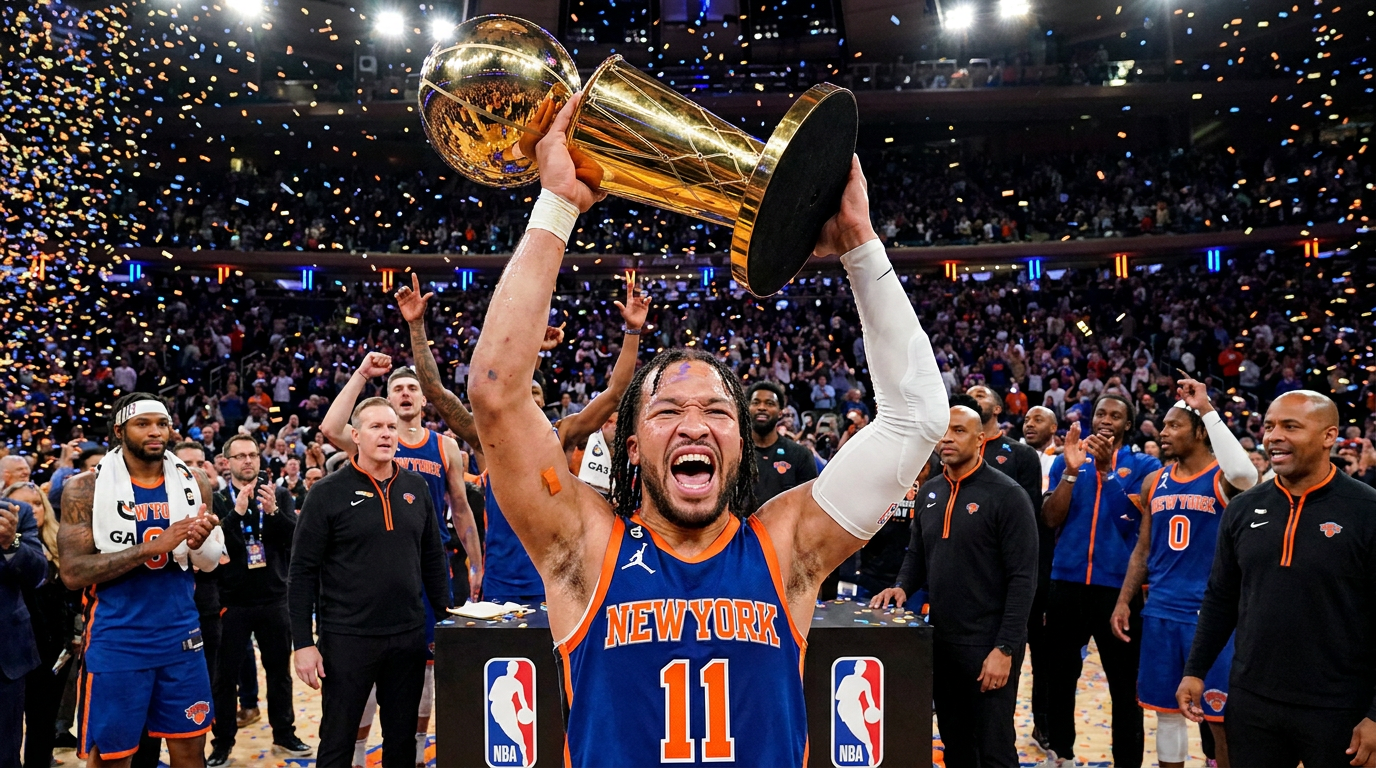
New York Knicks Capture 2026 NBA Championship, Ending 53-Year Title Drought
0 sources
Sports Economics
How Two Rival Leagues Finally Built a Sustainable US Pro Volleyball Ecosystem
0 sources

Transfer Market
Real Madrid Signs Marc Cucurella from Chelsea in £52 Million Deal
0 sources

Every angle. Every day.
Get sports stories with full source coverage and perspective breakdowns delivered to your inbox.