
National Apartment Vacancy Rate Hits Record 7.3% as Supply Surge Forces Rent Declines
A historic wave of multifamily construction has pushed the U.S. rental vacancy rate to its highest level since 2017, handing negotiating power back to tenants through widespread concessions and falling rents.
By Dev Anand

Share this story
In short
- The national apartment vacancy rate reached 7.3% in early 2026, the highest level recorded since 2017.
- A historic surge in multifamily construction, peaking at 584,000 unit completions in 2024, is driving the oversupply.
- Landlords are heavily utilizing rent concessions, with 16.5% of stabilized units offering an average of six weeks free rent.
For the first time in nearly a decade, the United States rental market has decisively tilted in favor of the consumer. The national apartment vacancy rate reached 7.3 percent in the first quarter of 2026, marking the highest level recorded since 2017.[4]
This shift represents a dramatic reversal from the pandemic-era housing crunch, when bidding wars and double-digit rent hikes were the norm. Today, the landscape is defined by 'For Rent' banners, waived security deposits, and landlords actively competing to attract and retain tenants.[1]
The driving force behind this renter-friendly environment is not a sudden collapse in demand, but rather a historic surge in housing supply. To understand how the market reached this inflection point, one must look back to the construction boom that began in 2021 and 2022.[2]
During the height of the pandemic housing frenzy, developers rushed to capitalize on soaring rents by pulling permits for multifamily projects at a record pace. Because large apartment complexes typically take two to three years to build, that massive pipeline of units only recently began opening its doors to residents.[1]
In 2024, apartment completions peaked at roughly 584,000 units—the highest delivery volume since the 1980s. Throughout 2025 and into 2026, these newly minted buildings entered their 'lease-up' phase, a critical period where property managers must quickly fill empty units to satisfy their lenders and investors.[2]
The sheer volume of new inventory hitting the market simultaneously has overwhelmed local demand in many regions. According to the Harvard Joint Center for Housing Studies, this influx of new apartments has fundamentally altered the supply-demand balance, pushing vacancy rates up and forcing property owners to adjust their pricing strategies.[2]
Rather than drastically slashing the 'base rent' or 'asking rent' listed on a lease, property managers are overwhelmingly turning to rent concessions. A concession is a temporary financial incentive—such as a free month of rent, free parking, or a waived application fee—designed to lower the tenant's effective cost without permanently devaluing the property on paper.[1]
The use of these incentives has skyrocketed. Data from RealPage Market Analytics reveals that 16.5 percent of stabilized apartment units nationwide offered concessions in mid-2026. The average discount reached 11.1 percent of the annual lease value, which translates to roughly six weeks of free rent on a standard 12-month contract.[3]
Industry analysts note that operators will likely continue relying heavily on concessions for the rest of 2026 because consumers have come to expect them. Property managers fear that pulling back on incentives will cause prospective renters to simply walk across the street to a newly built competitor offering a better deal.
The impact of this supply wave is not distributed evenly across the country. The most dramatic rent declines are concentrated in the Sun Belt and Mountain West—regions that saw the heaviest volume of new construction over the past five years.[4]
Markets like Austin, Texas, and Denver, Colorado, have become ground zero for the renter's market. In Austin, the vacancy rate recently surpassed 13 percent, driving median asking rents down by more than 7 percent year-over-year. Denver and Charlotte have similarly seen property managers pack inducements into more than 60 percent of all new lease agreements.[4]
Conversely, markets in the Northeast and Midwest, which generally have stricter zoning laws and less available land for sprawling apartment complexes, have seen far less new construction. In cities like Boston and Chicago, vacancy rates remain tighter, and rent growth has flattened rather than fallen.[4]
For renters in high-supply markets, the current environment offers unprecedented negotiating power. Tenants renewing their leases are increasingly successful at asking for flat renewals or demanding the exact same concessions that are being offered to new move-ins.[1]
However, housing economists caution that this golden era for renters may have an expiration date. The same oversupply and softening rents that benefit consumers today have made it difficult for developers to secure financing for future projects.[2]
Consequently, new apartment starts have plummeted. As the current wave of construction is fully absorbed over the next 18 to 24 months, the pipeline of new deliveries is projected to shrink dramatically by 2027 and 2028, which could eventually swing the pendulum back toward landlords.[2]
Until that pipeline tightens, the United States rental market remains firmly in a period of correction. For the millions of households navigating the housing market in 2026, the record 7.3 percent vacancy rate translates into real financial relief, broader choices, and a welcome reprieve from the affordability crisis of the early 2020s.[1]
Key terms
- Vacancy Rate
- The percentage of all available rental units in a specific market that are currently unoccupied and seeking tenants.
- Lease-Up Phase
- The initial period after a new apartment building opens when property managers aggressively market units to reach a stable occupancy level.
- Base Rent
- The official monthly rent price listed on a lease agreement, before any temporary discounts or concessions are applied.
- Sun Belt
- The southern and southwestern region of the United States, which has seen rapid population growth and massive housing construction in recent years.
- Stabilized Unit
- An apartment in a building that has already completed its initial lease-up phase and maintains a normal, steady occupancy rate.
Reader questions
Why are rents dropping if housing is still expensive?
A massive surge in new apartment construction from 2021 and 2022 is finally hitting the market, creating an oversupply in many cities that forces landlords to lower prices to attract tenants.
What is a rent concession?
A concession is a temporary financial incentive, like a free month of rent or waived parking fees, that lowers a tenant's overall cost without the landlord having to permanently reduce the official base rent.
Which cities are seeing the biggest rent drops?
Sun Belt and Mountain West cities like Austin, Denver, and Charlotte are seeing the largest drops because they built the most new apartments. Northeast and Midwest cities remain tighter.
Will rent keep going down forever?
Likely not. Because rents are softening, developers have stopped starting new projects. Once the current oversupply is absorbed by 2027 or 2028, rent growth is expected to resume.
Where opinion splits
Renters & Consumer Advocates
Viewing the supply surge as a necessary correction to the housing affordability crisis.
Consumer advocates celebrate the 7.3 percent vacancy rate as a long-overdue rebalancing of power. After years of bidding wars and double-digit rent hikes, tenants finally have the leverage to negotiate. Advocates argue that the current environment proves that building more housing is the most effective way to lower costs and provide financial relief to cost-burdened households.
Property Developers & Landlords
Navigating margin compression and fierce competition to fill empty units.
For property owners, the current market is a high-stakes battle for occupancy. Landlords are heavily reliant on concessions—giving away weeks of free rent—just to get tenants in the door. Developers are particularly stressed, as the combination of softening rents, high interest rates, and elevated construction costs has made it nearly impossible to finance new projects, forcing many to pause future developments.
Housing Economists
Analyzing the cyclical nature of real estate and the looming pipeline contraction.
Economists view the current renter-friendly market as a temporary phase in the classic real estate cycle. While the 2024-2025 delivery wave is currently suppressing rents, analysts point out that new apartment starts have plummeted. They warn that once the current oversupply is absorbed over the next two years, the lack of new construction will likely lead to another period of tight supply and rising rents by 2028.
- Renters & Consumer Advocates
- Viewing the supply surge as a necessary correction to the housing affordability crisis.
- Property Developers & Landlords
- Navigating margin compression and fierce competition to fill empty units.
- Housing Economists
- Analyzing the cyclical nature of real estate and the looming pipeline contraction.
Perspectives this story doesn't cover
- Existing homeowners who rent out single-family properties and face new competition from luxury apartment concessions.
- Local city planners balancing the need for housing with the economic impact of stalled future developments.
Sources
Source coverage
4 outlets
3 viewpoints surfaced




- [1]Factlen Editorial TeamRenters & Consumer Advocates
Synthesis by Factlen editorial team
Read on Factlen Editorial Team → - [2]Harvard Joint Center for Housing StudiesHousing Economists
America's Rental Housing 2026
Read on Harvard Joint Center for Housing Studies → - [3]RealPage Market AnalyticsProperty Developers & Landlords
Apartment Concessions Hit 25-Year High in Mid-2026
Read on RealPage Market Analytics → - [4]Realtor.comRenters & Consumer Advocates
Rental Report: Renter Conditions Improve Across U.S. Markets
Read on Realtor.com →
More in Real Estate
See all →Housing Supply
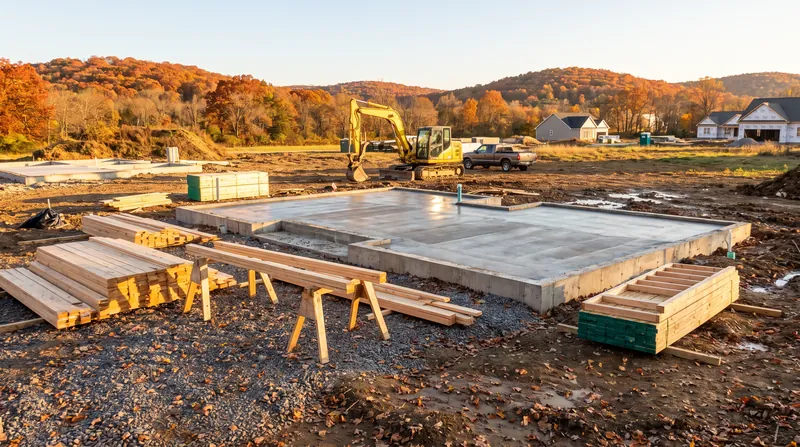
The Rise of Build-to-Rent: How Purpose-Built Subdivisions Are Reshaping the Housing Market
5 sources
Corporate Landlords
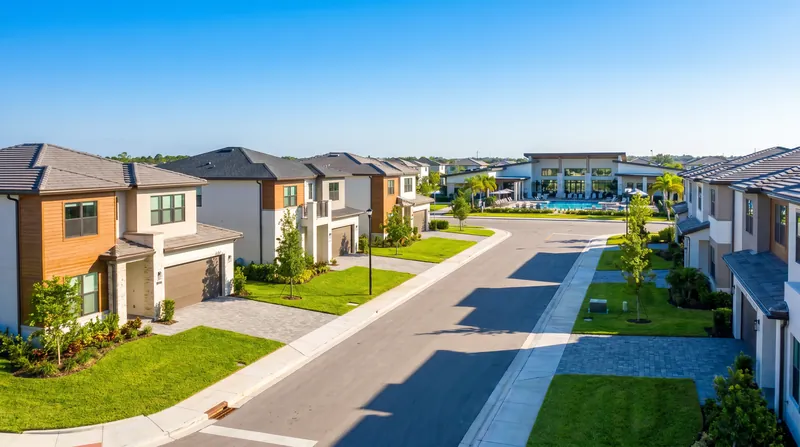
Largest Single-Family Landlord Pivots to Build-to-Rent Strategy Following Federal Investor Cap Law
6 sources
Rent Regulation
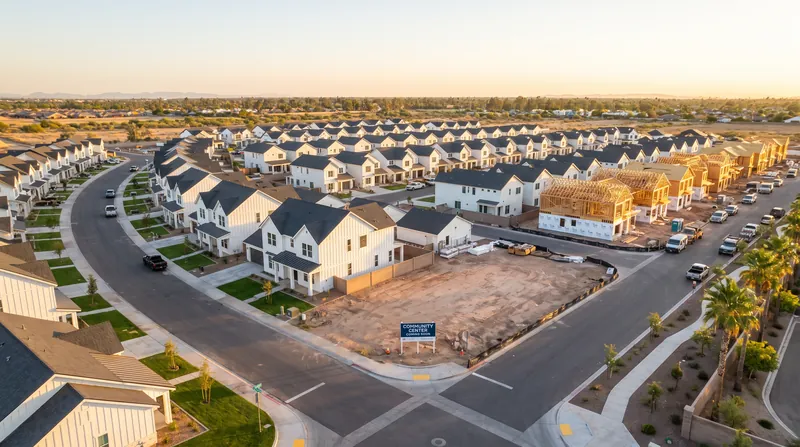
West Coast States Solidify Statewide Rent Caps as Inflation Pushes Allowable Increases Near 9%
9 sources
Single-Family Rentals
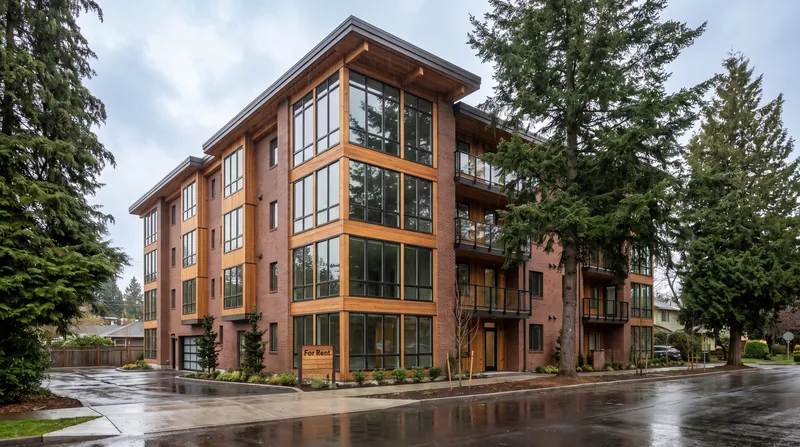
Single-Family Rental Market Reverses: Northeast and Midwest Lead All 50 Metros in Rent Growth
1 sources
Comments
Every angle. Every day.
Get Real Estate stories with full source coverage and perspective breakdowns, free every day.