
FDA Clears First At-Home HPV Self-Collection Kit, Poised to End Underscreening for Cervical Cancer
The FDA has approved the first at-home HPV screening kits, allowing patients to collect their own samples without a speculum exam. The landmark shift aims to close the screening gap responsible for 60% of new cervical cancer cases.
By Factlen Editorial Team
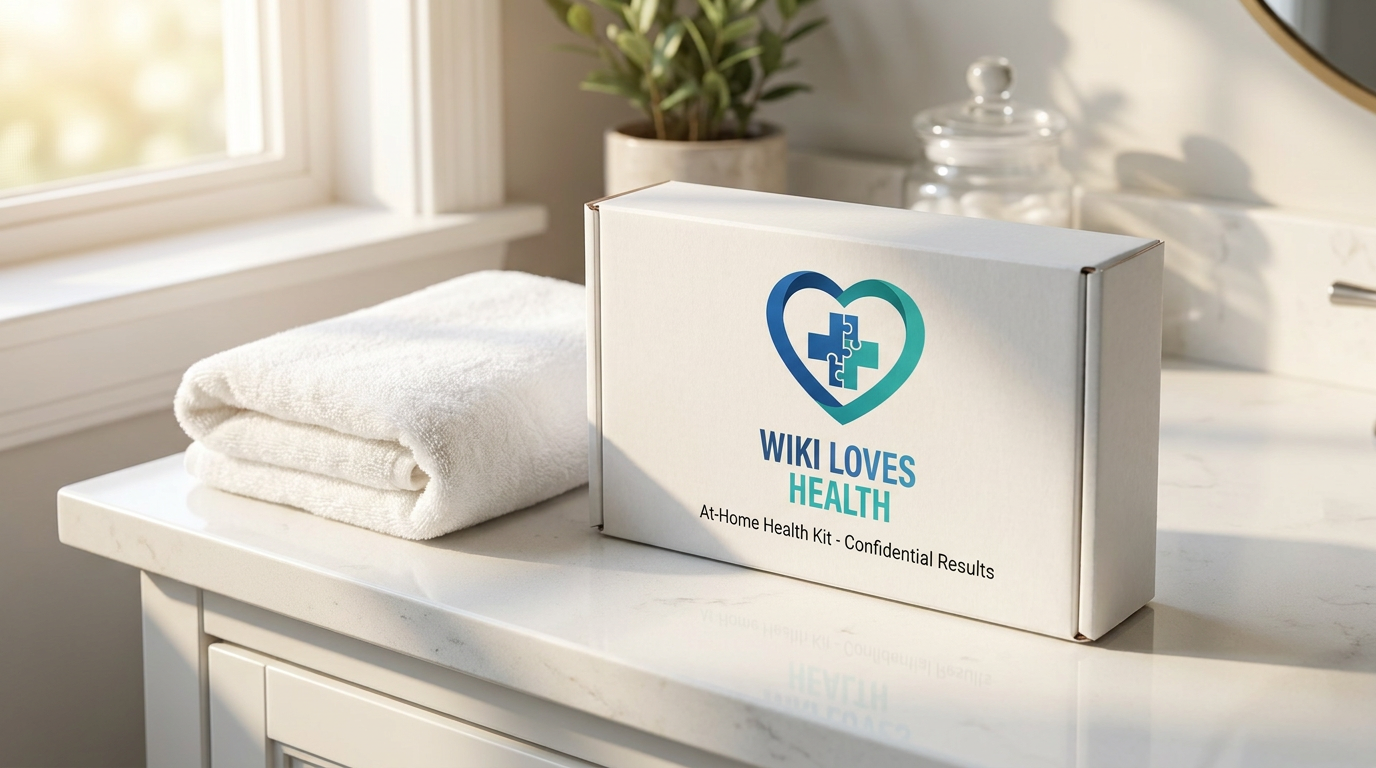
- Public Health Advocates
- Focusing on the potential to close the screening gap and achieve health equity.
- Clinical Gynecologists
- Emphasizing the balance between accessible screening and comprehensive reproductive care.
- Patient Experience Advocates
- Highlighting the removal of physical and psychological barriers to preventative care.
What's not represented
- · Health insurance providers determining coverage tiers for at-home kits
- · Rural healthcare clinics managing follow-up care logistics
Why this matters
By eliminating the need for a speculum exam and a doctor's visit, at-home HPV testing removes the biggest physical and logistical barriers to cervical cancer screening. This shift empowers millions of underscreened individuals to access life-saving preventative care from their own bathrooms.
Key points
- The FDA has cleared the first at-home HPV self-collection kits, allowing patients to screen without a clinical speculum exam.
- Approximately 60% of new cervical cancer diagnoses occur in individuals who are unscreened or underscreened.
- Clinical trials prove self-collected vaginal swabs are as accurate as clinician-collected cervical swabs at detecting high-risk HPV.
- Patients with a positive result will still require an in-person clinical follow-up, such as a colposcopy.
- The kits are not recommended for pregnant individuals or those with a history of cervical precancer.
The speculum has long been the defining, and often dreaded, instrument of cervical cancer screening. For decades, the standard Pap smear required a clinical visit, physical discomfort, and logistical hurdles that kept millions of women away from preventative care.[1]
Now, a landmark regulatory shift is poised to dismantle those barriers. The U.S. Food and Drug Administration (FDA) has cleared the first at-home human papillomavirus (HPV) self-collection kits, allowing individuals to screen for the primary cause of cervical cancer from the privacy of their own bathrooms.[3][5]
The approvals, which include devices like the Teal Wand and the Onclarity HPV Self-Collection Kit, represent a fundamental redesign of gynecological triage. Instead of a clinician scraping cells directly from the cervix, patients can now use a simple swab or tampon-like device to collect vaginal cells themselves.[1][3][5][6]
The stakes for this shift are remarkably high. Cervical cancer is highly preventable when precancerous changes are caught early, yet progress in reducing mortality has stalled in recent years.[1]
Public health data reveals a stark reality: approximately 60% of new cervical cancer diagnoses occur in individuals who are either entirely unscreened or significantly behind on their screening schedules.[3][4]

The reasons for this underscreening epidemic are complex. For many, the traditional speculum exam is a source of physical pain or profound psychological distress, particularly for survivors of sexual trauma or transgender patients.[1][5]
Beyond physical and emotional discomfort, logistical barriers play a massive role. Taking time off work, securing childcare, and arranging transportation for a preventative office visit often push cervical cancer screening to the bottom of a patient's priority list.[5]
The newly cleared at-home kits bypass these hurdles entirely. The mechanism of action relies on the biological behavior of HPV, the virus responsible for more than 95% of cervical cancers.[2][6]
Rather than requiring a direct scrape of the cervical transformation zone—the exact site where precancerous cells develop—the new tests capitalize on the fact that HPV sheds viral DNA into the vaginal canal.[5]
Patients obtain a prescription via a telehealth or in-person consultation, receive the kit in the mail, and perform the collection. The Teal Wand, for example, is inserted high into the vagina until slight resistance is felt, spun to collect cells on a sponge, and then mailed to a laboratory.[5][6]

Patients obtain a prescription via a telehealth or in-person consultation, receive the kit in the mail, and perform the collection.
Inside the lab, the self-collected samples undergo Primary HPV testing using highly sensitive molecular assays, such as the BD Onclarity HPV Assay. These tests specifically hunt for high-risk carcinogenic genotypes, including HPV 16 and HPV 18, which drive the vast majority of malignancies.[3][6]
A critical question during the FDA review process was whether a patient swabbing their own vaginal canal could yield results as accurate as a trained clinician using a speculum.
The clinical data delivered a resounding yes. Major trials, including the Cervical Cancer Last Mile Initiative's SHIP trial and the SELF-CERV study, demonstrated that self-collected vaginal samples are just as accurate at detecting high-risk HPV as clinician-collected cervical samples.[3][5]
If a self-collected test returns a negative result, the patient can safely wait three to five years before their next screening, depending on their age and specific medical history, matching the standard clinical guidelines.[2][6]

However, a positive result for high-risk HPV does not mean a patient has cancer. It simply serves as a highly effective triage mechanism, indicating that the patient requires an in-person follow-up, such as a colposcopy or a traditional Pap smear, to visually inspect the cervix for abnormal cells.[1][6]
While the at-home option is a massive leap forward for accessibility, clinical gynecologists emphasize that it is a targeted tool, not a universal replacement for all reproductive healthcare.[1]
Self-collection tests screen exclusively for HPV. They cannot detect other gynecological conditions, such as pelvic masses, fibroids, or other sexually transmitted infections, which are often identified during a comprehensive pelvic exam.[1][6]
Furthermore, the at-home kits are not recommended for everyone. Individuals who are pregnant, have a history of cervical precancer, are HIV-positive, or are otherwise immunosuppressed still require traditional in-clinic monitoring.[5]

Despite these caveats, the integration of self-collection into routine care is being hailed as a game-changer for health equity. By allowing clinicians to focus their in-office time on patients who actually need follow-up care or treatment, the entire gynecological infrastructure becomes more efficient.[3][4]
How we got here
2006
The first HPV vaccine is introduced, offering a primary prevention tool against the virus.
2020
The American Cancer Society updates guidelines to recommend Primary HPV testing as the preferred screening method.
2024
The FDA begins permitting HPV self-collection strictly within healthcare settings, such as primary care offices.
2026
The FDA clears the first self-collection kits for completely at-home use, removing the clinic requirement.
Viewpoints in depth
Public Health Advocates
Focusing on the potential to close the screening gap and achieve health equity.
For public health officials, the primary value of self-collection is its ability to reach the 'last mile' of patients. With 60% of cervical cancers occurring in those who skip regular screenings, advocates argue that removing the logistical and physical barriers of a clinic visit is the only way to drive down mortality rates. They view the at-home kit not just as a convenience, but as a critical tool for health equity, particularly for low-income, rural, and marginalized populations who face the highest hurdles to traditional care.
Clinical Gynecologists
Emphasizing the balance between accessible screening and comprehensive reproductive care.
While celebrating the innovation, practicing obstetricians and gynecologists caution against viewing the at-home test as a total replacement for the clinic. They stress that a speculum exam allows providers to visually inspect for a wide range of issues beyond HPV, including other STIs, anatomical abnormalities, and pelvic masses. Their goal is to integrate self-collection as a triage tool that brings high-risk patients into the office, without inadvertently encouraging patients to skip their broader reproductive health check-ups.
Patient Experience Advocates
Highlighting the removal of physical and psychological barriers to preventative care.
Patient advocacy groups center their support on the profound relief self-collection offers to those who experience pelvic exams as traumatic or painful. For survivors of sexual assault, transgender men, and individuals with conditions like vaginismus, the speculum has long been a deterrent to life-saving screening. Advocates argue that empowering patients to collect their own samples in a private, comfortable environment fundamentally changes the power dynamic of gynecological care, transforming a dreaded obligation into a manageable routine.
What we don't know
- How quickly major health insurance providers will universally cover the cost of at-home kits without out-of-pocket expenses.
- Whether the availability of at-home testing will inadvertently cause a drop in screenings for other gynecological conditions.
Key terms
- Human Papillomavirus (HPV)
- A common virus that can cause cellular changes in the cervix, responsible for nearly all cervical cancers.
- Speculum
- A medical instrument used by clinicians to gently open the vaginal walls to inspect the cervix.
- Primary HPV Testing
- A screening method that looks directly for the DNA of high-risk HPV strains, rather than looking for abnormal cells first.
- Colposcopy
- A follow-up clinical procedure that uses a magnifying instrument to closely examine the cervix for signs of disease.
- Genotype
- The specific genetic makeup of a virus; in this context, identifying the exact strain of HPV, such as the highly carcinogenic types 16 and 18.
Frequently asked
Does this test replace my annual gynecologist visit?
No. While it screens for HPV, it does not replace a full pelvic exam which checks for other conditions like fibroids, pelvic masses, or other infections.
Is swabbing at home as accurate as a doctor doing it?
Yes. Clinical trials show that self-collected vaginal samples are just as accurate at detecting high-risk HPV as clinician-collected cervical samples.
What happens if my at-home test is positive?
A positive result means you have a high-risk strain of HPV, not necessarily cancer. You will need to schedule an in-person visit for a follow-up exam, such as a colposcopy.
Can anyone use the at-home kit?
It is intended for routine screening. It is not recommended for pregnant individuals, those with a history of cervical precancer, or people who are immunosuppressed.
Sources
Source coverage
6 outlets
3 viewpoints surfaced






[1]Yale MedicineClinical Gynecologists
You can now self-screen for cervical cancer, no speculum needed
Read on Yale Medicine →[2]American Cancer SocietyPatient Experience Advocates
FDA Approves New Option for HPV Self-Collection
Read on American Cancer Society →[3]Cancer NetworkPublic Health Advocates
FDA Clears Onclarity HPV Self-Collection Kit for At-Home Use
Read on Cancer Network →[4]HealioPublic Health Advocates
FDA clears at-home HPV self-collection kit to reduce cervical cancer screening barriers
Read on Healio →[5]National Cervical Cancer CoalitionPatient Experience Advocates
FDA Approves At-Home HPV Self-Collection
Read on National Cervical Cancer Coalition →[6]Jackson Health SystemClinical Gynecologists
FDA Approves Home Kits for HPV and Cervical Cancer Screening: What You Should Know
Read on Jackson Health System →

More in health
See all 5 stories →Bone Health
Real-World Data Shows Semaglutide Lowers Fracture Risk by 15% in Diabetics, Defying Weight Loss Expectations
6 sources

Longevity Regulation
FDA and CMS Open Historic Dialogue on Regulating Aging as a Treatable Condition
6 sources
Dementia Care
FDA Approves First Non-Antipsychotic Drug to Treat Agitation in Alzheimer's Disease
6 sources

Every angle. Every day.
Get health stories with full source coverage and perspective breakdowns delivered to your inbox.