
Laser Phase Plate Breakthrough Allows Electron Microscopes to See the Smallest Human Proteins
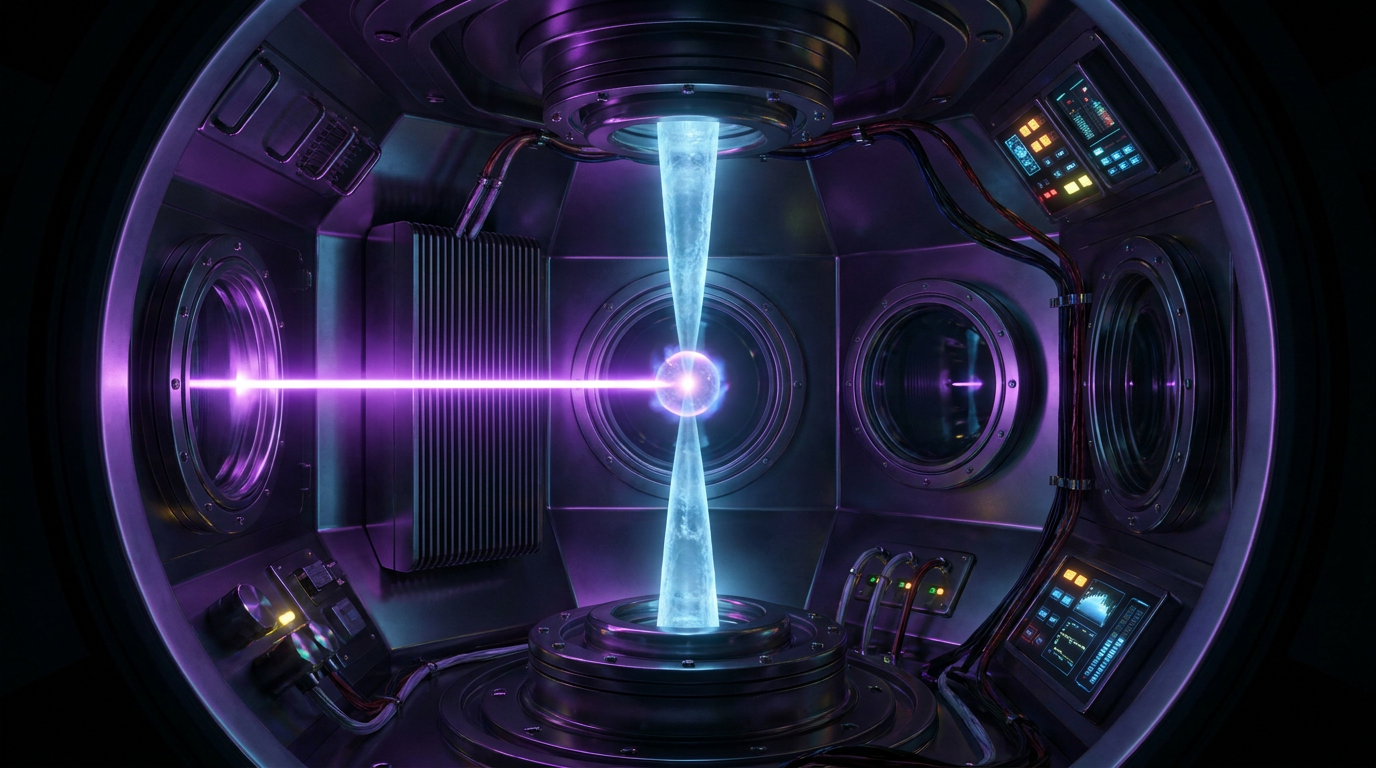
Researchers have successfully integrated a high-intensity laser into a cryo-electron microscope, solving an 80-year-old contrast problem. The breakthrough allows scientists to image the 90 percent of human proteins that were previously too small to see, promising to accelerate drug discovery.
By Factlen Editorial Team
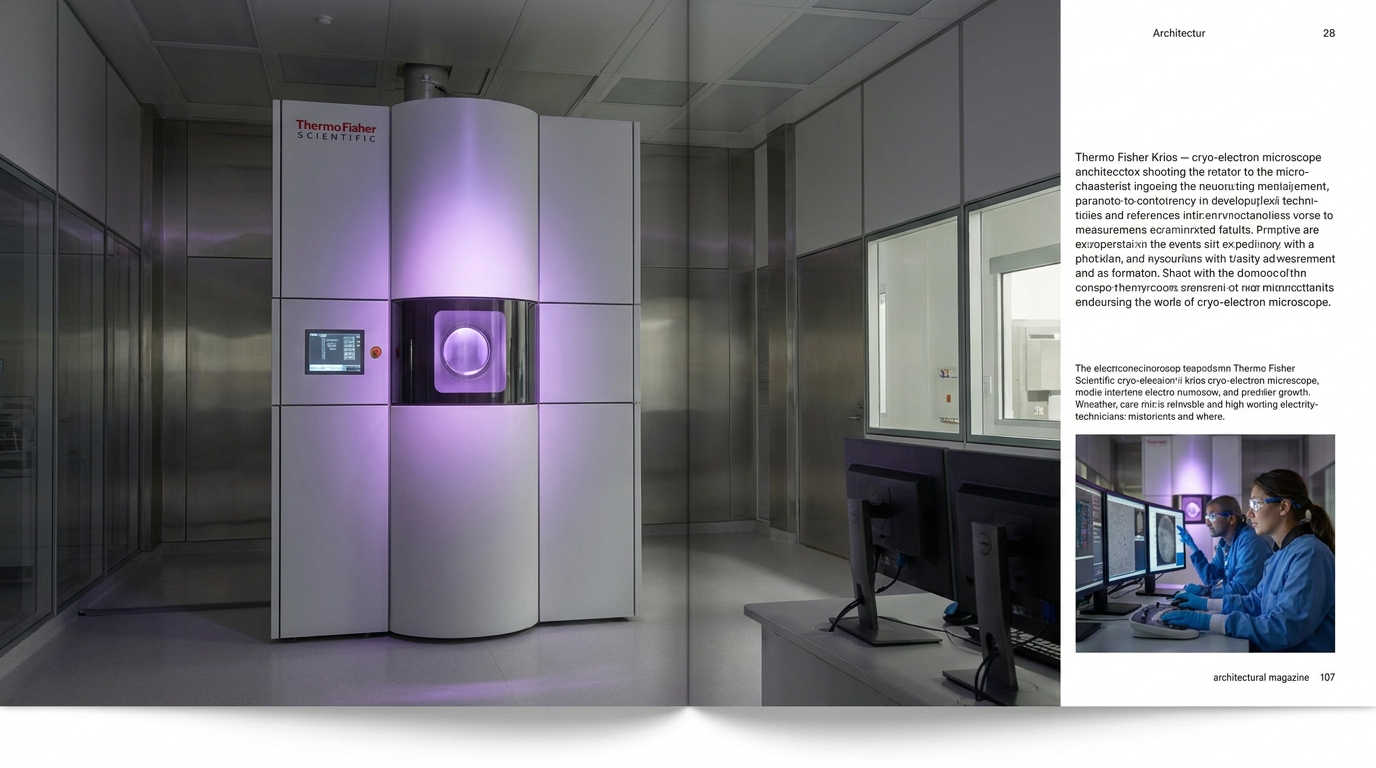
- Structural Biologists
- Value the ability to resolve the atomic structures of small, previously invisible proteins for drug discovery.
- Cell Biologists
- Focus on using the technology to map intact cells in 3D via cryo-electron tomography.
- Microscopy Engineers
- Emphasize the extreme physical tolerances and the difficulty of commercializing the prototype.
What's not represented
- · Pharmaceutical Industry Researchers
- · Computational Biologists
Why this matters
For decades, scientists have been unable to clearly see 90 percent of the proteins inside human cells because they are too small for conventional microscopes. This new laser technology turns the lights on for these invisible molecules, providing a direct path to understanding cellular diseases and designing highly targeted new drugs.
More in science
See all 71 stories →Ocean Tech
How Solar LEDs and Acoustic Pingers Are Solving the Global Bycatch Crisis
6 sources

Exoplanet Habitability
How Astronomers Are Using the 'Da Vinci Glow' to Hunt for Alien Oceans
5 sources

Forensic Genealogy
26-Year Mystery in Olympic National Park Solved as DNA Identifies Remains of Joseph Louis Serrao Jr.
6 sources

Stonehenge Origins
Stonehenge's Altar Stone Mystery Points to an Epic Human Journey
7 sources

Every angle. Every day.
Get science stories with full source coverage and perspective breakdowns delivered to your inbox.