
How Plant-Based Bakuchiol Compares to Retinol in Clinical Anti-Aging Trials
While retinol has long been the gold standard for anti-aging, clinical trials show the plant-based alternative bakuchiol delivers identical results without the harsh irritation. A deep dive into the science, trade-offs, and how to choose the right active for your skin barrier.
By Factlen Editorial Team
- Clinical Traditionalists
- Dermatologists who prioritize decades of longitudinal data and proven efficacy.
- Sensitive Skin Advocates
- Skincare professionals who prioritize skin health, hydration, and avoiding inflammation.
- Integrative Formulators
- Cosmetic chemists exploring the synergistic potential of combining both ingredients.
What's not represented
- · Consumers with severe cystic acne who rely on prescription retinoids.
- · Traditional Ayurvedic practitioners who have used the babchi plant for centuries.
Why this matters
Choosing the wrong active ingredient can severely damage your skin barrier, leading to chronic inflammation and dryness. Understanding the clinical differences between retinol and bakuchiol allows consumers to achieve anti-aging results while maintaining optimal skin health and avoiding unnecessary irritation.
Key points
- A landmark 12-week study found bakuchiol and retinol equally effective at reducing wrinkles and hyperpigmentation.
- Retinol users reported significant scaling and stinging, while bakuchiol users experienced no increased irritation.
- Bakuchiol does not increase sun sensitivity, allowing for safe application during both morning and evening routines.
- Unlike retinol, bakuchiol is widely considered safe for use during pregnancy and breastfeeding.
- Retinol remains the most evidence-backed option for severe photoaging, backed by over forty years of clinical data.
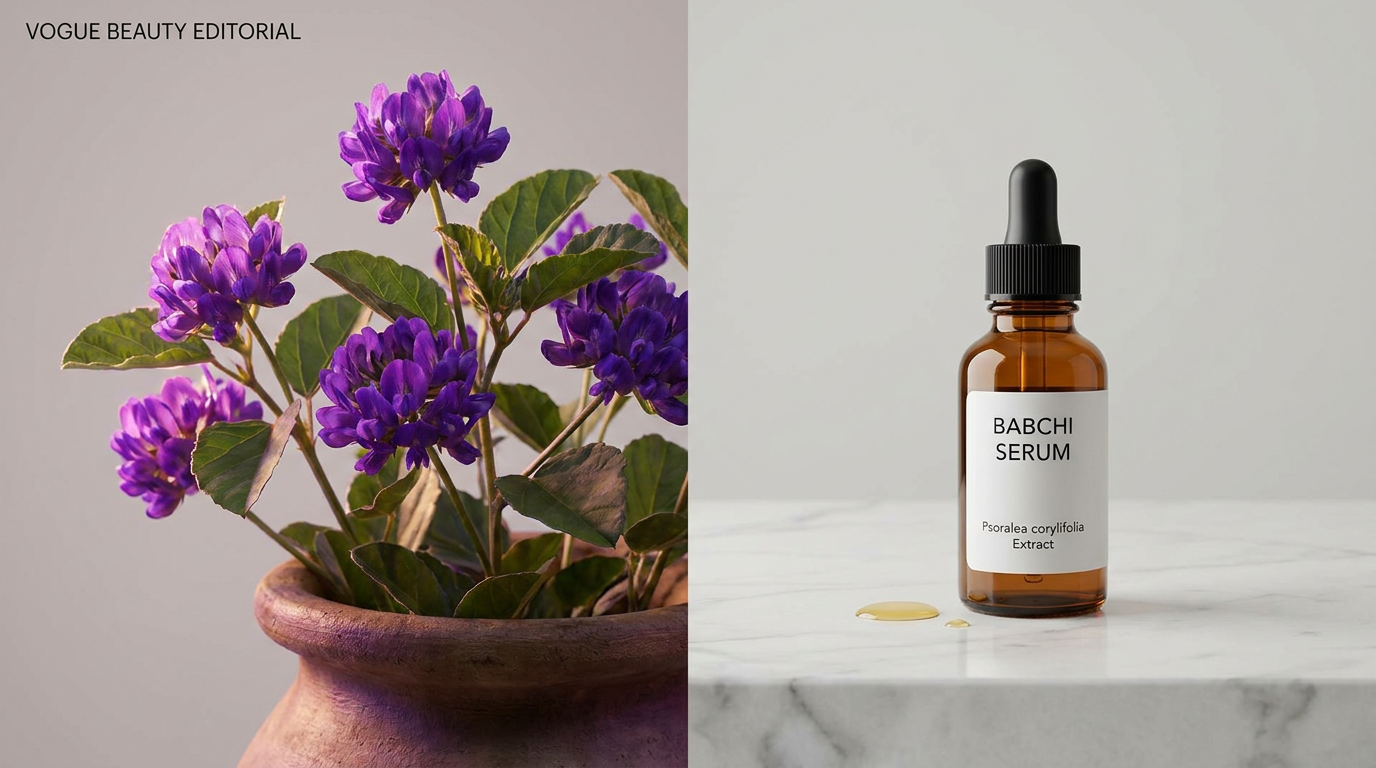
The pursuit of youthful, resilient skin has long been dominated by a single, undisputed heavyweight: retinol. For decades, dermatologists have prescribed this vitamin A derivative to accelerate cell turnover, stimulate collagen, and reverse photoaging. Yet, this gold standard comes with a notorious entry fee known as the 'retinol uglies'—a period of redness, peeling, and stinging that many complexions simply cannot tolerate. In recent years, a botanical challenger has emerged from traditional Ayurvedic medicine, promising the same transformative results without the collateral damage. Bakuchiol, extracted from the seeds of the babchi plant, has rapidly transitioned from a niche clean-beauty trend to a clinically validated active. As consumers increasingly prioritize skin barrier health alongside anti-aging efficacy, the debate between these two powerhouse ingredients has become the most pressing question in modern skincare formulation.[1][7]
To understand the comparison, one must first examine the established champion. Retinol belongs to the retinoid family, a class of compounds that must convert into retinoic acid within the skin to become active. Once converted, it binds to specific cellular receptors, effectively instructing older, sluggish skin cells to behave like younger ones. This process dramatically accelerates epidermal turnover, shedding hyperpigmented surface cells while simultaneously diving into the dermis to upregulate the production of type I collagen. The clinical evidence supporting retinol is mountainous; decades of peer-reviewed studies confirm its ability to smooth deep wrinkles, clear severe acne, and reverse sun damage. It is a brute-force mechanism that delivers undeniable, visible resurfacing.[4][6]
However, retinol’s aggressive cellular communication is precisely what makes it problematic for a significant portion of the population. The accelerated shedding often outpaces the skin's ability to repair its lipid barrier, leading to transepidermal water loss, severe dryness, and heightened inflammation. Furthermore, retinol degrades under UV light and makes the skin highly photosensitive, restricting its application strictly to nighttime routines and necessitating vigilant daytime sun protection. For individuals with rosacea, eczema, or chronically sensitive skin, the inflammatory cost of retinol often outweighs its anti-aging benefits. Additionally, systemic absorption risks mean that all retinoids are strictly contraindicated during pregnancy and breastfeeding, leaving a massive demographic searching for a viable alternative.[1][4]
Enter bakuchiol, a meroterpene phenol that bears absolutely no structural resemblance to vitamin A. Despite its chemical differences, researchers discovered that bakuchiol acts as a functional analogue to retinol. When applied topically, it binds to the same genetic receptors in the skin, triggering the exact same pathways that stimulate collagen production and regulate melanin synthesis. It essentially tricks the skin into initiating the anti-aging processes normally reserved for retinoids, but it does so through a fundamentally different, non-inflammatory mechanism. This discovery shifted bakuchiol from a mere botanical curiosity to a serious dermatological contender, prompting researchers to put the two ingredients head-to-head in clinical settings.[2][3]

The turning point in the retinol versus bakuchiol debate arrived with a landmark double-blind clinical trial published in the British Journal of Dermatology. Researchers recruited 44 participants with visible facial photodamage and divided them into two groups for a 12-week study. One cohort applied a 0.5 percent bakuchiol cream twice daily, while the other applied a 0.5 percent retinol cream once daily. The study utilized highly precise measurement techniques, including silicone replicas for wrinkle depth analysis and advanced colorimetry to track pigmentation changes. The dermatological community watched closely, expecting the synthetic gold standard to easily outperform the plant-based newcomer.[1][5]
The turning point in the retinol versus bakuchiol debate arrived with a landmark double-blind clinical trial published in the British Journal of Dermatology.
The results of the 12-week trial fundamentally disrupted established skincare dogma. Both the retinol and bakuchiol groups demonstrated statistically significant improvements in fine lines, wrinkle depth, elasticity, and hyperpigmentation. Crucially, the researchers noted that there was no statistically significant difference in anti-aging efficacy between the two ingredients. Bakuchiol matched retinol's performance metric for metric. However, the tolerability profiles diverged dramatically. The retinol cohort reported significantly higher instances of facial scaling, stinging, and redness. In stark contrast, the bakuchiol group reported zero instances of increased irritation, proving that profound cellular rejuvenation does not inherently require barrier disruption.[1][5]
Subsequent research has only bolstered bakuchiol’s clinical resume. A 2020 study published in the International Journal of Cosmetic Science confirmed that bakuchiol successfully increases the expression of collagen I and collagen IV, while also boosting aquaporin-3, a vital protein involved in maintaining skin hydration. Unlike retinol, which inherently dries the skin, bakuchiol actively supports moisture retention. A separate clinical evaluation found that a bakuchiol-based moisturizer increased overall skin moisture by 16 percent while improving clarity and smoothness. Furthermore, bakuchiol possesses intrinsic antioxidant and antibacterial properties, offering additional protection against environmental free radicals and acne-causing bacteria without the photosensitizing effects of vitamin A.[3][4]

When analyzing the trade-offs, the case for retinol centers on its unparalleled volume of longitudinal data and sheer potency. The evidence supporting retinol spans over forty years, encompassing thousands of studies across diverse demographics and skin conditions. For advanced photoaging, deep-set wrinkles, and severe textural irregularities, retinol remains the most reliable, heavy-hitting intervention available without a prescription. Its conversion to retinoic acid ensures a profound, structural remodeling of the dermis that bakuchiol, for all its benefits, may take much longer to achieve. The primary argument against retinol is its high barrier to entry; it requires a meticulous titration process, careful pairing with barrier-supporting lipids, and absolute dedication to sun avoidance.[4][5]
Conversely, the case for bakuchiol is built on its supreme tolerability and ease of use. It requires no adjustment period, causes no scaling, and can be applied both morning and night without increasing UV sensitivity. Its gentle nature makes it an ideal candidate for layering with other active ingredients, such as vitamin C or niacinamide, which would typically cause a chemical clash when paired with retinol. Most importantly, bakuchiol is widely considered safe for use during pregnancy and breastfeeding, filling a critical gap in prenatal skincare. The primary argument against bakuchiol is simply the youth of its clinical data. While the existing studies are highly promising, the ingredient lacks the decades of long-term, large-scale epidemiological evidence that cements retinol's status.[1][6]
Ultimately, choosing between these two ingredients requires a realistic assessment of individual skin resilience and lifestyle factors. Retinol fits exceptionally well for experienced skincare users who have already built up a tolerance to active ingredients. It is the optimal choice for individuals battling persistent, stubborn hyperpigmentation, severe acne scarring, or advanced signs of aging, provided their skin barrier is fundamentally healthy and intact. Retinol does not fit well for anyone suffering from chronic inflammatory conditions like rosacea or eczema, nor is it suitable for those who work outdoors or struggle to maintain a rigorous daily sunscreen habit.[5][7]

Bakuchiol fits perfectly for individuals with highly reactive, sensitive, or dry skin who have previously failed to tolerate retinoids. It is the definitive choice for pregnant or nursing mothers who wish to maintain their anti-aging routines without systemic risks. It also serves as an excellent entry-level active for younger demographics looking to initiate preventative collagen stimulation without enduring the retinol uglies. Bakuchiol does not fit well for patients seeking rapid, aggressive resurfacing for severe sun damage, as its mechanism of action, while effective, tends to yield more gradual, cumulative results over an extended period.[1][6]
Interestingly, the future of dermatological formulation may not require consumers to choose sides at all. Integrative skincare chemists are increasingly exploring the synergistic potential of combining both ingredients into a single protocol. Because bakuchiol possesses potent anti-inflammatory and antioxidant properties, applying it alongside a low-dose retinol can actually help mitigate the retinoid-induced irritation while amplifying the overall collagen-stimulating effects. Whether used in tandem or selected based on specific barrier needs, the emergence of bakuchiol ensures that effective, evidence-based anti-aging is no longer restricted to those who can endure the sting.[5][7]
How we got here
1971
Tretinoin (retinoic acid) is approved by the FDA, establishing retinoids as the gold standard in dermatology.
2014
The International Journal of Cosmetic Science publishes the first major study identifying bakuchiol as a functional analogue to retinol.
2018
The British Journal of Dermatology publishes a landmark 12-week double-blind trial proving bakuchiol's equal efficacy to retinol.
2022
A comprehensive meta-analysis confirms bakuchiol's anti-aging properties, cementing its status in mainstream skincare formulation.
Viewpoints in depth
Clinical Traditionalists
Dermatologists who prioritize decades of longitudinal data and proven efficacy.
This camp argues that while bakuchiol is promising, retinol remains the undisputed gold standard due to the sheer volume of peer-reviewed evidence supporting it. They point out that retinoids have been studied for over forty years, with proven efficacy not just in anti-aging, but in treating severe acne and precancerous lesions. For these practitioners, the temporary irritation of the 'retinol uglies' is a worthwhile trade-off for guaranteed, profound structural remodeling of the dermis.
Barrier-Focused Estheticians
Skincare professionals who prioritize skin health, hydration, and avoiding inflammation.
This perspective argues that aggressive cell turnover is counterproductive if it chronically impairs the skin's lipid barrier. They champion bakuchiol because it delivers collagen stimulation without triggering the inflammatory cascade that leads to transepidermal water loss. In their view, a consistent, gentle routine with bakuchiol yields better long-term results than a start-and-stop relationship with retinol caused by repeated irritation and peeling.
Integrative Formulators
Cosmetic chemists exploring the synergistic potential of combining both ingredients.
Rather than treating the ingredients as mutually exclusive, integrative formulators focus on how they can complement each other. They highlight that bakuchiol's natural antioxidant and anti-inflammatory properties can actually soothe the skin, making it easier to tolerate low doses of retinol. This camp advocates for blended formulations that harness the heavy-hitting power of vitamin A while using bakuchiol to buffer the side effects and provide additional environmental protection.
What we don't know
- Whether bakuchiol can match prescription-strength retinoids (like tretinoin) in treating severe, cystic acne.
- The long-term, multi-decade epidemiological effects of daily bakuchiol use, which are well-documented for retinol.
Key terms
- Retinoid
- A class of chemical compounds derived from vitamin A, used in skincare to promote rapid cell turnover and collagen production.
- Bakuchiol
- A plant-derived compound extracted from the babchi plant that functions as a non-irritating alternative to retinol.
- Photoaging
- Premature aging of the skin, including wrinkles and dark spots, caused by repeated exposure to ultraviolet radiation.
- Transepidermal Water Loss (TEWL)
- The process by which water passively evaporates through the skin barrier into the external environment, often exacerbated by harsh actives.
- Fibroblast
- A type of biological cell located in the dermis that synthesizes collagen and the extracellular matrix.
Frequently asked
Can I use bakuchiol if I am pregnant?
Yes. Unlike retinoids, which carry systemic absorption risks and are strictly contraindicated during pregnancy, bakuchiol is widely considered safe for expectant and nursing mothers.
Do I still need to wear sunscreen with bakuchiol?
Yes. While bakuchiol does not make your skin more sensitive to the sun like retinol does, daily sunscreen is still essential to protect the skin from further photoaging and UV damage.
Can I use retinol and bakuchiol together?
Yes. Many modern skincare formulations combine the two ingredients, as bakuchiol's anti-inflammatory properties can help soothe the skin and improve tolerance to retinol.
How long does it take to see results?
Clinical trials indicate that it takes approximately 8 to 12 weeks of consistent, daily use to see significant improvements in fine lines and hyperpigmentation with either ingredient.
Sources
Source coverage
7 outlets
3 viewpoints surfaced







[1]Women's HealthClinical Traditionalists
Retinol vs. Bakuchiol: Benefits, Risks, and Which to Choose
Read on Women's Health →[2]PubMedIntegrative Formulators
Applications of bakuchiol in dermatology: Systematic review of the literature
Read on PubMed →[3]Our Dermatology OnlineIntegrative Formulators
Redefining skin health: The potential of plant-based bakuchiol as a sustainable substitute for retinoids
Read on Our Dermatology Online →[4]SkinularityClinical Traditionalists
Retinol vs. Bakuchiol: Which Anti-Aging Active Is Right for Your Skin?
Read on Skinularity →[5]Beauty & Pharma DermaceuticalsSensitive Skin Advocates
Retinol vs Bakuchiol: The Complete Comparison
Read on Beauty & Pharma Dermaceuticals →[6]Eternal DermatologySensitive Skin Advocates
Bakuchiol: The Natural Retinol Alternative
Read on Eternal Dermatology →[7]Factlen Editorial TeamIntegrative Formulators
Synthesis by Factlen editorial team
Read on Factlen Editorial Team →
Every angle. Every day.
Get shopping stories with full source coverage and perspective breakdowns delivered to your inbox.