
Gaming Accessibility Reaches Historic Milestone as Nintendo Joins Summer Game Fest Showcase
The 2026 Access-Ability Summer Showcase marked a turning point for the industry, featuring Nintendo Switch 2 titles for the first time and cementing standardized accessibility tags across major platforms.
By Factlen Editorial Team
- Disabled Gamers & Advocates
- Advocates emphasize that upfront transparency about accessibility features is essential for consumer confidence.
- Platform Holders & Publishers
- Major publishers view accessibility as both a moral imperative and a massive market opportunity.
- Independent Developers
- Indie studios stress that accessibility must be baked into the game engine from day one.
What's not represented
- · Retailers managing physical game boxes and how they will display the new tags
- · Esports organizers adapting tournament rules for adaptive controllers
Why this matters
For the estimated 429 million players worldwide with a disability, standardized accessibility tags and universal console support mean the end of buying games that are physically unplayable. This shift ensures that gaming—a massive cultural touchstone—is finally open to everyone.
Key points
- The 2026 Access-Ability Summer Showcase featured Nintendo Switch 2 games for the first time.
- The ESA's Accessible Games Initiative has standardized 24 accessibility tags across major digital storefronts.
- Xbox is replacing its proprietary accessibility tags with the new universal ESA standards.
- Over 429 million players worldwide live with some form of disability.
- Standardized tags allow players to confirm a game's playability before purchasing.
The 2026 Access-Ability Summer Showcase opened this year's Summer Game Fest with a quiet but historic milestone that signals a permanent shift in the video game industry. For the first time since the event's inception, Nintendo's upcoming hardware—the highly anticipated Switch 2—was explicitly featured as a target platform for games built with deep accessibility in mind. Broadcast to a global audience ahead of the main Dolby Theatre event, the showcase served as a stark reminder that accessibility is no longer a niche consideration reserved for post-launch patches. Instead, it has become a foundational pillar of modern game development, with the industry's biggest players finally aligning to ensure that the joy of interactive entertainment is universally available to all players, regardless of their physical or cognitive abilities.[1][6]
The 52-minute broadcast, hosted by accessibility consultant and game critic Laura Kate Dale, operates on a fundamentally different premise than traditional marketing showcases. Rather than focusing solely on cinematic trailers and release dates, the event features a curated lineup of games where developers detail their exact accessibility settings and design choices. The editorial frame is highly practical: disabled players should not have to ride the wave of pre-release hype only to discover on launch day that a game is physically unplayable for them. By confirming features like colorblind modes, input remapping, and audio descriptions upfront, the showcase functions as a vital consumer filter, allowing players to make informed purchasing decisions with absolute confidence.[1][7]
The most significant revelation of the 2026 showcase was the meaningful presence of Nintendo Switch 2 titles, which marks a dramatic turning point for the notoriously insular Japanese publisher. Historically, Nintendo has lagged far behind its competitors in this space; the company rarely highlighted accessibility features in its first-party titles and was previously described by advocates as uncooperative with third-party adaptive controller modifications. While Xbox and PlayStation spent the last several years developing dedicated adaptive hardware and championing inclusive design, Nintendo's ecosystem often left players with motor control issues out in the cold. The inclusion of Switch 2 games in a disability-led showcase signals that accessibility-minded development is finally reaching one of the year's highest-profile new platforms.[1][5]

The games highlighted during the broadcast demonstrated how granular and thoughtful these features have become. Action-RPGs like Kernel Hearts and puzzle-platformers like Colorbound were showcased with extensive accessibility suites, including full support for one-handed play, completely remappable controls regardless of the input device, and toggles for visual effects like motion blur and screen shake. These features were explicitly confirmed for the Switch 2, alongside PC, PlayStation, and Xbox releases. By building these options into the core engine rather than tacking them on later, developers are ensuring that players with limited mobility can engage with fast-paced, mechanically demanding genres without hitting artificial barriers.[2]
Independent developers are also proving that robust accessibility does not require a massive AAA budget or a sprawling studio infrastructure. Titles like An Unplayable Game—a puzzle-platformer specifically designed to interrogate the concept of accessibility—are being built from the ground up to accommodate players who typically struggle with the strict dexterity and timing requirements of the genre. By offering mouse-only single-button controls, adjustable game speeds, and the removal of held-key requirements, these indie studios are demonstrating that inclusive design is primarily a matter of creative problem-solving rather than raw financial resources.[2][7]
Independent developers are also proving that robust accessibility does not require a massive AAA budget or a sprawling studio infrastructure.
This wave of inclusive game design arrives as the broader industry coalesces around the Entertainment Software Association's (ESA) Accessible Games Initiative, a landmark effort to standardize how accessibility is communicated to consumers. Launched with the backing of major publishers including Nintendo, Sony, Microsoft, EA, and Ubisoft, the initiative aims to eliminate the guesswork from buying digital games. Prior to this effort, players had no consistent language or centralized database to determine if a game supported their specific needs, often relying on fragmented community forums or post-launch reviews to find out if a title featured basic options like narrated menus or color alternatives.[3]
The Accessible Games Initiative tackles this problem by implementing a standardized set of 24 accessibility tags across digital storefronts and product pages. These tags are divided into four primary categories: auditory, gameplay, input, and visual. The system is designed to be highly specific; for example, it differentiates between a "Basic Input Remapping" tag—which indicates that only standard buttons can be reconfigured—and a "Full Input Remapping" tag, which guarantees that players can swap joystick functionality and complex control macros. By establishing a universal lexicon, the ESA is providing a clear, reliable roadmap for consumers navigating the increasingly complex digital marketplace.[3]

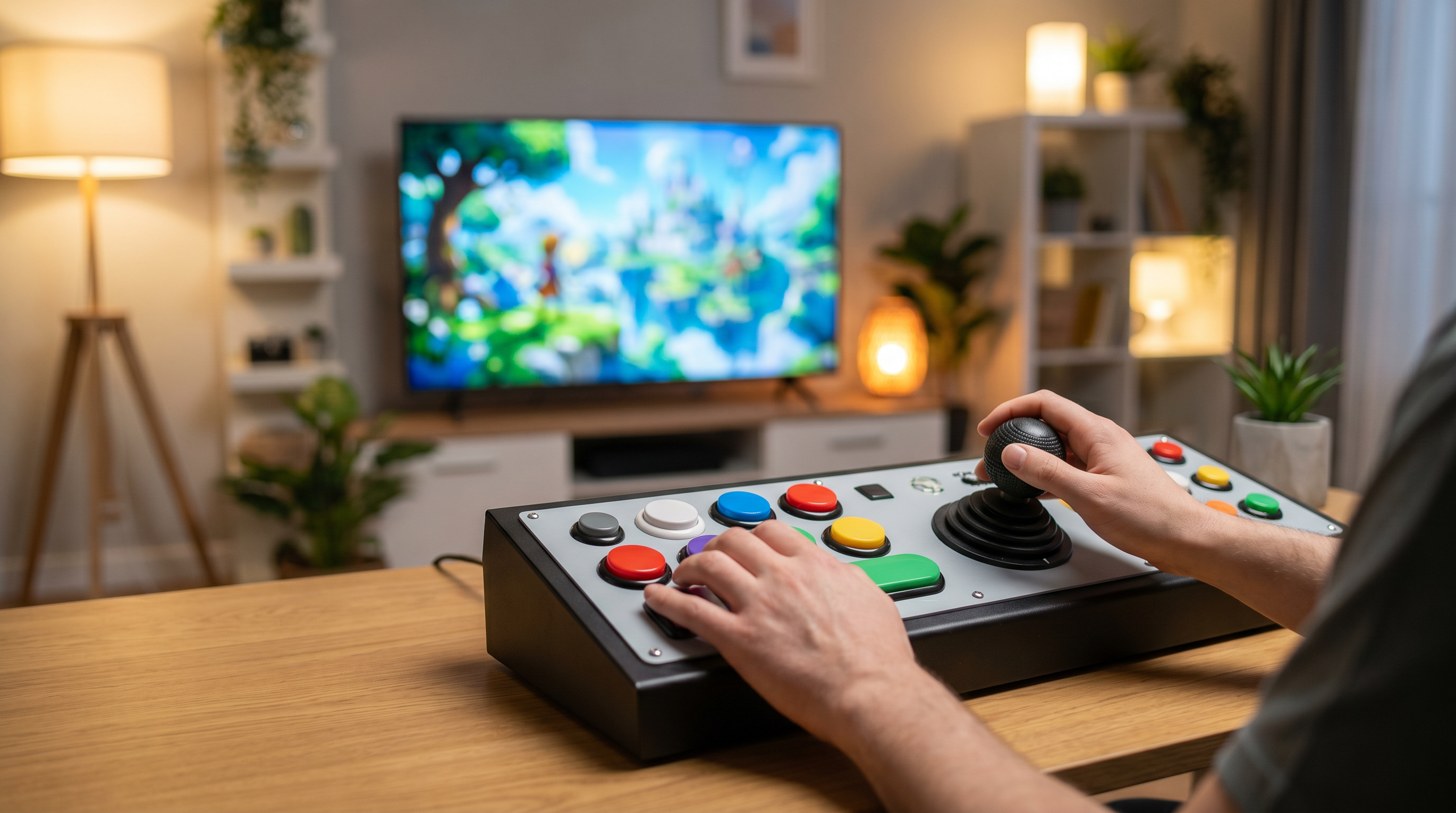
Microsoft's Xbox division, which has long led the industry's accessibility charge with groundbreaking hardware like the Xbox Adaptive Controller and the recently launched Xbox Adaptive Joystick, has fully integrated these universal tags into its ecosystem. In a significant show of industry solidarity, Xbox announced it would replace its own proprietary Game Accessibility Feature tags with the ESA's equivalent markers. By sharing years of internal learnings and user data with its competitors, Microsoft is helping to ensure that the new standardized tags add unique value for players without creating redundant or confusing storefront experiences.[4]
For the estimated 429 million players worldwide who live with some form of disability, this unprecedented level of standardization and transparency represents the end of a deeply frustrating era. Gaming is a vital cultural touchstone and a powerful tool for social connection, yet millions of Americans and global citizens have historically faced insurmountable barriers to experiencing the joy of play. The combined efforts of the Access-Ability showcase and the ESA's tagging initiative mean that disabled gamers can finally participate in the cultural zeitgeist of major game releases without the looming anxiety of buyer's remorse.[3][4]
Ultimately, the events of Summer Game Fest 2026 prove that accessibility is no longer viewed as a charitable endeavor or a niche market segment. It has evolved into a fundamental expectation of modern software development and a massive market opportunity for publishers willing to invest in inclusive design. As the industry moves forward into a new console generation, the message from developers, platform holders, and advocates is unified and clear: the future of gaming is one where the barriers to entry are dismantled before the game is even booted up.[1][3][5]
How we got here
September 2018
Microsoft launches the Xbox Adaptive Controller, kicking off a new era of hardware accessibility.
December 2023
Sony releases the PlayStation Access Controller, providing a customizable first-party solution for PS5 players.
March 2025
The ESA unveils the Accessible Games Initiative, standardizing 24 accessibility tags across major publishers.
June 2026
The Access-Ability Summer Showcase features Nintendo Switch 2 games for the first time, signaling universal console buy-in.
Viewpoints in depth
Disabled Gamers & Advocates
Advocates emphasize that upfront transparency about accessibility features is essential for consumer confidence.
For disabled players, the primary hurdle in gaming has often been the financial risk of purchasing a title that turns out to be physically unplayable. Advocates argue that showcases dedicated to accessibility and standardized storefront tags are not just about inclusion—they are vital consumer protection tools. By detailing features like one-handed play and full input remapping before launch, developers allow disabled gamers to participate in the cultural excitement of release day without the anxiety of buyer's remorse.
Platform Holders & Publishers
Major publishers view accessibility as both a moral imperative and a massive market opportunity.
Companies like Microsoft, Sony, and now Nintendo recognize that the 429 million gamers with disabilities represent a massive, historically underserved market. By standardizing accessibility tags across all major platforms through the ESA, publishers are lowering the barrier to entry and expanding their total addressable audience. Platform holders argue that sharing internal data and unifying their language around accessibility benefits the entire ecosystem, proving that inclusive design is ultimately good business.
Independent Developers
Indie studios stress that accessibility must be baked into the game engine from day one.
Independent developers argue that robust accessibility does not require a AAA budget, provided it is considered during the initial design phase. Studios building games like An Unplayable Game demonstrate that inclusive design is primarily about creative problem-solving—such as removing held-key requirements or offering mouse-only controls. They caution that trying to patch accessibility features into a completed game engine is incredibly difficult, urging the industry to make inclusive design a foundational step in pre-production.
What we don't know
- It remains unclear if all legacy titles on digital storefronts will be retroactively updated with the new 24 accessibility tags.
- While Nintendo has embraced accessibility in third-party Switch 2 titles, the extent of accessibility features in their upcoming first-party games is still unknown.
Key terms
- Input Remapping
- The ability to change which buttons or joystick movements trigger specific actions in a video game.
- Adaptive Controller
- Specialized gaming hardware designed for players with limited mobility, allowing for custom switch and joystick placements.
- Accessible Games Initiative
- An industry-wide standard created by the ESA to label video games with specific accessibility tags on digital storefronts.
Frequently asked
What is the Access-Ability Summer Showcase?
It is a disability-led gaming event broadcast during Summer Game Fest that highlights the specific accessibility features of upcoming video games.
What is the Accessible Games Initiative?
An ESA-led effort that standardizes 24 accessibility tags across digital storefronts, so players know exactly what features a game has before buying it.
Why is Nintendo's inclusion significant?
Nintendo has historically lagged behind Xbox and PlayStation in accessibility and adaptive hardware support, making their presence at the 2026 showcase a major philosophical shift.
Sources
Source coverage
7 outlets
3 viewpoints surfaced







[1]TechTimesDisabled Gamers & Advocates
Access-Ability Summer Showcase 2026: Nintendo Switch 2 Games Featured
Read on TechTimes →[2]Phenixx GamingDisabled Gamers & Advocates
Summer Game Fest 2026 Main Showcase Rundown
Read on Phenixx Gaming →[3]GameSpotPlatform Holders & Publishers
Nintendo, Xbox, PlayStation Are Teaming Up For Accessible Games Initiative
Read on GameSpot →[4]XboxPlatform Holders & Publishers
Xbox Joins the Accessible Games Initiative
Read on Xbox →[5]InverseIndependent Developers
How Microsoft and AbleGamers revolutionized accessibility
Read on Inverse →[6]EurogamerPlatform Holders & Publishers
Summer Game Fest 2026 schedule
Read on Eurogamer →[7]Pure XboxIndependent Developers
Summer Game Fest Schedule: Your Guide To All 15+ Xbox-Related Events In June 2026
Read on Pure Xbox →

More in entertainment
See all 31 stories →Celebrity Business
Dolly Parton Launches 'Cup of Ambition' Coffee and Reimagined Tennessee Travel Stop
7 sources

Broadway
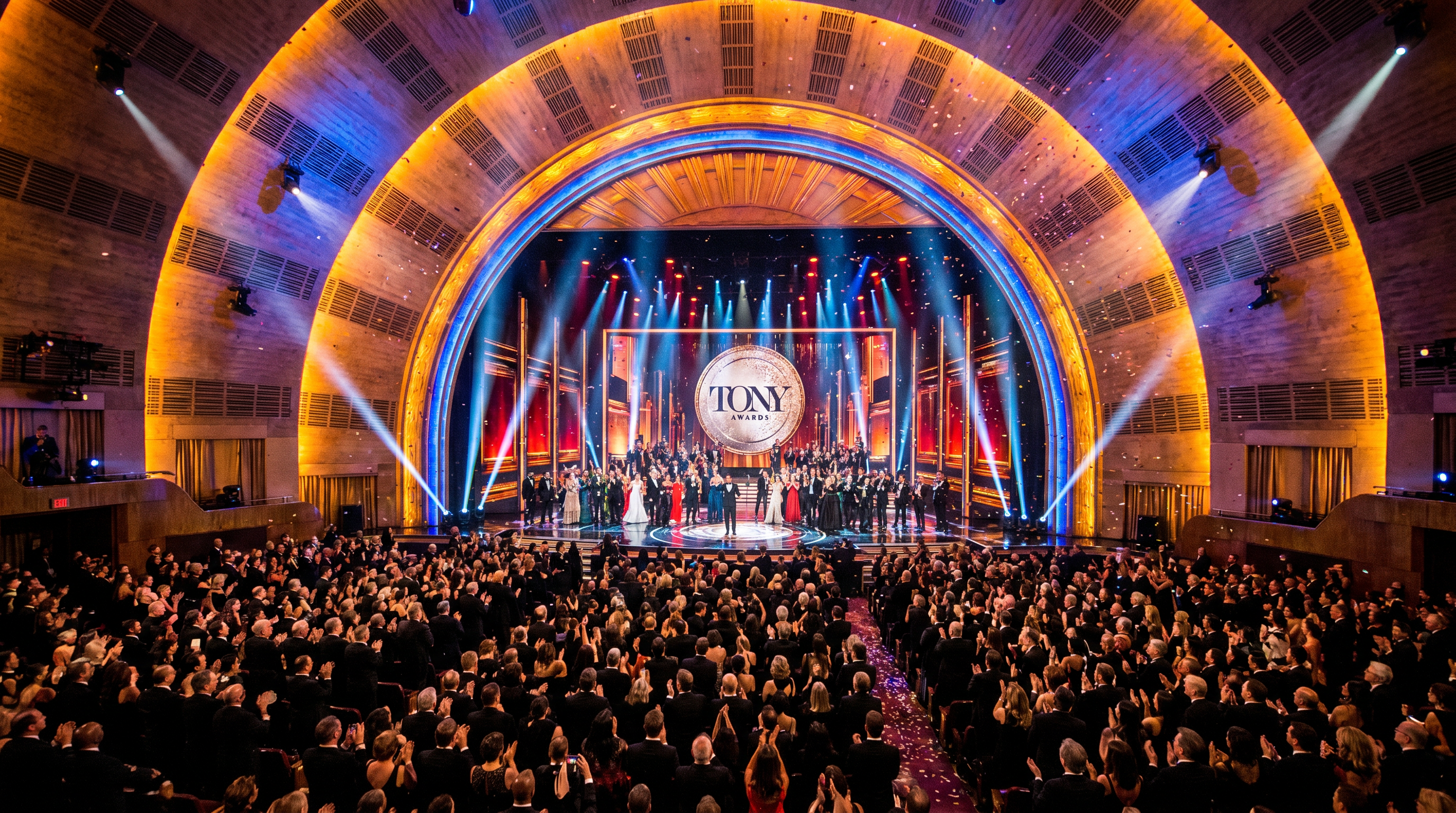
79th Tony Awards: 'Death of a Salesman' Sweeps While John Lithgow Makes History
7 sources
Nintendo Cinematic Universe
‘The Super Mario Galaxy Movie’ Becomes the First Film of 2026 to Cross $1 Billion Globally
6 sources
Streaming Bundles
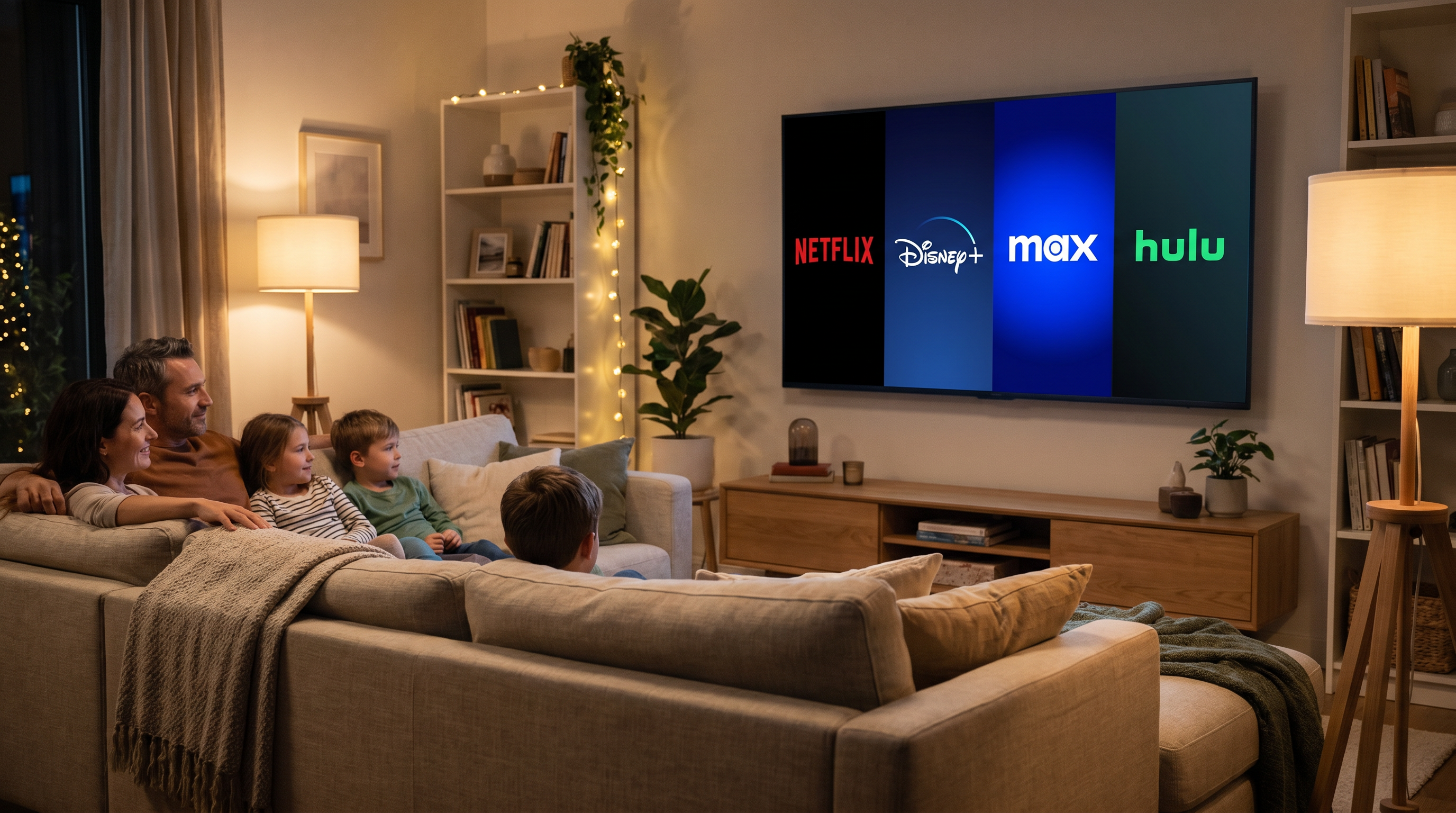
The Great Re-Bundling: Major Streaming Services Launch 'Super Bundles' to Combat Subscription Fatigue
7 sources
Every angle. Every day.
Get entertainment stories with full source coverage and perspective breakdowns delivered to your inbox.