
Former South Korean President Yoon Suk Yeol Sentenced to 30 Years for Provoking North Korea
A Seoul court sentenced the ousted leader to 30 years in prison, ruling he ordered military drone flights over Pyongyang to manufacture a crisis and justify his 2024 martial law declaration.
By Factlen Editorial Team
- South Korean Judiciary
- The court and special prosecutors view the drone operation as a treasonous abuse of power designed to manufacture a crisis.
- Regional Security Analysts
- International observers emphasize the extreme risk of accidental military escalation caused by the drone flights.
- Yoon's Defense
- Yoon's legal team maintains the actions were legitimate military deterrence against North Korean provocations, not a political conspiracy.
What's not represented
- · North Korean State Media
- · South Korean Military Rank-and-File
Why this matters
The unprecedented treason conviction of a former democratic leader underscores the fragility of South Korea's recent political crisis. It reveals how close the Korean Peninsula came to manufactured armed conflict, serving as a stark warning about the abuse of executive military power.
Key points
- A Seoul court sentenced former South Korean President Yoon Suk Yeol to 30 years in prison for general treason and abuse of power.
- The court ruled Yoon ordered military drones to fly over Pyongyang in October 2024 to intentionally provoke a crisis with North Korea.
- Prosecutors proved the provocation was designed to manufacture a pretext for Yoon's failed December 2024 martial law declaration.
- Former Defense Minister Kim Yong-hyun also received a 30-year sentence for his role in the conspiracy.
- Yoon is already serving a life sentence handed down in February 2026 for insurrection related to the martial law decree.
A South Korean court has sentenced ousted President Yoon Suk Yeol to 30 years in prison for orchestrating covert military drone flights over North Korea, ruling that he deliberately provoked Pyongyang to manufacture a pretext for his disastrous 2024 martial law declaration.[1][2]
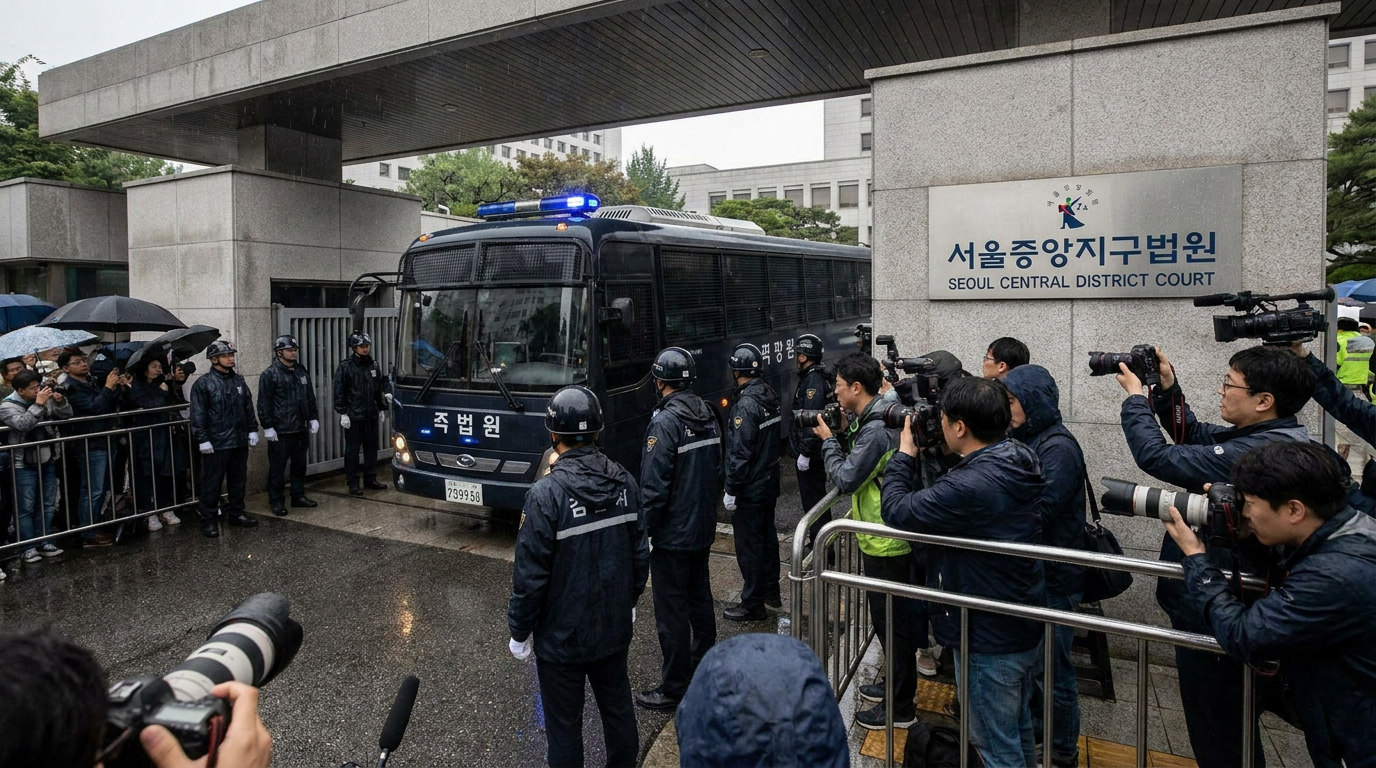
The Seoul Central District Court convicted Yoon on Friday of abuse of power and "general treason"—a severe charge relating to aiding the enemy and harming the state's military interests. The ruling marks the first time in South Korea's constitutional history that a former head of state has been found guilty of enemy-benefiting activities.[6][7]
Former Defense Minister Kim Yong-hyun was also handed a 30-year sentence, while Yeo In-hyung, the former head of the Defense Counterintelligence Command, received 15 years. The court found that Yoon and Kim conspired from the outset to execute the drone incursions for private political survival rather than national security.[3][6][7]
The charges stem from October 2024, when South Korean military drones infiltrated the airspace over Pyongyang, dropping anti-regime propaganda leaflets. The flights triggered a furious response from North Korea, which threatened military retaliation and placed frontline artillery units on high alert, severely spiking tensions on the peninsula.[4][5][7]

According to special prosecutors, the provocation was entirely by design. They argued that Yoon sought to "fabricate wartime conditions" and induce a military clash with the North. This manufactured national emergency was intended to provide the justification for suspending civilian rule.[2][4][5][6]
According to special prosecutors, the provocation was entirely by design.
Weeks later, on the night of December 3, 2024, Yoon shocked the world by declaring emergency martial law on national television. The decree plunged Asia's fourth-largest economy into unprecedented political turmoil, sending the stock market crashing and catching key allies, including the United States, completely off guard.[2][6]
The martial law order collapsed within six hours after lawmakers defied military cordons, raced to the National Assembly building, and voted the measure down in an emergency session. The failed self-coup led to Yoon's swift impeachment, his removal from office by the Constitutional Court in 2025, and a snap election won by liberal rival Lee Jae Myung.[2][4][6]
During the trial, prosecutors revealed that the drone operation actively damaged South Korea's defense posture. When some of the drones crashed near Pyongyang, North Korean authorities recovered them, gaining access to classified military specifications, onboard equipment, and flight route data.[6][7]

Yoon vehemently denied the allegations throughout the proceedings. His legal team argued that he neither ordered nor explicitly approved the drone flights, characterizing them instead as a legitimate, proportional military response to North Korea's months-long campaign of floating trash-filled balloons across the border.[3][5]
The defense maintained that the operation was entirely disconnected from the subsequent martial law declaration, rejecting the prosecution's narrative of a grand conspiracy. However, the court dismissed these arguments, stating that the operation's scale and timing pointed directly to a coordinated effort to heighten domestic fear.[3][6][7]

Friday's sentencing compounds Yoon's already insurmountable legal jeopardy. The 65-year-old former conservative leader is already in custody, having been sentenced to life in prison in February 2026 for leading an insurrection directly tied to the December martial law decree.[2][4]
Yoon, who rose to power as the country's top prosecutor before winning the presidency, is expected to appeal the latest ruling. As the legal battles continue, the revelations of the drone trial have left the South Korean public grappling with the reality that their former commander-in-chief was willing to risk a second Korean War to maintain his grip on power.[2][3][4][6]
How we got here
Oct 2024
South Korean military drones infiltrate Pyongyang airspace, dropping anti-regime leaflets and spiking military tensions.
Dec 3, 2024
Yoon declares emergency martial law, which is defied by the public and voted down by the National Assembly within six hours.
Early 2025
Yoon is impeached, formally removed from office by the Constitutional Court, and arrested.
Feb 2026
A South Korean court sentences Yoon to life in prison for leading an insurrection regarding the martial law decree.
Jun 12, 2026
Yoon and his former defense minister are sentenced to 30 years in prison for general treason over the drone operation.
Viewpoints in depth
South Korean Judiciary
The court and special prosecutors view the drone operation as a treasonous abuse of power.
Prosecutors successfully argued that Yoon and his defense minister treated the South Korean military as a private political tool. By intentionally antagonizing a nuclear-armed neighbor, they sought to manufacture a state of emergency that would make the public amenable to martial law. The court agreed that leaking classified drone technology to Pyongyang in the process constituted a direct betrayal of the nation's defense interests.
Yoon's Defense Camp
Yoon's legal team maintains the actions were legitimate military deterrence, not a political conspiracy.
The defense vehemently separates the October drone flights from the December martial law declaration. They argue that sending drones over Pyongyang was a necessary and proportional response to North Korea's relentless campaign of floating trash-filled balloons into the South. From this perspective, the prosecution is retroactively linking two unrelated events to pile on politically motivated charges against the ousted conservative leader.
Regional Security Analysts
International observers emphasize the extreme risk of accidental escalation caused by the flights.
For geopolitical analysts, the domestic political motives are secondary to the sheer recklessness of the act. Flying military drones into the airspace of a paranoid, nuclear-armed state like North Korea carried an unacceptably high risk of triggering an actual war. Analysts note that Pyongyang's decision to place frontline artillery on high alert in October 2024 brought the peninsula closer to armed conflict than it had been in years, all for a domestic political gambit.
What we don't know
- Whether Yoon's legal team will successfully reduce his sentences on appeal, given the unprecedented nature of the treason convictions.
- The full extent of the classified military technology North Korea recovered from the crashed drones in October 2024.
- How the ongoing revelations will impact the conservative political bloc in South Korea ahead of future legislative elections.
Key terms
- General Treason
- Under South Korean law, a severe crime against the state involving harming the nation's military interests or benefiting an enemy.
- Martial Law
- The temporary substitution of military authority for civilian rule, usually declared in times of extreme national emergency.
- Defense Counterintelligence Command
- A South Korean military unit responsible for counterintelligence, security, and investigating military crimes.
Frequently asked
Why was Yoon Suk Yeol sentenced to 30 years?
He was convicted of general treason and abuse of power for ordering military drones to fly over North Korea in 2024 to intentionally provoke a crisis.
What was the purpose of the drone flights?
Prosecutors proved that Yoon wanted to manufacture a severe national security threat to justify his subsequent declaration of martial law.
Is Yoon already in prison?
Yes, he is currently in custody and was previously sentenced to life in prison in February 2026 for insurrection related to the martial law attempt.
How did North Korea react to the drones?
Pyongyang was furious, threatening military retaliation and placing frontline artillery units on high alert, which severely escalated tensions on the peninsula.
Sources
Source coverage
7 outlets
3 viewpoints surfaced







[1]NPRRegional Security Analysts
Ousted South Korean President Yoon given prison term for drone flights over Pyongyang
Read on NPR →[2]Associated PressSouth Korean Judiciary
Ousted South Korean President Yoon given prison term for drone flights over Pyongyang
Read on Associated Press →[3]ReutersYoon's Defense
South Korea court sentences ex-President Yoon to 30-year jail term over drone incursion
Read on Reuters →[4]Al JazeeraRegional Security Analysts
Seoul court sentences former leader for sending military drones into North Korea
Read on Al Jazeera →[5]The GuardianYoon's Defense
Former South Korea president Yoon Suk Yeol sentenced to 30 years in prison for sending drones over Pyongyang
Read on The Guardian →[6]The Straits TimesSouth Korean Judiciary
South Korea ex-president Yoon sentenced to 30 years over drone flights
Read on The Straits Times →[7]The Korea HeraldSouth Korean Judiciary
Ex-President Yoon sentenced to 30 years over N. Korea drone operation
Read on The Korea Herald →

More in news politics
See all 91 stories →US-Iran Conflict
US Halts Strikes on Iran as Trump Claims Peace Deal is Imminent; Tehran Denies Final Agreement
8 sources

Public Records
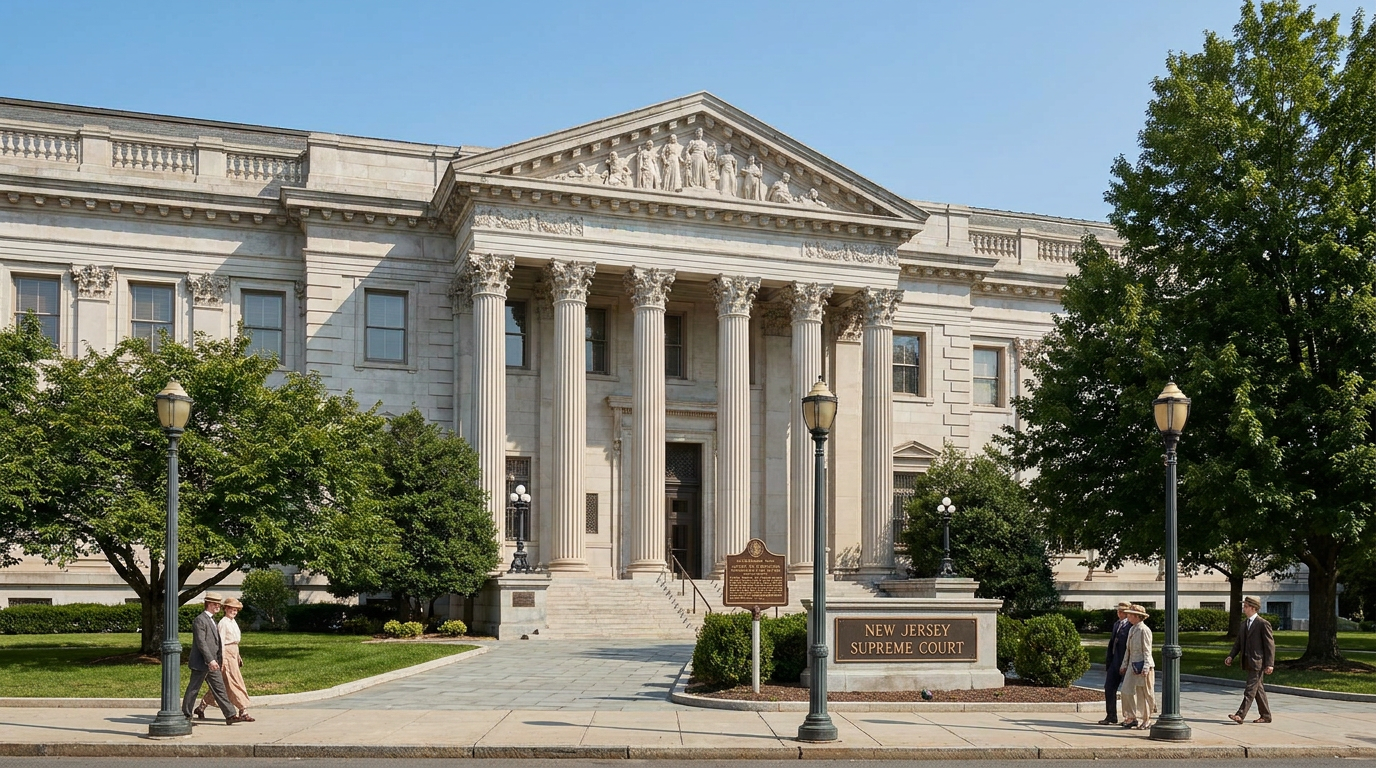
New Jersey Supreme Court Rules Private Email Logs of Public Officials Are Subject to Public Records Law
6 sources
US-Iran Conflict
US Halts Military Strikes on Iran Amid Conflicting Claims Over Imminent Peace Deal
8 sources

Clean Air Policy
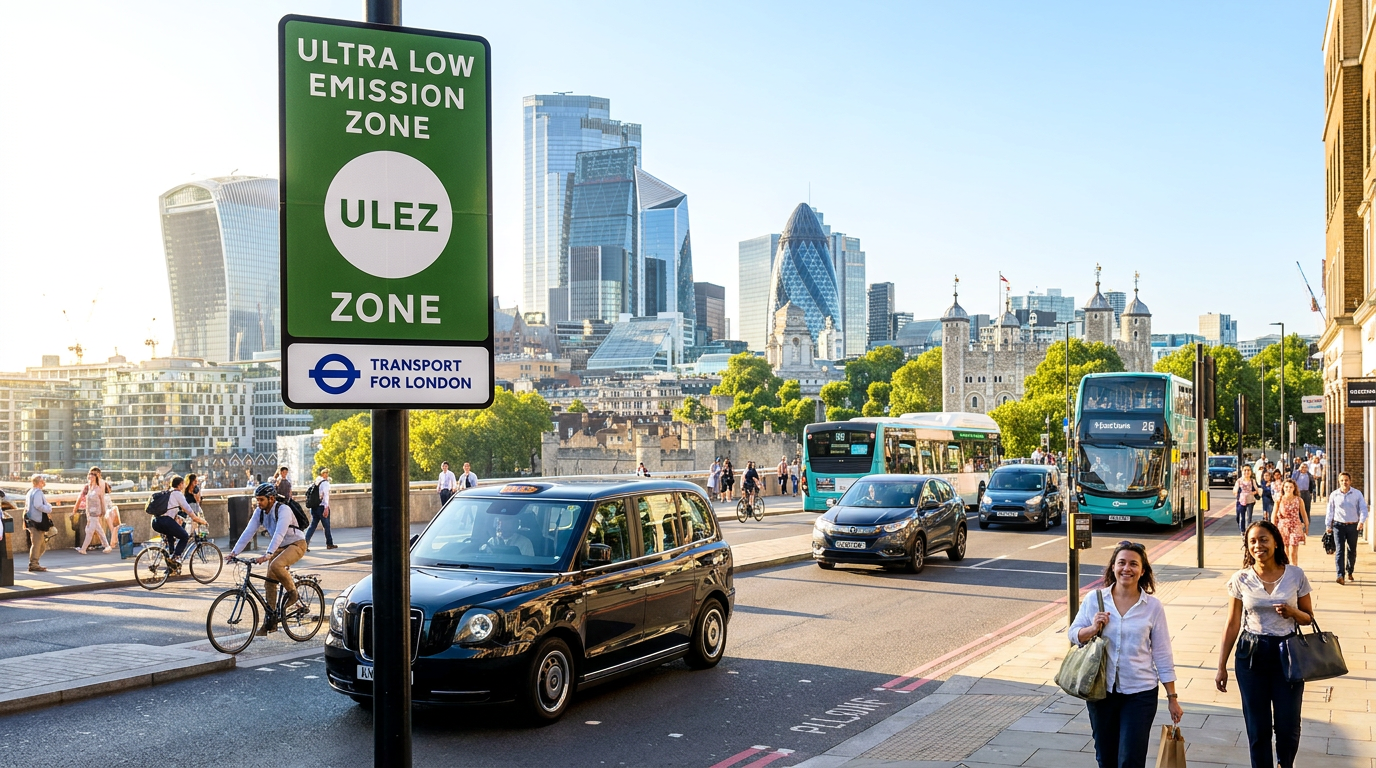
Fact-Checking Urban Clean Air Zones: Do They Actually Reduce Hospital Admissions?
7 sources
Every angle. Every day.
Get news politics stories with full source coverage and perspective breakdowns delivered to your inbox.