
US Halts Strikes as Iran Weighs Proposed Ceasefire Deal to End 105-Day War
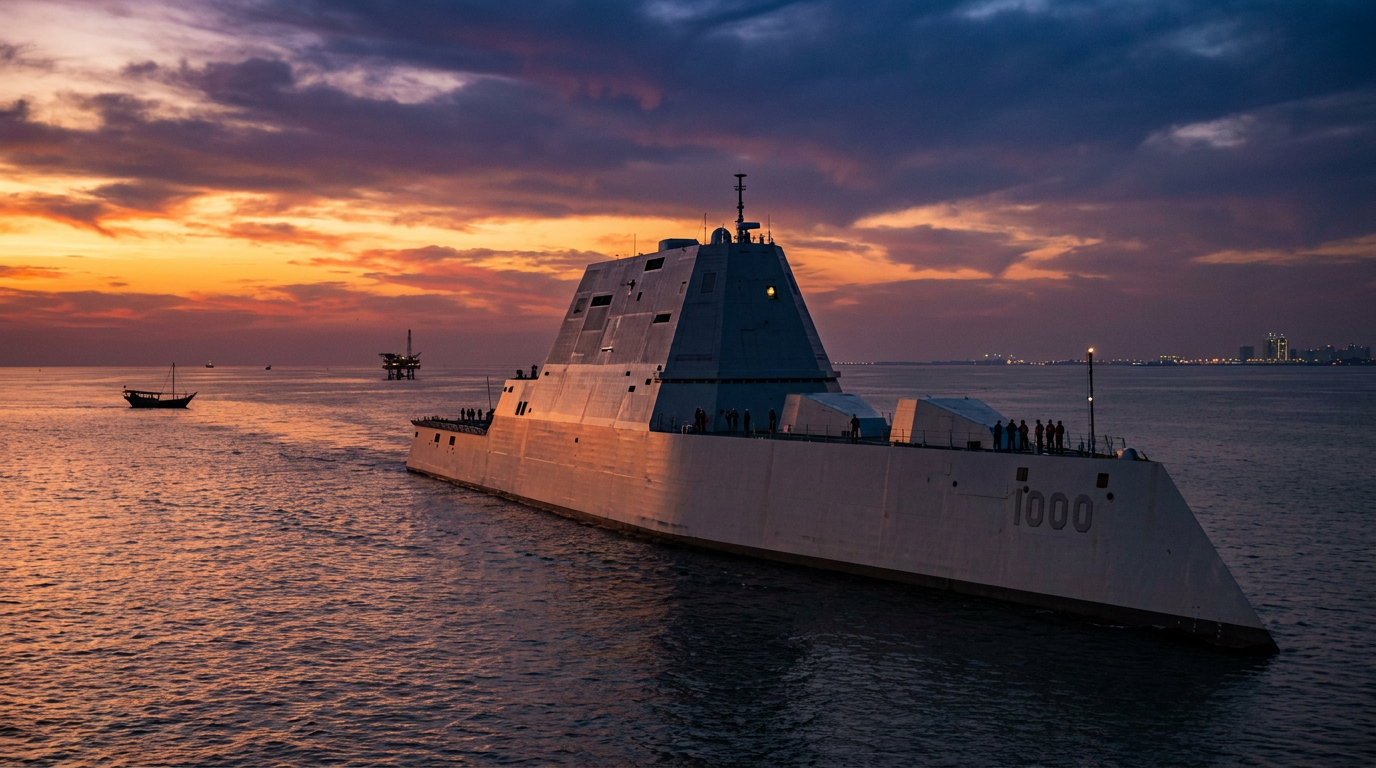
President Trump has paused military operations against Iran as Tehran's leadership reviews a proposed agreement aimed at reopening the Strait of Hormuz and ending the 105-day conflict. The potential breakthrough follows severe global economic fallout, including a contraction in the UK economy driven by surging energy prices.
By Factlen Editorial Team
- Global Economic Observers
- Primarily focused on the immediate reopening of the Strait of Hormuz to reverse inflationary pressures and economic contraction.
- US Administration
- Argues that the credible threat of overwhelming military force successfully broke the stalemate and forced negotiations.
- Iranian Leadership
- Views the proposed deal with deep historical skepticism, demanding ironclad guarantees before demobilizing coastal defenses.
What's not represented
- · Regional Gulf States (Saudi Arabia, UAE)
- · Commercial Shipping Companies
Why this matters
The 105-day conflict has choked off the Strait of Hormuz, spiking global energy prices and tipping parts of Europe into economic contraction. A finalized deal would immediately stabilize global oil markets, lower inflation pressures, and avert a broader regional war.
Key points
- US military strikes have been paused as Iran reviews a comprehensive ceasefire proposal.
- The breakthrough follows US threats to target Kharg Island, Iran's primary oil export terminal.
- The 105-day war has severely disrupted global shipping through the Strait of Hormuz.
- Rising energy prices caused by the conflict shrank the UK economy by 0.1% in April.
- Iranian leadership remains wary of US intentions as they evaluate the deal's terms.
After 105 days of escalating conflict that has paralyzed global shipping and battered international markets, a fragile pause has taken hold in the Middle East. President Trump has officially halted planned military strikes against Iranian targets, signaling that a diplomatic off-ramp may be within reach.[1][4]
The sudden de-escalation follows a tense standoff over Kharg Island, the critical nerve center of Iran's oil export economy. Following US threats to target the facility, back-channel negotiations accelerated, culminating in a comprehensive ceasefire proposal currently sitting on desks in Tehran.[1][3]
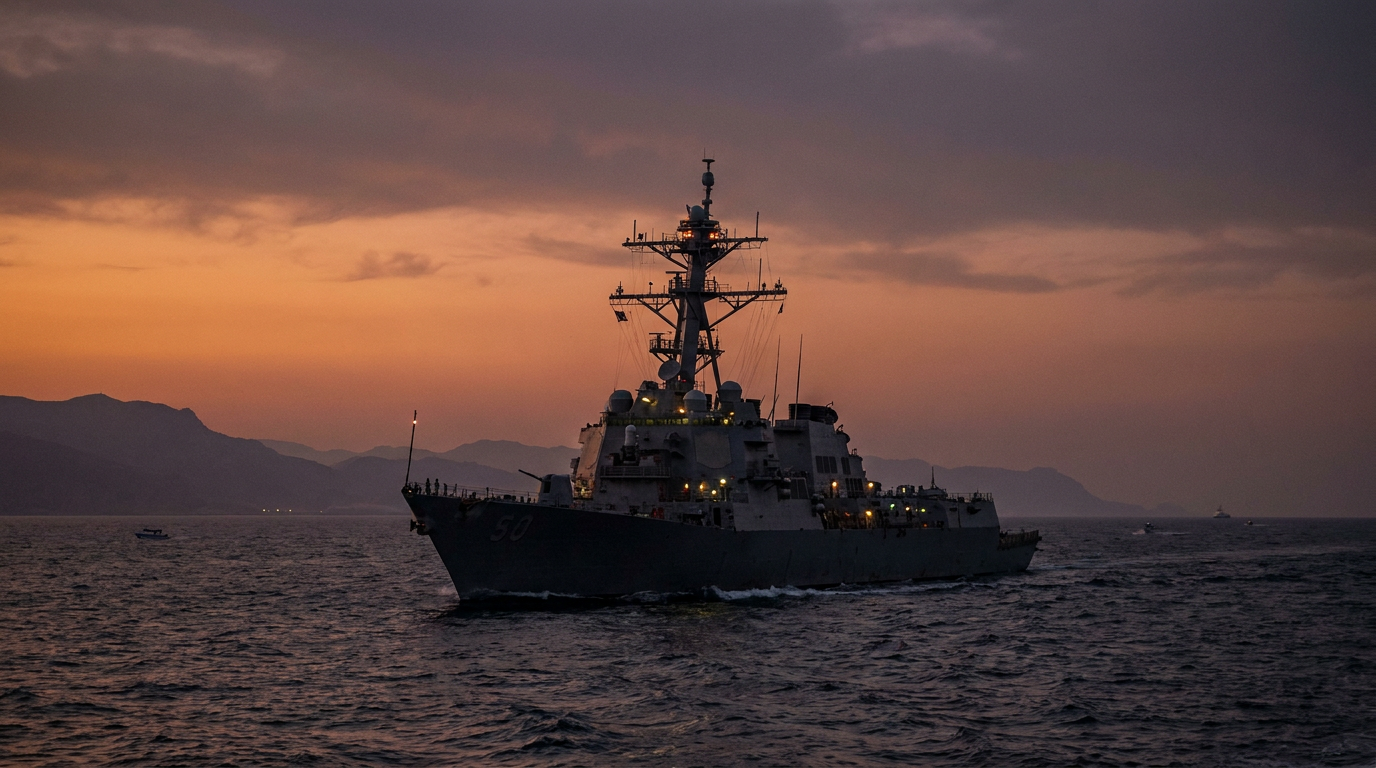
"We are very close to a result," the US administration stated, framing the halted attacks as a gesture of good faith while Iranian leadership reviews the terms. However, the pause is conditional, and military assets remain fully deployed in the Persian Gulf should talks collapse.[4]

In Tehran, the mood is characterized by deep caution. Iranian officials have confirmed that a proposed agreement is under review by the country's highest leadership, but state media emphasizes that the government remains highly wary of US intentions and views the halt as a tactical maneuver rather than a permanent shift.[1]
The core mechanism of the proposed deal reportedly involves a sequenced stand-down. The US would formally suspend its aerial and naval bombardment campaign and offer targeted sanctions waivers. In exchange, Iran would guarantee the immediate reopening of the Strait of Hormuz and cease proxy attacks on US regional assets.[1][3]
Understanding the stakes of this deal requires looking at the economic devastation wrought over the past three months. The conflict effectively closed the Strait of Hormuz—a narrow 21-mile-wide waterway between the Persian Gulf and the Gulf of Oman that serves as the primary artery for global energy shipments.[2][5]
Under normal conditions, roughly 20% of the world's daily oil consumption passes through this chokepoint. The 105-day blockade has severed this supply line, forcing crude prices to multi-year highs and sending inflationary shockwaves through Western economies.[5]

Under normal conditions, roughly 20% of the world's daily oil consumption passes through this chokepoint.
The macroeconomic evidence of this disruption is now crystallizing. Official figures released this week show the UK economy contracted by 0.1% in April, a direct consequence of the Middle East conflict holding back growth.[2]
Prior to the war, the UK had seen a strong 3% expansion in March. However, as energy prices skyrocketed due to the Hormuz closure, industrial output slowed, and consumer spending contracted, sliding the British economic recovery into reverse.[2]
This economic pain is not isolated to Europe. Global markets have been highly volatile, with energy-importing nations in Asia facing severe balance-of-payment crises as the cost of securing alternative fuel supplies drains national reserves.[6]
The tipping point for the current negotiations appears to be the mutual recognition of catastrophic economic risk. For the US and its allies, a prolonged closure of Hormuz threatens a global recession. For Iran, the threat to Kharg Island represented an existential economic danger.[3][6]

Kharg Island handles more than 90% of Iran's crude oil exports. If US strikes had destroyed the terminal's loading buoys and storage tanks, Tehran would have lost its primary source of foreign currency overnight, crippling its ability to fund both its domestic economy and its military operations.[5]
Despite the clear incentives for peace, significant uncertainty clouds the path forward. The primary claim from Washington is that maximum pressure has forced Tehran to the table, but Iranian hardliners argue that yielding to military threats will only invite future coercion.[1][4]
Furthermore, the exact sequencing of the deal remains a major hurdle. Tehran is reportedly demanding upfront guarantees that sanctions relief will be implemented before it fully demobilizes its coastal defense batteries along the Strait, a concession Washington has historically been reluctant to grant.[1][3]

The coming days are critical. If Iran's Supreme Leader approves the framework, the world could see a rapid de-escalation and a sharp drop in global energy prices. If the deal is rejected, the US has signaled that the pause will end, and strikes on critical infrastructure, including Kharg Island, will likely commence.[1][4][6]
How we got here
March 2026
The conflict begins, and transit through the Strait of Hormuz is severely restricted.
April 2026
Global energy prices spike, causing the UK economy to contract by 0.1%.
Early June 2026
The US threatens strikes against Kharg Island, Iran's critical oil export hub.
June 12, 2026
The US halts strikes as Iran confirms receipt of a proposed ceasefire agreement.
Viewpoints in depth
US Administration's View
Leverage and maximum pressure successfully forced negotiations.
Washington argues that the credible threat of overwhelming military force, specifically targeting Iran's economic lifeline at Kharg Island, successfully broke the stalemate. The administration views the current pause as a demonstration of leverage, insisting that military options remain fully on the table if Tehran attempts to stall or renegotiate core terms.
Tehran's Leadership
Views the halt as a tactical pause driven by Western economic fears.
Iranian officials view the proposed deal with deep historical skepticism, framing the US halt not as a diplomatic victory but as a tactical necessity driven by America's fear of a global energy crisis. Hardliners emphasize that any agreement must include ironclad guarantees against future unprovoked strikes and immediate economic relief before coastal defenses are stood down.
Global Economic Observers
Desperate for a resolution to ease inflation and energy shortages.
European and Asian market analysts are primarily focused on the immediate reopening of the Strait of Hormuz. They argue that the 105-day conflict has already inflicted lasting damage on global supply chains, warning that even a successful deal will take months to reverse the inflationary pressures currently shrinking economies like the UK.
What we don't know
- Whether Iran's Supreme Leader will ultimately approve the proposed terms.
- The exact sequencing of sanctions relief versus military demobilization.
- How quickly global energy prices will normalize if the Strait of Hormuz is reopened.
Key terms
- Strait of Hormuz
- A narrow waterway between the Persian Gulf and the Gulf of Oman through which roughly a fifth of the world's oil consumption passes.
- Kharg Island
- Iran's primary oil export terminal, located in the Persian Gulf, which handles the vast majority of the country's crude oil exports.
- Sanctions Relief
- The removal or suspension of economic penalties, often used as a diplomatic incentive in international negotiations.
Frequently asked
Is the war officially over?
No. The current situation is a temporary halt in military strikes while Iranian leadership reviews a proposed ceasefire agreement.
Why did the UK economy shrink?
The conflict closed the Strait of Hormuz, causing global energy prices to spike. This increased costs for industries and consumers, leading to a 0.1% contraction in the UK's GDP in April.
What happens if Iran rejects the deal?
The US has indicated that the pause in military operations is conditional, and strikes targeting critical Iranian infrastructure would likely resume if talks collapse.
Sources
Source coverage
6 outlets
3 viewpoints surfaced






[1]Al JazeeraIranian Leadership
Iran war day 105: Trump halts attacks after Kharg Island threat
Read on Al Jazeera →[2]The GuardianGlobal Economic Observers
UK economy shrank by 0.1% in April as Iran war held back growth
Read on The Guardian →[3]ReutersUS Administration
Oil prices stabilize as US-Iran ceasefire talks enter critical phase
Read on Reuters →[4]Fox NewsUS Administration
Trump pauses military strikes, says Iran deal is 'very close'
Read on Fox News →[5]U.S. Energy Information AdministrationGlobal Economic Observers
Strait of Hormuz Chokepoint Analysis and Global Oil Transit
Read on U.S. Energy Information Administration →[6]BBCGlobal Economic Observers
Global markets rally cautiously on hopes of Hormuz reopening
Read on BBC →
More in news politics
See all 92 stories →Prebunking
How 'Prebunking' is Replacing Traditional Fact-Checking to Combat Misinformation
7 sources

US-Iran Conflict
US Halts Strikes on Iran as Trump Claims Peace Deal is Imminent; Tehran Denies Final Agreement
8 sources
Public Records
New Jersey Supreme Court Rules Private Email Logs of Public Officials Are Subject to Public Records Law
6 sources
US-Iran Conflict
US Halts Military Strikes on Iran Amid Conflicting Claims Over Imminent Peace Deal
8 sources
Every angle. Every day.
Get news politics stories with full source coverage and perspective breakdowns delivered to your inbox.