
Equestrian Injury Report: Triumphant Returns and Cautious Recoveries Shape the 2026 Season
As the 2026 equestrian season accelerates, the global injury report highlights inspiring comebacks alongside strategic withdrawals by top riders prioritizing long-term horse and athlete welfare.
The 2026 equestrian season is in full swing, and the global injury report reflects a profound shift in how the sport handles setbacks. Rather than rushing athletes—both human and equine—back into the arena to meet demanding competition schedules, riders and owners are increasingly prioritizing long-term welfare.
This spring has delivered a compelling mix of triumphant comebacks and cautious withdrawals across the disciplines of showjumping, dressage, and eventing. The overarching theme is one of patience, proving that stepping back to heal is no longer viewed as a weakness, but rather as a strategic necessity for career longevity.
The absolute highlight of the comeback trail belongs to United States showjumper Charlotte Jacobs. In late March, Jacobs rode the thirteen-year-old Irish Sport Horse gelding Rincoola Milsean to a thrilling victory in the $62,500 Bainbridge Companies CSI5* Speed class at the Winter Equestrian Festival in Wellington, Florida. The duo navigated Guilherme Jorge’s demanding track with precision, stopping the clock at 66.88 seconds to best a highly competitive field of sixty-seven riders, including several of the world's top ten athletes.
The victory was particularly emotional for Jacobs, as the gelding, affectionately known in the barn as "Roy," had been sidelined by an injury since the summer of 2024. Securing her spot in the Rolex US Equestrian Open Grand Prix, Jacobs proved that giving a horse ample time to recover pays massive dividends.
"I stuck to my plan, rode my numbers, and I'm thrilled with the outcome," Jacobs remarked after the win, adding, "He truly is a once-in-a-lifetime for me. Every time I go in the ring, I know I have a good chance to win."
In the eventing world, recovery took on a different, deeply poignant form at the 2026 Defender Kentucky Three-Day Event. American rider Liz Halliday, who suffered a life-threatening traumatic brain injury in a devastating cross-country fall in 2024, returned to the prestigious five-star event—this time as a spectator. Her journey over the past two years has been defined by grueling rehabilitation, resilience, and the slow process of rebuilding her life outside the saddle.[1]
Halliday was present at the Kentucky Horse Park to watch her Olympic partner, Cooley Nutcracker, compete under the guidance of fellow top American rider Boyd Martin. Her presence resonated profoundly throughout the equestrian community, serving as a powerful testament to the enduring bond between horse and rider. It highlighted the reality of life after a severe injury, demonstrating that an athlete's connection to their sport and their equine partners can remain unbroken even when their role fundamentally changes.[1]
Meanwhile, the Longines FEI Jumping World Cup Final in Fort Worth, Texas, saw significant roster changes due to human injury, underscoring the physical toll of the sport. Six-time US Olympian McLain Ward was forced to withdraw his twelve-year-old gelding Jordan Molga M just days before the April competition. Ward, who famously won the 2017 World Cup title on home soil, made the difficult decision to step down to ensure his own body could heal properly.[2][3]
Ward sustained a back injury from a recent fall, which compounded an existing hand issue that had already kept him out of international arenas for several weeks. "Along with my hand, I also injured my back, which is keeping me sidelined for about a month," Ward explained, noting the inopportune timing of the injuries.
By prioritizing his long-term health over a twenty-first World Cup Final appearance, Ward set a strong example for younger riders. Fellow American Lillie Keenan and her stallion Kick On seamlessly stepped in to fill the vacancy for the United States.[2][3]
Equine welfare also took center stage in Fort Worth, where Japanese showjumper Eiken Sato demonstrated exemplary horsemanship. Sato was sitting in a strong fourth place overall heading into the final day of the World Cup Final when his fifteen-year-old gelding, Chadellano JRA, began showing mild signs of colic. In a high-stakes championship environment, the pressure to push forward is immense, but Sato did not hesitate to put his horse first.[4]
Rather than risk the gelding's health for a potential podium finish, Sato immediately withdrew from the competition and sent Chadellano to a local veterinary clinic for evaluation. The cautious approach succeeded perfectly; the horse recovered fully and was cleared to travel safely back to Europe with the rest of the equine athletes.
"He is back home, and looking good at the moment," Sato confirmed shortly after. "He will have a good rest before we return to competition. I would love to have another opportunity to show the world how talented he is."[4]
In the dressage arena, a similar philosophy of patience is guiding the management of Jane, currently the second-ranked US Grand Prix horse. Ridden by Marcus Orlob and owned by Alice Tarjan, the twelve-year-old mare sustained a paddock injury following a dominant CDI5* victory in Wellington earlier this year. Rather than rushing her rehabilitation to meet the spring competition schedule, her team chose a highly conservative recovery path.[5]
Following strict veterinary advice, Jane's team opted to halt her under-saddle work until early May, effectively ruling her out of the US National Grand Prix Championship in Ocala. While the timing is a setback for the summer's World Championship selection process, the dressage community views Jane as a prime candidate for the 2028 Los Angeles Olympics. By sacrificing a single season's championships, her connections are safeguarding her potential for the global stage two years from now.[5]
As Dr. Julie Vargas, an equine performance medicine specialist, recently noted regarding sport horse rehabilitation, "Time is the one drug I can't manufacture." The 2026 season is proving that the equestrian world is finally listening to that wisdom. By celebrating the slow, steady comebacks of horses like Rincoola Milsean and respecting the difficult, health-first withdrawals made by riders like Ward and Sato, the sport is ensuring that its greatest athletes can compete safely and soundly for years to come.[6]
The essentials
- Charlotte Jacobs and Rincoola Milsean won a major CSI5* class in Wellington, marking a successful return from a 2024 injury.
- Eventer Liz Halliday made an emotional return to the Kentucky Three-Day Event as a spectator following her severe traumatic brain injury.
- US Olympian McLain Ward withdrew from the World Cup Final to properly heal back and hand injuries, allowing Lillie Keenan to step in.
- Japanese rider Eiken Sato withdrew his horse from the World Cup Final due to mild colic, prioritizing equine welfare over a podium finish.
- Top US dressage mare Jane is missing the National Championships to recover from a paddock injury, preserving her health for the 2028 Olympics.
Timeline
Summer 2024
Charlotte Jacobs' gelding Rincoola Milsean is sidelined with an injury.
Late 2024
Eventing star Liz Halliday suffers a life-threatening traumatic brain injury in a fall.
January 2026
Dressage mare Jane sustains a paddock injury after winning a CDI5* in Wellington.
March 2026
Jacobs and Rincoola Milsean make a triumphant return, winning a CSI5* Speed class in Wellington.
April 2026
McLain Ward and Eiken Sato both withdraw from the FEI Jumping World Cup Final to prioritize human and equine health, respectively.
- Equine Health Specialists
- Veterinarians and trainers who emphasize that conservative management and ample rest are the gold standard for preventing catastrophic breakdowns.
- Athlete Welfare Advocates
- Voices focused on the human toll of equestrian sports, celebrating emotional resilience and urging riders not to rush back from physical trauma.
- Competitive Teams
- Federations and organizers focused on roster depth, substitutions, and celebrating the successful return of athletes to top-level sport.
Perspectives this story doesn't cover
- Amateur Riders navigating long-term injury recoveries without professional sponsorships
- Equine Rehabilitation Facilities managing the daily physical therapy for recovering sport horses
Sources
Source coverage
6 outlets
3 viewpoints surfaced





- [1]The Scholarly EquestrianAthlete Welfare Advocates
From Olympic Rider to Paralyzed: Liz Halliday's Emotional Return to Kentucky Defender 3 Day Event
Read on The Scholarly Equestrian → - [2]World of ShowjumpingEquine Health Specialists
McLain Ward sidelined due to an additional injury, misses out on the FEI Jumping World Cup™ Final
Read on World of Showjumping → - [3]US EquestrianCompetitive Teams
US Equestrian Announces Changes for U.S. Combinations Heading to 2026 FEI World Cup Finals
Read on US Equestrian → - [4]World of ShowjumpingEquine Health Specialists
Eiken Sato's Chadellano JRA safely back home
Read on World of Showjumping → - [5]Dressage-NewsEquine Health Specialists
Jane Sidelined With Injury, Likely Out of Grand Prix Championships
Read on Dressage-News → - [6]The Plaid HorseEquine Health Specialists
The Only Shortcut Is Showing Up Long Enough
Read on The Plaid Horse →
More in Sports
See all →Standings
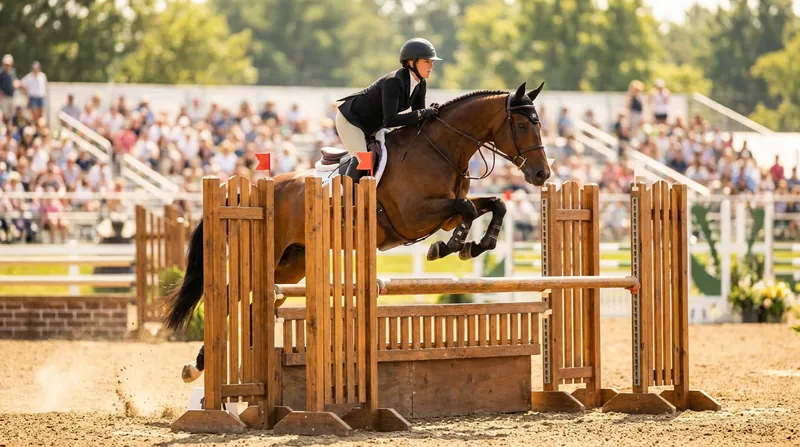
Melody Theolissat Holds Off Virginie Atger as France Sweeps the FEI Endurance World Rankings Podium
3 sources
Standings
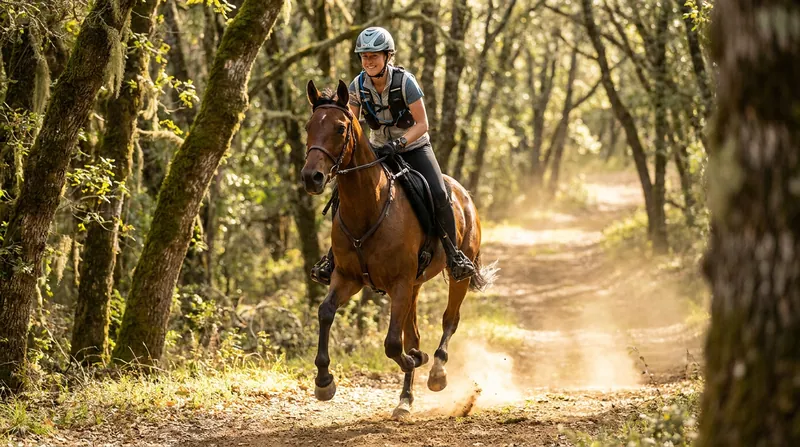
France Seizes Overall Lead in 2026 FEI Eventing Nations Cup Standings Following Strzegom Victory
2 sources
Injury
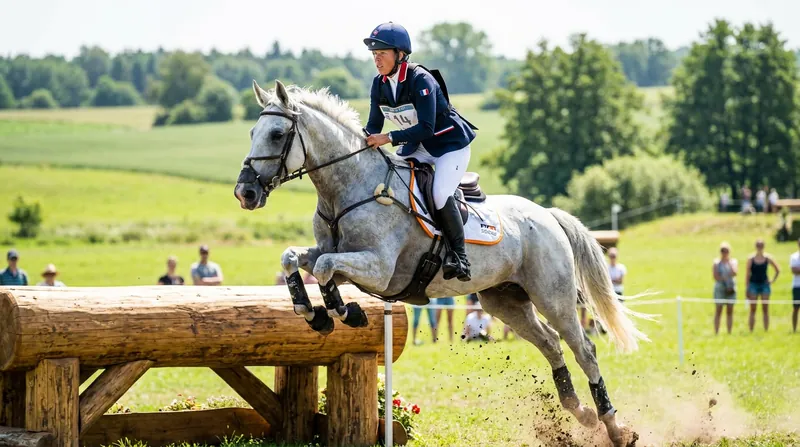
Global Equestrian Injury Report: Innovative Surgeries and Fond Farewells Define the June Slate
2 sources
Standings
Germany Holds Off Surging Belgium and Great Britain in Tight FEI Dressage Nations Cup Race
2 sources
Comments
Every angle. Every day.
Get Sports stories with full source coverage and perspective breakdowns, free every day.