
Amazon and Target Move Summer Mega-Sales to June, Triggering a 96-Hour Retail Showdown
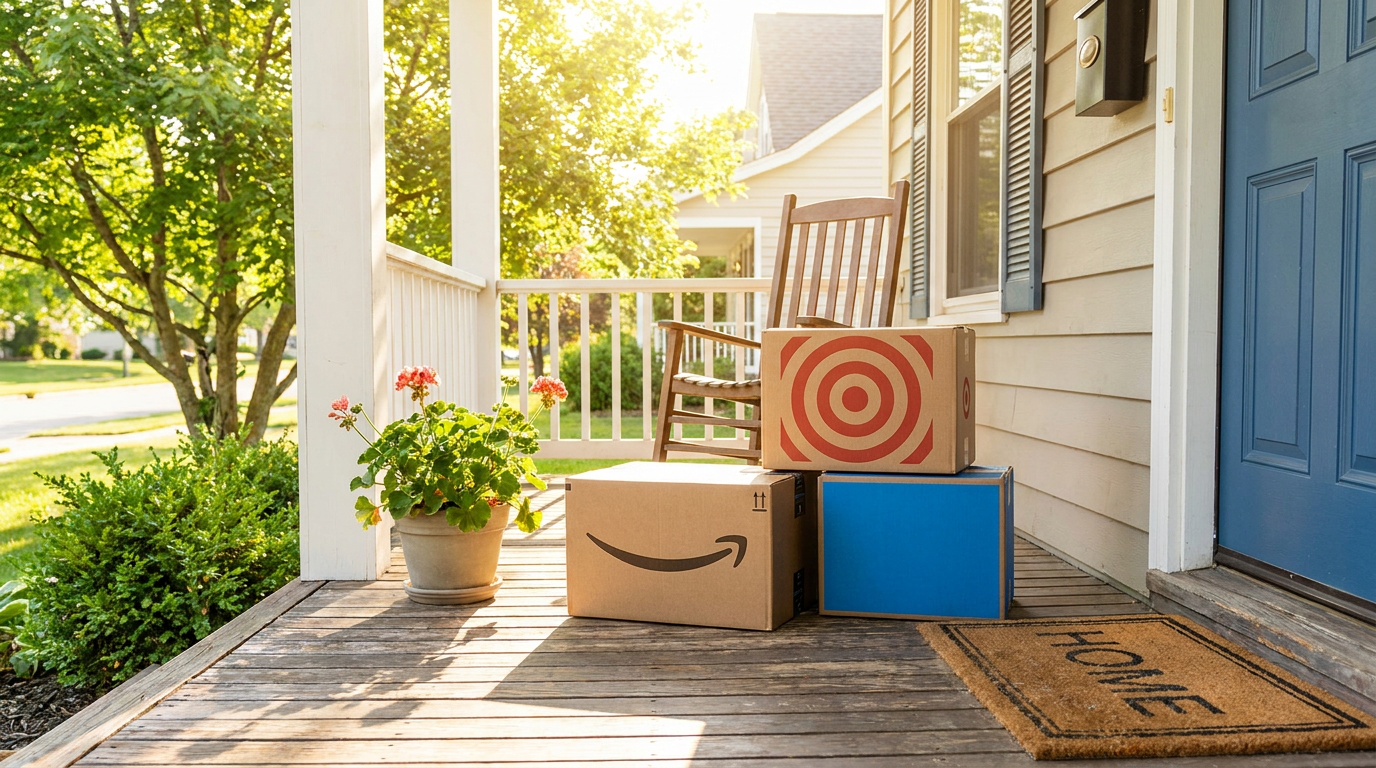
The biggest shopping week of the summer has officially shifted to June, with Amazon, Target, and Walmart all launching overlapping mega-sales from June 23 to 26.
By Factlen Editorial Team
- Bargain Hunters
- Consumers and deal experts focused on maximizing savings by cross-shopping the overlapping events and utilizing early-access perks.
- Retail Strategists
- Industry analysts who view the shift to June as a calculated move to boost Q2 earnings and capture early back-to-school spending.
- Third-Party Sellers
- Independent merchants who must navigate compressed inventory deadlines and manage stock across a grueling 96-hour sales marathon.
What's not represented
- · Logistics and Delivery Drivers
- · Small Independent Retailers
Why this matters
By synchronizing their massive summer sales events, major retailers are creating a highly competitive buyer's market. Consumers who plan ahead can leverage this 96-hour window to score the year's best prices on everything from back-to-school gear to major appliances.
Key points
- Amazon Prime Day and Target Circle Deal Days will both run from June 23 to June 26, 2026.
- The shift to June marks the first time since 2021 that Amazon has moved its flagship event out of July.
- Target is offering its paid Circle 360 members a 24-hour head start on deals beginning June 22.
- Walmart is countering with an overlapping "Walmart Deals" event during the same week.
- Shoppers are advised to download retailer apps and build wishlists early to track price drops.
The summer retail showdown has officially moved up the calendar, turning the final week of June into a mid-year Black Friday. Amazon and Target have both announced that their massive summer sales events will run concurrently from Tuesday, June 23, through Friday, June 26, 2026. The synchronized scheduling guarantees a fierce four-day battle for consumer dollars, with Walmart also launching an overlapping "Walmart Deals" event to ensure it isn't left out of the frenzy. For shoppers, the alignment of these retail giants means unprecedented opportunities to price-match, cross-shop, and score deep discounts on everything from back-to-school essentials to high-end electronics.[1][2][4]
The most notable shift this year is Amazon's decision to move Prime Day out of its traditional July window. Aside from pandemic-related disruptions in 2020 and a brief shift in 2021, the e-commerce behemoth has historically anchored its flagship event in mid-July. By bumping the 96-hour marathon to June 23, Amazon is effectively pulling billions of dollars in consumer spending forward into the second quarter. Retail analysts suggest the move is designed to boost Q2 revenue figures while capturing shoppers before they depart for peak summer vacations.[1][2][3]

Target is refusing to cede any ground, matching Amazon's dates exactly with its newly rebranded "Target Circle Deal Days." The Minneapolis-based retailer is promising discounts of up to 45 percent on kitchen appliances, floorcare, and beauty products, alongside daily deal drops. In a strategic bid to front-run Amazon's kickoff, Target is offering its paid Target Circle 360 members a 24-hour head start, allowing them to begin shopping the discounts on June 22. The company is aggressively pushing its membership tiers, offering 50 percent off annual Circle 360 subscriptions in the lead-up to the event.[2][4]
Walmart's approach to the 2026 deal season has been slightly more fragmented but equally aggressive. The retailer already hosted its members-only "Walmart+ Week" in late April, offering early perks like gas discounts and free express delivery. However, to counter the June gravitational pull of Prime Day and Circle Deal Days, Walmart is reviving its broader "Walmart Deals" event to overlap directly with its rivals. This multi-front retail war means consumers won't need to pledge loyalty to a single ecosystem to find significant markdowns.[2][5]

Walmart's approach to the 2026 deal season has been slightly more fragmented but equally aggressive.
For the millions of third-party merchants who rely on Amazon's marketplace, the earlier Prime Day date has required a rapid logistical pivot. Sellers had to finalize their Lightning Deals and Prime Exclusive Discounts by late May and ensure their inventory reached Amazon's fulfillment centers weeks ahead of the usual schedule. Because Amazon extended Prime Day to a four-day, 96-hour event last year—a format it is retaining for 2026—sellers must also manage their stock levels carefully to avoid running out of hero products before the final bell rings on June 26.[3][6]
Navigating the overlapping sales requires a bit of strategic preparation from consumers. Deal experts recommend downloading the respective retailer apps and building wishlists well in advance, as algorithms will automatically notify users when saved items drop in price. Amazon is heavily promoting its "Alexa for Shopping" feature to help members build personalized deal guides, while Target is leaning into its app-based Circle rewards, which offer 1 percent back on purchases. Being proactive ensures shoppers aren't overwhelmed when thousands of deals go live simultaneously.[1][2][4]

The categories expected to see the steepest price cuts reflect the mid-summer timing. Shoppers can anticipate aggressive markdowns on outdoor furniture, smart yard devices, and travel gear, alongside early back-to-school and college dorm essentials. Target has already teased 40 percent off major apparel brands and dorm room staples, signaling a clear intent to capture the lucrative back-to-school market before families even begin their traditional July shopping routines.[4]
Ultimately, the compression of these mega-sales into a single June week is a massive win for household budgets. Rather than suffering deal fatigue stretched across multiple weeks in July, consumers can treat June 23 to 26 as a concentrated, highly competitive buyer's market. With Amazon, Target, and Walmart all vying for the same discretionary income, the pressure is entirely on the retailers to offer genuine, bottom-dollar pricing to win the summer.
How we got here
July 2015
Amazon launches the first Prime Day as a 24-hour event.
June 2021
Amazon temporarily moves Prime Day to June to accommodate post-pandemic logistics.
July 2025
Amazon extends Prime Day to a four-day, 96-hour marathon.
April 2026
Walmart hosts its members-only Walmart+ Week early in the spring.
June 23, 2026
Amazon, Target, and Walmart launch overlapping 96-hour mega-sales.
Viewpoints in depth
Bargain Hunters
Consumers focused on maximizing savings by cross-shopping the overlapping events.
For deal enthusiasts, the synchronization of Amazon, Target, and Walmart sales is the ideal scenario. Rather than tracking deals across multiple weeks in July, shoppers can treat the final week of June as a concentrated buyer's market. Deal experts emphasize that the best strategy is to avoid loyalty to a single platform; instead, consumers should build wishlists across all three major apps and let the algorithms notify them of price drops. This cross-shopping approach forces retailers to aggressively price-match one another in real-time.
Retail Strategists
Analysts who view the shift to June as a calculated move to boost Q2 earnings.
Industry analysts see the move to June as a deliberate financial maneuver by Amazon to bolster its second-quarter revenue figures. By pulling billions of dollars in consumer spending forward, Amazon not only strengthens its Q2 earnings report but also captures shoppers before they depart for peak summer vacations. Target and Walmart's decision to match the dates ensures they don't cede crucial early back-to-school spending to their biggest rival.
Third-Party Sellers
Independent merchants managing compressed inventory deadlines and a grueling 96-hour sales marathon.
For the independent businesses that make up a massive portion of Amazon's catalog, the shift to June required a rapid logistical pivot. Sellers had to finalize their promotional discounts and ship inventory to fulfillment centers weeks earlier than usual. Furthermore, managing stock levels across a 96-hour event is notoriously difficult; sellers must balance offering deep enough discounts to win the algorithm's favor without running out of inventory before the four-day marathon concludes.
What we don't know
- Whether the shift to June will become a permanent change for future Prime Day events.
- Exactly which specific "hero" products will see the deepest unexpected price cuts during the lightning deals.
Key terms
- Target Circle 360
- Target's paid membership tier that offers unlimited same-day delivery and early access to major sales events.
- Lightning Deal
- A time-limited promotional offer on Amazon where a limited number of discounts are offered on an item for a short period.
- Third-Party Seller
- Independent merchants who use a larger retailer's platform (like Amazon or Walmart) to sell their own inventory directly to consumers.
Frequently asked
When exactly is Amazon Prime Day 2026?
Amazon Prime Day will run for 96 hours from Tuesday, June 23, through Friday, June 26, 2026.
Do I need a membership to shop the Target sale?
Yes, Target Circle Deal Days require a free Target Circle membership. For 24-hour early access starting June 22, you need the paid Target Circle 360 tier.
Why did the sales move to June this year?
Analysts believe Amazon moved the event from its traditional July slot to boost second-quarter revenue and capture early back-to-school shopping.
Is Walmart having a sale at the same time?
Yes, Walmart is running a "Walmart Deals" event that overlaps with the Amazon and Target sales, despite having already hosted its Walmart+ Week in the spring.
Sources
Source coverage
6 outlets
3 viewpoints surfaced





[1]NBC NewsBargain Hunters
Amazon Prime Day 2026 is happening from June 23 to 26
Read on NBC News →[2]Digital Commerce 360Retail Strategists
Amazon moves Prime Day 2026 event to June
Read on Digital Commerce 360 →[3]TodayBargain Hunters
Amazon Prime Day 2026 is 1 Week Away! Here's What You Should Know
Read on Today →Target Circle Week 2026 dates, and everything you should know
Read on NBC Select →[5]ForbesRetail Strategists
Walmart+ Week 2026 Is Officially Here
Read on Forbes →[6]Amazon Seller CentralThird-Party Sellers
Make this your biggest Prime Day yet
Read on Amazon Seller Central →

More in shopping
See all 5 stories →

Every angle. Every day.
Get shopping stories with full source coverage and perspective breakdowns delivered to your inbox.