
Germany's 2026 World Cup Tactical Blueprint: How Nagelsmann Engineered a Pressing Machine
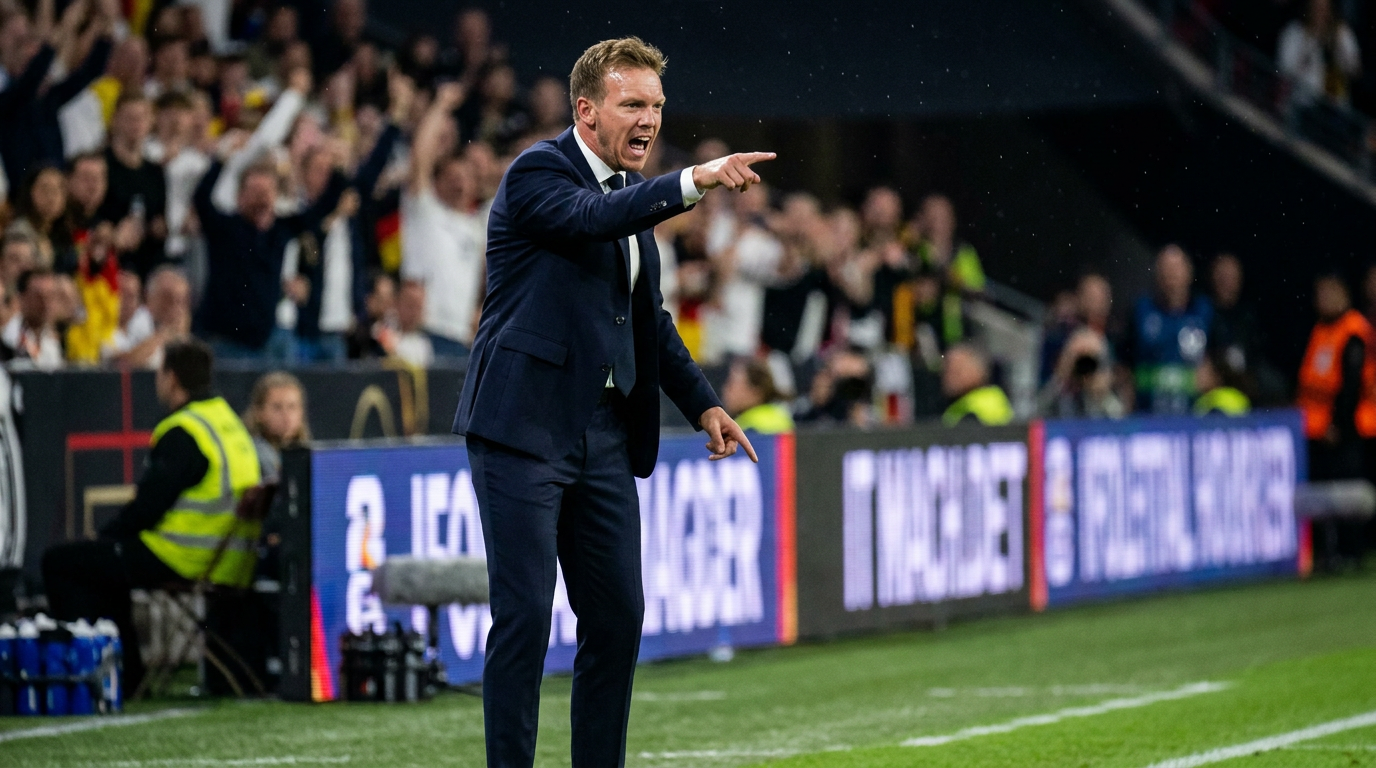
Following a dominant 7-1 opening victory, Julian Nagelsmann's Germany has emerged as a tactical front-runner at the 2026 World Cup, relying on extreme spatial manipulation and a rapid counter-press.
By Factlen Editorial Team
- Tactical Purists
- Analysts praising the geometric complexity and spatial manipulation of Nagelsmann's system.
- Pragmatic Skeptics
- Observers warning that the high-wire pressing act carries significant structural risks against top-tier opposition.
- Optimistic Supporters
- Fans and officials relieved to see a return to passionate, vertical football after years of sterile possession.
What's not represented
- · Opposing Managers in Group E
- · Domestic Club Managers concerned about fatigue
Why this matters
For a nation haunted by consecutive group-stage exits in 2018 and 2022, this tactical evolution signals a return to global dominance, transforming Die Mannschaft from a rigid possession-based side into a dynamic, unpredictable contender.
Key points
- Germany has abandoned rigid possession football for a fluid 4-2-2-2 system built on extreme spatial manipulation.
- The team compresses space in under 2.8 seconds after losing possession, utilizing an elite rest defense.
- Jamal Musiala and Florian Wirtz operate as dual creative engines in the half-spaces to break down low blocks.
- Julian Nagelsmann's aggressive high line leaves center-backs occasionally vulnerable to isolated one-on-one counter-attacks.
- The 7-1 opening victory over Curaçao served as a definitive proof of concept for the new tactical identity.
Consecutive group-stage exits in 2018 and 2022 left the four-time World Cup champions in a state of footballing identity crisis. But under the guidance of Julian Nagelsmann, Die Mannschaft has arrived in North America with a radically retooled system. The definitive proof of concept arrived on June 14 in Houston, where Germany dismantled Curaçao 7-1 in their Group E opener. While the scoreline captured global headlines, the true revelation was the team's relentless, highly orchestrated pressing structure, which signaled a clear departure from the sluggish possession-based approaches of previous tournaments.[1][8]
For years, the German national team seemed trapped between the remnants of high-possession dogmatism and an inability to find structural balance during defensive transitions. Nagelsmann has explicitly rejected those rigid positional profiles, demanding a more passionate and vertical approach from his squad. Instead, his 2026 iteration operates as an intellectual, geometric network built on extreme spatial manipulation and a directed, territory-based defensive block. The system is explicitly designed not just to hold the ball for the sake of possession, but to manipulate opposition defensive lines, suffocate central channels during the build-up phase, and lock opponents into hyper-specific traps when out of possession.[2]
On paper, Germany lines up in a standard 4-2-3-1, but under modern tactical theory, that starting formation is merely a temporary arrangement for the pre-match graphic. In possession, the shape fluidly flexes into a lopsided 3-2-5 or an aggressive 4-2-2-2. Captain Joshua Kimmich, deployed at right-back rather than in his traditional central midfield role, pushes exceptionally high to provide width. Simultaneously, the left-back tucks inside to form a back three, allowing the wingers to invert and flood the central attacking channels with overwhelming numbers.[1][2][7]

The foundation of this complex system begins at the very back with Manuel Neuer. The 40-year-old veteran spectacularly reversed his international retirement following the 2024 European Championship to play in his fifth World Cup. Under Nagelsmann, Neuer’s role transcends traditional shot-stopping; he acts as an active sweeper and the absolute baseline of Germany's build-up mechanics. His extreme high positioning allows the primary center-back pairing of Jonathan Tah and Nico Schlotterbeck to push aggressively up the pitch, compressing the playable area for the opposition.[4][5][6]
The true innovation of Nagelsmann's Germany lies in their out-of-possession structure. Against Curaçao, Germany didn't merely hunt the ball with herd-like energy; they constructed deliberate positional traps. The line of confrontation regularly started just outside the opposition's penalty box. The top pressing pair tightly marked the defensive pivots, while inverted wingers cut off lateral passing lanes across the width of the pitch. This coordinated pressure forced predictable long balls, which Germany's physically dominant backline easily swept up to restart the attack.[8]
The true innovation of Nagelsmann's Germany lies in their out-of-possession structure.
This high-wire act is sustained by an elite rest defense. Where previous iterations of the national team would scatter and retreat after turnovers, the 2026 squad keeps a triangulated net around the deepest opposition midfielder. According to sequence data from their opening match, Germany compressed space in under 2.8 seconds after losing possession. By pinning the opposition within their own defensive third and immediately recycling the counter-press, Germany won possession in the attacking third more times in the first hour than in any group stage match since 2010.[8]

In the attacking third, Germany relies heavily on the creative one-two punch of Jamal Musiala and Florian Wirtz. Operating primarily in the half-spaces, both elite playmakers are granted the tactical freedom to drift across the pitch, create localized overloads, and break down rigid defensive blocks with rapid combinations. Their fluid interchanges and elite dribbling in tight areas make traditional man-marking nearly impossible for opposing defenses, serving as the primary engine for Germany's offensive output. Even when facing deep, low-block defenses, their ability to navigate traffic ensures the attack rarely stagnates.[3][4]
Up front, Nagelsmann has cultivated a versatile attacking arsenal tailored to different match states. Kai Havertz often operates as a deep-lying center-forward, dropping into midfield to create a five-man central overload and link play. However, when matches demand physical gravity in the penalty area, Nagelsmann turns to 1.98m breakout striker Nick Woltemade or the clinical Deniz Undav. Woltemade, who scored four goals in qualifying, offers a unique blend of immense aerial presence and technical dribbling, effectively pinning central defenders deep in their own box and creating space for the advancing midfielders.[2][4][7]

The midfield engine room provides the necessary ballast to balance the attacking quartet. While Aleksandar Pavlovic and Felix Nmecha offer exceptional technical control and passing range, Leon Goretzka remains a vital tactical lever. Against elite, high-pressing opposition that looks to physically dominate the center of the pitch, Goretzka seamlessly slots into the double pivot. He provides a rugged box-to-box profile, making late third-man runs into the penalty area while offering the elite-level counter-pressing intensity required to lock down opposing transitions before they can fully form.[2][4]
Despite the opening rout, structural vulnerabilities remain within the system. The aggressive, advanced positioning of the full-backs and the sheer height of the defensive line can create isolated one-versus-one situations for the center-backs. Structural gaps on the flanks have occasionally been exposed during the qualification campaign when opponents utilized deep low blocks and rapid, precise counter-attacks to bypass the initial 2.8-second press. If an opponent can accurately launch a long ball over the first wave of pressure, defenders like Tah and Schlotterbeck are forced into desperate recovery sprints without adequate cover behind them.[1][2][8]
The core of this tactical execution relies heavily on the Munich axis. With Neuer, Kimmich, Goretzka, Musiala, and Tah all bringing Bayern Munich's domestic chemistry to the international stage, Nagelsmann has successfully ported club-level cohesion to a national team setting. This pre-existing familiarity is crucial for executing complex, split-second pressing triggers and fluid positional interchanges with the limited training time typically afforded in international football. Relying on this established core allows the manager to implement a highly sophisticated club-style system that most national teams simply do not have the cohesion to pull off.[1][4]
As Germany prepares for their upcoming Group E clashes against Côte d'Ivoire in Toronto and Ecuador in New Jersey, the blueprint is clear. Nagelsmann has demanded passion and emotion, marrying the tactical obsession of his club career with the historical weight of the national team. If this high-wire pressing system holds up against elite counter-attacking sides in the knockout stages, this transitioning generation is well-positioned to end their recent string of early exits and mount a serious challenge for a fifth World Cup star.[1][5][8]
How we got here
2018 & 2022
Germany suffers consecutive group-stage exits at the FIFA World Cup, prompting a crisis of footballing identity.
Sep 2023
Julian Nagelsmann is appointed head coach, tasked with modernizing the national team's tactical approach.
May 2026
Manuel Neuer reverses his international retirement to join the 26-man squad for the North American tournament.
Jun 14, 2026
Germany opens their 2026 World Cup campaign with a dominant 7-1 victory over Curaçao in Houston, showcasing their new high-pressing system.
Viewpoints in depth
Tactical Purists
Analysts praising the geometric complexity and spatial manipulation of Nagelsmann's system.
For modern tactical purists, Germany's 2026 iteration is a masterclass in spatial control. Analysts highlight the team's ability to flex from a 4-2-3-1 into a 3-2-5, utilizing staggered pivots and inverted wingers to suffocate opponents. The defining metric of this success is their rest defense; by compressing space in under 2.8 seconds after losing possession, Germany effectively neutralizes transition threats before they materialize, turning defensive actions into immediate playmaking opportunities.
Pragmatic Skeptics
Observers warning that the high-wire pressing act carries significant structural risks against top-tier opposition.
Skeptics point out that dismantling Curaçao 7-1 is vastly different from facing the elite counter-attacking speed of France or Brazil. By committing so many bodies forward and pushing the full-backs high, Germany frequently leaves center-backs Jonathan Tah and Nico Schlotterbeck isolated in vast expanses of space. If an elite opponent can bypass the initial 2.8-second counter-press with a single accurate long ball, Germany's defensive line is highly vulnerable to one-on-one footraces.
Optimistic Supporters
Fans and officials relieved to see a return to passionate, vertical football after years of sterile possession.
For the German public, the tactical nuances are secondary to the visible shift in mentality. Fans had grown deeply frustrated with the high-possession dogmatism that defined the late Joachim Löw and Hansi Flick eras, which often resulted in slow, predictable passing and shocking tournament exits. Nagelsmann's demand for emotion, combined with the direct, aggressive verticality of players like Florian Wirtz and Jamal Musiala, has restored a sense of identity and entertainment to Die Mannschaft.
What we don't know
- How Germany's aggressive high line will hold up against elite, pace-heavy counter-attacking teams in the knockout stages.
- Whether the intense physical demands of Nagelsmann's pressing system will lead to late-tournament fatigue.
- If 40-year-old Manuel Neuer can maintain his sweeping duties consistently throughout a grueling month-long tournament.
Key terms
- Rest Defense
- The structural positioning of attacking and midfield players while their team has possession, specifically designed to immediately stop counter-attacks if the ball is lost.
- Double Pivot
- Two central defensive midfielders playing alongside each other to shield the defense and dictate the tempo of the build-up play.
- Half-spaces
- The vertical channels on a football pitch between the wide areas (flanks) and the center, often exploited by creative attacking midfielders.
- Counter-press
- A tactical approach where a team immediately attempts to win the ball back within seconds of losing possession, rather than retreating into a defensive shape.
- False 9
- A center-forward who frequently drops deep into midfield to link play and create numerical advantages, rather than staying high against the center-backs.
Frequently asked
What formation does Germany play under Julian Nagelsmann?
On paper, Germany lines up in a 4-2-3-1, but in possession, they fluidly transition into a lopsided 3-2-5 or 4-2-2-2 to overload the attacking third.
Who is Germany's starting goalkeeper for the 2026 World Cup?
40-year-old veteran Manuel Neuer reversed his international retirement to serve as Germany's first-choice goalkeeper and active sweeper.
What is Germany's biggest tactical weakness?
Their aggressive high press and advanced full-backs can leave structural gaps on the flanks, forcing their center-backs into isolated one-on-one situations during rapid counter-attacks.
Who are Germany's key playmakers?
Jamal Musiala and Florian Wirtz operate as the dual creative engines, drifting into the half-spaces to break down defensive blocks.
Sources
Source coverage
8 outlets
3 viewpoints surfaced








[1]The GuardianPragmatic Skeptics
Germany World Cup 2026 team guide
Read on The Guardian →[2]Tactical Football AnalysisTactical Purists
Julian Nagelsmann Tactics At Germany - World Cup 2026
Read on Tactical Football Analysis →[3]beIN SPORTSOptimistic Supporters
Julian Nagelsmann's Official Germany Squad For The 2026 FIFA World Cup
Read on beIN SPORTS →[4]GoalOptimistic Supporters
Germany squad World Cup 2026: Which players made it to the showpiece
Read on Goal →[5]FIFAOptimistic Supporters
Neuer named in Germany's World Cup squad
Read on FIFA →[6]DFBOptimistic Supporters
Nagelsmann reveals 26-man squad for the FIFA World Cup
Read on DFB →[7]BundesligaPragmatic Skeptics
How will Germany line up at the FIFA World Cup 2026?
Read on Bundesliga →[8]Football Tactics ObserverTactical Purists
Germany's Relentless High Press: The Structural Secret Behind World Cup Rout
Read on Football Tactics Observer →

More in sports
See all 9 stories →Standings
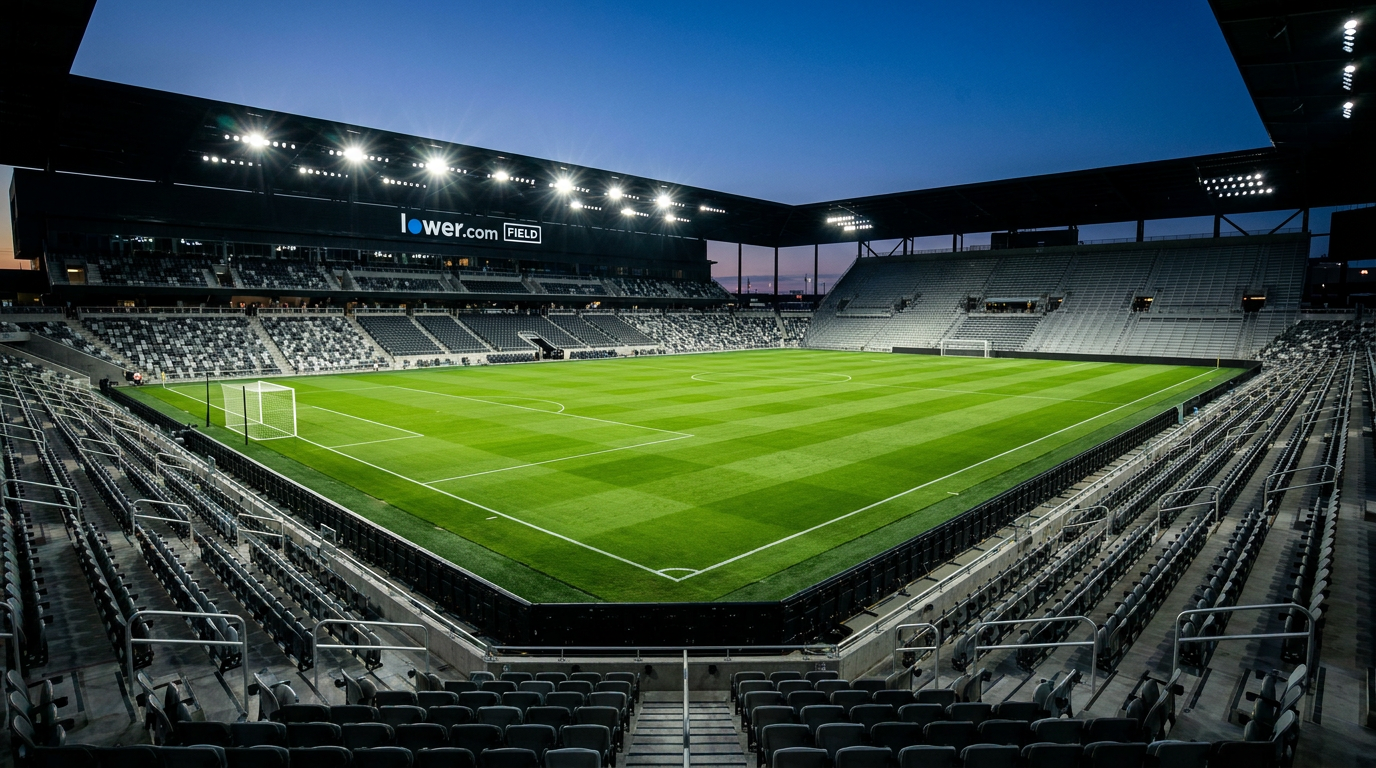
MLS Standings at the World Cup Break: Nashville SC and Vancouver Lead as Inter Miami Surges
0 sources
British Tennis
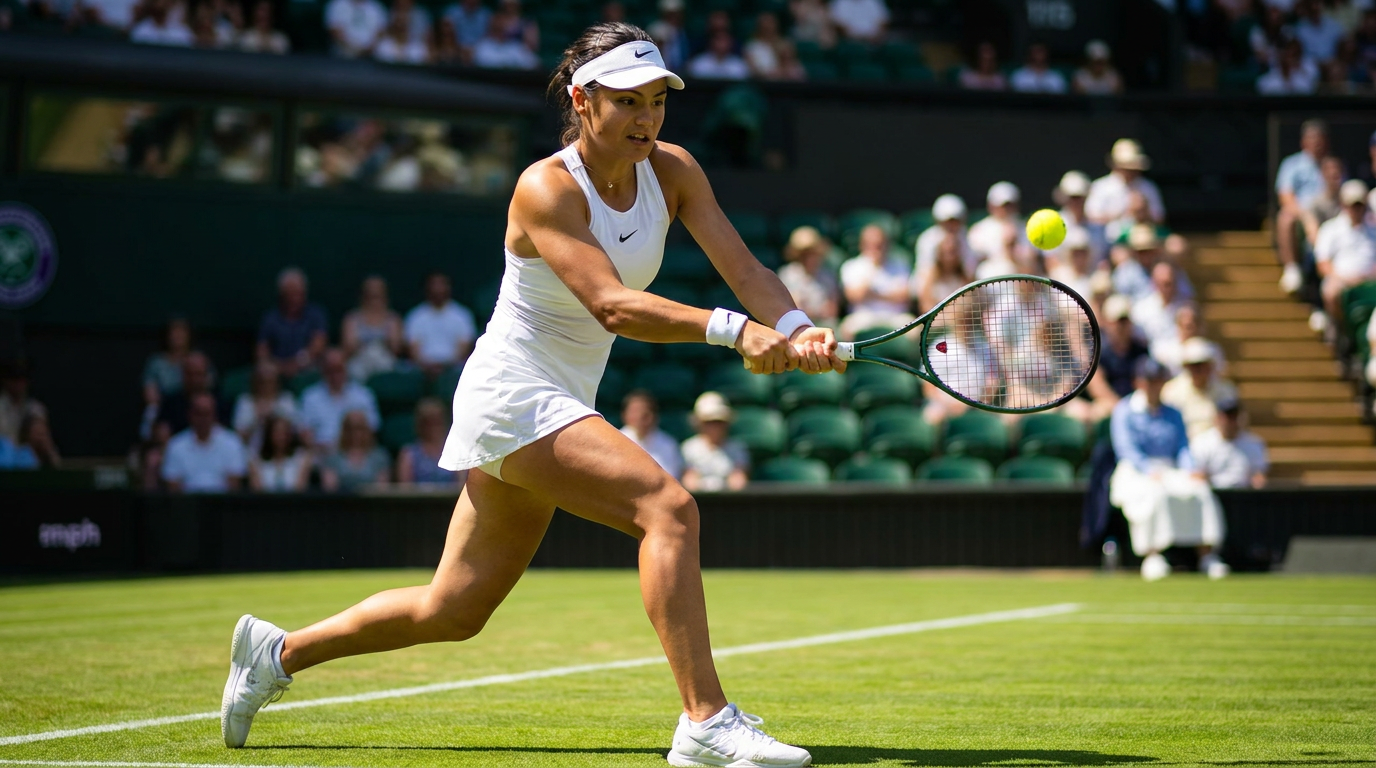
17-Year-Old Hannah Klugman Secures First WTA Tour Victory at Nottingham Open
0 sources
NBA Finals
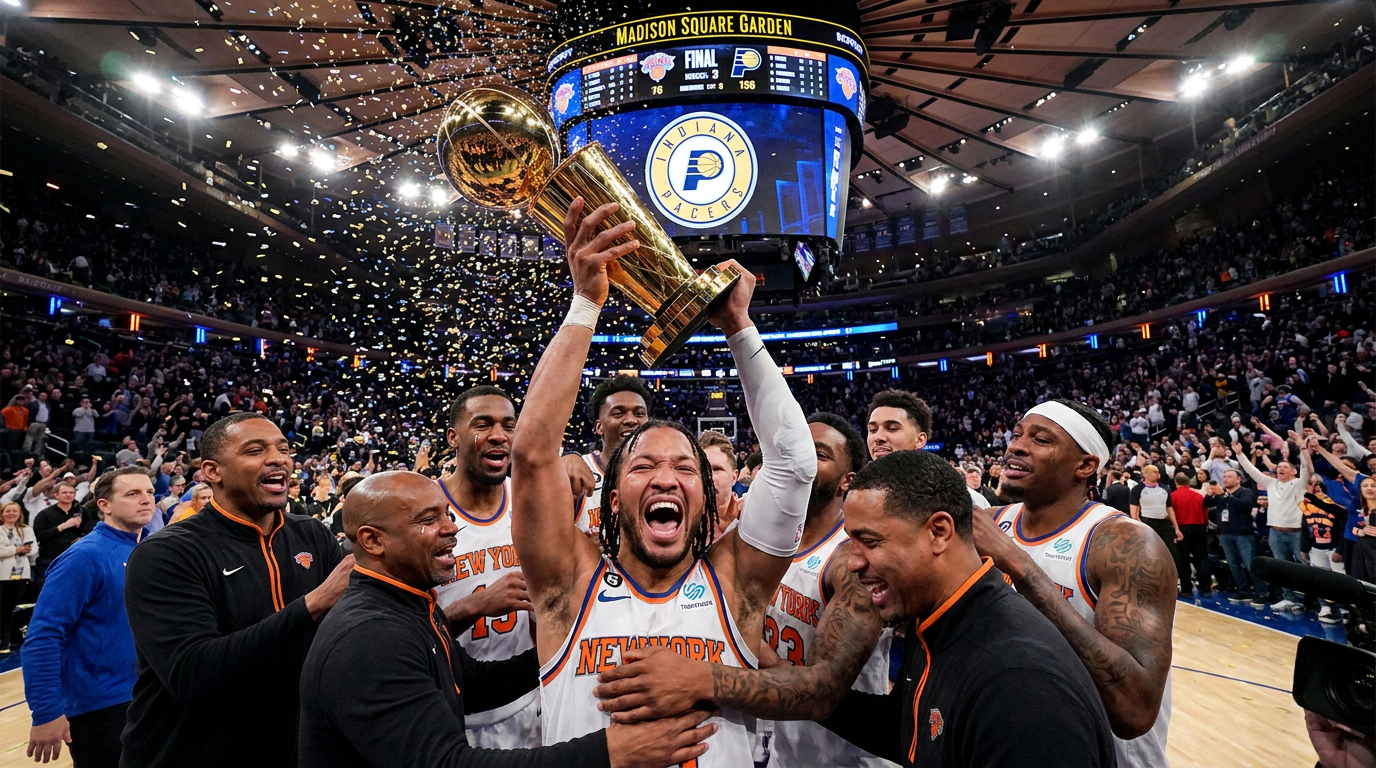
New York Knicks Win 2026 NBA Finals, Ending 53-Year Championship Drought
0 sources
Injury
Global Basketball Injury Report: Sabrina Ionescu Returns as NBA and WNBA Stars Battle Through June
0 sources

Every angle. Every day.
Get sports stories with full source coverage and perspective breakdowns delivered to your inbox.