
US and Iran Reach Preliminary Deal to End War and Reopen Strait of Hormuz
The United States and Iran have agreed to a memorandum of understanding to halt hostilities and reopen the critical Strait of Hormuz, setting the stage for a formal signing in Geneva. The breakthrough pauses a devastating three-month conflict, though major questions remain over nuclear concessions, Israeli military operations in Lebanon, and waterway tolls.
By Factlen Editorial Team
- U.S. Establishment & Administration
- Views the deal as a decisive victory that neutralizes Iran's nuclear threat and restores global commerce.
- Regional & Iranian Observers
- Frames the agreement as a successful resistance that secures sanctions relief and ends the naval blockade.
- European & Allied Observers
- Relieved by the de-escalation but deeply skeptical of the deal's loose ends regarding freedom of navigation.
- Neutral & Market Analysts
- Focuses on the logistical realities of reopening the strait and the lingering risks to global energy prices.
What's not represented
- · Lebanese civilians displaced by the ongoing Israeli-Hezbollah conflict
- · Commercial shipping companies facing skyrocketing insurance premiums
Why this matters
The reopening of the Strait of Hormuz will restore the flow of 20 percent of the world's oil, easing a major bottleneck that has driven up global energy costs and inflation over the last three months.
Key points
- The U.S. and Iran have agreed to a 14-point memorandum of understanding to end the war and reopen the Strait of Hormuz.
- A formal signing ceremony is scheduled for Friday in Geneva, attended by U.S. and Iranian officials.
- The deal lifts the U.S. naval blockade within 30 days and triggers a 60-day negotiation period for nuclear and sanctions issues.
- U.S. and Iranian officials have publicly contradicted each other regarding the release of frozen assets and waterway tolls.
- European leaders are preparing a maritime taskforce to secure the strait amid skepticism over the deal's stability.
- Israel's refusal to withdraw from southern Lebanon remains a major complication for the region-wide ceasefire.
The United States and Iran have reached a preliminary agreement to end their three-and-a-half-month war, committing to a memorandum of understanding (MoU) that would reopen the Strait of Hormuz and lift the U.S. naval blockade. The breakthrough pauses a devastating conflict that has killed thousands, paralyzed global energy markets, and drawn in regional powers across the Middle East.[1][2][4][7]
Mediated by Pakistan and Qatar, the 14-point framework is scheduled to be formally signed on Friday in Geneva, Switzerland. U.S. Vice President JD Vance and Iranian chief negotiator Mohammad-Bagher Ghalibaf are expected to attend the ceremony, marking the highest-level diplomatic engagement between the two adversaries since the war began in late February.[1][2][4]
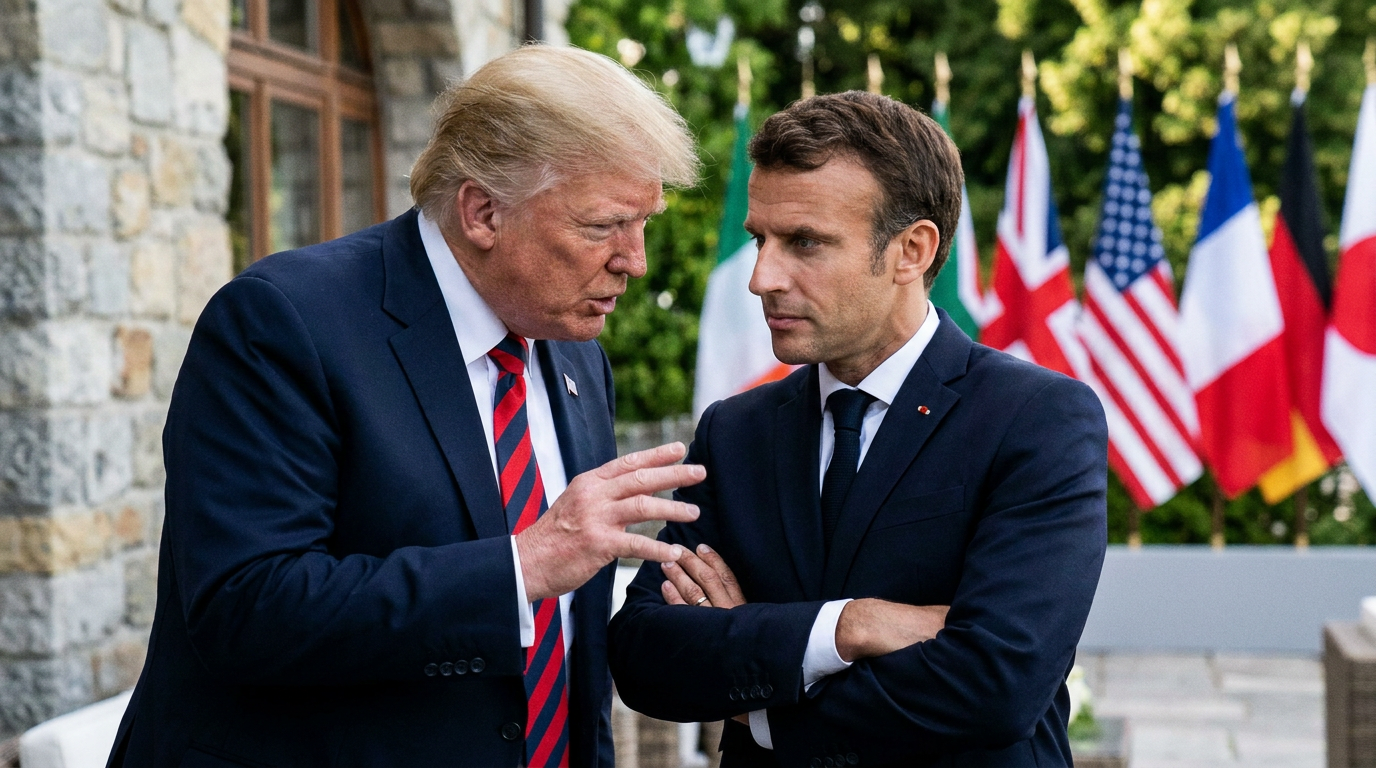
President Donald Trump announced the breakthrough on Sunday—his 80th birthday—declaring the deal "all signed" and promising that the critical waterway would be "completely open" for global shipping by the end of the week. Speaking from the G7 summit in Évian-les-Bains, France, Trump framed the agreement as a total vindication of his military campaign.[2][7][8]

Trump claimed the war had successfully neutralized Tehran's nuclear ambitions, asserting that Iran had "fully agreed" to never acquire a nuclear weapon and would submit to "strong policing powers." He argued that the U.S. military strikes had left Iran substantially weakened, forcing them to accept terms that would integrate them into the global economy under strict American oversight.[2][3][8]
Iranian officials, however, offered a starkly different interpretation of the immediate terms. Iranian Foreign Minister Abbas Araghchi clarified that the current MoU focuses strictly on ceasing hostilities and lifting the naval blockade within 30 days. Discussions regarding permanent restrictions on Iran's nuclear program and the potential relief of U.S. sanctions are slated for a subsequent 60-day negotiation phase, not the Friday signing.[1][3][4]
A major sticking point remains the unfreezing of Iranian funds. Iranian state media reported that the agreement guarantees the release of up to $24 billion in frozen assets—with an initial $12 billion released before the 60-day talks even begin. U.S. officials, including Vice President Vance, have explicitly denied that Iran will receive billions of dollars upfront, highlighting a dangerous gap in the two sides' public narratives.[4][7]
A major sticking point remains the unfreezing of Iranian funds.
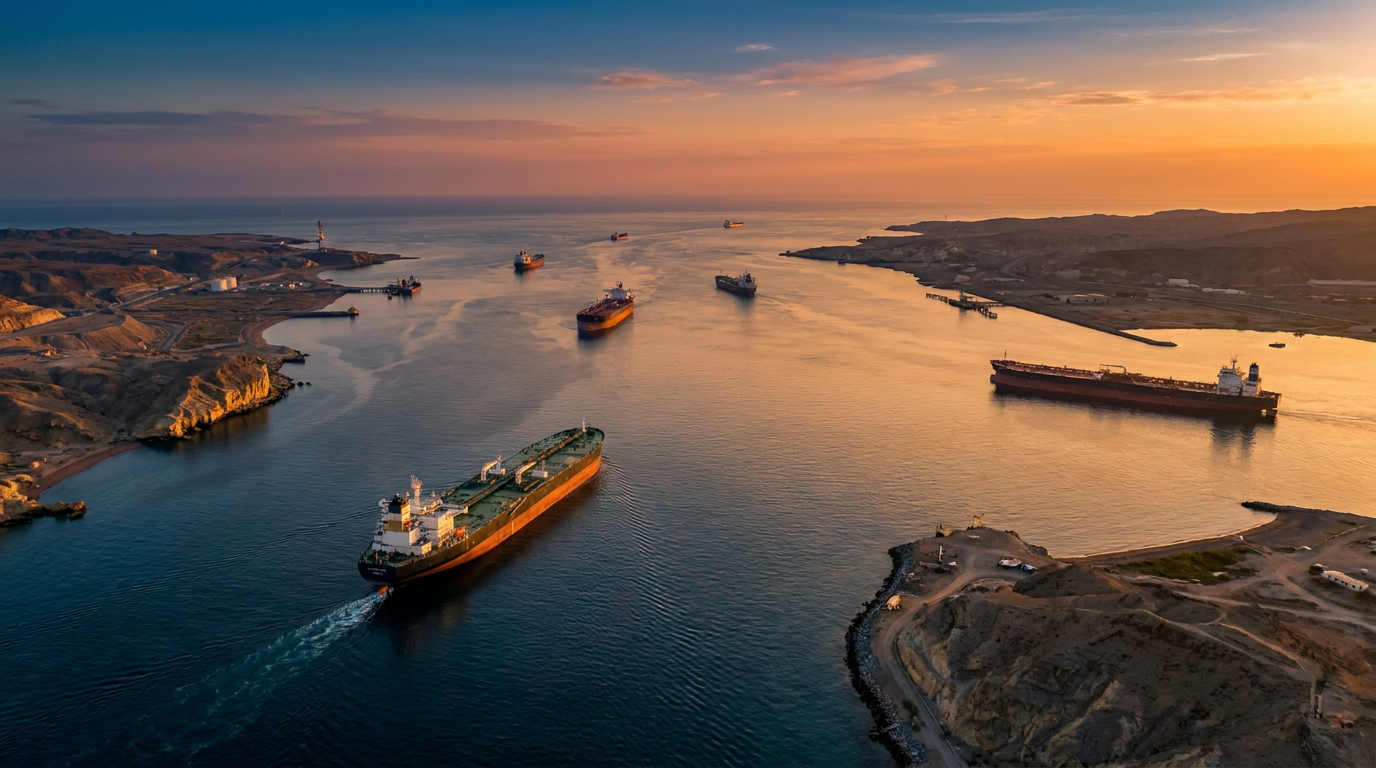
Freedom of navigation through the Strait of Hormuz, a choke point for roughly 20 percent of the world's oil supply, is also fiercely contested. While Trump promised a "toll-free" waterway, Iranian officials have reportedly insisted on the right to charge fees for maritime services. This formulation would effectively establish an Iranian tolling system over international waters, a concession that European leaders fiercely oppose.[2][5][6]

At the G7 summit, European leaders expressed cautious relief mixed with deep skepticism over the deal's loose ends. Many allied nations had refused to let the U.S. use European bases for the initial strikes on Iran, and diplomats remain wary of the unilateral nature of the negotiations. They fear the agreement could unravel before the ink is dry if the tolling dispute escalates.[2]
To prevent a collapse and secure the waterway, French President Emmanuel Macron offered to deploy a Franco-British maritime taskforce. Macron stated that France could send the Charles de Gaulle aircraft carrier, along with frigates and mine-clearing vessels, to the region within days to escort commercial ships and ensure the reopening is peaceful, bypassing reliance on either U.S. or Iranian security guarantees.[2][4]
The most volatile loose end is the ongoing conflict in Lebanon. The MoU reportedly mandates a permanent cessation of hostilities on all fronts, including the Israeli-Hezbollah war. However, Israeli Prime Minister Benjamin Netanyahu stated that Israel will not withdraw from captured territory in southern Lebanon, viewing the northern security buffer as non-negotiable.[1][2][4][6]
Iranian officials have warned that the entire U.S. deal is contingent on Israel abiding by the ceasefire in Lebanon. Meanwhile, Hezbollah released a statement crediting Iran with a "major achievement" but insisting there will be no return to the pre-war status quo, setting the stage for continued localized clashes despite the broader U.S.-Iran truce.[2][4]

The prospect of reopening the strait sent immediate ripples through global markets, with crude oil prices dropping from their wartime highs and equities rallying. However, analysts warn that damaged port infrastructure, lingering sea mines, and skyrocketing maritime insurance premiums mean that gas prices for everyday consumers may remain elevated for months despite the diplomatic breakthrough.[2][5][6]
How we got here
Late February 2026
The U.S. and Israel launch a military campaign against Iran, closing the Strait of Hormuz.
Early April 2026
An initial, fragile ceasefire is agreed upon but fails to hold across all regional fronts.
June 14, 2026
The U.S. and Iran reach a preliminary 14-point memorandum of understanding mediated by Pakistan and Qatar.
June 19, 2026
Formal signing ceremony scheduled in Geneva, Switzerland, to officially commence the truce.
Viewpoints in depth
U.S. Administration's view
The deal is a decisive victory that neutralizes Iran's nuclear threat and restores global commerce.
President Trump and his surrogates are framing the Geneva memorandum as a total vindication of the administration's military campaign. By forcing Tehran to the table, U.S. officials argue they have secured ironclad commitments that Iran will never develop a nuclear weapon, backed by 'strong policing powers.' They maintain that the Strait of Hormuz will reopen immediately and toll-free, rejecting any notion that the U.S. is paying billions in unfreezing assets just to restore the pre-war status quo.
Iranian Leadership's view
The agreement is a tactical pause that secures sanctions relief and ends the U.S. naval blockade without surrendering nuclear rights.
Tehran is projecting the ceasefire as a successful resistance against American and Israeli aggression. Iranian officials emphasize that the immediate 14-point framework only covers the cessation of hostilities and the lifting of the naval blockade, pushing any concessions on their nuclear program into a future 60-day negotiation window. Furthermore, Iranian state media insists the deal guarantees the release of billions in frozen assets and preserves Iran's sovereign right to charge maritime service fees in the Strait of Hormuz.
European Allies' view
The ceasefire is a welcome relief for the global economy, but the agreement is dangerously vague and fragile.
G7 leaders, while relieved that the devastating three-month conflict is pausing, are deeply skeptical of the deal's loose ends. European diplomats fear that allowing Iran to charge 'maritime service fees' equates to an illegal tolling system that threatens freedom of navigation. To prevent the agreement from unraveling and to secure the waterway, leaders like French President Emmanuel Macron are rushing to deploy a Franco-British maritime taskforce to clear mines and escort commercial vessels, bypassing reliance on either U.S. or Iranian assurances.
Israeli Government's view
The U.S.-brokered ceasefire does not negate Israel's security imperatives, particularly in southern Lebanon.
While Israel is not a direct signatory to the U.S.-Iran memorandum, the conflict's regional spillover makes Jerusalem a critical spoiler. Prime Minister Benjamin Netanyahu has made it clear that Israel will not withdraw from captured territory in southern Lebanon, despite the MoU's call for a cessation of hostilities on all fronts. Israeli officials view the preservation of their northern security buffer as non-negotiable, setting up a potential flashpoint that Iran warns could void the entire Geneva agreement.
What we don't know
- Whether Iran will actually be permitted to charge 'maritime service fees' for ships passing through the Strait of Hormuz.
- The exact amount of frozen Iranian assets that will be released, and the timeline for their transfer.
- How the U.S. will enforce the ceasefire in Lebanon if Israeli forces refuse to withdraw from captured territory.
Key terms
- Memorandum of Understanding (MoU)
- A formal agreement between two or more parties that outlines the terms and details of a mutual understanding, often serving as the foundation for a legally binding contract.
- Strait of Hormuz
- A narrow, strategically vital waterway between the Persian Gulf and the Gulf of Oman through which roughly 20 percent of the world's oil supply passes.
- Naval Blockade
- An act of war where a country uses its navy to prevent vessels from entering or leaving the ports of an enemy nation.
- Uranium Enrichment
- The process of increasing the concentration of the uranium-235 isotope, which can be used to fuel nuclear power plants or, at high levels, build nuclear weapons.
Frequently asked
Is the war between the U.S. and Iran officially over?
Not entirely. The current agreement is a memorandum of understanding (MoU) to extend a ceasefire and lift blockades, but a final peace treaty depends on a subsequent 60-day negotiation period.
Will gas prices drop immediately?
While global crude oil prices fell on the news, experts warn that damaged infrastructure, lingering sea mines, and high insurance premiums may keep prices at the pump elevated for months.
Did Iran agree to give up its nuclear program?
President Trump claims Iran agreed to never build a nuclear weapon, but Iranian officials state that nuclear restrictions and sanctions relief are subjects for the next phase of negotiations, not the current MoU.
How does this affect the conflict in Lebanon?
The MoU calls for a cessation of hostilities on all fronts, including Lebanon. However, Israel has stated it will not withdraw from captured southern Lebanese territory, which Iran warns could threaten the deal.
Sources
Source coverage
8 outlets
4 viewpoints surfaced








[1]Al JazeeraRegional & Iranian Observers
Trump says Iran deal to be signed tomorrow, contradicting Iranian official
Read on Al Jazeera →[2]The GuardianEuropean & Allied Observers
Trump declares US-Iran peace deal 'all signed' as G7 leaders battle to tie up loose ends
Read on The Guardian →[3]ForbesU.S. Establishment & Administration
Trump, U.S. Officials Give Conflicting Details On Iran Deal
Read on Forbes →[4]PBSNeutral & Market Analysts
US, Iran reach initial agreement to extend ceasefire, reopen Strait of Hormuz
Read on PBS →[5]The New York TimesNeutral & Market Analysts
Gas Prices May Remain High Despite US-Iran Deal
Read on The New York Times →[6]Financial TimesEuropean & Allied Observers
Trump says US-Iran deal to reopen Strait of Hormuz is 'complete'
Read on Financial Times →[7]The NationalRegional & Iranian Observers
US and Iran reach deal to end war and reopen Strait of Hormuz
Read on The National →[8]Fox NewsU.S. Establishment & Administration
MORNING GLORY: Trump and the radical theocrats of Iran
Read on Fox News →
More in news politics
See all 8 stories →AI Regulation
How AI Deepfakes Became an Operational Reality in the 2026 Midterms
0 sources

Election Integrity
How Cryptographic Provenance and Invisible Watermarks Are Securing the 2026 Elections
0 sources

Information Science
The Science of Debunking: Which Fact-Checking Methods Actually Work
0 sources

Drone Security
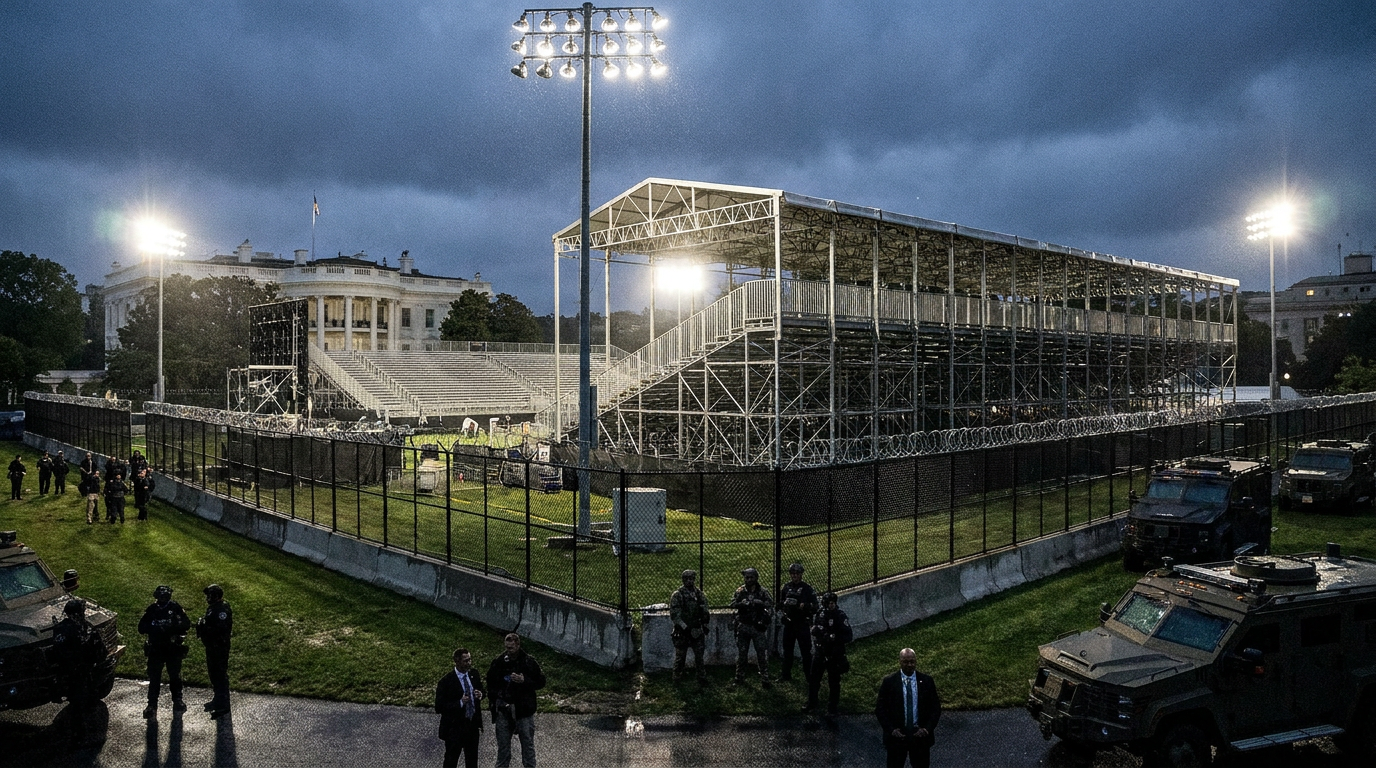
FBI Thwarts Explosive-Drone Plot Targeting White House UFC Event
0 sources
Every angle. Every day.
Get news politics stories with full source coverage and perspective breakdowns delivered to your inbox.