
US and Iran Reach Peace Agreement to End War and Reopen Strait of Hormuz
President Trump announced a memorandum of understanding with Iran to halt hostilities, lift the U.S. naval blockade, and reopen the Strait of Hormuz. The preliminary deal initiates a 60-day negotiation period to address Iran's nuclear program, though key details remain fiercely contested.
By Factlen Editorial Team
- U.S. Administration
- Focuses on neutralizing the nuclear threat, securing toll-free shipping, and ending the conflict from a position of strength.
- Iranian Leadership
- Frames the agreement as a victory that secures sanctions relief, unfreezes billions in assets, and asserts sovereignty over the Strait of Hormuz.
- Israeli Government
- Views the deal with skepticism, maintaining that it does not adequately address the threat from Hezbollah and reserving the right to act independently.
- Global Energy Markets
- Prioritizes the immediate resumption of oil flows and the stabilization of shipping routes over the political nuances of the negotiations.
What's not represented
- · Lebanese civilians affected by the ongoing Israel-Hezbollah conflict
- · Commercial shipping companies navigating the newly reopened strait
Why this matters
The agreement pauses a devastating three-month war that disrupted global shipping and spiked energy prices. If the 60-day ceasefire holds, it could fundamentally reshape Middle Eastern security and stabilize the global economy, though failure could trigger a wider regional conflict.
Key points
- The U.S. and Iran agreed to a preliminary peace deal to end their three-month war.
- The agreement lifts the U.S. naval blockade and reopens the Strait of Hormuz.
- A formal memorandum of understanding will be signed Friday in Switzerland.
- The deal initiates a 60-day negotiation period to address Iran's nuclear program.
- Israel stated it is not bound by the agreement's ceasefire provisions regarding Hezbollah in Lebanon.
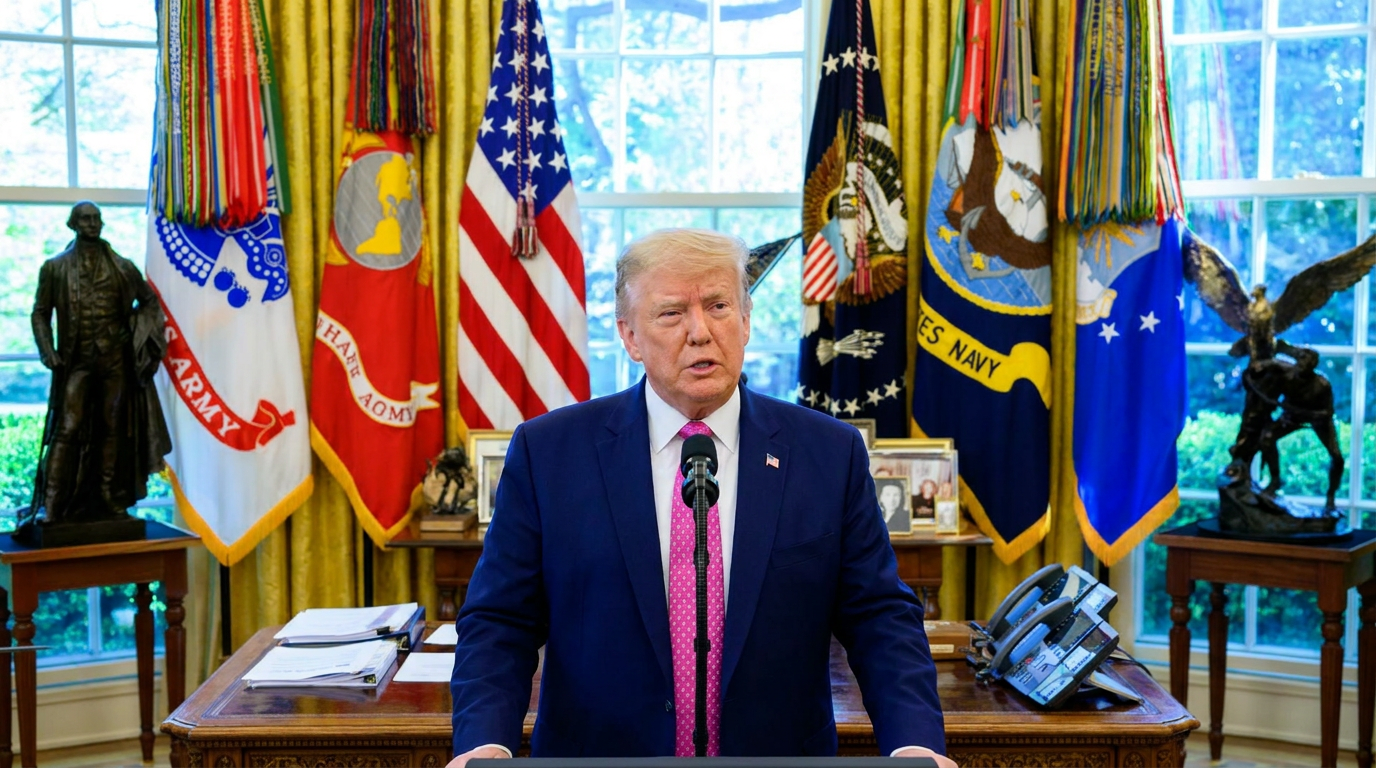
The United States and Iran have reached a preliminary agreement to end a devastating three-month war that has roiled the Middle East and choked global energy supplies. President Donald Trump announced the breakthrough late Sunday, declaring on social media that the deal with the Islamic Republic was complete. The announcement signals an abrupt halt to a conflict that began in early 2026 following the collapse of nuclear negotiations and subsequent Israeli strikes on Iranian facilities.[1][2]
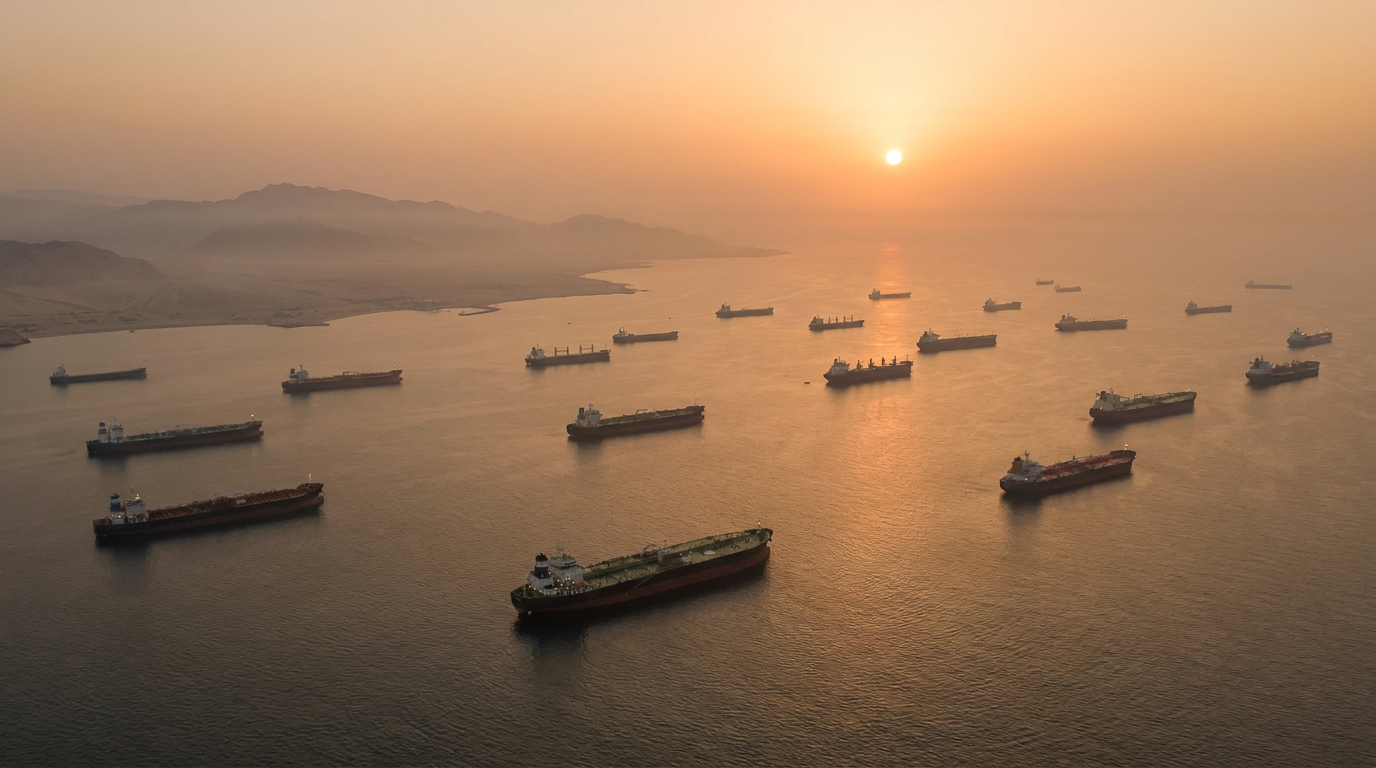
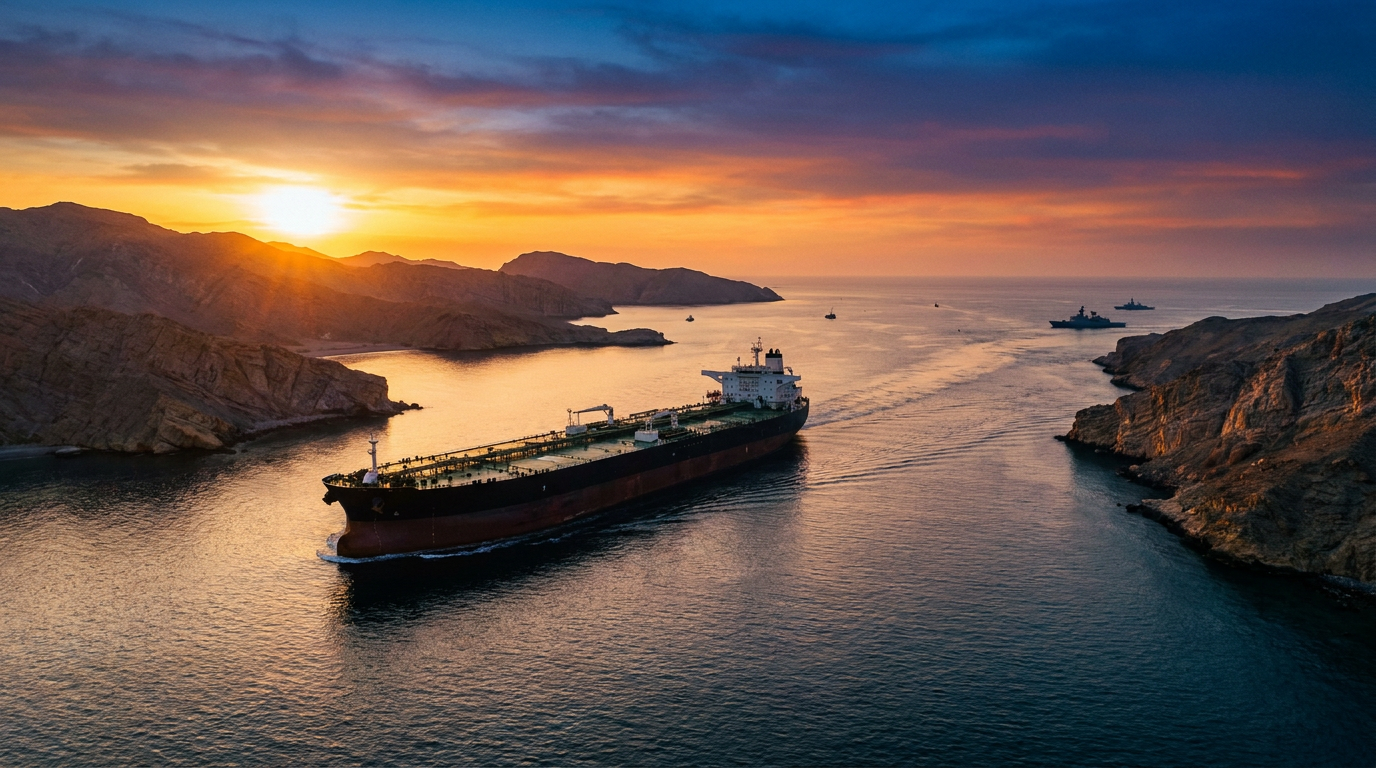
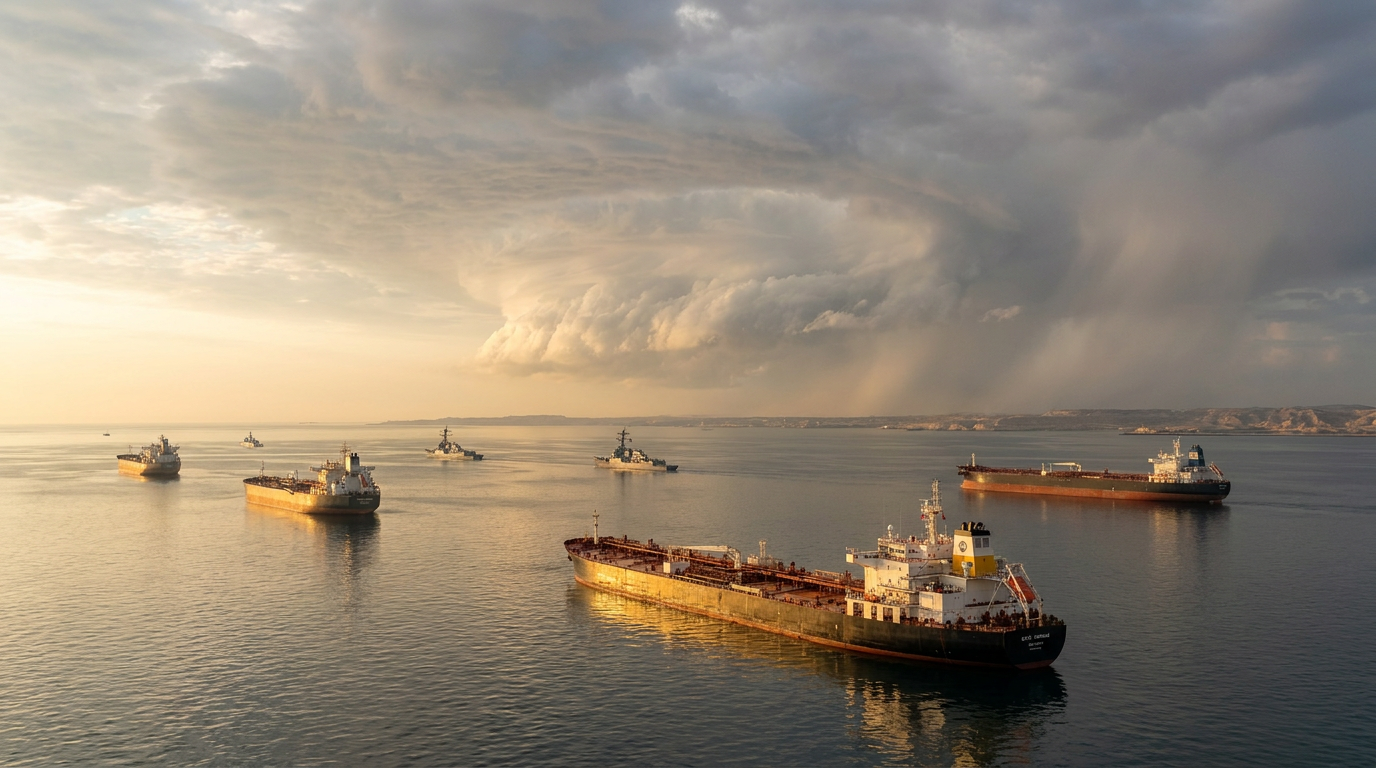
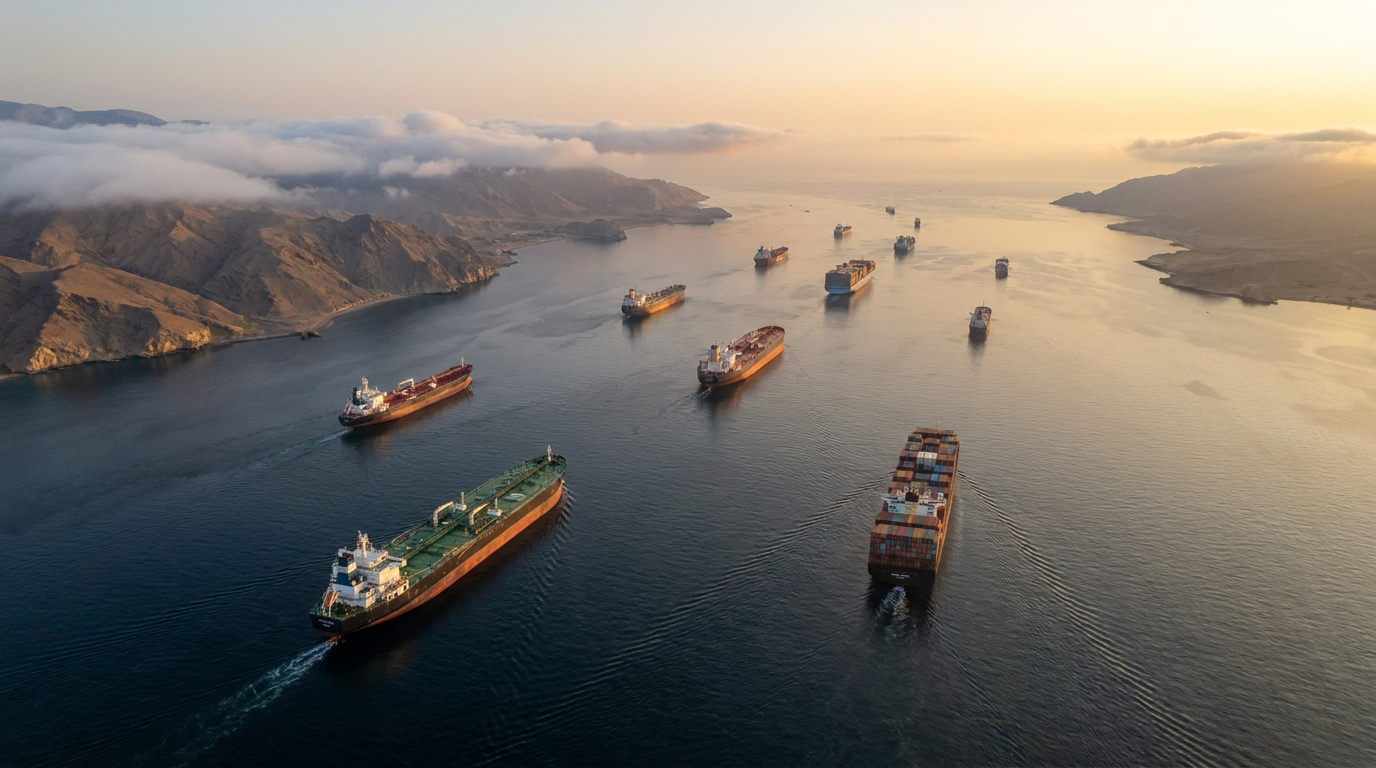
The most immediate consequence of the agreement is the reopening of the Strait of Hormuz, a vital maritime chokepoint through which roughly a fifth of the world's oil supply passes. Trump stated that he had authorized the immediate removal of the United States naval blockade on Iranian ports, which was initially imposed in retaliation for Tehran's mining and closure of the strait. "Ships of the World, start your engines. Let the oil flow!" the president wrote, signaling a rapid resumption of commercial transit.[1][4]
The diplomatic framework rests on a memorandum of understanding (MoU) that is scheduled to be formally signed on Friday in Switzerland. Brokered heavily by Pakistani mediators, the preliminary pact establishes a 60-day ceasefire and negotiation window. During this period, diplomats will attempt to hammer out a permanent treaty addressing the core issues that ignited the war, most notably Iran's nuclear enrichment program and its stockpile of highly enriched uranium.[3][4][6]
Global markets reacted swiftly to the prospect of peace. The price of Brent crude oil plunged by more than $4 a barrel in early trading as the threat of a prolonged energy crisis receded. For months, the closure of the strait and the tit-for-tat military strikes had severely disrupted international shipping, prompting the World Bank to downgrade global economic growth forecasts.[4][5]

Despite the optimism, the exact terms of the MoU remain fiercely contested, with both Washington and Tehran spinning the framework as a decisive victory. The U.S. administration insists that the agreement will permanently dismantle Iran's nuclear ambitions. Trump told reporters that the deal acts as a "wall" preventing Iran from ever acquiring a nuclear weapon, emphasizing that the U.S. negotiated from a position of overwhelming strength.[1][2][5]
Despite the optimism, the exact terms of the MoU remain fiercely contested, with both Washington and Tehran spinning the framework as a decisive victory.
Conversely, Iranian state media and the Islamic Revolutionary Guard Corps (IRGC) have circulated a 14-point list of concessions they claim Washington made. According to these reports, the U.S. has committed to withdrawing military forces from the region and respecting Iranian sovereignty. Furthermore, Iranian officials assert that the draft deal allows them to maintain their current nuclear infrastructure and dilute enriched uranium domestically rather than shipping it abroad.[5][6]
The management of the Strait of Hormuz is emerging as a primary flashpoint for the upcoming 60-day talks. Trump has publicly guaranteed that the waterway will remain "permanently toll-free" for international shipping. However, Iranian news agencies report that the strait will be reopened under "Iranian arrangements," suggesting that Tehran may attempt to levy transit fees on commercial vessels once the initial 60-day negotiation window expires.[2][4][5]
Financial relief is another major point of friction. The IRGC claims that the agreement guarantees the release of $24 billion in frozen Iranian assets, with half of that amount to be transferred before the final round of negotiations even begins. U.S. officials have firmly pushed back on this narrative, stating that Iran will not receive any sanctions relief or unfrozen funds until it demonstrates verifiable compliance with the deal's strict terms.[5][6]

The most volatile complication to the peace framework lies outside the direct U.S.-Iran bilateral relationship: the ongoing conflict between Israel and Hezbollah in Lebanon. The MoU reportedly includes a commitment to end military operations on all fronts, which Pakistani mediators and Iranian officials say encompasses the Lebanese theater.[3][5][6]
The Israeli government, however, has explicitly stated that it is not a party to the U.S.-Iran agreement and does not consider itself bound by its terms. Israeli officials maintain that they will not withdraw forces from southern Lebanon or halt operations against Hezbollah until their northern border is secure. Underscoring this defiance, the Israel Defense Forces launched a targeted strike on a Hezbollah command center in the suburbs of Beirut on Sunday, just hours before the peace deal was announced.[5][6]
The Beirut strike drew immediate condemnation from Tehran, which warned that such actions could imperil the fragile truce. President Trump also criticized the Israeli operation, describing it as a "meaningless" attack that caused no casualties and urging all parties not to disrupt the diplomatic process. "This could be the beginning of a long and beautiful peace — Let's not blow it!" Trump wrote, publicly pressuring Israel to stand down.[5]

As diplomats prepare for the Friday signing ceremony in Geneva, the stakes could not be higher. Vice President JD Vance is expected to attend, though Trump has indicated he may travel to Switzerland himself to finalize the accord. If the 60-day negotiation window fails to produce a comprehensive nuclear treaty, Trump has warned that the U.S. is prepared to resume military operations, leaving the Middle East balancing precariously between a historic peace and a catastrophic regional war.[5][6]
How we got here
Feb 2026
War breaks out following Israeli strikes on Iranian nuclear facilities and the expiration of a U.S. negotiation deadline.
April 2026
A tenuous ceasefire halts the heaviest fighting between the U.S. and Iran.
June 14, 2026
President Trump announces the completion of a peace deal on social media.
June 19, 2026
Official signing ceremony scheduled to take place in Switzerland.
Viewpoints in depth
U.S. Administration's view
The U.S. views the deal as a victory achieved through strength, ensuring the permanent dismantling of Iran's nuclear ambitions.
President Trump and U.S. officials emphasize that the naval blockade and military pressure forced Iran to the negotiating table. They assert that the upcoming 60-day window will result in a 'wall' against Iranian nuclear proliferation, with no sanctions relief or frozen funds released until Tehran demonstrates verifiable compliance. The administration also insists the Strait of Hormuz will remain permanently toll-free.
Iranian Leadership's view
Tehran frames the agreement as a successful defense of its sovereignty that will yield massive economic relief.
Iranian state media and the Islamic Revolutionary Guard Corps portray the deal as a capitulation by Washington. They claim the memorandum guarantees the withdrawal of U.S. forces from the region, the imminent release of $12 billion in frozen assets before final talks begin, and the right to manage the Strait of Hormuz under 'Iranian arrangements,' which could eventually include transit fees.
Israeli Government's view
Israel remains deeply skeptical of the framework and refuses to be bound by its regional ceasefire provisions.
Sidelined during the Pakistan-brokered negotiations, Israeli officials argue the deal fails to address the immediate threat posed by Hezbollah and other Iranian proxy groups. Israel has explicitly stated it will not withdraw forces from Lebanon and demonstrated its independence by striking a Hezbollah command center in Beirut just hours before the peace deal was announced.
What we don't know
- Whether Iran will agree to permanently dismantle its uranium enrichment program during the 60-day window.
- How the Strait of Hormuz will be managed and if Iran will eventually levy transit fees.
- Whether Israel and Hezbollah will escalate their conflict despite the broader regional ceasefire.
Key terms
- Strait of Hormuz
- A crucial maritime chokepoint between the Persian Gulf and the Gulf of Oman, through which roughly 20% of the world's oil passes.
- Memorandum of Understanding (MoU)
- A formal agreement between two or more parties that establishes a framework for future negotiations, though often not legally binding.
- Highly Enriched Uranium
- Uranium that has been processed to increase the concentration of the U-235 isotope, bringing it closer to weapons-grade material.
Frequently asked
Is the war completely over?
The agreement establishes a 60-day ceasefire and a framework for peace, but a final, permanent treaty has not yet been signed.
Will gas prices go down?
Global oil prices immediately dropped following the announcement, as the reopening of the Strait of Hormuz eases supply constraints.
Does this deal include Israel?
While the U.S. and Iran agreed to halt hostilities on all fronts, Israel has stated it is not bound by the deal and will continue its operations against Hezbollah in Lebanon.
Sources
Source coverage
6 outlets
4 viewpoints surfaced






[1]Fox NewsU.S. Administration
President Trump announces Iran peace agreement and more top headlines
Read on Fox News →[2]The New York TimesGlobal Energy Markets
On the Nuclear Issue, Each Side Finds a Way to Claim Victory
Read on The New York Times →[3]Al JazeeraIranian Leadership
US-Iran 'peace deal' announced; Trump says Strait of Hormuz reopening
Read on Al Jazeera →[4]The GuardianIranian Leadership
Monday briefing: Trump's late-night deal with Iran
Read on The Guardian →[5]CBS NewsU.S. Administration
U.S.-Iran deal updates: Israel says no Lebanon withdrawal, Iran says funds expected before final talks
Read on CBS News →[6]The Times of IsraelIsraeli Government
US, Iran reach deal to end war, reopen Strait of Hormuz; Israel says it's not bound
Read on The Times of Israel →
More in news politics
See all 7 stories →Strait of Hormuz
US and Iran Reach Interim Deal to Reopen Strait of Hormuz After 100-Day Disruption
0 sources
Middle East Conflict
US and Iran Reach Framework Peace Deal to End 15-Week Conflict
0 sources
US-Iran Deal
US and Iran Reach Framework Peace Deal, Reopening Strait of Hormuz
0 sources
Federal AI
Federal Government AI Deployments Double to Over 3,600 Amid Transparency Concerns
0 sources

Every angle. Every day.
Get news politics stories with full source coverage and perspective breakdowns delivered to your inbox.