
US and Iran Reach Interim Deal to Reopen Strait of Hormuz After 100-Day Disruption
Washington and Tehran have agreed to a preliminary, Pakistan-mediated deal to end hostilities and reopen the Strait of Hormuz, sending oil prices to a three-month low. However, energy experts warn that restoring pre-crisis global supply chains will take months, and regional tensions remain high as Israel refuses to withdraw from southern Lebanon.
By Factlen Editorial Team
- US Administration
- Views the deal as a major economic and foreign policy victory that restores global commerce through maximum pressure.
- Energy Markets
- Relieved by the de-escalation but highly focused on the logistical backlog and the time required to refill depleted global stockpiles.
- Israeli Defense Establishment
- Skeptical of Iran's long-term intentions and prioritizing immediate, unilateral border security over broader regional diplomatic thaws.
- Pakistani Mediators
- Frames the agreement as a monumental diplomatic triumph that elevates Islamabad's geopolitical standing in the region.
What's not represented
- · European Union Energy Ministers
- · Commercial Maritime Insurance Underwriters
- · Lebanese Civilian Authorities
Why this matters
The closure of the Strait of Hormuz choked off roughly a fifth of the world's oil supply for over three months, driving up global inflation and energy costs. This preliminary deal signals an end to the immediate economic bleeding, though the geopolitical ripple effects—including Israel's ongoing military presence in Lebanon—will reshape Middle Eastern security and global energy logistics for years.
Key points
- The US and Iran reached a preliminary agreement to reopen the Strait of Hormuz after a 100-day closure.
- Pakistan served as the primary mediator for the backchannel diplomatic negotiations.
- Global oil prices hit a three-month low, though rebuilding supply chains will take months.
- The interim deal does not address Iran's nuclear program, which requires separate negotiations.
- Israel stated it will not withdraw from seized territory in southern Lebanon despite the US-Iran deal.
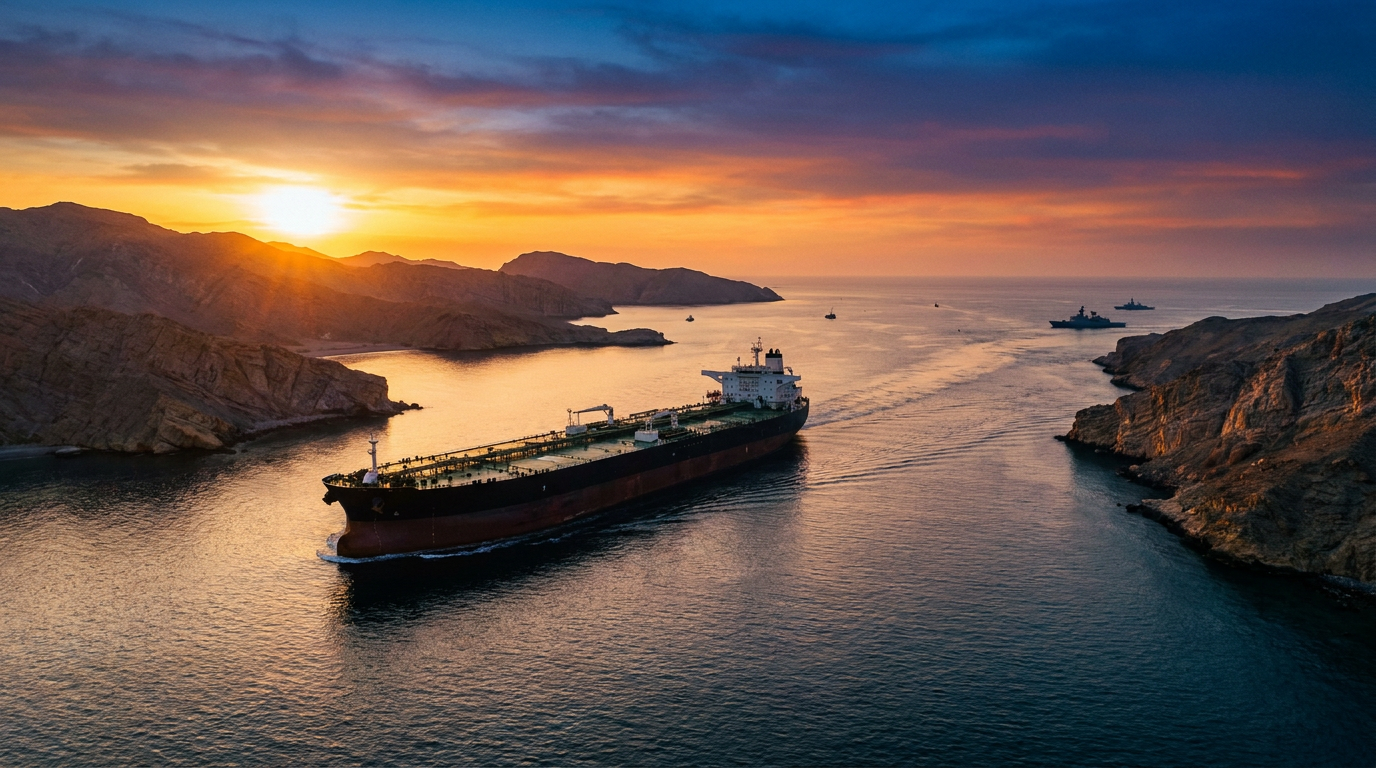
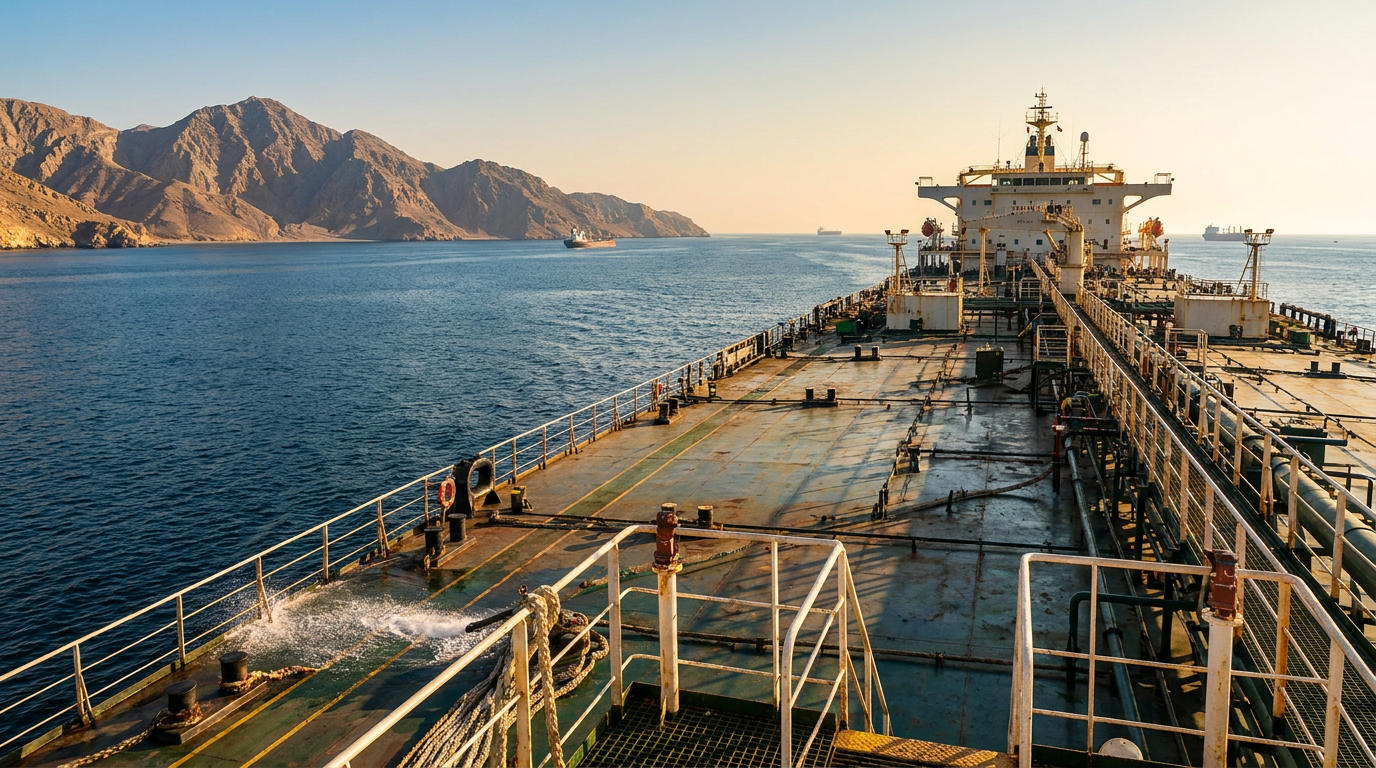
After more than 100 days of unprecedented disruption to global energy markets, the United States and Iran have reached a preliminary agreement to end hostilities and reopen the Strait of Hormuz. The diplomatic breakthrough, mediated heavily by Pakistan, marks a critical de-escalation in a conflict that had effectively severed one of the world's most vital shipping arteries. Officials from both Washington and Tehran confirmed the interim deal on Monday, signaling that commercial vessels will soon be able to transit the narrow waterway that connects the Persian Gulf to the Gulf of Oman.[1][3]
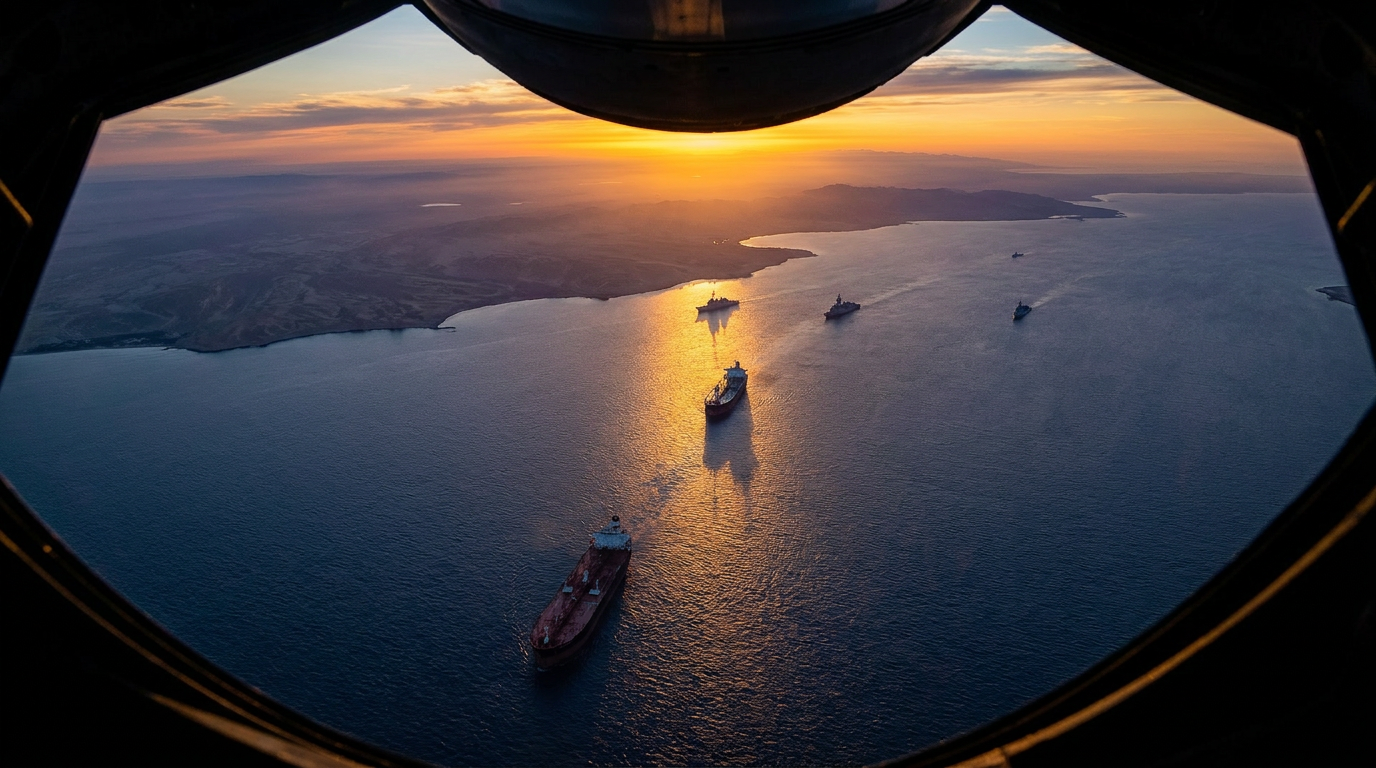
The immediate reaction from global markets was a mixture of profound relief and cautious recalibration. Oil prices plummeted to a three-month low within hours of the announcement, and major stock indices rallied as the specter of a prolonged, structural energy shortage began to fade. For the past three months, the closure had forced shipping companies to reroute or halt operations entirely, stripping roughly 20 percent of the world's daily oil consumption from the market and forcing nations to aggressively tap into their emergency strategic reserves.[2][7]
President Donald Trump quickly celebrated the agreement as a major foreign policy victory, emphasizing the immediate economic relief it would bring to American consumers and global allies. The administration's framing centers heavily on the successful reopening of the strait and the stabilization of energy prices, portraying the 100-day standoff as a necessary pressure campaign that ultimately forced Tehran to the negotiating table. However, the White House acknowledged that the current pact is an interim measure, designed primarily to halt the immediate military and economic crisis.[1][6]

Despite the optimism emanating from Washington, the agreement leaves several of the most intractable issues unresolved. Most notably, Iran's nuclear program—long the central point of contention between Tehran and the West—remains entirely outside the scope of this preliminary deal. Diplomatic sources indicate that while the immediate threat to maritime shipping has been neutralized, the broader negotiations regarding uranium enrichment and international inspections will require a separate, likely arduous, diplomatic process that has yet to be scheduled.[1]
The logistical reality of reopening the Strait of Hormuz also means that consumers will not see an overnight return to pre-crisis normalcy. Energy analysts and industry executives warn that the physical supply chain has been deeply scarred by the 100-day closure. Nations that spent the spring draining their emergency crude stockpiles will now race to refill them, creating a massive surge in baseline demand that will keep prices relatively elevated even as new supply comes online.[2][5][8]
The logistical reality of reopening the Strait of Hormuz also means that consumers will not see an overnight return to pre-crisis normalcy.
Furthermore, the pace of the recovery will depend entirely on the confidence of global shipping conglomerates and insurance underwriters. Maritime insurers, who faced catastrophic risk profiles during the hostilities, will need concrete assurances that the US-Iran deal will hold before they normalize premiums for tankers entering the Persian Gulf. Until those risk premiums drop, the cost of transporting oil and liquefied natural gas will remain a persistent inflationary pressure on the global economy.[5][8]

The diplomatic architecture of the deal highlights a significant shift in regional power dynamics, with Pakistan emerging as the crucial mediator. Pakistani Prime Minister Shehbaz Sharif publicly praised his country's army chief for spearheading the intensive backchannel efforts that bridged the gap between Washington and Tehran. The successful mediation elevates Islamabad's standing as a vital diplomatic conduit in the Islamic world, capable of navigating the complex web of alliances and enmities that define Middle Eastern geopolitics.[3]
The agreement is expected to be formally finalized in Geneva in the coming days, where technical teams will hammer out the specific protocols for maritime monitoring and military de-confliction in the strait. These technical annexes will be critical for preventing accidental skirmishes between the US Navy and the Islamic Revolutionary Guard Corps (IRGC), whose close-quarters encounters have historically been the flashpoint for broader escalations.[3]

However, the de-escalation in the Persian Gulf has not translated to peace across the broader Middle East. Just hours after the US-Iran deal was announced, Israeli Defense Minister Israel Katz delivered a stark message regarding the northern front. Katz stated unequivocally that Israeli military forces will not withdraw from the vast swathe of territory they have seized in southern Lebanon, signaling that Jerusalem views its security imperatives as distinct from Washington's maritime priorities.[4]
Israel's posture underscores a deep-seated skepticism regarding Iran's long-term strategic intentions. The Israeli defense establishment views the interim agreement as a tactical pause by Tehran rather than a fundamental shift in behavior. By maintaining its hold on southern Lebanon, Israel is attempting to permanently alter the security architecture on its northern border, degrading the capabilities of Iranian-backed Hezbollah regardless of the diplomatic thaw occurring in Geneva.[4]
The coming weeks will test the durability of the interim agreement as the first commercial tankers attempt to navigate the Strait of Hormuz under the new paradigm. The success of the deal hinges not just on the political will of Washington and Tehran, but on the complex interplay of global energy logistics, regional proxy conflicts, and the delicate task of rebuilding trust in one of the world's most volatile maritime environments.[1][2][5]
How we got here
Early March 2026
Hostilities escalate in the Persian Gulf, leading to the effective closure of the Strait of Hormuz to commercial shipping.
April–May 2026
Global oil prices surge as roughly 20 percent of the world's supply is cut off, forcing nations to tap emergency reserves.
Early June 2026
Pakistani military and diplomatic officials intensify backchannel mediation efforts between Washington and Tehran.
June 15, 2026
The US and Iran publicly announce an interim agreement to end hostilities and reopen the strait.
Viewpoints in depth
US Administration
Views the deal as a major economic and foreign policy victory that restores global commerce.
For the White House, the reopening of the Strait of Hormuz is being framed as a vindication of its pressure campaign. President Trump and his allies argue that the 100-day standoff, while economically painful, was necessary to force Tehran to guarantee the safety of international shipping. The administration's immediate focus is on the domestic economic relief that will follow the stabilization of energy markets, explicitly separating this maritime victory from the longer-term, unresolved issue of Iran's nuclear ambitions.
Energy Markets
Relieved by the de-escalation but highly focused on the logistical backlog and supply chain scars.
Commodity traders and shipping executives are breathing a sigh of relief, as evidenced by the sharp drop in crude prices. However, industry analysts caution against irrational exuberance. The physical supply chain has been severely disrupted; ships are out of position, and national strategic reserves have been heavily depleted. The market perspective emphasizes that until maritime insurers lower their risk premiums and emergency stockpiles are replenished, the global economy will continue to feel the inflationary aftershocks of the 100-day closure.
Israeli Defense Establishment
Skeptical of Iran's long-term intentions and prioritizing immediate border security in Lebanon.
Israel views the US-Iran agreement through a strictly tactical lens, seeing it as a temporary pause rather than a strategic pivot by Tehran. Defense Minister Israel Katz's immediate assertion that Israeli forces will remain in southern Lebanon highlights a divergence in priorities between Jerusalem and Washington. The Israeli defense establishment remains focused on degrading the capabilities of Iranian proxies on its borders, arguing that maritime agreements in the Persian Gulf do not alter the fundamental security threats facing northern Israel.
Pakistani Mediators
Frames the agreement as a monumental diplomatic triumph that elevates Islamabad's geopolitical standing.
For Pakistan, successfully brokering a deal between two deeply entrenched adversaries is a massive geopolitical win. Prime Minister Shehbaz Sharif's public praise for the military's role in the backchannel talks underscores Islamabad's desire to be seen as the indispensable diplomatic bridge in the Islamic world. By navigating the complex trust deficits between Washington and Tehran, Pakistan has significantly bolstered its regional influence and demonstrated its utility as a stabilizing force in Middle Eastern conflicts.
What we don't know
- How quickly maritime insurance companies will lower risk premiums to allow normal shipping volumes to resume.
- When, or if, the United States and Iran will begin formal negotiations regarding Tehran's nuclear program.
- Whether Israel's refusal to withdraw from southern Lebanon will trigger a renewed escalation with Iranian-backed Hezbollah.
Key terms
- Strait of Hormuz
- A narrow, strategically vital waterway between the Persian Gulf and the Gulf of Oman through which roughly 20 percent of the world's oil supply is transported.
- Interim Agreement
- A preliminary, often temporary diplomatic deal designed to halt immediate hostilities while a more comprehensive, permanent treaty is negotiated.
- Risk Premium
- The additional cost charged by maritime insurance companies to cover vessels traveling through active conflict zones or highly volatile regions.
Frequently asked
Will global gas prices drop immediately?
While crude oil prices dropped on the news, experts warn it will take months to restore pre-crisis supply levels as nations race to refill depleted emergency stockpiles.
Does this agreement cover Iran's nuclear program?
No. The interim deal focuses strictly on ending hostilities and reopening the Strait of Hormuz; the nuclear program remains a subject for future negotiations.
Who mediated the agreement?
Pakistan played the central role in mediating the backchannel talks between Washington and Tehran over the course of the 100-day conflict.
Is the conflict in the Middle East over?
No. While the maritime standoff has eased, regional tensions remain high, particularly as Israel has stated it will not withdraw from territory it seized in southern Lebanon.
Sources
Source coverage
8 outlets
4 viewpoints surfaced






[1]NYTUS Administration
With Iran Deal, Trump Celebrates a Win but Much Remains Unfinished
Read on NYT →[2]The GuardianIsraeli Defense Establishment
Return to pre-crisis oil and gas supplies months away even if strait of Hormuz reopens
Read on The Guardian →[3]Al JazeeraPakistani Mediators
How Pakistan mediated a US-Iran agreement after more than 100 days of war
Read on Al Jazeera →Israel will not withdraw from territory in Lebanon, defence minister says
Read on The Guardian →Deal to Reopen Hormuz Kicks Off Long Effort to Ease Energy Crisis
Read on NYT →[6]Fox NewsUS Administration
Trump secures historic Hormuz reopening, ending 100-day global energy crisis
Read on Fox News →[7]ReutersEnergy Markets
Oil prices hit three-month low as US-Iran peace deal signals Hormuz reopening
Read on Reuters →[8]WSJEnergy Markets
Energy Markets Rally on Hormuz Deal, But Supply Chain Scars Remain
Read on WSJ →
More in news politics
See all 8 stories →Texas Flooding
Life-Threatening Flash Floods Submerge Central Texas, Stranding Drivers on I-35
0 sources
Primary Reform
Fact-Checking the Top-Two Primary: Does Changing How We Vote Actually Reduce Polarization?
0 sources
Strait of Hormuz
US and Iran Reach Preliminary Agreement to Reopen Strait of Hormuz and Halt Hostilities
0 sources
US-Iran Deal
US and Iran Reach Framework Peace Deal to Open Strait of Hormuz, but Israel Rejects Lebanon Ceasefire
0 sources
Every angle. Every day.
Get news politics stories with full source coverage and perspective breakdowns delivered to your inbox.